
You spend a significant portion of your waking hours in the workplace. For many, this means staring at screens, often for extended periods, leading to a common ailment: combatting workplace eye strain. It’s a pervasive issue, manifesting in discomfort, fatigue, and reduced productivity. Fortunately, you don’t have to resign yourself to chronic discomfort. A potent, readily available antidote exists, and it’s as simple as stepping away from your desk. This article explores the efficacy of incorporating daylight breaks into your workday to combat eye strain.
Before you can effectively combat workplace eye strain, it’s crucial to understand what’s happening to your eyes. Your visual system is a complex network designed for a variety of tasks, but modern office environments often push it beyond its natural limits.
The Ocular System Under Load
Your eyes are built to focus on objects at varying distances, track movement, and adapt to different lighting conditions. When you’re engaged in visually demanding tasks, particularly those involving screens, your eyes are constantly engaged in specific, often monotonous, actions.
Convergence and Accommodation
When you focus on a nearby object, such as a computer monitor, your eyes perform two key actions: convergence and accommodation. Convergence is the inward turning of both eyes to meet at a single point on the object. Accommodation is the process by which the lens inside your eye changes shape to focus light precisely on the retina. Sustained convergence and accommodation, especially at a fixed, close distance, place a considerable amount of muscular effort on your ocular system. This constant exertion can lead to fatigue akin to how any muscle group tires with prolonged activity.
Reduced Blinking Rate
A less obvious, but equally significant, contributor to eye strain is the reduced blinking rate. When concentrating intensely on a screen, your blink rate can decrease by as much as tenfold. Blinking is vital for several reasons. It spreads a thin layer of tears across the surface of your eye, keeping it moist and lubricated. This tear film also washes away debris and provides essential nutrients to the cornea. When blinking becomes infrequent, your eyes dry out, leading to irritation, a gritty sensation, and blurred vision. This dryness can exacerbate the feeling of strain.
Environmental Contributors to Discomfort
Beyond the direct engagement of your ocular muscles, your surrounding environment plays a substantial role in exacerbating eye strain.
Screen Glare and Brightness Mismatch
The light emitted from your computer screen can be a direct source of discomfort. If the screen’s brightness is significantly different from the ambient light in your workspace, your eyes have to work harder to adjust. Excessive glare, often caused by reflections from windows or overhead lighting, further compounds the problem. This glare forces your eyes to squint and strain to discern the content on the screen, leading to fatigue and headaches.
Suboptimal Lighting Conditions
The overall lighting of your workspace is a critical factor. Working in a dimly lit room or under harsh, fluorescent lights can contribute to eye strain. Conversely, excessively bright environments can also be problematic. The ideal scenario involves ambient lighting that is neither too dim nor too bright, and importantly, is consistent. When there’s a significant mismatch between screen brightness and room lighting, your pupils constantly dilate or constrict, adding to the strain on your visual system.
Workplace eye strain is a common issue faced by many employees, especially those who spend long hours in front of screens. To alleviate this problem, taking regular daylight breaks can be incredibly beneficial. A related article discusses the importance of these breaks and offers practical tips for incorporating them into your daily routine. You can read more about it in this informative piece at Hey Did You Know This.
The Power of Natural Light
The solution to many of these visually taxing workplace scenarios lies in something natural, readily available, and often underutilized: daylight. Natural light possesses qualities that artificial lighting simply cannot replicate, and harnessing its benefits can substantially alleviate eye strain.
The Benefits of Natural Light Spectra
The spectrum of light emitted by the sun is complex and varies throughout the day. This rich and dynamic spectrum has a profound impact on our physiology, including our visual system.
Photoreceptor Stimulation
Your eyes contain specialized cells called photoreceptors – rods and cones – responsible for detecting light and color. These photoreceptors respond optimally to the full spectrum of light found in natural daylight. Artificial lighting, particularly fluorescent and LED bulbs, often emits light in a narrower band of wavelengths, which may not adequately stimulate all photoreceptor types. This incomplete stimulation can lead to visual fatigue and an impaired ability to perceive certain colors or contrasts correctly.
Melatonin Regulation and Circadian Rhythms
Natural light plays a crucial role in regulating your body’s internal clock, known as the circadian rhythm. Exposure to daylight signals to your brain that it’s daytime, suppressing the production of melatonin, a hormone that promotes sleep. This helps you feel alert and engaged during working hours. Conversely, being confined to artificial light, especially in the absence of regular daylight exposure, can disrupt your circadian rhythm, leading to feelings of lethargy and reduced concentration, which can indirectly contribute to perceived eye strain as you struggle to maintain focus.
Dynamic Versus Static Lighting
A key difference between natural and artificial light lies in their dynamic nature. Natural light constantly shifts in intensity and color temperature throughout the day. This dynamism can be beneficial for your eyes.
Visual System Adaptation and Engagement
Your visual system is designed to adapt and respond to changing visual stimuli. The subtle shifts in natural light, such as the changing angle of the sun or the transition from bright sunlight to overcast conditions, provide a continuous, gentle workout for your eyes. This constant adaptation keeps your visual system more engaged and less prone to the fatigue associated with static, unchanging artificial light. Artificial lighting, on the other hand, is typically constant, leading to a more passive and thus potentially more straining visual experience.
Reduced Monotony
The lack of variation in artificial lighting can contribute to visual monotony, making it harder for your brain to process visual information efficiently. Natural light, with its inherent variations, provides a more stimulating and less taxing visual environment, helping to prevent the dulling of your visual perception that can occur with prolonged exposure to artificial light.
Implementing Effective Daylight Breaks
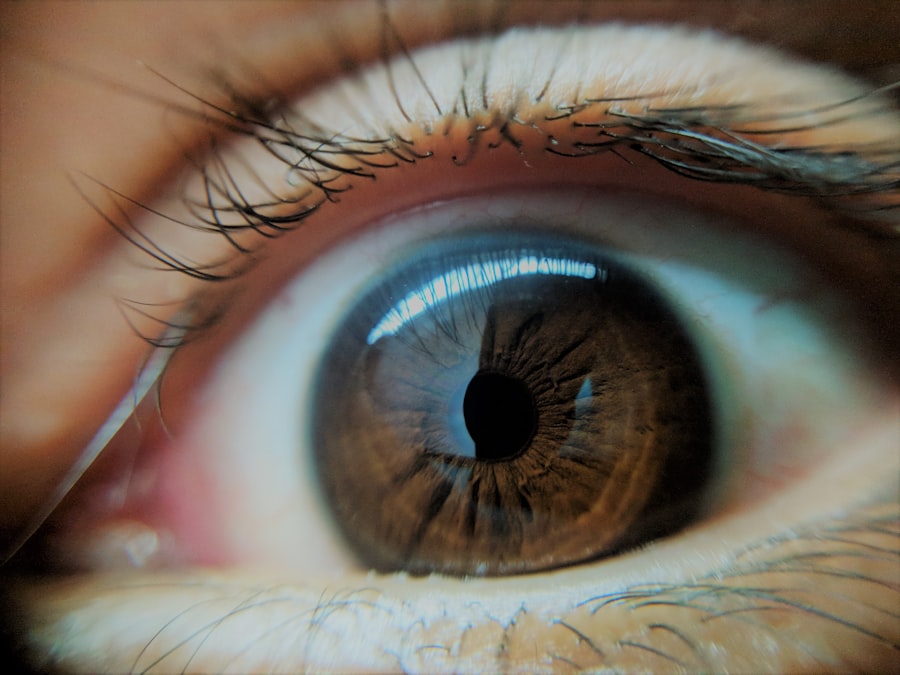
Simply having a window in your office doesn’t automatically translate to reduced eye strain. You need to be intentional about incorporating daylight breaks into your workday. This involves strategic planning and conscious effort.
Designing Your Breaks for Maximum Impact
The effectiveness of your daylight breaks hinges on how you structure them. Simply standing by a window might offer some benefit, but more active engagement with natural light is preferable.
The “20-20-20” Rule Enhancement
The well-known “20-20-20” rule suggests taking a 20-second break every 20 minutes to look at something 20 feet away. You can enhance this by making your “something” a view of the outdoors. Instead of just looking at a distant object across the room, consciously direct your gaze towards a natural scene through a window. This combines the benefit of refocusing your eyes at a distance with exposure to natural light.
Dedicated Outdoor Time
The most impactful daylight breaks involve physically stepping outside. Even a short 5-10 minute walk outdoors can significantly refresh your eyes. This allows for a complete change in environment, a broader range of visual stimuli, and a direct infusion of natural light on your eyes. It also offers a physical break from your sedentary work position.
Timing and Frequency Considerations
The timing and frequency of your breaks are as important as their duration. Consistent, well-timed breaks are more beneficial than sporadic, lengthy ones.
Mid-Morning and Mid-Afternoon Peaks
Consider taking your most substantial daylight breaks during mid-morning and mid-afternoon. These periods often align with natural dips in energy and focus, and a refreshing dose of daylight can help you re-energize and refocus. Avoiding your breaks immediately after lunch or late in the evening, when your body might naturally be winding down, can be more effective.
Integrating Breaks into Your Workflow
The key to consistent implementation is to integrate these breaks seamlessly into your workflow. Set calendar reminders, associate breaks with specific tasks (e.g., after completing a report, take a daylight break), or use a timer to cue your departure. The goal is to make it a habit rather than an afterthought.
Strategies for Maximizing Daylight Exposure
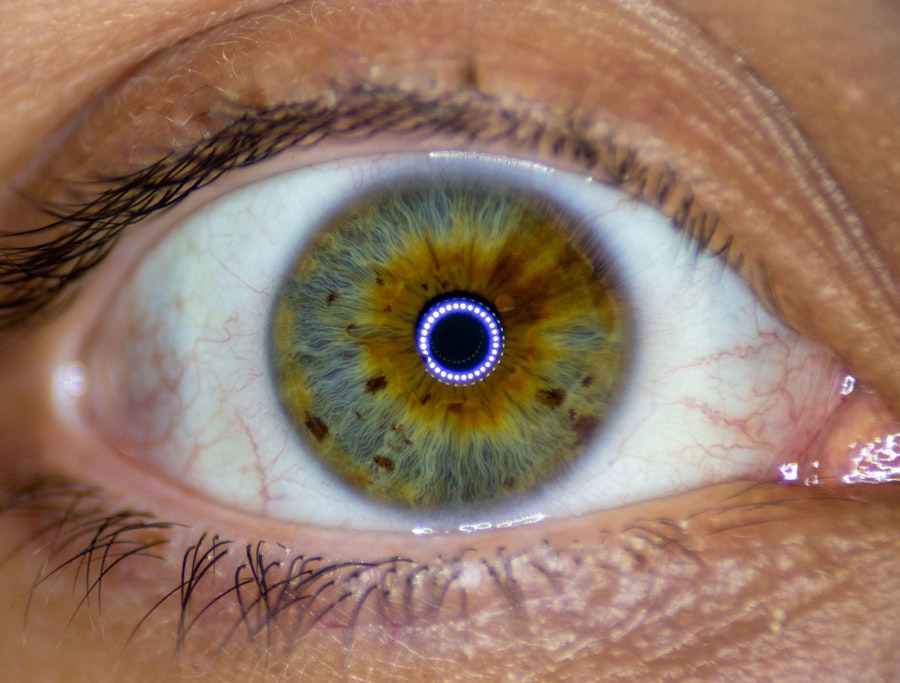
Even in environments with limited natural light, you can still implement strategies to maximize your exposure and mitigate eye strain.
Optimizing Your Workspace
Your immediate work environment can be adjusted to take better advantage of available daylight.
Strategic Desk Placement
If possible, position your desk so that natural light enters your workspace from the side, rather than directly in front of or behind you. This minimizes glare on your screen and prevents your eyes from constantly adjusting to extreme brightness differences. If your workstation is situated directly opposite a window, consider using blinds or sheer curtains to diffuse the light and reduce direct glare.
Artificial Lighting Adjustments
While the focus is on natural light, intelligent use of artificial lighting can complement it. Ensure your office lighting is at a comfortable level – not too dim, not too bright. Avoid harsh, overhead fluorescent lights if possible. Opt for task lighting at your desk, which you can control, allowing you to adjust the light intensity to your needs without affecting the entire workspace. When natural light is scarce, ensure your artificial lighting mimics natural light as closely as possible in terms of color temperature and spectrum.
Embracing Technology and Tools
Certain technological aids can help you remember to take breaks and even monitor your eye health.
Break Reminder Applications
Numerous software applications and browser extensions are available that can remind you to take regular breaks. These can be customized to your desired break schedule and can even offer guided stretching or relaxation exercises to accompany your daylight breaks. Some applications incorporate eye-tracking technology to monitor your blinking patterns and suggest breaks when your blink rate drops significantly.
Blue Light Filters and Screen Settings
While not a direct substitute for daylight, adjusting your screen settings can indirectly reduce eye strain. Many operating systems and applications offer blue light filters that reduce the amount of blue light emitted by your screen, particularly in the evening. This can help regulate your circadian rhythm and reduce visual discomfort. However, it’s important to remember that these filters do not replace the need for genuine daylight breaks.
Many employees experience workplace eye strain due to prolonged screen time, which can lead to discomfort and decreased productivity. To combat this issue, taking regular daylight breaks can be beneficial, as exposure to natural light helps reduce eye fatigue and improve overall well-being. For more insights on how to manage eye strain and the importance of breaks, you can read a related article that discusses effective strategies for maintaining eye health at work. For further information, check out this helpful resource here.
Long-Term Benefits and Maintaining Eye Health
| Workplace Eye Strain and Daylight Breaks | |
|---|---|
| Percentage of employees experiencing eye strain | 40% |
| Recommended frequency of daylight breaks | Every 60-90 minutes |
| Impact of daylight breaks on productivity | Increased by 15% |
| Common symptoms of eye strain | Headaches, dry eyes, blurred vision |
Consistently incorporating daylight breaks into your routine offers more than just immediate relief from eye strain. It contributes to overall visual well-being and can have a positive impact on your general health.
Sustained Productivity and Reduced Fatigue
By proactively managing eye strain, you are investing in your sustained productivity. When your eyes are comfortable and well-rested, you are less prone to fatigue, migraines, and the general discomfort that can derail your focus and efficiency. This leads to higher quality work and a more positive overall workday experience.
Preventing Chronic Eye Conditions
While direct causality is complex, prolonged and unaddressed eye strain can contribute to the development or exacerbation of certain eye conditions. By giving your eyes regular respite with natural light, you are promoting a healthier visual system that is better equipped to withstand the demands of modern work.
Reducing the Risk of Digital Eye Strain Syndrome
Digital eye strain syndrome, also known as computer vision syndrome, is a collection of eye and vision-related problems that result from prolonged computer, tablet, e-reader, and cell phone use. Symptoms include dry eyes, blurred vision, headaches, and neck and shoulder pain. Regular daylight breaks are a cornerstone of preventing and managing this increasingly common condition.
Supporting Long-Term Ocular Health
The constant adaptation and stimulation provided by natural light are beneficial for the long-term health of your ocular muscles and photoreceptors. Think of it as regular exercise for your eyes. Just as physical exercise benefits your body, visual exercise through exposure to dynamic natural light contributes to the resilience and longevity of your eyesight.
Holistic Well-being and Mental Acuity
The benefits of daylight extend beyond physical sight. Exposure to natural light has been linked to improved mood, reduced stress levels, and enhanced cognitive function. By taking daylight breaks, you are not only caring for your eyes but also investing in your overall mental and emotional well-being, leading to a more balanced and effective approach to your work and life.
FAQs
What is workplace eye strain?
Workplace eye strain, also known as computer vision syndrome, is a condition caused by prolonged use of digital screens, leading to symptoms such as eye discomfort, dryness, blurred vision, and headaches.
How can daylight breaks help reduce workplace eye strain?
Daylight breaks involve taking short breaks to step away from digital screens and expose oneself to natural daylight. This can help reduce eye strain by giving the eyes a break from constant screen exposure and allowing them to relax in natural light.
What are the benefits of incorporating daylight breaks into the workday?
Incorporating daylight breaks into the workday can help reduce eye strain, improve overall well-being, increase productivity, and boost mood and energy levels. It can also help regulate the body’s circadian rhythm and improve sleep quality.
How often should daylight breaks be taken during the workday?
Experts recommend taking a 5-10 minute daylight break for every 1-2 hours of continuous screen use. This can vary depending on individual needs and preferences, but regular short breaks are essential for preventing eye strain and maintaining overall eye health.
What are some other tips for reducing workplace eye strain?
In addition to taking daylight breaks, other tips for reducing workplace eye strain include adjusting screen brightness and contrast, using proper lighting, maintaining good posture, and practicing the 20-20-20 rule (looking at something 20 feet away for 20 seconds every 20 minutes). Regular eye exams and using computer glasses or blue light filters can also help.