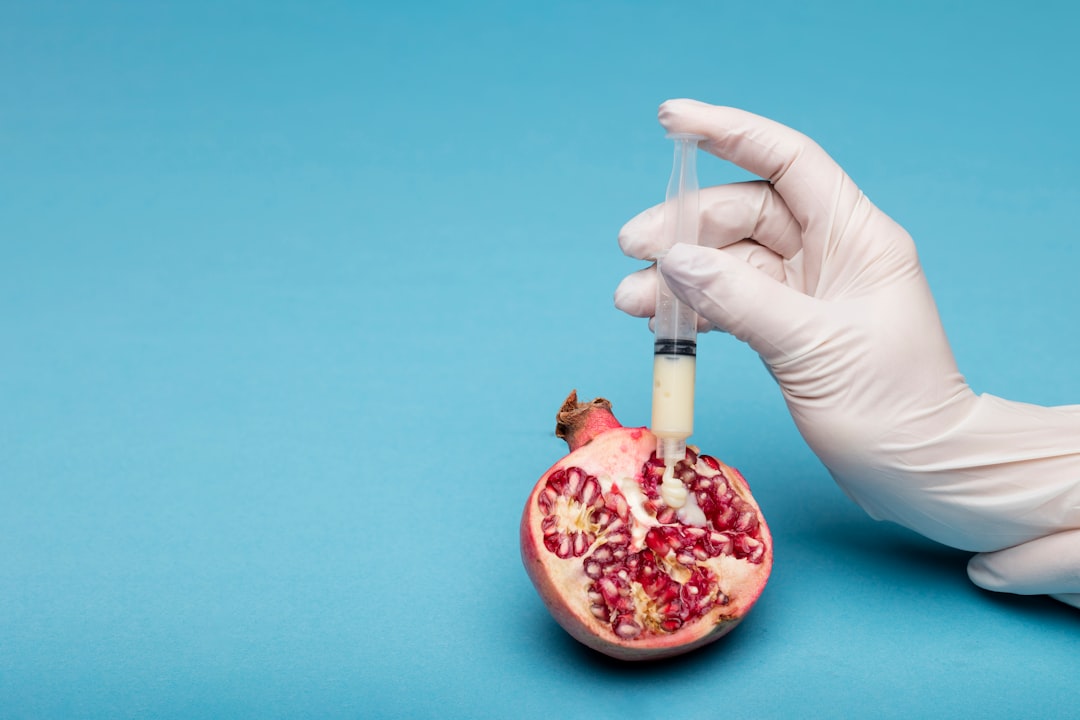
You stand before a vast buffet, a dazzling display of colors, textures, and aromas. This is the food industry, a sprawling landscape dedicated to nourishing the human body. However, this same industry, in its relentless pursuit of profit and innovation, often inadvertently primes your body for a different kind of consumption: medicine. You are, in many ways, a willing participant in this intricate dance, responding to the siren song of convenience and pleasure, only to find yourself seeking remedies later. This article will delve into the multifaceted ways the modern food industry influences your demand for pharmaceutical products.
The food industry is not merely a passive supplier of sustenance. It is an active architect, meticulously crafting products designed to capture your attention, stimulate your senses, and, ultimately, encourage repeated purchase. This design process is deeply intertwined with understanding the biological and psychological levers that govern your desires and behaviors.
The Sugar-Salt-Fat Trinity: A Recipe for Addiction
You’ve likely heard of the perfect storm, a confluence of events leading to a significant outcome. In the food industry, the “perfect storm” for driving demand might be the deliberate calibration of sugar, salt, and fat. These three macronutrients are innately rewarding to your brain. Their presence in food triggers the release of dopamine, a neurotransmitter associated with pleasure and reward. The food industry has mastered the art of optimizing these combinations, creating products that are not just palatable but intensely craveable.
Engineered Hyper-Palatability: Beyond Mother Nature’s Intent
Traditional foods, grown and prepared with simpler methods, provided a balanced nutritional profile. However, modern food processing has amplified the addictive qualities of these core ingredients. You consume foods that are engineered to be hyper-palatable, meaning their combination of sugar, salt, and fat surpasses the natural levels found in whole foods. This creates a sort of runaway train in your brain, constantly seeking that next hit of intense satisfaction.
The Dopamine Loop: A Cycle of Craving and Consumption
This engineered palatability creates a powerful dopamine loop. You eat a highly processed food, experience a surge of pleasure, and your brain registers it as a highly rewarding activity. Over time, your brain begins to anticipate this reward, leading to cravings even when you’re not physically hungry. This cycle drives overconsumption of these products, laying the groundwork for subsequent health issues.
Nutrient Deficiency Masquerading as Fullness
Ironically, while these hyper-palatable foods fulfill a sense of “fullness” due to their palatability and often high calorie content, they often lack essential micronutrients. You can eat a large quantity of highly processed food and still be nutritionally deficient. This creates a disconnect between satiety and actual nourishment, leaving your body perpetually signaling for the nutrients it truly needs.
The Illusion of Health: Marketing and Misdirection
The food industry is a master storyteller, weaving narratives that position its products as beneficial, even essential, for your well-being. This marketing prowess directly influences your purchasing decisions and, consequently, your health outcomes.
“Light,” “Low-Fat,” and “Sugar-Free”: A Semantic Shell Game
You see these labels emblazoned on products, promising a healthier alternative. However, the ingredients often undergo a chemical transformation to achieve these purported benefits. “Low-fat” products might be loaded with added sugars to compensate for the loss of flavor and texture. “Sugar-free” options can utilize artificial sweeteners that, while not providing calories, may have their own complex effects on your metabolism and gut microbiome, leading to downstream health consequences. The marketing creates an illusion of health, a shimmering mirage that distracts from the underlying reality of the product’s nutritional profile.
Fortification: A Band-Aid on a Bullet Wound
When food products are deficient in essential nutrients due to processing, the industry often “fortifies” them, adding back vitamins and minerals. While this can be beneficial in some contexts, it often serves as a band-aid, masking the fundamental issue of nutrient depletion introduced by the processing itself. You are, in essence, being sold a processed product with a few added vitamins, rather than a whole, nutrient-dense food source. This can create a false sense of security, leading you to believe you are meeting your nutritional needs while still consuming a diet that may contribute to chronic diseases.
Health Claims: Slippery Slopes of Science
The food industry employs a legion of scientists and marketers to craft compelling health claims. These claims, often based on selective interpretations of research or early-stage studies, can create a perception of efficacy that may not be fully supported by robust, longitudinal evidence. You are often presented with information that highlights potential benefits, while downplaying or omitting the risks associated with regular consumption of these products, particularly in the context of a broader diet.
The intricate relationship between the food industry and the demand for medicine is explored in detail in a related article that highlights how processed foods contribute to various health issues, ultimately leading to increased reliance on pharmaceuticals. This connection underscores the importance of understanding our dietary choices and their long-term effects on health. For more insights on this topic, you can read the article at Hey Did You Know This.
The Rise of Chronic Illness: The Foundation for Pharmaceutical Demand
The cumulative effect of decades of exposure to the food industry’s products is the significant rise in lifestyle-related chronic diseases. These conditions are not sudden misfortunes but rather the slow, insidious consequences of prolonged suboptimal dietary habits.
The Metabolic Mayhem: Insulin Resistance and Type 2 Diabetes
The relentless bombardment of refined carbohydrates and added sugars from processed foods places an immense burden on your body’s insulin regulation system. Your pancreas works overtime to manage blood sugar spikes, and over time, your cells can become resistant to insulin’s signal. This insulin resistance is a hallmark of Metabolic Syndrome and a major precursor to Type 2 Diabetes, a condition that now afflicts millions globally.
Glucose Spikes and Crashes: A Rollercoaster for Your Body
Every time you consume a high-glycemic index food, your blood glucose levels surge. Your body responds by releasing insulin to shuttle this sugar into your cells for energy or storage. However, rapid spikes are often followed by equally rapid drops, leading to energy slumps, cravings, and a desire for more sugar to regain that fleeting energy. This pattern of glucose spikes and crashes creates a physiological rollercoaster, leaving your body in a constant state of flux and increasing the likelihood of developing insulin resistance.
The Pancreas Under Siege: A Diminishing Capacity
Your pancreas, designed to handle a certain metabolic load, can become overwhelmed by chronic overstimulation. Over years of managing excessive sugar intake, its ability to produce sufficient insulin may diminish, leading to Type 2 Diabetes. This effectively means your body’s natural sugar-management system is failing, creating a direct need for pharmaceutical interventions to regulate blood glucose.
Cardiovascular Complications: Atherosclerosis and Hypertension
The high levels of unhealthy fats, sodium, and refined carbohydrates in many processed foods contribute significantly to cardiovascular diseases. These dietary factors can lead to elevated cholesterol levels, increased blood pressure, and inflammation, all of which are critical risk factors for atherosclerosis (the hardening of arteries) and hypertension (high blood pressure).
Saturated and Trans Fats: The Silent Arterial Blockers
The overconsumption of saturated and artificial trans fats found in many processed snacks, baked goods, and fried foods directly impacts your cholesterol profile. They can increase LDL (“bad”) cholesterol and decrease HDL (“good”) cholesterol, paving the way for plaque buildup in your arteries. This narrowing of your arteries, a process known as atherosclerosis, restricts blood flow and increases the risk of heart attack and stroke.
Sodium Overload: A Pressure Cooker for Your Blood Vessels
The food industry’s liberal use of sodium as a preservative and flavor enhancer is a major contributor to hypertension. Excessive sodium intake causes your body to retain more water, increasing blood volume and thus blood pressure. Chronically elevated blood pressure puts a constant strain on your heart and blood vessels, increasing the risk of heart failure, kidney disease, and other serious health problems.
Inflammation: The Body’s Chronic Smoldering Fire
Many processed foods, particularly those high in refined sugars, unhealthy fats, and artificial additives, are considered pro-inflammatory. Chronic, low-grade inflammation is now recognized as an underlying factor in a wide range of diseases, from arthritis and autoimmune disorders to certain types of cancer and neurodegenerative conditions.
Advanced Glycation End Products (AGEs): The Chemical Scars of Sugar
When sugars in your bloodstream interact with proteins or fats, they form advanced glycation end products (AGEs). These AGEs are like chemical scar tissue that can accumulate in your tissues, contributing to inflammation and cellular damage. Foods high in sugar and cooked at high temperatures often have higher levels of AGEs, further exacerbating this inflammatory process within your body.
Gut Microbiome Disruption: A Domino Effect
The lack of fiber and the presence of artificial additives in many processed foods can wreak havoc on your gut microbiome – the trillions of bacteria that reside in your digestive tract. A healthy gut microbiome is crucial for immune function, nutrient absorption, and even mental health. When this delicate ecosystem is out of balance, it can lead to increased gut permeability (“leaky gut”) and systemic inflammation, opening the door to a cascade of health issues.
The Pharmaceutical Response: Treating Symptoms, Not Root Causes
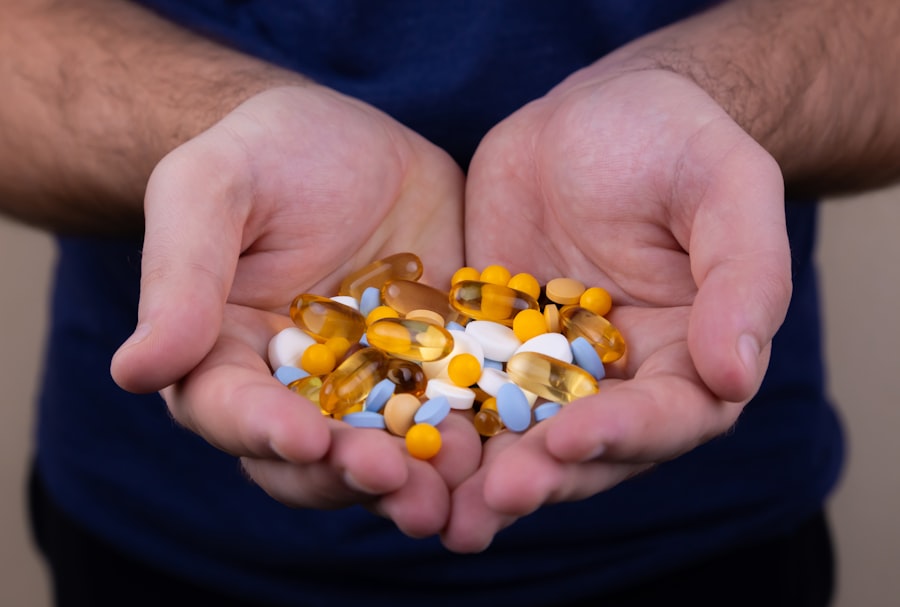
As these chronic conditions become more prevalent, the demand for pharmaceutical interventions to manage them skyrockets. This is where the food industry’s indirect influence morphs into a direct driver of medicine demand.
The Pill for Every Ill: A Symptomatic Approach
Once your body succumbs to the pressures of a diet rich in processed foods, you are often presented with a pharmaceutical solution. Instead of addressing the dietary root cause, the medical system, often influenced by the pharmaceutical industry’s offerings, tends to treat the symptoms.
Antihypertensives: Managing the Pressure, Not the Sodium
If your blood pressure has risen due to years of high sodium intake, you may be prescribed antihypertensive medications. These drugs effectively lower your blood pressure, but they do not address the inherent issue of excessive sodium consumption. You are left reliant on a pill to counteract the effects of your dietary choices.
Statins and Blood Thinners: Counteracting the Consequences of Unhealthy Fats
For elevated cholesterol and the risk of blood clots stemming from a diet high in saturated and trans fats, statins and blood thinners are commonly prescribed. These medications aim to manage the downstream effects of poor dietary choices, offering a protective shield against heart attack and stroke, but again, without directly tackling the dietary origins of the problem.
Diabetes Medications: A Chemical Crutch for Metabolic Dysfunction
For individuals with Type 2 Diabetes, a range of medications exist to help regulate blood glucose levels. These can include metformin, insulin injections, and other agents. While these are vital for managing the condition and preventing acute complications, they essentially act as a chemical crutch, compensating for the body’s inability to effectively manage glucose due to years of dietary stress.
The Pharmaceutical-Food Industry Symbiosis: A Lucrative Partnership
It is crucial to recognize the symbiotic relationship that has emerged between the food industry and the pharmaceutical industry. One creates the conditions that necessitate the other’s intervention, fostering a cycle of consumption and treatment that is immensely profitable for both.
The Marketing Machine: A Shared Battlefield of Persuasion
Both industries employ sophisticated marketing strategies to reach you. The food industry tantalizes you with irresistible flavors and convenient options, while the pharmaceutical industry offers promises of relief and management for the conditions that arise. Their marketing campaigns often operate in parallel, subtly shaping your perceptions of health and your willingness to engage with their respective products.
Research Funding and Influence: Guiding the Narrative
The vast sums of money exchanged between these industries can influence the direction of scientific research and public health discourse. Research funded by the food industry may focus on the benefits of specific ingredients or product formulations, while pharmaceutical funding can shape the research priorities and the dissemination of findings related to specific diseases. This can create a landscape where the most profitable solutions are prioritized, even if they are not the most holistic or preventative.
The Cost of Convenience: A Debt Paid in Health

You are often drawn to the food industry’s offerings by the siren song of convenience and affordability. However, this short-term gain often comes at a significant long-term cost to your health, a debt that is eventually paid, in part, through the demand for medicine.
Time Poverty and the Appeal of Processed Foods
In today’s fast-paced world, you may feel time-poor. The convenience of ready-to-eat meals, pre-packaged snacks, and fast food makes them an attractive option when time is scarce. The food industry capitalizes on this “time poverty” by offering products that require minimal preparation, reinforcing the cycle of reliance.
The Erosion of Culinary Skills: A Lost Art
As convenience foods become the norm, traditional cooking skills may atrophy. The ability to plan, shop for, and prepare wholesome meals from scratch becomes a lost art for many. This further entrenches your dependence on processed options and a less healthy dietary pattern.
The Perceived Affordability: A Short-Sighted Calculation
While processed foods may appear cheaper on the surface, a closer examination of their impact on your long-term health reveals a different story. The cost of managing chronic diseases, including medication, doctor’s visits, and lost productivity, far outweighs the initial savings on convenience foods. You are, in effect, mortgaging your future health for present-day ease.
The intricate relationship between the food industry and the demand for medicine is a topic that has garnered significant attention in recent years. As processed foods become more prevalent, the rise in lifestyle-related health issues has led to an increased reliance on pharmaceuticals. For a deeper understanding of this connection, you can explore an insightful article that discusses how marketing strategies in the food sector contribute to health problems and subsequently fuel the pharmaceutical market. This article can be found here, providing valuable insights into the dynamics at play.
Navigating the Labyrinth: Empowering Your Choices
| Food Industry Strategy | Impact on Medicine Demand |
|---|---|
| Highly Processed Foods | Contributes to obesity and related health issues, increasing demand for weight loss medications and treatments |
| Excessive Sugar and Salt | Linked to diabetes, hypertension, and heart disease, leading to higher demand for medications to manage these conditions |
| Artificial Additives and Preservatives | May cause allergic reactions and other health problems, resulting in increased need for allergy medications and treatments |
| Unhealthy Marketing Tactics | Promotion of unhealthy foods can contribute to poor dietary choices and subsequent need for medications to manage resulting health issues |
Understanding the intricate ways the food industry influences your demand for medicine is the first step toward reclaiming control over your health. You are not simply a passive recipient of these influences; you are an active participant with the power to make informed choices.
Reclaiming Your Kitchen: The Power of Home Cooking
Re-engaging with your kitchen and learning to prepare meals from whole ingredients is a revolutionary act in the face of processed food dominance. It empowers you to control the quality of your food, the balance of nutrients, and the absence of harmful additives.
Rediscovering Whole Foods: Nature’s Pharmacy
Focusing on whole, unprocessed foods – fruits, vegetables, lean proteins, whole grains, and healthy fats – provides your body with the essential building blocks it needs to thrive. These foods, in their natural state, are rich in vitamins, minerals, fiber, and antioxidants that actively protect your body and reduce the need for pharmaceutical interventions.
The Mindfulness of Eating: Connecting with Your Body’s Needs
Practicing mindful eating involves paying attention to your hunger and satiety cues, savoring your food, and understanding the impact of your choices on your well-being. This shift from mindless consumption to conscious engagement can help you break free from the addictive cycles promoted by the food industry.
Advocating for Change: A Collective Responsibility
Your individual choices are powerful, but systemic change is also crucial. Advocating for policies that promote healthier food environments, support sustainable agriculture, and encourage greater transparency in food labeling can create a ripple effect that benefits everyone. You have a voice, and by using it, you can contribute to a future where nourishment is genuinely aligned with health. The food industry’s role in driving medicine demand is a complex and often disheartening reality, but by understanding its mechanisms and empowering your own choices, you can begin to rewrite the narrative of your health.
FAQs
What is the relationship between the food industry and the demand for medicine?
The food industry plays a significant role in creating demand for medicine by producing and promoting unhealthy, processed foods that contribute to chronic health conditions such as obesity, diabetes, and heart disease.
How does the food industry influence consumer behavior towards medicine?
The food industry uses marketing tactics to promote unhealthy foods, leading consumers to develop poor dietary habits that can result in health issues. This, in turn, creates a demand for medicine to manage or treat these conditions.
What are some examples of how the food industry creates demand for medicine?
Examples of how the food industry creates demand for medicine include promoting sugary beverages, high-fat and high-sodium processed foods, and misleading advertising that downplays the negative health effects of certain products.
What impact does the food industry’s influence have on public health?
The food industry’s influence contributes to the rise in chronic health conditions, leading to increased healthcare costs and a higher demand for medicine to manage these conditions. This has a significant impact on public health and well-being.
What can be done to address the issue of the food industry creating demand for medicine?
Addressing this issue requires a multi-faceted approach, including implementing stricter regulations on food marketing, promoting education about healthy eating habits, and encouraging the food industry to produce and promote healthier food options.