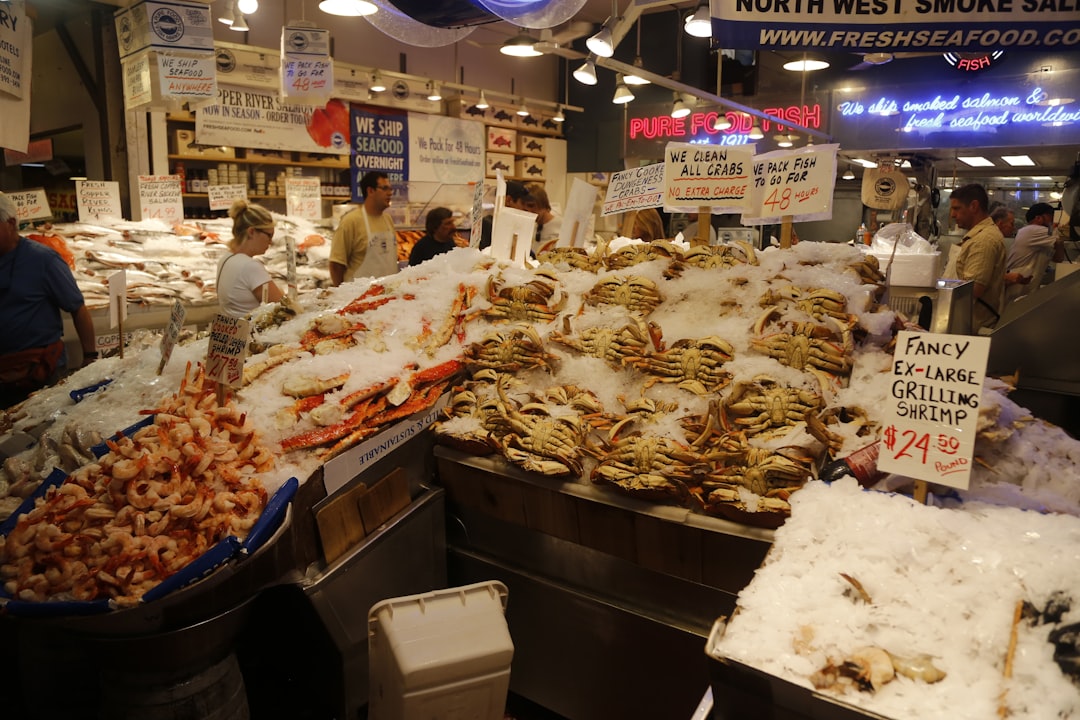
Ensuring Sustainable Seafood: Vessel Traceability
The global demand for seafood continues to rise, presenting a complex challenge for ensuring the sustainability of marine ecosystems and the livelihoods that depend on them. For consumers, the journey from ocean to plate is often opaque, making it difficult to discern the origin and fishing practices behind the seafood they purchase. Vessel traceability, a system that meticulously tracks seafood from the point of capture to the consumer, emerges as a critical tool in illuminating this journey. It acts as a compass, guiding us through the labyrinth of the seafood supply chain, providing clarity and accountability. You can learn more about the issue of shrimp slavery in this informative video.
Understanding the importance of vessel traceability requires a deep dive into the intricacies of modern fishing operations and the pervasive issues of illegal, unreported, and unregulated (IUU) fishing. Without robust systems to track vessels, the integrity of the entire seafood market is compromised, and efforts to manage fish stocks sustainably are undermined. This article will explore the multifaceted role of vessel traceability in fostering a more responsible and transparent seafood industry.
The allure of easily accessible, low-cost seafood often masks a darker reality: the pervasive threat of illegal, unreported, and unregulated (IUU) fishing. This clandestine operation, operating beyond the reach of national and international regulations, is not merely a nuisance; it is a cancerous growth that erodes the very foundations of sustainable fisheries management.
What Constitutes IUU Fishing?
IUU fishing encompasses a broad range of nefarious activities that flout established rules. It is the wild west of the seas, where predators roam unchecked, decimating fish populations with impunity.
Illegal Fishing Operations
This category includes fishing activities conducted in areas where fishing is prohibited, by vessels without a valid license, or by using prohibited fishing methods. It’s akin to entering a restricted zone without permission, causing significant damage.
Unreported Catches
Vessels engaging in IUU fishing often fail to report their catches to relevant authorities. This deliberate omission creates blind spots in data collection, making it impossible to accurately assess the health of fish stocks. Without these crucial data points, it is like trying to navigate a ship without a chart.
Unregulated Fishing Practices
This refers to fishing activities that occur in areas or by stocks for which conservation and management measures do not exist and where such activities are therefore not regulated. It is a free-for-all, where the long-term consequences are disregarded for immediate gain.
The Economic and Ecological Ramifications
The impact of IUU fishing extends far beyond the immediate act of illicitly plundering the oceans. It creates a domino effect, with devastating consequences for both the economy and the environment.
Economic Losses for Legitimate Fishers
Honest fishers, operating within the bounds of the law, are directly disadvantaged by the unfair competition posed by IUU operators. Their hard-earned catches are devalued, and their livelihoods are jeopardized. It’s a case of the honest craftsman being undercut by the charlatan.
Disruption of Market Stability
The influx of illegally caught seafood into the market distorts prices and creates an uneven playing field. This unpredictability makes it challenging for businesses to plan and invest in sustainable practices.
Depletion of Fish Stocks
Perhaps the most dire consequence is the accelerated depletion of fish populations. IUU fishing often targets vulnerable species and employs destructive methods, pushing already stressed ecosystems to the brink of collapse. This is like sawing off the branch you’re sitting on.
Environmental Degradation
Beyond fish populations, IUU fishing can cause significant damage to marine habitats. The use of illegal gear, such as dynamite or cyanide, can obliterate coral reefs and other vital ecosystems, destroying the nurseries for future generations of marine life.
Vessel traceability in the seafood industry is becoming increasingly important for ensuring sustainable fishing practices and combating illegal fishing activities. A related article that delves into the significance of this issue can be found at Hey Did You Know This, which explores various aspects of seafood traceability and its impact on both the environment and consumer choices. This resource provides valuable insights into how tracking the origins of seafood can promote transparency and accountability within the supply chain.
The Cornerstone of Accountability: Vessel Identification Systems
At the heart of any robust traceability system lies the ability to definitively identify each vessel operating within a fishery. This is not a matter of casual observation; it requires a systematic and standardized approach to ensure that every vessel is accounted for, every action logged. Without clear identification, any attempt at accountability crumbles like a sandcastle against the tide.
Unique Vessel Identifiers: The Digital Fingerprints of Ships
Just as individuals have unique fingerprints, vessels require distinct identifiers to distinguish them from one another. These identifiers serve as the foundation for all subsequent tracking and data collection.
International Maritime Organization (IMO) Numbers
The IMO number is a permanent, unchangeable seven-digit number assigned to ships by a classification society. It is analogous to a social security number for vessels, ensuring a lifelong, unique identification.
National Vessel Registration Numbers
Each nation maintains its own registry of fishing vessels, assigning unique registration numbers that are specific to its jurisdiction. These numbers provide a primary layer of identification within a national context.
Lloyd’s Register and Other Classification Societies
These private organizations play a crucial role in assigning and maintaining vessel identification numbers, often working in conjunction with international and national bodies. They act as custodians of these crucial identifiers.
The Importance of Standardization and Interoperability
For vessel traceability to be truly effective, the identification systems must be standardized globally and capable of interoperating across different jurisdictions and platforms. A patchwork of inconsistent identifiers would be as useful as speaking in a multitude of unrelated tongues.
Global Data Exchange Standards
Developing and adopting common data formats and protocols for vessel identification is essential for seamless information sharing between different countries and organizations. This allows for a universal language of identification.
Inter-Agency Cooperation
Effective vessel identification requires collaboration between various government agencies, international organizations, and industry stakeholders. This coordinated effort ensures that no vessel slips through the cracks.
Blockchain Technology and its Potential Role
Emerging technologies like blockchain offer promising avenues for secure and transparent record-keeping of vessel information. Blockchain’s immutable ledger can provide an unassailable record of vessel identities and their associated data.
Navigating the Supply Chain: From Net to Nibble
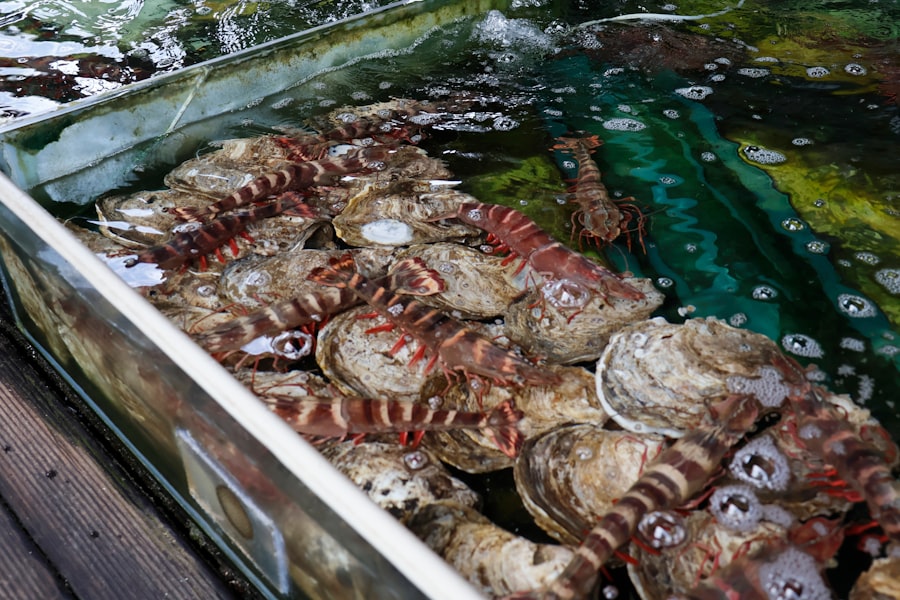
The journey of seafood from the ocean to the consumer’s plate is a complex network of intermediaries, each with their own role in the supply chain. Vessel traceability aims to illuminate this journey, ensuring that the origin and handling of seafood are transparent at every step. Without this transparency, the trustworthiness of the entire chain is called into question.
Capturing the Data: Onboard Monitoring Systems
The initial point of data capture is crucial. Robust systems on board fishing vessels are the first line of defense in establishing a verifiable record of seafood origin.
Electronic Monitoring Systems (EMS)
EMS utilize cameras, sensors, and data logging devices to record fishing activities, catch details, and even vessel movements. These systems provide an objective and continuous stream of information.
Onboard Logbooks (Paper and Electronic)
Traditional logbooks, now increasingly electronic, serve as essential tools for recording catch details, fishing effort, and operational information. They are the foundational narratives of each fishing trip.
Vessel Monitoring Systems (VMS)
VMS track a vessel’s geographical position, speed, and course using satellite technology. This passive tracking provides essential context for fishing activities and helps to identify areas of operation.
The Interconnected Web: Processing and Distribution
Once seafood leaves the vessel, it enters a complex web of processing plants, wholesalers, and distributors. Traceability systems must extend to encompass these stages to maintain the integrity of the information.
Processing Plant Data Integration
Information regarding the species, quantity, and origin of incoming catches must be accurately logged and integrated into the traceability system at processing facilities. This is where raw ingredients are transformed and their provenance must be preserved.
Distributor and Wholesaler Record-Keeping
Each intermediary in the supply chain has a responsibility to maintain accurate records of the seafood they handle, including its source and destination. They are the links in the chain, and each link must be sound.
Retailer and Consumer Facing Information
Ultimately, the goal is to provide consumers with the information they need to make informed choices. This can range from labels on packaging to digital platforms accessible via smartphones. This is the end of the line, where the consumer seeks reassurance.
Technology as the Guiding Star: Tools for Enhanced Traceability
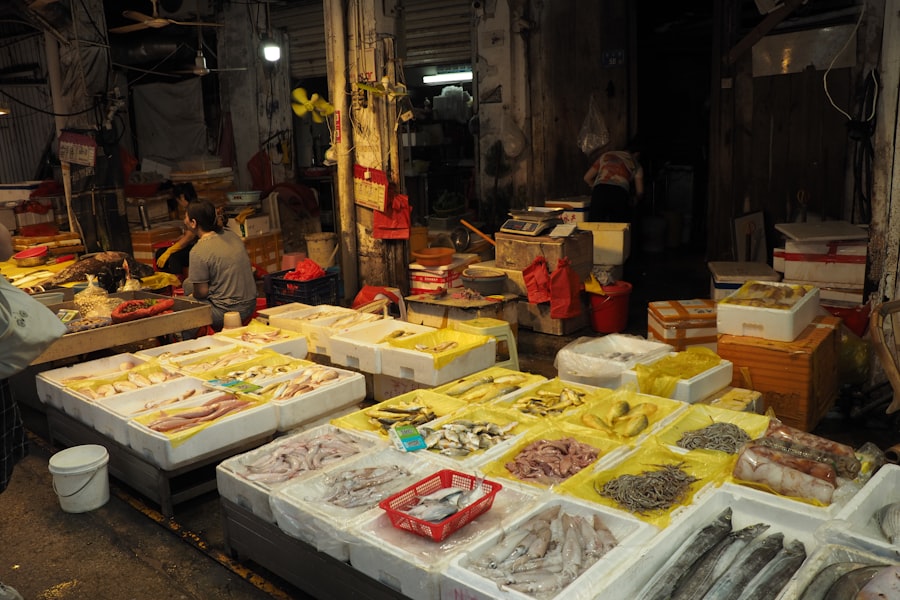
The advancement of technology has been instrumental in developing and enhancing vessel traceability systems. These tools act as powerful spotlights, cutting through the fog of opacity that has long characterized the seafood supply chain.
Satellite Technology: Eyes in the Sky
Satellite technology offers an unparalleled ability to monitor vessel movements and ensure compliance with fishing regulations, acting as persistent sentinels.
Vessel Monitoring Systems (VMS) Revisited
As mentioned earlier, VMS leverage satellite technology to provide real-time location data, crucial for tracking fishing activities and detecting unauthorized operations.
Automatic Identification System (AIS)
AIS transponders broadcast a vessel’s identity, position, and course, which can be tracked by satellites and shore-based receivers. This provides a publicly accessible layer of vessel tracking.
Digital Platforms and Data Management
The sheer volume of data generated by traceability systems requires sophisticated digital platforms for storage, analysis, and dissemination. These platforms are the central nervous system of traceability.
Cloud-Based Traceability Software
Cloud solutions allow for scalable and accessible data management, enabling stakeholders to access and share information securely from anywhere in the world.
Blockchain for Supply Chain Integrity
The inherent security and immutability of blockchain technology are being explored to create tamper-proof records of seafood transactions, building trust from the ground up.
Data Analytics and Artificial Intelligence (AI)
Advanced analytics and AI can be used to identify patterns, detect anomalies, and predict potential risks within the seafood supply chain, acting as an early warning system.
Vessel traceability in the seafood industry has become increasingly important for ensuring sustainability and ethical sourcing. A recent article highlights the various methods being implemented to track fishing vessels and their catches, which can significantly impact consumer trust and environmental conservation. For more insights on this topic, you can read the full article here. By enhancing transparency in the supply chain, stakeholders can work together to promote responsible fishing practices and protect marine ecosystems.
The Promise of Transparency: Benefits for All Stakeholders
| Metric | Description | Unit | Example Value |
|---|---|---|---|
| Vessel ID | Unique identifier assigned to each fishing vessel | Alphanumeric | VSL12345 |
| Catch Date | Date when the seafood was caught | YYYY-MM-DD | 2024-05-15 |
| Fishing Location | Geographical coordinates or region where fishing occurred | Latitude, Longitude | 34.0522° N, 118.2437° W |
| Species Caught | Type of seafood species caught by the vessel | Common Name | Atlantic Cod |
| Catch Weight | Total weight of seafood caught per trip | Kilograms (kg) | 1500 |
| Trip Duration | Length of fishing trip from departure to return | Days | 7 |
| Vessel Owner | Name of the vessel owner or company | Text | Oceanic Fisheries Ltd. |
| Traceability System Used | Type of technology or system used for tracking | Text | GPS + Blockchain |
| Compliance Status | Indicates if vessel complies with regulations | Boolean | True |
The implementation of robust vessel traceability systems yields a cascade of benefits, positively impacting every entity involved in the seafood ecosystem, from the smallest fishing community to the global consumer market. It is not merely a regulatory burden; it is an investment in a healthier planet and a fairer economy.
Empowering Consumers: Informed Choices at the Checkout
For the end consumer, traceability is the key to unlocking informed purchasing decisions. It transforms the act of buying seafood from a blind gamble into a conscious choice.
Confidence in Product Origin and Quality
Consumers can be assured of the provenance of their seafood, reducing concerns about mislabeling, fraud, or ethically questionable fishing practices. This fosters a deeper connection with the food they consume.
Support for Sustainable Fishing Practices
By choosing traceable seafood, consumers actively support fishers and companies committed to responsible and sustainable methods, voting with their wallets for a healthier future.
Increased Food Safety and Security
Traceability allows for rapid identification and recall of seafood in the event of contamination or safety concerns, safeguarding public health. It acts as a swift and precise recall mechanism.
Strengthening Fisheries Management: Data-Driven Decisions
For fisheries managers, vessel traceability provides the granular data necessary for effective decision-making and sustainable stock management. It transforms guesswork into informed strategy.
Improved Stock Assessment and Monitoring
Accurate catch data, linked to specific vessels and fishing activities, allows for more precise assessments of fish stock health and population dynamics. This is the bedrock of scientific management.
Enhanced Enforcement and Compliance
Traceability systems make it easier to detect and deter illegal fishing activities, ensuring that regulations are upheld and that legitimate fishers face fair competition. It acts as a deterrent to malfeasance.
Targeted Conservation Efforts
By understanding where and how fishing occurs, managers can implement more targeted and effective conservation measures to protect vulnerable species and habitats. It allows for precision in conservation.
Boosting Market Access and Value: A Competitive Edge
For businesses in the seafood industry, traceability can be a significant market differentiator, opening doors to new opportunities and enhancing their brand reputation. It is the stamp of excellence that commands respect.
Access to Premium Markets
Consumers and retailers increasingly demand traceable and sustainably sourced seafood, creating a premium market for businesses that can provide this assurance. It opens the door to discerning buyers.
Reduced Risk of Fraud and Mislabeling
Robust traceability systems help to prevent seafood fraud, protecting businesses from reputational damage and legal repercussions. It acts as an insurance policy against deception.
Improved Supply Chain Efficiency
By providing clear insights into the movement of seafood, traceability can help to optimize supply chain logistics and reduce waste. It streamlines the flow of goods.
In conclusion, vessel traceability is not simply a technological solution; it is a paradigm shift in how the seafood industry operates. It is the bedrock upon which a sustainable and responsible seafood future can be built. By shedding light on the journey from ocean to plate, it empowers consumers, strengthens management, and rewards those who are committed to the health of our oceans. The commitment to traceability is a commitment to a future where the bounty of the sea can be enjoyed by generations to come, not as a fleeting luxury, but as a sustainable resource.
FAQs
What is vessel traceability in the seafood industry?
Vessel traceability refers to the process of tracking and documenting the origin, movement, and activities of fishing vessels involved in seafood harvesting. It ensures transparency and accountability from the point of catch to the final consumer.
Why is vessel traceability important for seafood sustainability?
Vessel traceability helps prevent illegal, unreported, and unregulated (IUU) fishing by verifying that seafood is sourced legally and sustainably. It supports responsible fishing practices, protects marine ecosystems, and promotes consumer confidence in seafood products.
How is vessel traceability implemented in the seafood supply chain?
Traceability is implemented through technologies such as GPS tracking, electronic logbooks, and vessel monitoring systems (VMS). These tools record vessel locations, catch data, and fishing methods, which are then shared with regulatory authorities and supply chain partners.
What regulations support vessel traceability in seafood harvesting?
Many countries and international bodies have regulations requiring vessel traceability, such as the European Union’s IUU Regulation and the U.S. Seafood Import Monitoring Program (SIMP). These rules mandate documentation and reporting to ensure seafood legality and traceability.
How does vessel traceability benefit consumers?
Consumers benefit from vessel traceability by gaining assurance that the seafood they purchase is legally caught, sustainably sourced, and safe to eat. It also enables informed choices and supports ethical seafood markets.