
You stand at the crossroads of culinary choice, a universe of fats and oils swirling before you. In one corner, a spectrum of oils derived from seeds – sunflower, canola, soybean, safflower. In the other, the liquid gold of the Mediterranean, olive oil. While both serve functional purposes in your kitchen, a deeper dive reveals that olive oil possesses a distinct set of advantages, making it a superior choice for your health and your palate. This article will explore five key reasons why olive oil often trumps its seed oil counterparts, examining its nutritional profile, culinary versatility, and physiological impacts.
When you consider the fats that fuel your body, the type matters. Olive oil, particularly extra virgin olive oil, is celebrated for its exceptional fatty acid composition, a cornerstone of its health benefits. This isn’t just a matter of preference; it’s a scientifically supported distinction.
The Monounsaturated Fat Advantage
The primary fat constituent in olive oil is oleic acid, a monounsaturated fatty acid (MUFA). MUFAs are considered “healthy fats” because they can help reduce LDL (low-density lipoprotein) cholesterol, often referred to as “bad” cholesterol, and increase HDL (high-density lipoprotein) cholesterol, the “good” cholesterol. Think of LDL as sticky debris that can clog the arteries, while HDL acts as a diligent street sweeper, clearing that debris away. The abundance of oleic acid in olive oil acts as a powerful agent in maintaining a healthy cardiovascular system.
The Role of Monounsaturated Fats in Heart Health
This emphasis on MUFAs is not theoretical. Numerous studies have linked a diet rich in monounsaturated fats to a reduced risk of heart disease. By positively influencing cholesterol levels, olive oil contributes to a more resilient and efficient circulatory system. It’s like fortifying the walls of your internal plumbing system, making it less susceptible to damage over time.
The Lesser Evil of Omega-6 Fatty Acids
Seed oils, on the other hand, are often characterized by a high concentration of polyunsaturated fatty acids (PUFAs), primarily omega-6. While omega-6 fatty acids are essential for bodily functions, including cell membrane structure and hormone production, an imbalance between omega-6 and omega-3 fatty acids can promote inflammation. The typical Western diet leans heavily towards omega-6, creating an inflammatory environment within the body. Olive oil, in contrast, has a significantly lower proportion of omega-6 fatty acids, contributing to a more balanced inflammatory response.
The Inflammatory Equation: Omega-6 vs. Omega-3
The ideal ratio of omega-6 to omega-3 fatty acids is a delicate dance. When the scales are tipped too far towards omega-6, your body can become like a dry forest susceptible to wildfire – easily ignited and difficult to control. Olive oil, by its nature, helps to rebalance this ratio, acting as a natural buffer against excessive inflammation.
Saturated Fat Content: A Measured Approach
While olive oil is predominantly monounsaturated, it does contain some saturated fat. However, the percentage of saturated fat in olive oil is relatively low compared to some other fats and oils. The key is moderation and context. Saturated fats have been a subject of much debate, but current research suggests that the type of saturated fat and the overall dietary pattern are more significant than isolated amounts. Olive oil’s saturated fat content is generally considered acceptable within a healthy dietary framework, especially when contrasted with the pro-inflammatory potential of imbalanced PUFA profiles found in many seed oils.
Recent discussions around cooking oils have highlighted the benefits of olive oil over seed oils, particularly in terms of health and flavor. A related article that delves deeper into this topic can be found at Hey Did You Know This, where it explores the nutritional advantages of olive oil, including its rich content of monounsaturated fats and antioxidants. This article provides valuable insights into why choosing olive oil can be a healthier option for your cooking needs.
Antioxidant Protection: Olive Oil as a Cellular Guardian
Beyond its fatty acid composition, olive oil is a treasure trove of polyphenols, potent antioxidants that play a crucial role in protecting your cells from damage. This is a significant differentiator from most seed oils, which lack this antioxidant bounty.
The Power of Polyphenols
Polyphenols are naturally occurring compounds found in plants that exhibit antioxidant and anti-inflammatory properties. Olive oil, especially extra virgin varieties, is particularly rich in these compounds, including oleocanthal, oleuropein, and hydroxytyrosol. These molecules act like microscopic bodyguards, neutralizing harmful free radicals that can damage DNA and contribute to chronic diseases.
Oleocanthal: An Anti-Inflammatory Marvel
Oleocanthal, in particular, has garnered significant scientific attention for its ibuprofen-like anti-inflammatory effects. It’s believed to work by inhibiting certain enzymes involved in inflammation. This means that by incorporating olive oil into your diet, you may be naturally helping to quell inflammation at a cellular level.
Hydroxytyrosol: A Free Radical Scavenger
Hydroxytyrosol is another potent polyphenol found in olive oil, known for its exceptional ability to scavenge free radicals. This action helps to protect your cells from oxidative stress, a process implicated in aging and the development of various diseases. Think of hydroxytyrosol as a high-powered vacuum cleaner, diligently removing the cellular debris that can accumulate and cause harm.
Comparison with Seed Oils: A Stark Contrast
While some seed oils might contain trace amounts of antioxidants, they pale in comparison to the rich phenolic profile of high-quality olive oil. This disparity means that opting for olive oil provides a more significant and direct contribution to your body’s antioxidant defense system. It’s like choosing a well-armed patrol car over a single security guard when facing a potential threat.
Culinary Versatility: Olive Oil’s Superior Performance in the Kitchen
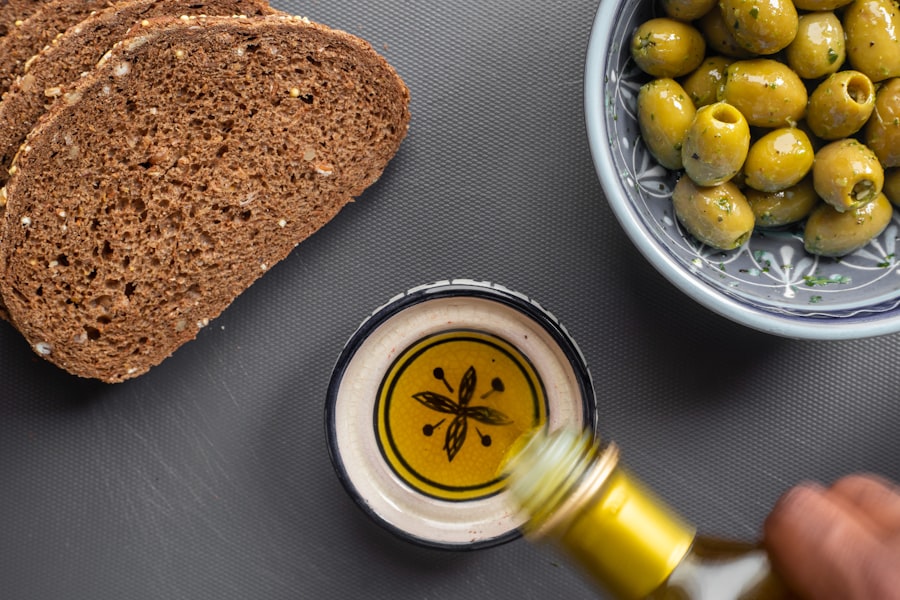
Beyond its nutritional merits, olive oil shines in its culinary adaptability. Its flavor profile and stability make it a preferred choice for a wide array of cooking applications.
Stability Under Heat: A Reliable Performer
One of the key concerns when cooking with oils is their stability at high temperatures. Oils with lower smoke points can break down, producing harmful compounds and unappealing flavors. Olive oil, particularly extra virgin olive oil, exhibits remarkable stability.
The Smoke Point Debate: Understanding the Nuances
While the smoke point of extra virgin olive oil is often cited as being lower than refined oils, its actual performance in cooking is more nuanced. The high concentration of monounsaturated fats and antioxidants in olive oil makes it more resistant to oxidation and degradation when heated. This means it can withstand moderate-to-high cooking temperatures without significantly compromising its integrity or nutritional value. You can sauté, roast, and even gently fry with olive oil, confident in its ability to perform.
Refined Oils vs. Unrefined: A Matter of Choice
It’s important to distinguish between extra virgin olive oil and refined olive oils. Refined olive oils have undergone processing, which can increase their smoke point but also strips them of some of their beneficial antioxidants and flavor. For most everyday cooking purposes, extra virgin olive oil offers a superior combination of health benefits and culinary performance.
Flavor Profile: Elevating Your Dishes
The taste of the oil you use significantly impacts the final dish. Olive oil boasts a complex and nuanced flavor profile that can range from fruity and peppery to buttery and mild, depending on the varietal and origin. This natural flavor enhances your food, adding depth and character.
The Nuances of Different Olive Oil Varieties
Exploring the world of olive oils is like discovering a palette of flavors. Different olive varietals, harvesting times, and processing methods result in oils with distinct taste characteristics. This allows you to choose an olive oil that complements specific cuisines and ingredients, turning a simple meal into a culinary experience.
The Blandness of Seed Oils: A Functional, Not Flavorful, Choice
In stark contrast, most seed oils are highly refined and possess a neutral or even bland flavor. While this might be desirable in some industrial food production where a neutral base is needed, it offers little to no contribution to the taste of your home-cooked meals. You are essentially adding fat without adding flavor, a missed opportunity for culinary enhancement.
Emulsifying and Dressing applications: A Smooth Operator
Olive oil is an excellent emulsifier, meaning it can help bind oil and water-based ingredients together. This makes it perfect for salad dressings, mayonnaise, and sauces, creating smooth and stable mixtures. Seed oils can also emulsify, but the enhanced flavor of olive oil adds an extra dimension to these applications.
Reduced Omega-6 Load: A Pathway to Less Inflammation

As touched upon earlier, the significantly lower omega-6 content in olive oil compared to many seed oils is a critical factor for your long-term health. This reduction in dietary omega-6 is a proactive step towards mitigating chronic inflammation.
The Chronic Inflammation Epidemic
Chronic inflammation is a silent contributor to a vast array of modern diseases, including heart disease, cancer, diabetes, and autoimmune disorders. While some inflammation is a necessary part of your body’s defense and repair mechanisms, an overabundance of pro-inflammatory signals can wreak havoc on your systems.
Dietary Triggers of Inflammation
The modern diet, heavily reliant on processed foods and high in omega-6-rich seed oils, has been identified as a major dietary trigger for chronic inflammation. This creates a constant low-grade inflammatory state that can simmer beneath the surface, leading to cellular damage and disease over time.
Olive Oil as an Anti-Inflammatory Ally
By choosing olive oil over seed oils, you are actively reducing your intake of omega-6 fatty acids. This shift helps to rebalance the omega-6 to omega-3 ratio, promoting a more anti-inflammatory environment within your body. It’s like turning down the volume on the body’s internal alarm system.
The Synergistic Effect of Nutrients
The anti-inflammatory benefits of olive oil are further amplified by its synergistic combination of healthy fats and antioxidants. The polyphenols work in concert with the monounsaturated fats to combat inflammation, creating a powerful protective duo.
Recent discussions have highlighted the health benefits of olive oil compared to seed oils, emphasizing its superior nutritional profile and potential anti-inflammatory properties. For those interested in exploring this topic further, a related article provides an in-depth analysis of why olive oil is often considered the healthier choice. You can read more about it in this insightful piece here. This comparison sheds light on the importance of choosing the right fats for a balanced diet.
A Richer Flavor Profile: Enhancing Your Culinary Creations
| Metric | Olive Oil | Seed Oils | Why Olive Oil is Better |
|---|---|---|---|
| Type of Fat | High in monounsaturated fats (oleic acid ~70-80%) | High in polyunsaturated fats (omega-6 fatty acids) | Monounsaturated fats are more stable and heart-healthy; seed oils have excessive omega-6 which can promote inflammation |
| Oxidative Stability | High oxidative stability, resistant to heat and oxidation | Lower oxidative stability, prone to oxidation when heated | Olive oil is less likely to form harmful oxidation products during cooking |
| Antioxidant Content | Rich in antioxidants like polyphenols and vitamin E | Lower antioxidant content | Antioxidants in olive oil help reduce oxidative stress and inflammation |
| Inflammation Impact | Anti-inflammatory properties | May promote inflammation due to high omega-6 content | Olive oil supports reduced chronic inflammation, beneficial for heart and overall health |
| Processing | Often cold-pressed and minimally processed (extra virgin) | Often highly refined and chemically processed | Less processing preserves nutrients and natural compounds in olive oil |
| Heart Health | Proven to improve cholesterol levels and reduce heart disease risk | Mixed evidence; excessive omega-6 may negatively affect heart health | Olive oil is widely recommended for cardiovascular benefits |
The distinctive flavor of olive oil is not merely an aesthetic pleasure; it’s a functional benefit that elevates your cooking and dining experience.
Beyond Acquired Taste: A Natural Depth of Flavor
Unlike some processed foods or refined ingredients that require an acquired taste, the flavor of good quality olive oil is inherently pleasing. It adds a layer of complexity and richness to dishes that would otherwise be flat or uninspired.
From Simple Salads to Elaborate Dishes
A drizzle of extra virgin olive oil can transform a simple salad into a gourmet experience. It complements roasted vegetables, grilled meats, and even baked goods, adding a subtle but significant enhancement. When you use olive oil, you’re not just adding fat; you’re adding a culinary signature.
The Absence of Flavor in Seed Oils: A Blank Canvas
As previously mentioned, the neutral flavor of most seed oils makes them a functional ingredient rather than a flavor enhancer. They perform their task of providing fat but contribute little to the sensory appeal of your food. Think of them as the background wallpaper of your kitchen – present but unremarkable.
The Role of Processing in Flavor Neutrality
The high degree of processing that many seed oils undergo during their extraction and refinement significantly strips them of their natural flavors and aromas. This is a deliberate process in industrial food production to ensure consistency and avoid interfering with the taste of other ingredients. However, for the home cook seeking to impart flavor, this neutrality is a distinct disadvantage.
A Sensory Experience: More Than Just Nutrition
The enjoyment of food is a multi-sensory experience. The aroma, taste, and texture all contribute to our satisfaction. Olive oil, with its distinct aromas and flavors, engages these senses in a way that bland seed oils cannot. It makes cooking and eating a more pleasurable and rewarding activity.
A Sustainable and Traditional Choice: Rooted in History and Ecosystems
Beyond the immediate nutritional and culinary advantages, olive oil holds a significant place in history and sustainable agriculture, a contrast to the often industrial production of seed oils.
A Time-Honored Tradition
Olive oil has been a staple of the Mediterranean diet for thousands of years. Its cultivation and production are deeply embedded in the cultural fabric and agricultural practices of many regions. This long history speaks to its enduring value and efficacy.
The Mediterranean Diet: A Blueprint for Health
The Mediterranean diet, characterized by its emphasis on olive oil, fruits, vegetables, whole grains, and lean proteins, is renowned for its health benefits. Olive oil is not merely an ingredient within this diet; it is a foundational pillar that contributes significantly to its overall health-promoting properties.
Environmental Considerations: A More Earth-Conscious Option
While the sustainability of any agricultural product is complex, olive oil production, particularly from traditional groves, can be more environmentally friendly than some large-scale industrial seed oil operations. Traditional olive groves often support biodiversity and can be managed with less reliance on intensive agricultural practices.
The Impact of Mono-cropping in Seed Oil Production
The large-scale cultivation of certain oilseed crops can contribute to the issues associated with mono-cropping, such as soil depletion, increased pesticide use, and reduced biodiversity. This industrial approach often prioritizes yield over ecological balance.
Supporting Local Economies and Traditional Practices
Choosing olive oil, especially from artisanal producers, can also support local economies and preserve traditional farming methods. This connection to the source of your food can be both ethically and culinarily rewarding.
In conclusion, when you weigh the evidence, the argument for olive oil as a superior culinary fat becomes clear. Its robust nutritional profile, rich in monounsaturated fats and protective antioxidants, positions it as a key player in promoting heart health and combating inflammation. Its exceptional stability at cooking temperatures and its captivating flavor profile elevate your culinary endeavors, transforming everyday meals into delightful experiences. Furthermore, its historical significance and more sustainable production practices offer a conscientious choice for the modern consumer. Therefore, when you reach for the oil bottle, consider the profound differences and make the choice that nourishes your body and enriches your plate: the liquid gold of olive oil.
FAQs
1. What makes olive oil healthier than seed oils?
Olive oil is rich in monounsaturated fats, particularly oleic acid, which is linked to heart health benefits. It also contains antioxidants and anti-inflammatory compounds that are less prevalent in many seed oils.
2. Are seed oils harmful compared to olive oil?
Seed oils often contain higher levels of polyunsaturated fats, which can oxidize easily when heated, potentially leading to harmful compounds. Olive oil, especially extra virgin, is more stable and less prone to oxidation.
3. Does olive oil have a better nutritional profile than seed oils?
Yes, olive oil generally has a better balance of healthy fats and contains beneficial antioxidants like vitamin E and polyphenols, which contribute to its health benefits.
4. Can olive oil be used for cooking instead of seed oils?
Yes, olive oil, particularly extra virgin olive oil, is suitable for most cooking methods, including sautéing and roasting, due to its relatively high smoke point and stability.
5. Is olive oil better for heart health than seed oils?
Research suggests that olive oil, especially extra virgin, supports heart health by improving cholesterol levels and reducing inflammation, whereas some seed oils may not offer the same cardiovascular benefits.