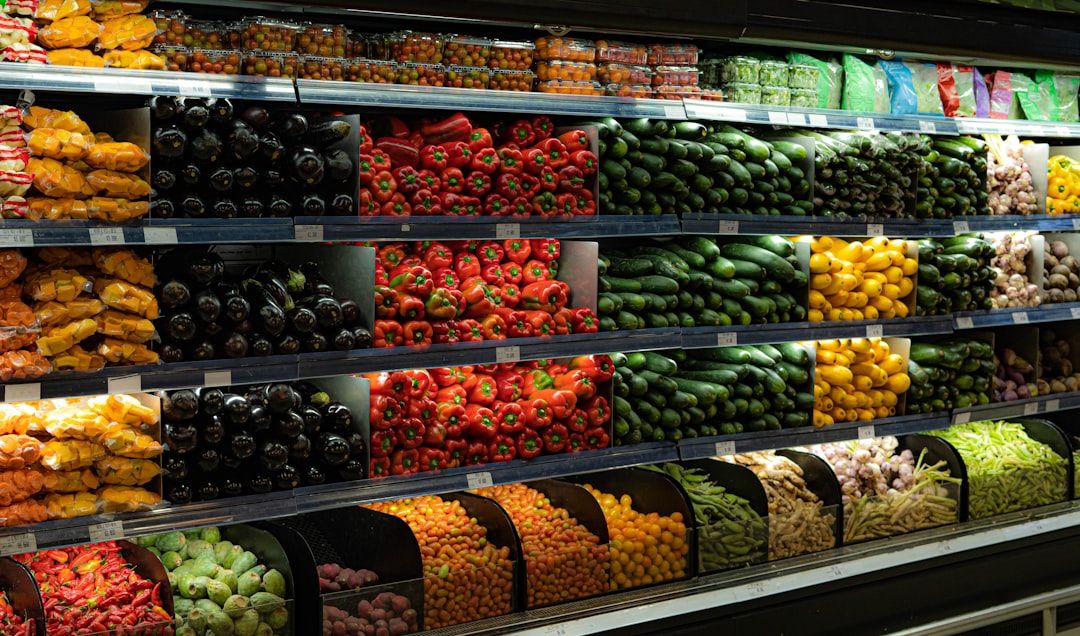
Organic food refers to agricultural products grown and processed according to specific standards that prohibit the use of synthetic pesticides, herbicides, fertilizers, and genetically modified organisms. Organic farming practices focus on soil health, water conservation, and pollution reduction while promoting biodiversity and natural ecosystem balance. The organic farming movement originated in the early 20th century as a response to the industrialization of agriculture.
Since the 1990s, consumer demand for organic products has increased substantially due to growing concerns about pesticide residues, environmental impact, and food safety. The global organic food market has experienced consistent growth, with sales reaching over $120 billion worldwide by 2020. Organic certification requires farmers to follow strict guidelines established by regulatory bodies such as the USDA National Organic Program in the United States.
These standards mandate crop rotation, composting, biological pest control, and the use of natural fertilizers. Livestock raised organically must have access to outdoor areas, consume organic feed, and cannot be treated with antibiotics or growth hormones. Research indicates that organic foods may contain higher levels of certain antioxidants and lower levels of pesticide residues compared to conventionally grown products.
However, nutritional differences between organic and conventional foods remain a subject of ongoing scientific study, with results varying depending on the specific nutrients and crops examined.
Key Takeaways
- Organic food is grown without synthetic pesticides, fertilizers, or GMOs, promoting environmental health.
- Benefits include higher nutrient content, fewer chemicals, and better taste.
- Look for certified organic labels to ensure authenticity and quality.
- Buying organic can be budget-friendly by choosing seasonal produce and pantry staples.
- Incorporate organic foods gradually and shop sustainably to support health and the environment.
Benefits of Organic Food
One of the most compelling reasons to choose organic food is its potential health benefits. Studies suggest that organic produce may contain higher levels of certain nutrients, including antioxidants, which can help combat oxidative stress in your body. By consuming organic fruits and vegetables, you may be reducing your exposure to harmful chemicals often found in conventional farming practices.
This is particularly important for vulnerable populations, such as children and pregnant women, who may be more susceptible to the effects of pesticides. Beyond personal health, choosing organic food also supports environmental sustainability. Organic farming practices promote soil health, reduce pollution, and conserve water.
By opting for organic products, you are contributing to a system that prioritizes ecological balance and biodiversity. This choice can lead to healthier ecosystems, which ultimately benefits everyone. You may find that by incorporating organic food into your diet, you are not only nourishing your body but also playing a part in a larger movement toward a more sustainable future.
How to Identify Organic Food
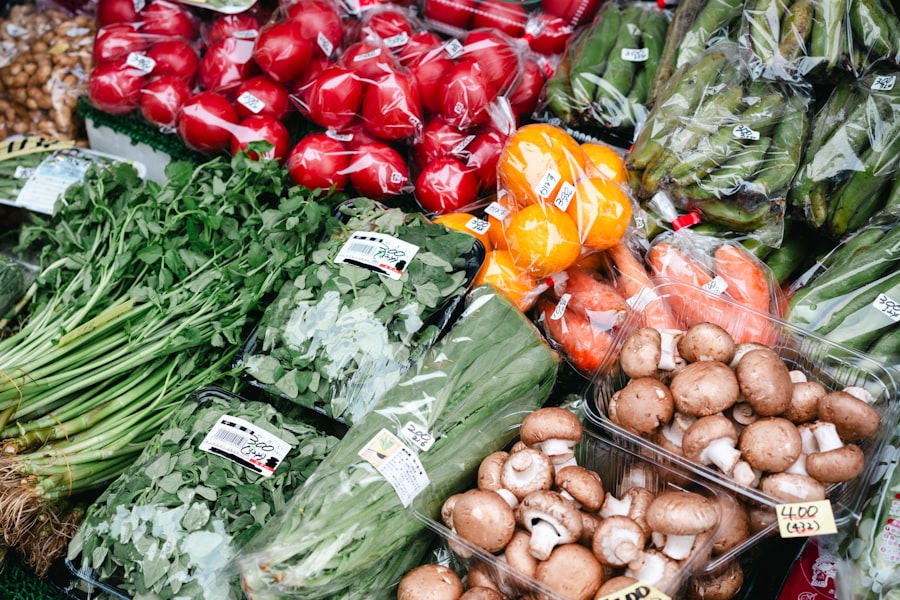
Identifying organic food can sometimes feel overwhelming, especially with the myriad of labels and claims on packaging. However, there are some straightforward ways to ensure that what you’re purchasing is genuinely organic. First, look for the USDA Organic seal on products in the United States.
This certification indicates that the food meets strict federal guidelines for organic farming and processing. If you’re shopping in other countries, familiarize yourself with their respective organic certification bodies to ensure you’re making informed choices. In addition to official seals, pay attention to the product’s labeling.
If a product is labeled as “made with organic ingredients,” it must contain at least 70% organic components. By understanding these distinctions, you can confidently select products that align with your values and dietary preferences.
Organic Food Labels and Certifications
Navigating the world of organic food labels can be tricky, but knowing what each certification means can empower you as a consumer. In the United States, the USDA Organic label is the most recognized certification, ensuring that products meet rigorous standards for organic farming practices. However, there are other certifications worth noting as well.
For instance, the Non-GMO Project Verified label indicates that a product has been tested for genetically modified organisms (GMOs), which is an important consideration for many consumers. In addition to these labels, some brands may carry certifications from organizations like Oregon Tilth or Quality Assurance International (QAI). These certifications often reflect a commitment to sustainable practices beyond just organic farming.
When you see these labels on products, you can feel more confident that you’re supporting brands that prioritize ethical and environmentally friendly practices.
Where to Buy Organic Food
| Category | Tips | Benefits | Common Organic Labels | Average Price Range |
|---|---|---|---|---|
| Fruits & Vegetables | Buy seasonal and local produce for freshness and cost savings | Lower pesticide exposure, better taste, supports local farmers | USDA Organic, EU Organic, Canada Organic | Moderate to High |
| Dairy Products | Choose organic milk, cheese, and yogurt with no added hormones | Free from synthetic hormones and antibiotics, better animal welfare | USDA Organic, Demeter, Soil Association | High |
| Meat & Poultry | Look for grass-fed, pasture-raised, and certified organic labels | Reduced antibiotic use, better animal treatment, higher omega-3 | USDA Organic, Animal Welfare Approved | High |
| Grains & Cereals | Opt for whole grains and organic cereals with minimal processing | Fewer pesticides, higher nutrient retention | USDA Organic, Non-GMO Project Verified | Moderate |
| Processed Organic Foods | Check ingredient lists for organic certification and minimal additives | Healthier alternatives to conventional processed foods | USDA Organic, EU Organic | Moderate to High |
Finding organic food has become increasingly easier as demand has grown. You can start by visiting your local grocery store or supermarket, many of which now have dedicated sections for organic products. Larger chains often carry a wide variety of organic fruits, vegetables, grains, and dairy items.
If you’re looking for something specific or want to explore more options, consider visiting health food stores or specialty markets that focus on natural and organic products.
Shopping directly from local farmers not only supports your community but also allows you to ask questions about their farming practices.
You may discover unique varieties of fruits and vegetables that aren’t available in stores while enjoying the experience of connecting with local growers. Additionally, many farmers’ markets offer organic meat and dairy options, making it a one-stop shop for your organic needs.
Organic Produce: What to Look For

When selecting organic produce, there are several factors to consider to ensure you’re getting the best quality available. First and foremost, look for items that are in season; seasonal produce is often fresher and more flavorful than out-of-season options. Pay attention to the appearance of the fruits and vegetables as well; they should be free from blemishes or signs of spoilage.
A vibrant color often indicates ripeness and nutrient density. Another important aspect is the smell of the produce. Fresh fruits and vegetables should have a pleasant aroma; if they lack scent or have an off-putting odor, they may not be at their best.
Don’t hesitate to ask questions at your local market or grocery store about how long the produce has been on display or when it was harvested. By being discerning in your selection process, you can ensure that you’re bringing home high-quality organic produce that will enhance your meals.
Organic Meat and Dairy: What to Consider
When it comes to organic meat and dairy products, there are specific considerations to keep in mind to ensure you’re making informed choices. First, look for labels that indicate the animals were raised without antibiotics or growth hormones. Organic standards require that livestock be fed organic feed and have access to outdoor spaces, which contributes to their overall well-being.
This not only impacts the quality of the meat and dairy but also aligns with ethical considerations regarding animal welfare. Additionally, consider sourcing your meat and dairy from local farms whenever possible. Many small-scale farms prioritize humane treatment of animals and sustainable practices but may not have the resources for large-scale certifications.
Building relationships with local farmers can provide insight into their practices and allow you to support ethical agriculture in your community. By being mindful of where your meat and dairy come from, you can make choices that align with your values while enjoying high-quality products.
Organic Pantry Staples
Incorporating organic food into your diet doesn’t have to be limited to fresh produce; pantry staples can also be found in organic varieties. Items such as grains, legumes, nuts, seeds, and oils can all be sourced organically. When shopping for pantry staples, look for whole grains like quinoa, brown rice, or oats that are certified organic.
These foods not only provide essential nutrients but also serve as versatile bases for a variety of meals. Don’t forget about canned goods and condiments! Many brands offer organic versions of canned tomatoes, beans, sauces, and dressings that can enhance your cooking while keeping your pantry stocked with wholesome ingredients.
By choosing organic pantry staples, you can create meals that are both nutritious and delicious while supporting sustainable agricultural practices.
Budget-Friendly Organic Options
While some may perceive organic food as being more expensive than conventional options, there are ways to incorporate it into your diet without breaking the bank. One effective strategy is to prioritize purchasing organic versions of items on the Environmental Working Group’s (EWG) Dirty Dozen list—fruits and vegetables that tend to have higher pesticide residues when conventionally grown. By focusing on these items, you can reduce your exposure to harmful chemicals while still enjoying the benefits of organic produce.
Another budget-friendly option is to buy in bulk whenever possible. Many health food stores offer bulk bins where you can purchase grains, nuts, seeds, and dried fruits at lower prices than pre-packaged items. Additionally, consider shopping at discount grocery stores or co-ops that specialize in natural foods; they often have competitive prices on organic products.
By being strategic about your purchases, you can enjoy the benefits of organic food without straining your budget.
Tips for Sustainable Organic Shopping
Sustainable shopping goes hand-in-hand with choosing organic food. To make your shopping trips more eco-friendly, consider bringing reusable bags to reduce plastic waste. Additionally, try to plan your meals ahead of time so you can create a shopping list based on what you need rather than impulse buying items that may go unused.
This not only helps minimize waste but also ensures you’re making thoughtful choices about what goes into your cart. Another tip is to support local farmers by participating in community-supported agriculture (CSA) programs or joining a local co-op. These initiatives often provide access to fresh organic produce while fostering connections within your community.
By prioritizing sustainability in your shopping habits, you contribute to a healthier planet while enjoying delicious organic food.
Incorporating Organic Food into Your Diet
Integrating organic food into your daily meals can be both enjoyable and rewarding. Start by gradually replacing conventional items with their organic counterparts; this could mean swapping out regular milk for organic milk or choosing organic fruits for your morning smoothie. Experimenting with new recipes using seasonal organic produce can also inspire creativity in the kitchen while ensuring you’re nourishing yourself with wholesome ingredients.
Consider meal prepping with organic ingredients as well; this not only saves time during busy weekdays but also encourages you to make healthier choices when hunger strikes. By planning ahead and incorporating a variety of organic foods into your diet—such as whole grains, lean proteins, fruits, and vegetables—you’ll create balanced meals that support both your health and well-being while embracing a lifestyle centered around sustainability. In conclusion, understanding and incorporating organic food into your life can lead to numerous benefits for both your health and the environment.
By being mindful of what you purchase and where it comes from, you can make informed choices that align with your values while enjoying delicious meals made from high-quality ingredients.
If you’re looking to enhance your organic food shopping experience, you might find our comprehensive organic food shopping guide particularly useful. This guide offers tips on how to select the freshest produce, understand labeling, and make informed choices that align with your health and environmental values. By following these guidelines, you can ensure that your organic food purchases are both beneficial for your well-being and sustainable for the planet.
FAQs
What defines organic food?
Organic food is produced without the use of synthetic pesticides, fertilizers, genetically modified organisms (GMOs), antibiotics, or growth hormones. It is grown using natural methods that promote ecological balance and conserve biodiversity.
How can I identify organic food products?
Organic food products are typically labeled with certification logos from recognized organizations, such as USDA Organic in the United States or the EU Organic logo in Europe. These labels ensure the product meets specific organic standards.
Are organic foods healthier than conventional foods?
Organic foods often contain fewer pesticide residues and may have higher levels of certain nutrients, such as antioxidants. However, the overall health benefits compared to conventional foods can vary and depend on many factors including diet and lifestyle.
Is organic food more expensive than conventional food?
Yes, organic foods generally cost more due to more labor-intensive farming practices, lower yields, and certification costs. However, prices can vary based on location, season, and product type.
Where can I buy organic food?
Organic foods are available at supermarkets, health food stores, farmers’ markets, and through online retailers. Some local farms also offer organic produce directly to consumers through community-supported agriculture (CSA) programs.
How should I store organic food?
Organic food should be stored similarly to conventional food, with fresh produce kept in the refrigerator or a cool, dry place. Proper storage helps maintain freshness and nutritional quality.
Are organic foods free from pesticides?
Organic foods are grown without synthetic pesticides, but they may still contain natural pesticides approved for organic farming. They generally have lower pesticide residues compared to conventional foods.
Can organic food be genetically modified?
No, organic standards prohibit the use of genetically modified organisms (GMOs) in organic food production.
Is organic food better for the environment?
Organic farming practices aim to reduce pollution, conserve water, reduce soil erosion, increase soil fertility, and use less energy. These practices generally have a lower environmental impact compared to conventional farming.
How do I transition to buying more organic food?
Start by prioritizing organic purchases for foods known to have higher pesticide residues, such as the “Dirty Dozen” fruits and vegetables. Gradually increase organic choices based on your budget and preferences.