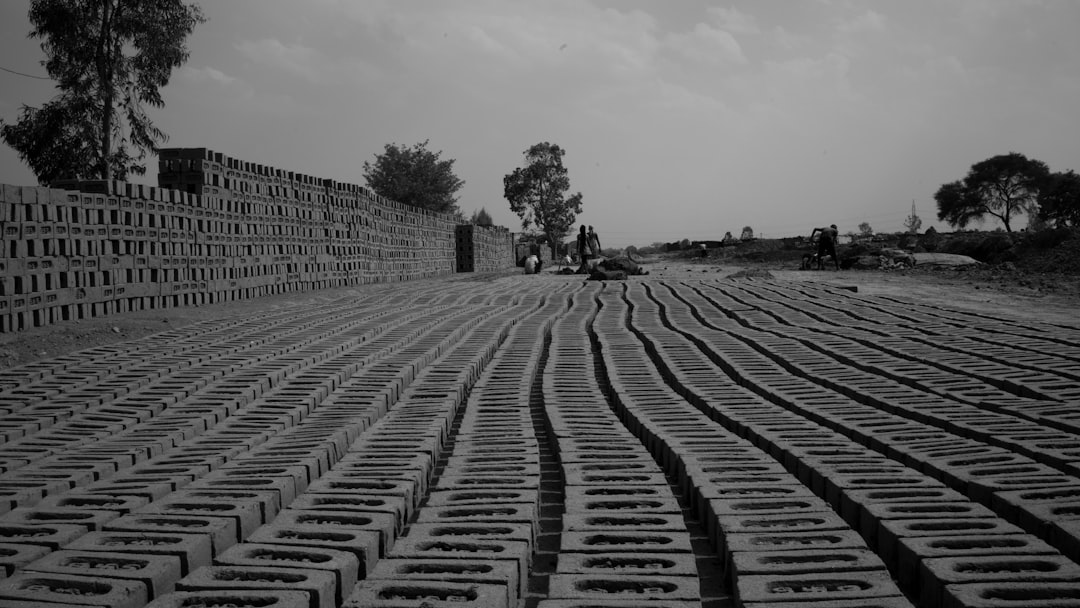
The Industrial Revolution, a period of profound technological advancement and societal upheaval spanning roughly the late 18th to mid-19th centuries, fundamentally reshaped the landscape of labor. The transition from agrarian economies and cottage industries to factory-based production, fueled by steam power and innovative machinery, brought with it a drastic alteration in the daily existence of working people. This era, while laying the groundwork for modern industrial societies and unprecedented wealth creation, simultaneously forged a new reality for the laborer, one characterized by relentless schedules, hazardous environments, and a stark power imbalance. For those who powered the roaring engines of progress, the working conditions were, in many respects, a far cry from the romanticized images of innovation and advancement.
The advent of the factory marked a seismic shift in the organization of work. No longer were individuals masters of their own time and craft, working within the familiar confines of their homes or small workshops. Instead, they became cogs in a much larger, more impersonal machine. The factory floor was a bustling, often cacophonous, environment where human effort was inextricably tied to the rhythm of machines.
The Tyranny of the Machine
Machinery, the very engine of the Industrial Revolution, dictated the pace of labor. Workers were no longer in control of their output; they were subservient to the relentless hum and clatter of spinning jennies, power looms, and steam engines. The output of the machine became the only measure of productivity, and workers were expected to keep up, regardless of their physical limitations or personal needs. As the machinery advanced and became more complex, the skills required for many tasks were simplified, leading to a de-skilling of the workforce and a further erosion of worker autonomy. The machine was, in essence, a new master, demanding unwavering attention and tireless effort, and any deviation from its rhythm could result in injury or dismissal.
The Shift from Daylight to Artificial Light
The factory system allowed work to continue long after the sun had set. Gas lighting and early forms of illumination became increasingly common, freeing production from the natural diurnal cycle. While this meant longer working hours and increased output, it also contributed to eye strain and other health problems for workers who toiled in dimly lit or poorly ventilated spaces. The natural rhythms of rest and recovery, dictated by the setting sun, were supplanted by the artificial glow of the factory, blurring the lines between work and life.
The Rise of the Foreman and Overseer
With the burgeoning size of factories, a new hierarchy of management emerged. Foremen and overseers became the direct link between the anonymous factory owner and the mass of laborers. Their primary responsibility was to ensure that production quotas were met and that discipline was maintained. This often translated into a stern, even brutal, approach to management, where workers were subject to constant surveillance and swift punishment for perceived idleness or inefficiency. The foreman was the shepherd of the industrial flock, but their methods often resembled that of a drill sergeant, prioritizing output above all else.
The labor conditions during the Industrial Revolution were marked by long hours, unsafe working environments, and minimal wages, leading to significant social and economic changes. For a deeper understanding of these challenging conditions and their impact on workers, you can read a related article that explores the struggles faced by laborers during this transformative period. To learn more, visit this article.
Grueling Hours and Constant Toil
The notion of a standard workday, a concept that would take decades of struggle to establish, was virtually non-existent during the early Industrial Revolution. Workers were expected to dedicate an extraordinary number of hours to their tasks, with little regard for rest or personal well-being.
The Twelve-Hour Day and Beyond
A twelve-hour workday was common, and often extended to fourteen or even sixteen hours, particularly during periods of high demand. Sundays were frequently considered workdays, offering little respite from the relentless cycle of labor. This prolonged exposure to demanding physical and mental exertion took a heavy toll on the health and longevity of the working population. The concept of leisure, as understood today, was a luxury few could afford, as every waking hour was dedicated to the pursuit of sustenance through work.
The Absence of Holidays and Breaks
Formal holidays and paid leave were unheard of. Workers were expected to be present and productive every scheduled working day. Even short breaks for meals were often minimal, with workers consuming their meager rations on the factory floor, surrounded by the noise and grime of their labor. The idea of a mental or physical rejuvenation through time off was a distant dream, a forgotten echo from a less industrially driven past.
The Peculiarities of Piecework
In some industries, particularly those still retaining elements of home-based or workshop production alongside factory work, piecework was prevalent. This system, where workers were paid for each unit produced rather than for the time spent working, incentivized speed and efficiency. However, it also meant that the more the worker produced, the more they were exposed to the risks of their labor, without necessarily increasing their overall earnings proportionally. The pressure to produce more units meant more time spent in hazardous conditions, creating a perverse incentive where increased effort didn’t always translate to commensurate reward, and sometimes even meant greater exposure to danger for the same or slightly improved pay.
Hazardous Environments and Constant Danger
The factories of the Industrial Revolution were not the safe havens of modern industry. They were often sprawling, poorly maintained structures where dangers lurked around every corner. The relentless pursuit of profit meant that safety measures were frequently an afterthought, if considered at all.
Unguarded Machinery and Appalling Accidents
Machinery, with its rapidly moving parts and powerful forces, was often left unguarded. The risk of entanglement, of limbs caught in gears and belts, was a constant and terrifying reality. Caught in the maw of the industrial beast, workers could face dismemberment, severe injury, or even instant death. The sheer physicality of operating and servicing these machines, often with crude tools and inadequate training, meant that accidents were not isolated incidents but a tragically common occurrence. The clatter of machinery was often punctuated by the screams of those who had fallen victim to its indifferent power.
Exposure to Dangerous Substances
Many industrial processes involved the use of hazardous materials. Textile mills, for instance, generated immense amounts of dust and lint, which workers inhaled for hours on end, leading to respiratory diseases like “brown lung.” Mines were notorious for their noxious gases, the constant threat of cave-ins, and the accumulation of coal dust that led to debilitating lung conditions. The very air in many workplaces was a toxic cocktail, slowly but surely eroding the health of those who breathed it.
Lack of Proper Ventilation and Sanitation
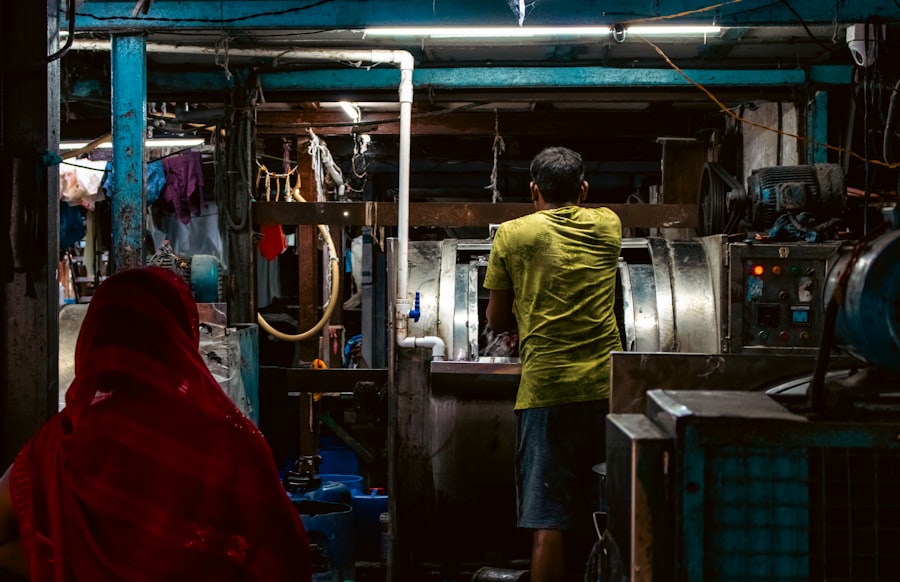
Ventilation in factories was often abysmal. The heat generated by machinery and the large number of workers packed into confined spaces created stifling and unhealthy conditions. Sanitation was equally poor, with inadequate or non-existent toilet facilities contributing to the spread of disease. The accumulation of waste, both human and industrial, further degraded the living and working environments. Imagine a sweatshop where the air is thick, the stench is overpowering, and a constant cough is the soundtrack to your labor.
The Exploitation of Vulnerable Populations
The Industrial Revolution, in its insatiable need for labor, cast its net wide, and often ensnared the most vulnerable members of society in its unforgiving grip. Children and women, seen as cheaper and more docile sources of labor, were extensively employed under conditions that were nothing short of exploitative.
Child Labor: The Tiny Hands of Industry
Children, some as young as five or six years old, were a significant part of the factory workforce. Their small size made them ideal for tasks in cramped spaces, such as crawling under machinery to retrieve dropped materials. They were paid a pittance, worked the same grueling hours as adults, and were often subjected to the same harsh discipline. The innocence and potential of childhood were sacrificed at the altar of industrial output. Many of these young lives were shortened by the constant strain, the dangerous environment, and the lack of basic nutrition and care. Their childhood was a forgone concept, replaced by the relentless grind of the factory.
Women in the Workforce: Double Burden, Lower Pay
Women also entered the industrial workforce in large numbers, particularly in textile mills and other light industries. While their labor was crucial to the functioning of many factories, they were generally paid less than men for the same work. Furthermore, they often bore the added responsibility of managing a household and caring for children, creating a double burden that was physically and emotionally draining. The concept of a fair wage was not a consideration; their labor was simply another commodity to be acquired at the lowest possible cost.
The Specter of Long-Term Health Degradation
The cumulative effect of these harsh working conditions was a significant degradation of the long-term health of the working population. Chronic illnesses, injuries, and shortened lifespans were commonplace. Without adequate healthcare or compensation for injuries, workers and their families were often left destitute and vulnerable. The promise of progress and wealth for the nation was built upon the broken bodies and shortened lives of its laborers.
The labor conditions during the Industrial Revolution were often harsh and exploitative, leading to significant social changes and the rise of labor movements. For a deeper understanding of this transformative period, you can explore a related article that discusses the impact of these conditions on workers’ rights and the eventual reforms that emerged. This article provides valuable insights into how the struggles of the past continue to influence labor policies today. To read more about this topic, check out this informative piece here.
The Dawn of Worker Consciousness and Collective Action
| Aspect | Details | Typical Values/Conditions |
|---|---|---|
| Working Hours | Average daily hours worked in factories | 12-16 hours per day, 6 days a week |
| Child Labor | Percentage of workforce under age 14 | Up to 20-30% in some industries |
| Wages | Average daily wage for unskilled laborers | 1-3 shillings per day |
| Workplace Safety | Incidence of accidents and injuries | High; frequent injuries due to machinery and poor conditions |
| Living Conditions | Typical housing for industrial workers | Crowded, unsanitary tenements or slums |
| Labor Laws | Regulations on working hours and child labor | Minimal before mid-19th century; gradual reforms thereafter |
Despite the overwhelming power imbalance and the dire working conditions, the Industrial Revolution also sowed the seeds of worker consciousness and collective action. The shared experience of hardship and exploitation, the undeniable evidence of injustice, began to forge a sense of solidarity among the working classes.
The Rise of Trade Unions
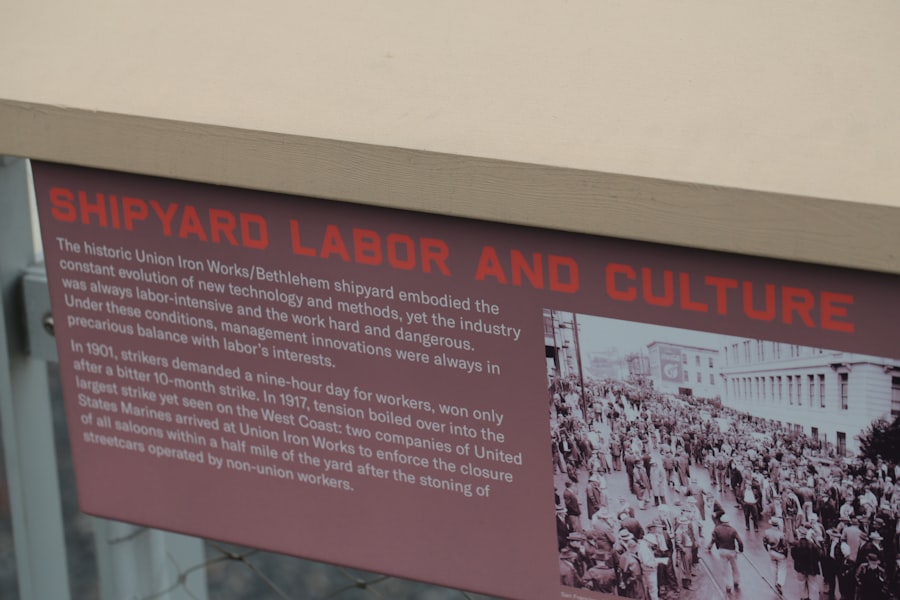
In response to the appalling conditions and the indifference of employers, workers began to organize themselves into trade unions. These early unions, often operating in secrecy and facing severe opposition from authorities and employers, sought to collectively bargain for better wages, shorter hours, and improved working conditions. The fight for workers’ rights was a long and arduous one, marked by strikes, protests, and often violent confrontations.
The Social and Political Agitation
The grievances of the working class also found expression in broader social and political movements. Writers, reformers, and politicians began to highlight the injustices of industrial capitalism and advocate for legislative reforms. The publications of thinkers like Charles Dickens, with their vivid portrayals of poverty and hardship, helped to raise public awareness and galvanize support for change. The demand for a more equitable and humane society began to gain traction, pushing against the entrenched interests of industrial magnates.
The Gradual Imposition of Regulations
While the immediate impact of these early movements was limited, they laid the groundwork for future improvements. Over time, legislation began to be introduced to regulate factory conditions, limit child labor, and establish basic safety standards. The struggle for better working conditions was not a swift victory, but a slow, persistent erosion of the absolute power of capital over labor. Each strike, each petition, each piece of reformist literature was a small hammer blow against the entrenched edifice of unchecked industrial power.
FAQs
What were the typical working hours during the Industrial Revolution?
During the Industrial Revolution, workers often faced extremely long hours, commonly working 12 to 16 hours a day, six days a week, with very few breaks.
What types of labor conditions did factory workers experience?
Factory workers frequently endured hazardous environments, including poor ventilation, dangerous machinery, inadequate lighting, and unsanitary conditions, which led to high rates of injury and illness.
Were children employed during the Industrial Revolution?
Yes, child labor was widespread during the Industrial Revolution. Children as young as five or six worked in factories, mines, and other industrial settings, often performing dangerous tasks for low wages.
How did labor conditions affect workers’ health?
The harsh labor conditions contributed to numerous health problems, including respiratory diseases from dust and fumes, physical injuries from machinery, and chronic fatigue due to long working hours and insufficient rest.
Did labor conditions improve during or after the Industrial Revolution?
Labor conditions gradually improved due to social reform movements, the introduction of labor laws, and the rise of trade unions, which advocated for shorter working hours, safer workplaces, and restrictions on child labor.