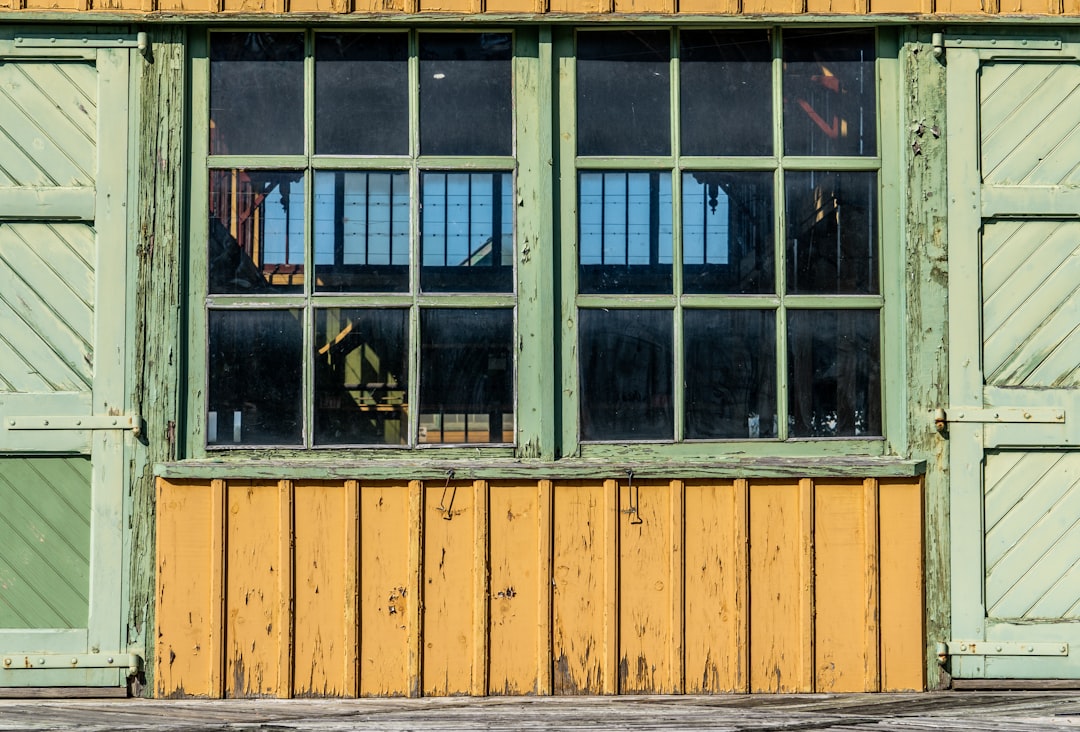
You’re standing in your living room, staring at your windows. They’ve seen better days. Perhaps a pane is cracked, the wood frame is a little soft in places, or the caulk is peeling away. This is where you confront a fundamental choice: do you lean into the tradition and repair your existing wood windows, or do you opt for the seemingly modern, maintenance-free solution of vinyl? This isn’t just a matter of aesthetics; it’s a decision that impacts your home’s performance, your wallet, and even your environmental footprint.
When you consider wood windows, you’re engaging with a building material that has sheltered generations. There’s a depth and character to wood that synthetics struggle to replicate. It’s durable, it’s a natural insulator, and when properly maintained, it offers a longevity that can outlast many other building components. You might be drawn to the warmth of the grain, the way it ages gracefully, or the sense of connection to historical building practices.
Durability and Longevity
Wood, as a material, possesses inherent structural integrity. Unlike plastics that can become brittle over time due to UV exposure, well-maintained wood can remain robust for decades, even centuries. This isn’t to say it’s impervious to damage, but its vulnerabilities are often different, and more importantly, addressable. The resilience of wood lies in its cellular structure, which, with appropriate care, provides a strong framework for your home. You’re not just investing in a window; you’re investing in a component designed to last.
Natural Insulation Properties
Wood is a naturally occurring insulator. This means that compared to metals, it has a lower thermal conductivity. In simpler terms, it doesn’t transfer heat as readily. This translates to a more stable indoor temperature, which can reduce your reliance on your heating and cooling systems. In the winter, you’ll notice less cold seeping in around the frames. In the summer, the heat from the sun will have a harder time penetrating. This natural insulation is a significant factor in energy efficiency, contributing to lower utility bills.
Aesthetic Appeal and Character
The visual appeal of wood is undeniable. It offers a warmth and character that is difficult to achieve with manufactured materials. Each piece of wood has its unique grain pattern, knots, and variations, which add a layer of individuality to your home. Whether your preference is for the clean lines of a contemporary design or the rustic charm of a traditional home, wood can be stained, painted, or finished to complement your architectural style. This adaptability allows you to personalize your living space in ways that vinyl often cannot.
When considering the sustainability and longevity of home improvements, the debate between repairable wood windows and disposable vinyl replacements is increasingly relevant. A related article that delves into the advantages of maintaining wooden windows over opting for vinyl alternatives can be found at this link. The article highlights not only the aesthetic and historical value of wood but also the environmental impact of choosing materials that can be repaired rather than replaced.
The Case for Repair: Breathing New Life into Existing Windows
The decision to repair your wood windows is often rooted in a desire to preserve the existing character of your home and to avoid the waste associated with disposable alternatives. Repair isn’t just about patching; it’s a comprehensive process that can restore functionality, improve efficiency, and extend the lifespan of your windows significantly.
The Environmental Advantage of Repair
When you choose to repair, you are making a conscious choice to reduce waste. Manufacturing, transporting, and installing new vinyl windows have a considerable environmental impact. By retaining and restoring your existing wood windows, you are diverting materials from landfills and minimizing the demand for new resource extraction and production. This is a tangible step towards a more sustainable approach to home maintenance. You are actively participating in the circular economy by giving your windows a second life.
Cost-Effectiveness Over Time
While the initial outlay for professional repair might seem comparable to or even higher than some budget vinyl options, the long-term cost-effectiveness of repair often proves superior. Vinyl windows have a finite lifespan and will eventually need replacement. Well-repaired wood windows, on the other hand, can perform effectively for many more years, significantly reducing the need for future costly replacements. Consider the cumulative cost over a 30-50 year period; repair and occasional maintenance can often be the more economical path.
Preserving Historical Integrity
For homes with historical significance, original wood windows are an integral part of their architectural narrative. Replacing them with vinyl can fundamentally alter the character and authenticity of the building. Repair allows you to maintain this historical integrity, preserving the craftsmanship and aesthetic that define your home’s heritage. This is particularly important in designated historic districts where alterations may be subject to strict regulations. You’re not just fixing a window; you’re safeguarding a piece of history.
Addressing Common Wood Window Issues
When you examine your wood windows, you’ll likely encounter a range of common problems. Recognizing these issues is the first step towards effective repair.
Rot and Wood Deterioration
Soft spots, crumbling wood, or visible signs of mold indicate rot. This is often caused by prolonged exposure to moisture. However, rot is not always a death sentence for a window.
Minor Rot Repairs
Small areas of rot can often be addressed with wood consolidants and fillers. These products penetrate decayed wood, hardening it and providing a stable base for subsequent patching. You can often purchase these materials at hardware stores and apply them yourself with moderate DIY skill.
Major Rot and Structural Repairs
For more extensive rot, you might need to replace entire sections of the sash or frame. This can involve carefully cutting out the decayed wood and splicing in new, properly treated lumber. This is where professional expertise becomes increasingly valuable.
Cracked or Broken Panes
A broken windowpane is perhaps the most obvious sign of damage. However, the frame and sash might be perfectly sound.
Glass Replacement Process
Replacing glass in a wood sash involves carefully removing the old putty, lifting out the broken glass, cleaning the rabbet, measuring for new glass, and then setting the new pane with glazier’s points and fresh putty. This is a relatively straightforward repair that many homeowners can undertake.
Older Glazing Techniques
Understanding how the original glass was secured (often with putty and sometimes wooden or metal glazing strips) is crucial for an authentic repair. Modern sealants may not always be appropriate or aesthetically fitting.
Drafts and Air Leaks
Gaps between the sash and frame, or around the perimeter of the window, allow air to infiltrate your home, leading to discomfort and increased energy consumption.
Weatherstripping Techniques
Applying appropriate weatherstripping to the moving parts of the sash and frame can create a seal that significantly reduces drafts. There are various types of weatherstripping available, made from materials like foam, rubber, or vinyl, and you need to choose the one best suited to your window’s design.
Caulking and Sealing Gaps
The areas where the window frame meets the wall, and where sashes meet muntins (if present), can develop small cracks. Sealing these gaps with quality exterior caulk prevents water intrusion and air leakage.
The Practicality of Vinyl: A Different Approach

Vinyl windows offer a distinct set of advantages, primarily centered around low maintenance and perceived modern efficiency. They are manufactured in controlled environments, often leading to consistent quality. For many homeowners, the idea of never having to scrape paint or worry about rot is a significant draw.
Low Maintenance and Durability
The primary selling point of vinyl windows is their minimal maintenance requirements. The material itself is resistant to rot, corrosion, and insect damage. You don’t need to paint or stain them, and cleaning typically involves a simple wipe-down with soap and water.
Resistance to Elements
Vinyl is engineered to withstand various weather conditions without degrading. Its resistance to moisture prevents the swelling, warping, and rotting that can plague wood. UV stabilizers are often incorporated into the vinyl to prevent it from becoming brittle or discolored over time due to sun exposure.
Color Retention and Finish
Unlike painted wood, the color of vinyl windows is integral to the material itself. This means the color is less likely to fade or chip over time, maintaining a consistent appearance for the life of the window.
Perceived Energy Efficiency
Modern vinyl windows are often manufactured with multi-pane designs and gas fills (like argon or krypton) between the panes to improve their thermal performance. These features aim to reduce heat transfer and enhance energy efficiency.
Double and Triple Glazing
The inclusion of multiple panes of glass significantly improves insulation. The air or gas trapped between the panes acts as a barrier to heat flow.
Low-E Coatings
Many vinyl windows come with Low-Emissivity (Low-E) coatings applied to the glass. These microscopic metallic coatings reflect infrared light (heat), helping to keep heat inside your home during the winter and outside during the summer, thus improving their energy performance.
Cost Considerations: Initial vs. Long-Term
When comparing the initial cost, vinyl windows can often appear more affordable than a professionally repaired or replaced high-quality wood window. However, this initial saving needs to be weighed against their lifespan and eventual replacement needs.
Initial Purchase Price
Entry-level vinyl windows can indeed be less expensive upfront than the labor and materials involved in repairing a substantial wood window problem. This makes them an attractive option for budget-conscious upgrades.
Lifespan and Replacement Cycles
While vinyl is durable, it is still a synthetic material with a finite lifespan. Over decades, it can become brittle, discolored, or develop seal failures in insulated glass units (IGUs). When they eventually fail, they will need to be entirely replaced, incurring another significant cost.
The True Cost of Disposable: Environmental and Economic Impacts
The appeal of “disposable” products, including vinyl windows, often overlooks the broader environmental and economic consequences. While they offer convenience, this convenience comes at a price, both to your wallet and the planet.
Material Production and Lifecycle
The production of vinyl (primarily PVC) is an energy-intensive process that can release harmful chemicals. Furthermore, while vinyl is technically recyclable, the reality of widespread, efficient recycling for construction materials like windows is often less effective than often promoted. When vinyl windows reach the end of their life, they contribute to landfill waste.
Resource Depletion
The manufacturing of new vinyl windows requires petroleum, a finite resource. This contributes to the ongoing demand for fossil fuels and their associated environmental impacts.
Manufacturing Byproducts and Emissions
The chemical processes involved in PVC production can lead to the release of pollutants into the atmosphere and waterways if not meticulously controlled. Ensuring responsible manufacturing practices is key, but the inherent nature of the material raises concerns.
The “Throwaway” Mentality
Opting for disposable products fosters a “throwaway” culture. This mentality encourages replacing items rather than repairing them, leading to increased consumption, waste generation, and a disconnect from the value and longevity of well-made, repairable items.
When considering the long-term sustainability and aesthetic appeal of your home, the debate between repairable wood windows and disposable vinyl replacements becomes increasingly relevant. A recent article highlights the benefits of choosing wood windows, emphasizing their durability and the ease of repair compared to the often short-lived vinyl options. For more insights on this topic, you can read the full discussion in this informative piece at Hey Did You Know This. Making an informed choice can significantly impact both the environment and the character of your home.
Repair vs. Replace: Making an Informed Decision
| Metrics | Repairable Wood Windows | Disposable Vinyl Replacements |
|---|---|---|
| Longevity | Can last for decades with proper maintenance | Typically have a shorter lifespan |
| Environmental Impact | More sustainable option, can be repaired and refinished | Often end up in landfills after being replaced |
| Cost | Initial cost may be higher, but can be more cost-effective in the long run | Lower initial cost, but may need to be replaced more frequently |
| Aesthetic Appeal | Classic and timeless look | May not have the same aesthetic appeal as wood windows |
The choice between repairing your wood windows and replacing them with vinyl is not a simple one. It requires careful consideration of your specific circumstances, priorities, and values.
Evaluating Your Current Windows
Before you make any decision, thoroughly inspect your existing wood windows. Assess the extent of any damage, the condition of the wood, the functionality of the sashes and hardware, and the presence of any drafts or leaks.
Professional Assessment
For a comprehensive understanding of your window’s condition, consider hiring a qualified building professional or a window restoration specialist. They can identify issues you might miss and provide expert advice on the best course of action.
DIY Inspection Checklist
Create your own checklist to systematically examine each window. Look for signs of rot, insect damage, cracks, peeling paint, loose putty, and drafts. Test the operation of the sashes – do they open and close smoothly?
Considering Your Priorities
What is most important to you? Is it long-term cost savings, maintaining historical accuracy, minimizing your environmental impact, or simply the convenience of low maintenance? Your priorities will heavily influence your decision.
Budget Constraints
Be realistic about your budget. While repair can be cost-effective long-term, some extensive repairs might require a significant upfront investment. Compare this to the upfront cost of vinyl and their projected lifespan.
Time and Effort Commitment
Repairing wood windows, especially if you plan to do some of the work yourself, requires time and effort. Vinyl offers a more hands-off solution in terms of ongoing maintenance.
The Long-Term Perspective
Think beyond the immediate future. A well-repaired wood window can last for many decades, continuing to offer its benefits. Vinyl windows, while initially cost-effective, will eventually need replacement, incurring further costs and waste. Your decision today will shape your home’s performance and your environmental footprint for years to come. You’re not just choosing a window; you’re choosing a philosophy for home maintenance and a contribution to sustainability.
FAQs
1. What are the benefits of repairable wood windows over disposable vinyl replacements?
Repairable wood windows offer the advantage of being able to be easily repaired and maintained, extending their lifespan and reducing the need for replacement. They also provide a classic, timeless aesthetic that adds value to a home.
2. Are repairable wood windows more environmentally friendly than disposable vinyl replacements?
Yes, repairable wood windows are more environmentally friendly as they can be repaired and refinished, reducing the amount of waste generated from window replacements. Wood is also a renewable resource, making it a more sustainable option compared to vinyl.
3. What are the drawbacks of repairable wood windows compared to disposable vinyl replacements?
Repairable wood windows may require more regular maintenance, such as painting and sealing, to prevent rot and decay. They can also be more susceptible to damage from pests and moisture compared to vinyl windows.
4. Are repairable wood windows more expensive than disposable vinyl replacements?
In general, repairable wood windows tend to be more expensive upfront compared to disposable vinyl replacements. However, over the long term, the cost of maintenance and potential replacements for vinyl windows may make wood windows a more cost-effective option.
5. Which option is more customizable, repairable wood windows or disposable vinyl replacements?
Repairable wood windows offer more customization options in terms of size, shape, and design compared to disposable vinyl replacements. Wood windows can be tailored to fit the unique architectural style of a home, while vinyl windows are limited in their customization options.