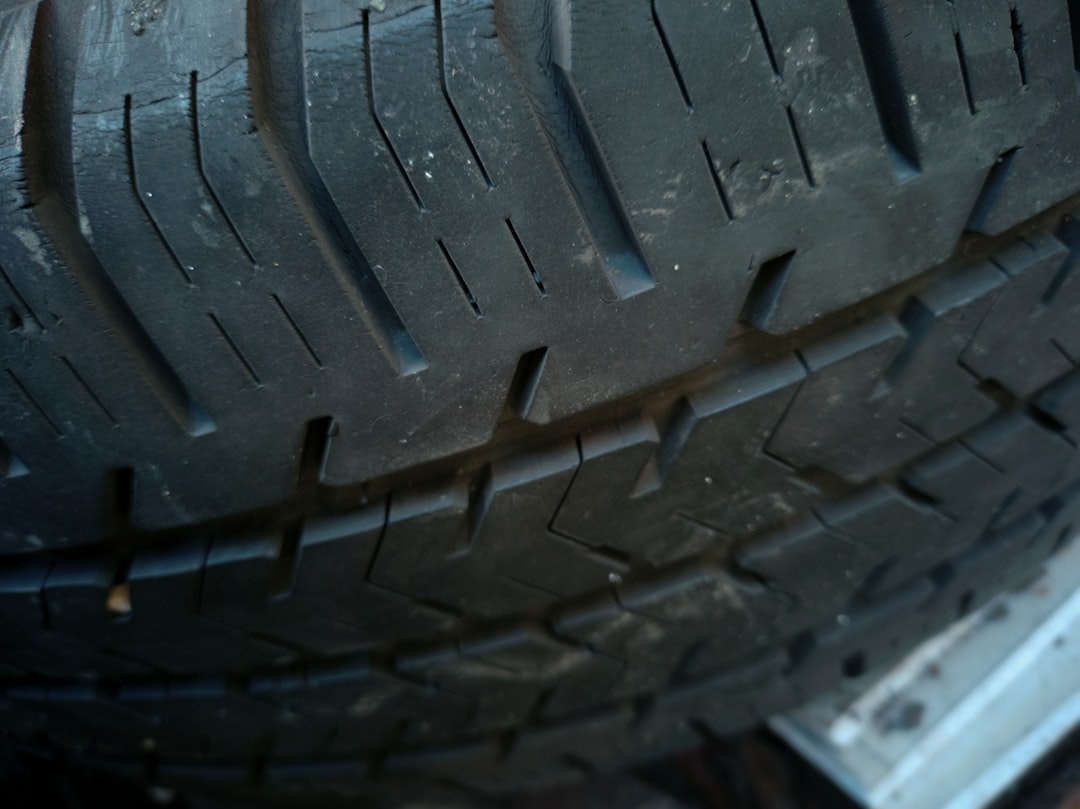
You’ve likely heard the whispers, or perhaps even experienced it firsthand: electric vehicle (EV) tires seem to wear out faster than those on your traditional gasoline-powered car. It’s a frustrating reality for many EV owners, adding an unexpected expense to the otherwise appealing economics of electric driving. While the benefits of EVs are often lauded, this increased tire wear is a tangible drawback that deserves a clear explanation. It’s not a phantom problem; it’s a consequence of fundamental differences in how EVs operate, primarily their weight and the immediate delivery of torque.
One of the most significant factors contributing to accelerated tire wear in EVs is their inherent weight. Unlike internal combustion engine (ICE) vehicles, which distribute their mass across a chassis that can be optimized for lightness, EVs carry the considerable bulk of their battery packs. These energy-dense batteries, while essential for providing range, are heavy. Think about the dense metal and chemical components required to store that much electrical energy. This battery weight isn’t a minor addition; it often pushes EVs into a higher weight class than comparable ICE vehicles.
The Static Load: A Constant Pressure on the Rubber
Imagine your tires constantly supporting a heavier load, even when the car is stationary. This is the reality for EV tires. The static weight of the vehicle, primarily dictated by the battery, exerts a continuous downward force on each tire. This persistent pressure means the tire rubber is under more stress all the time. Over time, this constant compression leads to a more rapid breakdown of the tire’s molecular structure. You can think of it like repeatedly pressing down on a sponge; eventually, it starts to lose its resilience and shape.
Dynamic Load: Acceleration and Braking Magnify the Stress
When you drive, this static load transforms into a dynamic one. Acceleration and braking are particularly demanding on tires, and EVs amplify this stress. The increased weight means more inertia to overcome when accelerating and more momentum to dissipate when braking. This translates to greater friction between the tire and the road surface during these maneuvers, leading to faster wear. Unlike an ICE car, where the power delivery is more gradual, EVs can deliver their maximum torque almost instantaneously, further exacerbating this effect.
Tire Technology: The Double-Edged Sword of Responsiveness
Manufacturers are aware of the weight issue and are developing specialized tires for EVs. These tires often feature reinforced sidewalls and different rubber compounds designed to withstand higher loads and dissipate heat more effectively. However, even these advanced tires are not immune to the fundamental physics at play. While they may last longer than generic tires, they will still likely not match the longevity of tires on a significantly lighter ICE vehicle, assuming similar driving conditions. The trade-off is often between durability and the desired performance characteristics like grip and handling.
Electric vehicle (EV) tires tend to wear out faster due to several factors, including the instant torque provided by electric motors and the added weight of the battery packs. These elements can lead to increased friction and heat, causing tires to degrade more quickly than those on conventional vehicles. For a deeper understanding of this phenomenon and to explore related insights, you can read more in this article: Why EV Tires Wear Out Faster.
The Explosive Force: How Electric Torque Accelerates Wear
Beyond weight, the most defining characteristic of EV powertrains, and a major culprit in tire wear, is torque. Specifically, the instantaneous and abundant torque that electric motors deliver. This isn’t a gradual build-up of power like you’d experience in a gasoline engine. From a standstill, an EV’s motor can unleash its full rotational force immediately, pushing the tires with exceptional vigor.
The Immediate Punch: Torque from Zero RPM
Gasoline engines need to rev up to a certain point to produce significant torque. This gradual power delivery allows the tires to gradually grip and transfer that power to the road. Electric motors, however, do not have this limitation. They can produce their maximum torque from 0 RPM. This means that the moment you press the accelerator, your tires are subjected to an immense rotational force. This sudden application of power can cause them to slip, even if subtly, during acceleration, leading to increased abrasion.
Traction Control’s Silent Battle: Fighting for Grip
Modern EVs are equipped with sophisticated traction control systems designed to manage this prodigious torque and prevent excessive wheel spin. These systems are constantly working behind the scenes, modulating power delivery to each wheel to maintain grip. While crucial for drivability and safety, this constant micro-management of power can also contribute to tire wear. The system is essentially fighting a continuous battle to keep the tires from losing traction, and this fight involves applying and releasing torque in rapid succession, which puts additional stress on the tire tread.
Enthusiast Driving: A Recipe for Rapid Tire Degradation
If you enjoy a more spirited driving style, whether it’s quick acceleration from traffic lights or aggressive cornering, you’re likely to see even faster tire wear on your EV. The combination of the EV’s weight and its immediate torque delivery creates a potent recipe for tire degradation when subjected to these demands. The lateral forces in corners, combined with the propulsive forces during acceleration, put immense strain on the tire’s contact patch.
Tire Construction and Material Science: The Specific Demands on EV Tires
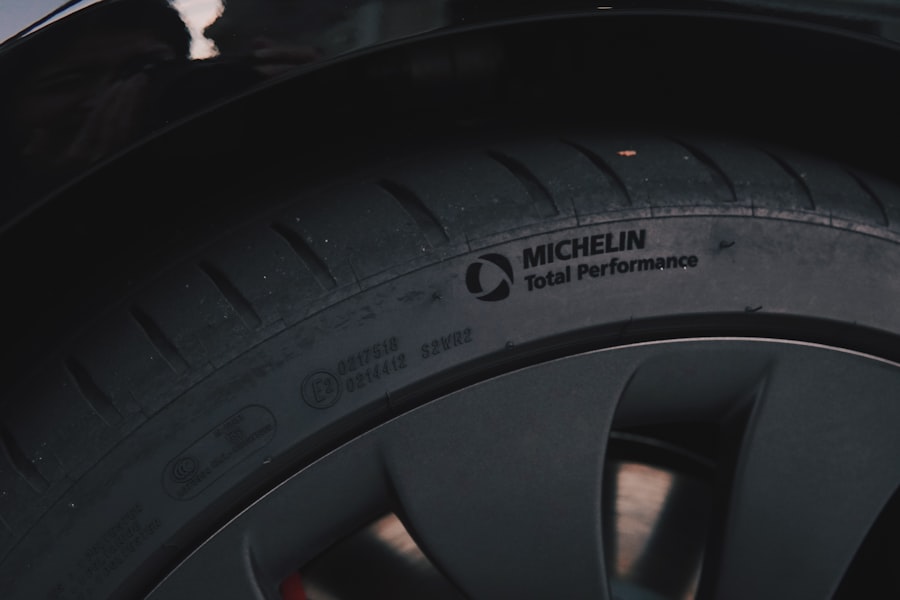
The increased demands placed on EV tires necessitate specific considerations in their design and the materials used. Tire manufacturers are constantly innovating to meet these challenges, but there are inherent compromises.
Reinforced Sidewalls: Bearing the Brunt of the Weight
To handle the extra weight, especially from the batteries, EV tires often feature reinforced sidewalls. These thicker, more robust sidewalls help to prevent the tire from deforming excessively under load and protect it from damage. However, this reinforcement can sometimes lead to a firmer ride, a trade-off many EV owners accept for the sake of tire longevity.
Specialized Rubber Compounds: Balancing Grip and Durability
The rubber compound, the very material your tires are made of, plays a critical role. For EVs, manufacturers often use softer compounds to provide excellent grip, which is essential for the immediate torque to be effectively transferred to the road. A softer compound, however, inherently wears down faster than a harder, more durable compound. This is a classic automotive engineering trade-off: better grip often comes at the expense of longevity. The goal is to find the sweet spot that offers acceptable grip without premature wear.
Low Rolling Resistance: A Different Kind of Compromise
Many EV tires are also designed for low rolling resistance to maximize range. This is achieved through specific tread patterns and rubber compounds that minimize the energy lost as the tire rolls. While beneficial for efficiency, certain low rolling resistance designs can sometimes compromise durability. The design that allows the tire to deform less and roll more easily might also be more susceptible to abrasion from harder acceleration.
Driving Habits and Environmental Factors: Amplifying the Problem
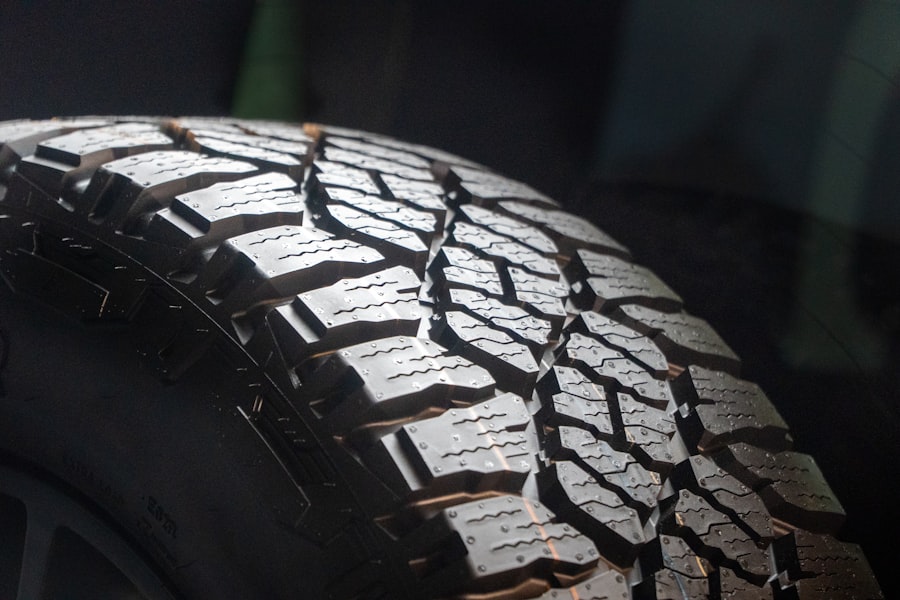
While the inherent characteristics of EVs are the primary drivers of increased tire wear, your personal driving habits and the environment can significantly amplify the issue. Understanding these factors can help you manage tire life more effectively.
Aggressive Acceleration and Braking: The Tire’s Worst Nightmare
As highlighted earlier, the way you drive is paramount. Frequent hard acceleration and braking put immense stress on your tires. If you have a habit of flooring the accelerator from a standstill or slamming on the brakes, you are dramatically shortening the lifespan of your EV tires. Even with the sophisticated traction control systems in EVs, consistent aggressive driving will lead to accelerated wear.
Cornering Speed and Aggression: Sideways Stress
The speed at which you take corners also contributes significantly. High-speed cornering puts immense lateral forces on your tires, causing the tread blocks to flex and scrub. If you’re prone to taking turns quickly, you’ll find your EV tires wearing out unevenly and faster than if you were to take corners more smoothly.
Tire Inflation Pressure: A Crucial, Often Overlooked Element
Maintaining the correct tire inflation pressure is crucial for all vehicles, but it’s particularly important for EVs given their weight. Underinflated tires create a larger contact patch with the road, which increases rolling resistance, heat buildup, and consequently, tire wear. Overinflated tires, on the other hand, can lead to a smaller contact patch, uneven wear patterns, and reduced grip. Regularly checking and adjusting your tire pressure to the manufacturer’s recommendations is a simple yet effective way to combat premature wear.
Road Surface and Climate: The Unseen Wearers
The type of roads you frequently drive on can also influence tire wear. Driving regularly on rough, abrasive surfaces like gravel roads or poorly maintained asphalt will naturally cause more wear than driving on smooth, clean highways. Similarly, extreme climates can play a role. In very hot weather, tires can degrade faster due to increased heat. In very cold weather, the rubber can become harder and less pliable, potentially leading to cracking or faster abrasion if pushed to their limits.
Electric vehicle tires tend to wear out faster due to several factors, including the instant torque provided by electric motors and the added weight of the battery packs. This unique combination can lead to increased friction and heat, which accelerates tire degradation. For a deeper understanding of this phenomenon and tips on how to extend the life of your EV tires, you can read more in this informative article here.
Mitigation Strategies: Maximizing Your EV Tire Lifespan
| Reasons for EV Tires Wearing Out Faster |
|---|
| 1. Weight of the vehicle: Electric vehicles tend to be heavier than traditional vehicles, putting more pressure on the tires. |
| 2. Torque: Electric motors produce high torque, which can lead to increased tire wear during acceleration. |
| 3. Regenerative braking: The use of regenerative braking in EVs can cause additional wear on the tires. |
| 4. Driving habits: Aggressive driving, frequent acceleration and braking, and high-speed driving can all contribute to faster tire wear. |
| 5. Tire type: Some EVs may come equipped with low rolling resistance tires, which can wear out faster than traditional tires. |
While you can’t eliminate the inherent factors causing faster EV tire wear, there are several strategies you can employ to maximize the lifespan of your tires and mitigate the associated costs.
Embrace Smooth Driving: The Gentle Approach
The single most effective way to extend tire life is to adopt a smoother driving style. Practice gentle acceleration and braking. Anticipate traffic flow to avoid unnecessary hard stops. Take corners at moderate speeds. This not only benefits your tires but also improves your fuel efficiency and overall driving experience.
Regular Tire Rotation: Even Wear Distribution
A crucial maintenance practice is regular tire rotation. Manufacturers typically recommend rotating your tires every 5,000 to 7,500 miles. This process involves moving the tires from one position on the vehicle to another (e.g., front to back, left to right). This helps to ensure that all four tires wear more evenly, preventing premature wear on specific tires that might occur due to the front or rear-biased weight distribution of some EVs, or the steering and braking forces.
Consistent Tire Pressure Checks: The Foundation of Longevity
As mentioned, maintaining the correct tire inflation pressure is paramount. Make it a habit to check your tire pressure at least once a month, and before any long trips. The recommended pressure can usually be found on a sticker inside the driver’s side doorjamb or in your owner’s manual.
Consider Tire Choice: Research and Select Wisely
When it’s time to replace your tires, do your research. Look for tires specifically designed for electric vehicles. These are often labeled as “EV tires” or have specifications that indicate they are built to handle higher loads and torque. Read reviews and compare different brands and models, paying attention to their treadwear ratings. While a higher treadwear rating might indicate a harder compound and potentially less immediate grip, it can lead to significantly longer tire life. Discuss your priorities with a reputable tire specialist.
Alignment and Balancing: Ensuring Optimal Performance
Regularly checking your wheel alignment and ensuring your tires are properly balanced is also essential. Misaligned wheels can cause uneven and rapid tire wear. Imbalanced tires can lead to vibrations and cause the tire tread to wear unevenly. Most tire shops offer alignment and balancing services, and it’s a worthwhile investment in the longevity of your tires.
By understanding the underlying reasons for increased EV tire wear and implementing these practical mitigation strategies, you can significantly extend the life of your tires, reduce your overall ownership costs, and continue to enjoy the many advantages of driving an electric vehicle. It’s a matter of informed ownership and proactive maintenance.
FAQs
1. Why do electric vehicle (EV) tires wear out faster than traditional vehicle tires?
Electric vehicles tend to be heavier than traditional vehicles due to the weight of the battery pack. This extra weight puts more strain on the tires, causing them to wear out faster.
2. Are there specific tire types designed for electric vehicles to address this issue?
Some tire manufacturers have started producing tires specifically designed for electric vehicles. These tires are engineered to handle the extra weight and torque of electric vehicles, and may have different tread patterns and rubber compounds to improve durability.
3. What are some factors that contribute to faster tire wear in electric vehicles?
In addition to the weight of the vehicle, factors such as regenerative braking, which can put additional stress on the tires, and the high torque output of electric motors can contribute to faster tire wear in electric vehicles.
4. How can EV owners extend the lifespan of their tires?
Regular tire maintenance, including proper inflation, rotation, and alignment, can help extend the lifespan of tires on electric vehicles. Additionally, choosing tires specifically designed for electric vehicles can also help improve durability.
5. Are there any advancements in tire technology that aim to address the issue of faster tire wear in electric vehicles?
Tire manufacturers are constantly researching and developing new technologies to improve tire durability, including advancements in rubber compounds, tread designs, and construction techniques. These advancements aim to address the specific challenges posed by electric vehicles and improve tire longevity.