
The European Union (EU) stands as a prominent global force in consumer protection, particularly within the realm of cosmetics. Its unwavering commitment to cosmetic safety is not an arbitrary decision but a meticulously constructed framework forged from historical lessons, scientific advancements, and a deep-seated philosophical stance on public health. This article delves into the multifaceted reasons behind Europe’s stringent approach to cosmetic regulation, examining the historical context, the scientific underpinnings, and the legislative architecture that underpins this priority.
Europe’s dedication to cosmetic safety is not a recent phenomenon but rather a culmination of centuries of evolving understanding regarding the potential impact of substances on human health.
Early Adulteration and Public Awareness
Historically, the cosmetic industry was largely unregulated, leading to widespread practices of adulteration. Early cosmetics, often homemade or artisanal, frequently contained toxic ingredients such as lead, mercury, and arsenic, used for pigmentation or preservation. The damaging effects of these substances – ranging from skin lesions and hair loss to systemic poisoning and death – gradually became evident. The tragic consequences of such practices, though not always immediately attributed to cosmetics, fostered a growing public awareness of the potential dangers lurking within everyday products. This nascent understanding laid the groundwork for future regulatory demands.
The Thriving Chemical Industry and Emerging Risks
The Industrial Revolution, while ushering in an era of unprecedented progress, also saw the rapid expansion of the chemical industry. Novel synthetic compounds were introduced into cosmetics with little understanding of their long-term effects. The scientific method, still in its infancy regarding toxicology, was inadequate to fully assess these risks. As the use of mass-produced cosmetics became widespread, concerns mounted regarding allergic reactions, skin irritations, and other adverse effects. These concerns, though often anecdotal, fueled calls for greater scrutiny and responsibility from manufacturers.
Europe’s stringent regulations on cosmetic safety stem from a commitment to consumer health and environmental protection, which contrasts sharply with the more lenient standards observed in other regions. This rigorous approach is highlighted in a related article that delves into the reasons behind these regulations and their implications for both manufacturers and consumers. For further insights, you can read more about this topic in the article found here: Why Europe is Stricter on Cosmetic Safety.
The Pillars of the EU Regulatory Framework
The EU’s current cosmetic safety regulations are primarily enshrined in Regulation (EC) No 1223/2009, known as the Cosmetics Regulation. This comprehensive legislation is often considered the gold standard globally due to its stringent requirements and precautionary principle.
The Precautionary Principle: A Guiding Philosophy
At the heart of Europe’s regulatory stance lies the precautionary principle. This principle dictates that if there is a plausible risk of harm from a substance or activity, even in the absence of absolute scientific certainty, preventive measures should be taken. In the context of cosmetics, this translates to placing the burden of proof on manufacturers to demonstrate the safety of their products before they enter the market, rather than waiting for harm to manifest before taking action. This philosophical underpinning acts as a robust firewall against potential health hazards.
Comprehensive Banning of Hazardous Substances
The EU Cosmetics Regulation maintains extensive lists of prohibited substances (Annex II) and restricted substances (Annex III). This proactive approach means that thousands of ingredients, known or suspected to be harmful, are outright banned or have strict usage limitations. This stands in stark contrast to regulatory systems in some other regions, which often operate on a “negative list” approach, waiting for documented harm before restricting ingredients. This comprehensive banning acts as a constant sieve, filtering out potentially dangerous elements before they can reach consumers.
Animal Testing Ban: An Ethical Imperative
A cornerstone of Europe’s cosmetic safety policy is the complete ban on animal testing for cosmetics. This ban, implemented in stages culminating in 2013, prohibits both the testing of cosmetic products and their ingredients on animals within the EU, as well as the marketing of cosmetic products that have been animal-tested elsewhere in the world. This ethical stance reflects a broader societal shift towards greater animal welfare and demonstrates a commitment to humane scientific practices, pushing the industry towards innovative, non-animal testing methods.
Empowering the Consumer: Transparency and Information
Transparency and consumer empowerment are integral components of Europe’s commitment to cosmetic safety. An informed consumer is a protected consumer, and the EU actively facilitates this understanding.
Mandatory Ingredient Labelling
Every cosmetic product sold in the EU must bear a comprehensive list of its ingredients, presented in descending order of weight at the time they are added to the cosmetic product. This inci (International Nomenclature of Cosmetic Ingredients) system provides a universally recognised standard, allowing consumers to identify specific compounds. This transparency serves as an invaluable tool for individuals with allergies or sensitivities, enabling them to make informed choices and avoid potential irritants or allergens. It is akin to a medical chart for the product, offering a clear snapshot of its composition.
Product Information File and Safety Assessment
Before a cosmetic product can be placed on the market, a designated “responsible person” (usually the manufacturer or importer) must compile a Product Information File (PIF). This extensive document contains detailed information about the product, including its safety assessment. The safety assessment, conducted by a qualified safety assessor, evaluates the potential risks of all ingredients and the final formulation, taking into account exposure pathways and potential adverse effects. This rigorous pre-market evaluation acts as a thorough background check for every product, ensuring its safety before it even touches the shelf.
Economic and Reputational Advantages
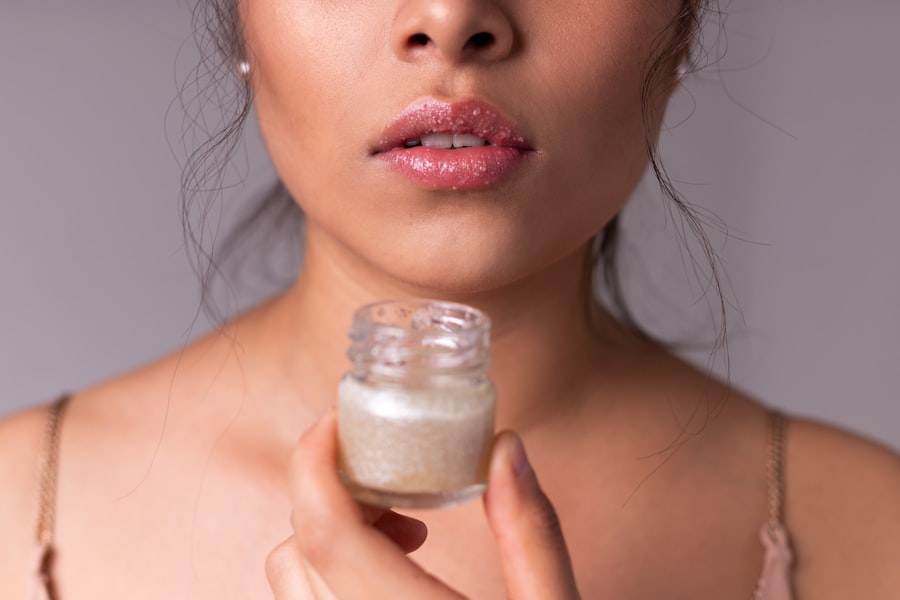
While consumer safety is the primary driver, Europe’s stringent cosmetic regulations also confer significant economic and reputational benefits, both for the EU as a whole and for its cosmetic industry.
Building Consumer Trust and Market Leadership
By prioritizing safety, the EU has cultivated a high level of consumer trust in products sold within its borders. This trust translates into brand loyalty and a willingness to purchase European-made or European-approved cosmetics. For manufacturers, adhering to these high standards becomes a valuable selling point, differentiating their products in a competitive global market. Europe effectively positions itself as a beacon of quality and safety, attracting consumers worldwide who seek assurance in their cosmetic purchases.
Fostering Innovation and Scientific Advancement
The regulatory environment, far from stifling innovation, often acts as a catalyst for it. The ban on animal testing, for instance, spurred significant investment and development in alternative testing methods, pushing the boundaries of toxicology and analytical chemistry. Similarly, restrictions on certain ingredients encourage formulators to seek safer, more sustainable alternatives. This constant drive to meet higher standards fosters a culture of innovation within the European cosmetic industry, leading to the development of novel ingredients and manufacturing processes. It’s like a well-structured hurdle race, where each hurdle, though challenging, ultimately makes the competitor stronger and more agile.
Europe’s stringent regulations on cosmetic safety stem from a commitment to consumer health and environmental protection, which sets it apart from many other regions. This rigorous approach is reflected in the European Union’s REACH legislation, which emphasizes the importance of thorough testing and transparency in the cosmetic industry. For a deeper understanding of the factors influencing these regulations, you can explore a related article that discusses various aspects of cosmetic safety standards in Europe. By examining these guidelines, one can appreciate the balance between innovation and safety that European lawmakers strive to maintain. For more insights, check out this informative piece at Hey Did You Know This.
Future Challenges and Continuous Improvement
| Aspect | Europe | Reason for Stricter Regulation |
|---|---|---|
| Regulatory Framework | EU Cosmetics Regulation (EC) No 1223/2009 | Comprehensive and harmonized rules ensuring high safety standards across member states |
| Ingredient Restrictions | Over 1,300 substances banned or restricted | Precautionary principle applied to protect consumer health |
| Animal Testing | Complete ban on animal testing for cosmetics | Ethical considerations and promotion of alternative testing methods |
| Product Safety Assessment | Mandatory safety assessment by qualified professionals | Ensures products are safe before market release |
| Labeling Requirements | Strict labeling including ingredient list, warnings, and usage instructions | Enhances consumer awareness and safety |
| Market Surveillance | Active monitoring and enforcement by authorities | Prevents unsafe products from reaching consumers |
| Consumer Protection Philosophy | Precautionary principle prioritizing health over commercial interests | Leads to more stringent safety measures |
Europe’s commitment to cosmetic safety is not static; it is a dynamic and evolving process that continuously adapts to new scientific knowledge and emerging concerns.
Addressing Endocrine Disruptors and Nanomaterials
As scientific understanding advances, new challenges emerge. The presence of potential endocrine disruptors (chemicals that can interfere with the body’s hormonal system) and nanomaterials (ultra-small particles with unique properties) in cosmetics are ongoing areas of research and regulatory scrutiny. The EU continuously reviews its regulations to address these nascent concerns, demonstrating its proactive approach to protecting public health from future hazards.
Global Harmonisation and International Influence
Europe’s stringent cosmetic regulations have a significant impact beyond its borders. Many countries around the world look to the EU as a benchmark, often adopting similar regulatory frameworks or seeking to align their standards with those of Europe. This global influence underscores the effectiveness and credibility of the EU’s approach. The EU acts as a lighthouse, guiding other nations towards safer practices and promoting a higher standard of cosmetic product globally.
In conclusion, Europe’s prioritization of cosmetic safety is a multifaceted commitment rooted in a historical understanding of risks, solidified by robust scientific principles, and enshrined in comprehensive legislation. From a pervasive precautionary principle to stringent bans on hazardous substances and complete prohibition of animal testing, the regulatory framework is designed to act as an impenetrable shield for consumer health. This commitment fosters trust, drives innovation, and positions Europe as a global leader in ethical and safe cosmetic practices. As science evolves and new challenges emerge, the EU remains dedicated to continuously refining its approach, ensuring that the pursuit of beauty never compromises the fundamental right to health and safety.
WATCH NOW ▶️STOP Using These 50 Bathroom Products (Banned In Europe!)
FAQs
1. Why does Europe have stricter regulations on cosmetic safety compared to other regions?
Europe enforces stricter cosmetic safety regulations primarily to ensure higher consumer protection. The European Union’s Cosmetics Regulation (EC) No 1223/2009 requires rigorous safety assessments, bans certain harmful substances, and mandates transparency in ingredient labeling to minimize health risks.
2. What are some key differences between European and other international cosmetic safety standards?
European standards often prohibit or restrict more substances than other regions, such as the United States. The EU bans over 1,300 chemicals in cosmetics, while the U.S. FDA restricts far fewer. Additionally, the EU requires pre-market safety assessments and does not allow animal testing for cosmetics, emphasizing alternative testing methods.
3. How does the European Union ensure compliance with its cosmetic safety regulations?
The EU requires manufacturers to conduct safety assessments and maintain a Product Information File (PIF) for each cosmetic product. National authorities perform market surveillance and can enforce recalls or penalties if products are non-compliant. The European Chemicals Agency (ECHA) also monitors substances used in cosmetics.
4. Are animal testing bans a factor in Europe’s stricter cosmetic safety regulations?
Yes, the EU has banned animal testing for cosmetic products and ingredients since 2013. This ban has driven the development and acceptance of alternative safety testing methods, contributing to the overall strictness and innovation in cosmetic safety evaluation.
5. How do stricter cosmetic safety regulations benefit European consumers?
Stricter regulations help protect consumers from exposure to potentially harmful chemicals, reduce allergic reactions and other adverse effects, and ensure higher product quality and transparency. This fosters greater consumer confidence in cosmetic products available in the European market.