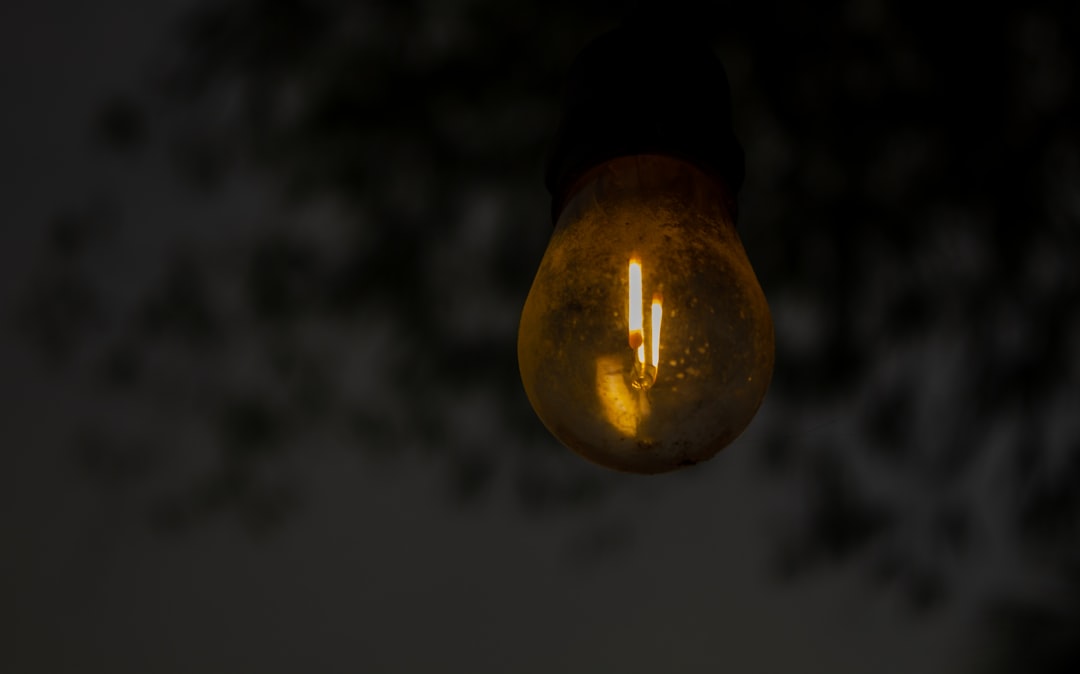
The familiar pop and sudden darkness signal the end of a light bulb’s service, a common occurrence that can be both inconvenient and, upon closer inspection, remarkably complex. While modern bulbs offer significantly longer lifespans than their incandescent predecessors, understanding the reasons for premature burnout provides valuable insight into the intricate interplay of physics, engineering, and environmental factors. This exploration delves into the multifaceted reasons why light bulbs, even those designed for longevity, may extinguish their glow sooner than expected.
Incandescent light bulbs, the classic pear-shaped emitters, operate on a fundamental principle that also harbors inherent vulnerabilities. Their lifespan is intrinsically tied to the behavior of their thin, coiled tungsten filament.
Filament Thinness: The Achilles’ Heel
At the heart of an incandescent bulb lies a filament, typically made of tungsten, an exceptionally high-melting-point metal. This filament is intricately coiled to maximize its surface area and resistance within a compact space. When electricity flows through this filament, its resistance causes it to heat up to extreme temperatures, often exceeding 2,700 degrees Celsius (4,892 degrees Fahrenheit). This intense heat is what incites the filament to emit light. However, this constant thermal stress is a significant factor in its eventual demise. Imagine a high-performance engine pushed to its absolute limit for extended periods; this is analogous to the filament’s constant struggle against its own generated heat.
Evaporation: The Slow Draining of Light
Over time, the extreme heat causes tungsten atoms to evaporate from the filament’s surface. This process is akin to water evaporating from a puddle; the substance gradually diminishes. While this evaporation is a natural consequence of the bulb’s operation, it directly impacts its lifespan. As tungsten evaporates, the filament becomes thinner and weaker. Eventually, a point is reached where a section of the filament becomes so attenuated that it can no longer withstand the electrical current and breaks. The interruption of the circuit is what causes the bulb to fail. The rate of evaporation is influenced by several factors, including the filament’s initial thickness, the gas filling the bulb, and the operating voltage.
Gas Filling: A Shield Against Oxidation
To slow down the evaporation process, incandescent bulbs are filled with inert gases, typically argon or nitrogen. These gases act as a buffer, reducing the rate at which tungsten atoms can escape the filament and preventing the tungsten from oxidizing if any air were to leak into the bulb. The presence of these gases helps to extend the filament’s life, but it cannot entirely halt the inevitable evaporation. In some higher-wattage bulbs, or those designed for longer life, a small amount of halogen gas is introduced, forming a regenerative cycle. This halogen cycle helps redeposit some evaporated tungsten back onto the filament, offering a degree of self-repair. However, even this sophisticated mechanism has its limitations.
If you’ve ever wondered why light bulbs seem to burn out so quickly, you might find the article on the topic at Hey Did You Know This particularly enlightening. The article delves into various factors that contribute to the lifespan of light bulbs, including electrical surges, heat buildup, and the quality of materials used in their construction. Understanding these elements can help you make more informed choices when purchasing light bulbs, ultimately leading to longer-lasting illumination in your home.
The Subtle Art of Voltage: Powering the Light
The voltage supplied to a light bulb is a crucial determinant of its performance and lifespan, often acting as a more potent factor than casual observation might suggest.
Over-Voltage: A Recipe for Rapid Degradation
Operating a light bulb at a voltage higher than its rated specification is a surefire way to shorten its life dramatically. Increasing the voltage significantly increases the electrical current flowing through the filament, which in turn generates much more heat. This elevated heat accelerates the evaporation of tungsten, leading to premature thinning and eventual breakage. It’s like pouring gasoline on a fire; the intensity is amplified, and the fuel is consumed at a much faster rate. A bulb designed for 120 volts might have its lifespan halved or even quartered if consistently operated at 130 volts. Manufacturers often build a slight over-voltage allowance into their bulbs’ design to account for typical fluctuations in household power, but exceeding this margin is detrimental.
Under-Voltage: A Diminished Existence
Conversely, operating a bulb at a voltage lower than its rating will result in a longer, albeit less satisfactory, lifespan. While the filament will evaporate at a reduced rate, the light output will be significantly diminished. This is often seen when a circuit is overloaded or when a bulb is used with a dimmer switch set to a very low level. The filament will still function, but the light produced will be a weak, reddish glow, and the bulb may remain functional for an extended period, though its primary purpose of providing adequate illumination is compromised. This scenario highlights a trade-off: longevity at the cost of immediate utility.
Voltage Fluctuations: The Unseen Saboteur
Inconsistent voltage, characterized by sudden spikes or dips, can also be a significant contributor to premature bulb burnout. These fluctuations place repeated stress on the filament as it rapidly adjusts to changing current levels. Each surge or dip causes a minute expansion and contraction of the filament, akin to repeatedly bending a paperclip, weakening its structure over time. This is particularly problematic in older electrical systems or areas with unstable power grids. Surge protectors designed for electronic devices can offer some protection to light bulbs by smoothing out these fluctuations.
Environmental Adversaries: External Forces Acting on the Bulb
Beyond the intrinsic design and electrical supply, the ambient environment in which a light bulb operates plays a critical role in its longevity. These external factors can either exacerbate existing weaknesses or introduce new ones.
Heat and Vibration: A Double Whammy
Operating light bulbs in environments with high ambient temperatures or consistent vibration can significantly shorten their lifespan. In hot conditions, the bulb’s internal components already operate at elevated temperatures, and the external heat further increases the thermal stress on the filament. This accelerates evaporation and can lead to localized ‘hot spots’ on the filament, where the evaporation rate is even higher. Similarly, constant vibration, such as that found in areas near machinery or on transport systems, can cause micro-fractures to develop in the filament or its supports. These fractures can initiate cracks and lead to premature failure. Imagine a building subjected to constant tremors; its structural integrity will be compromised much faster than a building on stable ground.
Moisture and Corrosion: The Silent Erosion
Exposure to moisture, even in seemingly minor amounts, can lead to corrosion of electrical contacts and components within the bulb socket or the bulb itself. This corrosion can impede the flow of electricity, leading to inconsistent current or creating higher resistance points, which in turn generate excess heat. In extreme cases, moisture can lead to short circuits, causing immediate burnout. Outdoors or in humid environments like bathrooms, this is a more significant concern. Proper sealing and protection for outdoor fixtures are essential to mitigate these risks.
Dust and Debris: Obfuscation of Light and Heat
While not a direct cause of burnout, the accumulation of dust and debris on the exterior of a light bulb can indirectly affect its lifespan. Dust acts as an insulator, trapping heat generated by the bulb and preventing it from dissipating effectively. This trapped heat increases the internal temperature, again accelerating filament evaporation. Furthermore, a heavily dusted bulb will produce less light, leading to the misconception that it is nearing the end of its life, when in reality, it’s simply obscured. Regular cleaning of light fixtures can help maintain optimal operating temperatures and extend bulb life.
The Shifting Landscape: Evolution of Lighting Technologies
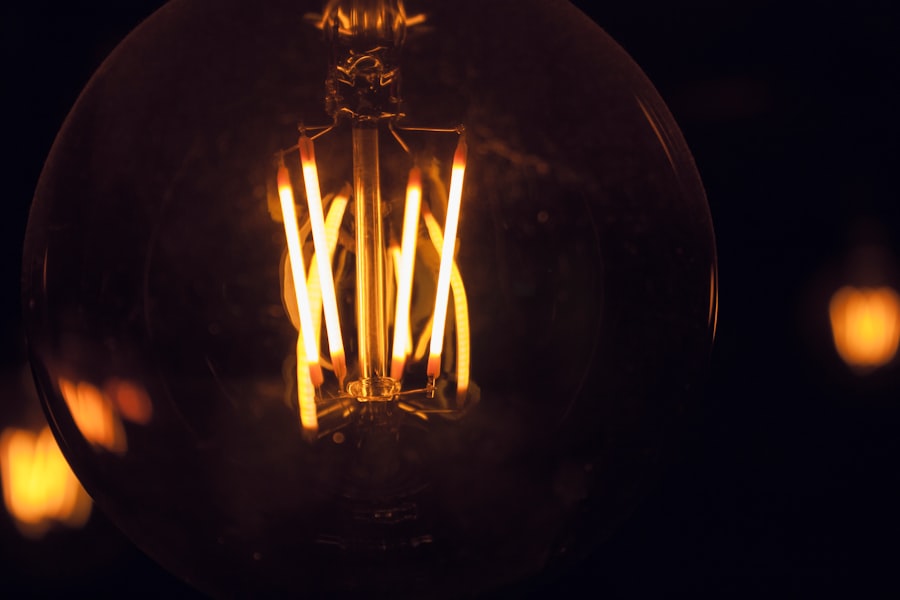
The conversation about light bulb burnout is incomplete without acknowledging the dramatic evolution of lighting technology, which has moved away from the rapid demise of incandescent bulbs towards more durable and efficient alternatives.
Incandescent Limitations: A Legacy of Short Lives
As discussed, incandescent bulbs, while pioneering, were fundamentally limited by their operational principle. The fragile filament, constantly battling extreme heat and evaporation, inherently dictated a relatively short lifespan, often measured in hundreds or at most a couple of thousand hours. This created a constant cycle of replacement, contributing to significant energy consumption and waste. The very mechanism that produced light was also its undoing.
The Rise of Fluorescent Lighting: Efficiency Gains, New Concerns
Fluorescent bulbs, utilizing a gas discharge and phosphorescent coating, offered a significant leap in efficiency and lifespan, often lasting tens of thousands of hours. They work by passing an electric current through mercury vapor, which emits ultraviolet light. This UV light then strikes a phosphor coating on the inside of the tube, causing it to glow. However, fluorescent bulbs introduced their own set of potential failure points. The electrodes at the ends of the tube, which initiate and maintain the electric arc, wear down over time. The ballast, a component that regulates the current, can also fail. While generally more durable than incandescents, their lifespan was still finite and subject to different environmental and operational stresses.
LED Revolution: Endurance and Intelligence
Light Emitting Diodes (LEDs) represent the current paradigm shift in lighting. LEDs are semiconductor devices that emit light when an electric current passes through them. They are remarkably efficient, durable, and offer lifespans that can extend to fifty thousand hours or more. Unlike incandescent filaments, LEDs do not rely on heat to produce light, drastically reducing the thermal stress. This inherent robustness, coupled with advanced thermal management systems, makes them far less prone to burnout. However, even LEDs can fail. Their lifespan can be affected by the quality of the semiconductor material, internal thermal management, and the driver circuitry that converts household AC power to the DC current LEDs require. Overheating remains a primary enemy, and poor quality components in the driver can lead to premature failure. Modern smart LED bulbs, with their integrated circuitry for dimming, color changing, and network connectivity, introduce additional potential failure points, although the core LED emitters themselves remain highly resilient.
Many people often wonder why light bulbs burn out so quickly, and this phenomenon can be attributed to several factors, including voltage fluctuations and the quality of the bulb itself. For a deeper understanding of this topic, you can explore a related article that discusses the lifespan of different types of bulbs and what you can do to extend their longevity. Check it out here to learn more about how to make your lighting last longer.
Manufacturing Defects and Quality Control: The Imperfect Process
| Factor | Description | Impact on Bulb Life | Typical Metric |
|---|---|---|---|
| Voltage Fluctuations | Variations in electrical voltage supply cause stress on filament | Reduces lifespan significantly | 10-30% decrease in life per 10% voltage increase |
| Frequent Switching | Turning bulbs on and off repeatedly causes thermal stress | Shortens bulb life | Up to 50% reduction in lifespan with frequent switching |
| Bulb Quality | Manufacturing quality and materials used affect durability | Higher quality bulbs last longer | Standard bulbs: 1,000 hours; High-quality bulbs: 2,000+ hours |
| Operating Temperature | Excess heat can cause filament evaporation and damage | Accelerates burnout | Optimal operating temp: 2500°C filament temperature |
| Vibration and Shock | Physical movement can weaken filament | Leads to early failure | Up to 20% reduction in lifespan in high vibration areas |
| Power Surges | Sudden spikes in power can cause immediate filament damage | Can cause instant burnout or reduce life drastically | Power surge tolerance varies; often no more than 5-10 surges |
Despite rigorous testing and quality control measures, the inherent complexity of manufacturing sophisticated electrical and optical devices means that occasional defects can slip through, leading to premature failure.
Material Imperfections: Subtle Flaws with Big Consequences
Even in high-quality materials, microscopic impurities or inconsistencies can exist. In an incandescent filament, a slight inhomogeneity could create a localized hot spot, accelerating evaporation. In LED chips, minute defects in the semiconductor crystal structure can lead to reduced efficiency and premature degradation of light output. These are like tiny cracks in a dam; individually insignificant, but under pressure, they can lead to a catastrophic breach.
Assembly Errors: The Human Element
The intricate processes involved in assembling light bulbs, from the delicate coiling of filaments to the precise encapsulation of LED chips, can be subject to human error or mechanical malfunction. A slightly misaligned component, insufficient sealing, or a poorly soldered connection can all create points of stress or inefficiency that lead to premature failure. While manufacturers strive for perfection, the sheer volume of production means that perfection is an aspirational goal rather than a guaranteed outcome for every single unit.
Design Flaws: Shortcomings in Conception
Occasionally, a design itself may possess inherent weaknesses that manifest as premature failures. This could involve inadequate thermal dissipation in an LED fixture, leading to overheating, or a susceptibility to voltage spikes due to insufficient protective circuitry. These flaws are typically identified through field data and subsequent design revisions, but they can contribute to a batch of bulbs failing prematurely. The iterative process of design and testing is crucial in identifying and rectifying such issues.
In conclusion, the premature burnout of a light bulb, whether it be the classic incandescent or a modern LED, is rarely attributable to a single cause. It is often the result of a complex interplay of the device’s fundamental design, the electrical power it receives, the environment in which it operates, and the inherent challenges of manufacturing. While technology has made immense strides in extending the lifespan of our lighting sources, understanding these factors empowers users to make informed choices, implement protective measures, and appreciate the subtle engineering marvel that brings light into our lives. The next time a bulb flickers and dies, you can consider it not just an inconvenience, but a small lesson in the intricate science of illumination.
FAQs
Why do light bulbs burn out quickly?
Light bulbs can burn out quickly due to factors such as voltage fluctuations, frequent switching on and off, poor quality manufacturing, or using a bulb with a wattage not suitable for the fixture.
Does the type of light bulb affect its lifespan?
Yes, different types of light bulbs have varying lifespans. For example, LED bulbs typically last much longer than incandescent or halogen bulbs.
Can voltage fluctuations cause light bulbs to burn out faster?
Yes, voltage spikes or inconsistent electrical supply can cause bulbs to overheat or fail prematurely.
How does frequent switching impact a light bulb’s life?
Turning a light bulb on and off frequently can shorten its lifespan, especially for incandescent and fluorescent bulbs, because the startup process stresses the filament or components.
Are there ways to extend the life of a light bulb?
Yes, using bulbs with the correct wattage, avoiding frequent switching, ensuring stable voltage supply, and choosing high-quality or LED bulbs can help extend a bulb’s life.