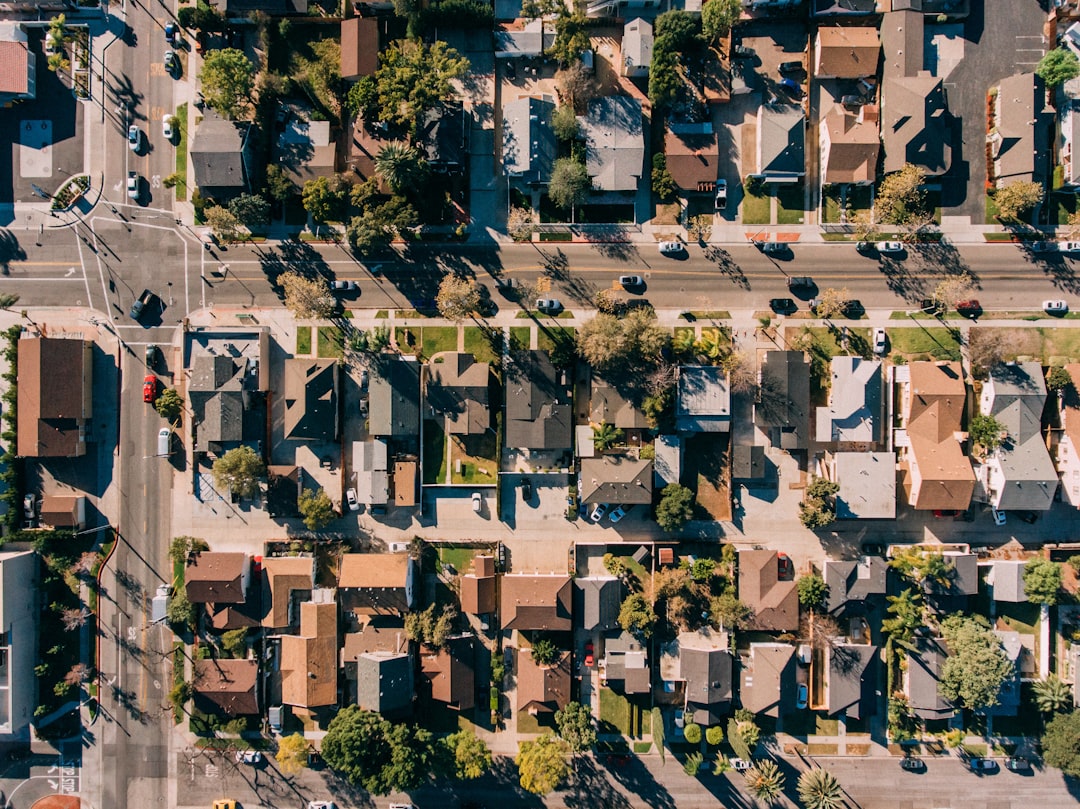
You might wonder why so much of your landscape looks the same, why the rows of identically pitched roofs, the uniform lot sizes, and the predictable street grids dominate the edges of our towns and cities. You see it everywhere – the sprawling developments that march relentlessly outward, consuming farmland and open space. There’s a reason for this homogeneity, a quiet force shaping the very fabric of your communities: banks. And their preference isn’t a matter of aesthetics or civic pride; it’s about calculated risk and predictable return. Banks prefer financing cookie-cutter suburban sprawl due to lower risk and higher demand.
When you consider how financial institutions operate, their primary directive is to manage risk. Lending money, at its core, involves assessing the likelihood of that money being repaid, with interest. For banks, this means scrutinizing every facet of a loan, from the borrower’s credit history to the collateral securing the debt. In the context of real estate development, the “collateral” is the property itself, and its inherent value and salability are paramount.
Understanding Credit Risk in Real Estate
Credit risk is the bedrock of banking. For a loan to be approved, banks need to be confident that the borrower, be it an individual purchasing a home or a developer constructing an entire neighborhood, has the capacity to repay. This confidence stems from a thorough assessment of their financial stability.
Borrower’s Financial Health
For individual mortgages, this means your credit score, income stability, debt-to-income ratio, and employment history are all scrutinized. A strong financial profile signals a lower likelihood of default.
Developer’s Track Record
For developers, banks look at their past projects. Have they successfully completed similar developments on time and within budget? What is their history of managing cash flow and navigating the complexities of construction? A proven track record significantly reduces the perceived risk for the bank.
Collateral Valuation: The Tangible Asset
Beyond the borrower, the physical asset being financed is crucial. For residential properties, this is the house and the land it sits on. Banks need assurance that if the borrower defaults, they can recoup their investment by selling the foreclosed property.
Market Stability and Predictability
Suburban sprawl developments, with their standardized designs and mass production, offer a high degree of predictability in terms of market value. The components are familiar: houses of similar size, materials, and amenities, situated on lots that are relatively uniform. This makes it easier for banks to appraise the properties and project their resale value.
Liquidity of Assets
In a worst-case scenario, a bank needs to be able to sell a foreclosed property relatively quickly. Densely populated suburban developments, with their abundance of similar homes, tend to have more liquid markets. There’s a constant demand for these types of homes from a broad segment of the population.
Erosion of Traditional Urban Neighborhoods
Conversely, older, more diverse urban neighborhoods, while offering unique charm and character, can present a more complex risk profile for lenders. The architectural styles might vary dramatically, the lot sizes irregular, and the established infrastructure might require significant investment to modernize. Furthermore, the precise market value of a unique historic home can be harder to pinpoint than that of a recently built tract home.
Banks often prefer financing cookie-cutter suburban sprawl due to the perceived stability and lower risk associated with these developments. The standardized nature of such projects allows for predictable returns on investment, as they typically attract a steady stream of buyers and renters. For a deeper understanding of this phenomenon and its implications on urban development, you can read a related article at Hey Did You Know This.
The Engine of Demand: Catering to a Broad Market
The preference for suburban sprawl financing isn’t solely about avoiding risk; it’s also about tapping into a powerful and consistent engine of demand. The archetype of the suburban home, often associated with family life, white picket fences, and a certain idealized notion of the “American Dream,” holds significant sway in the market.
The “American Dream” Narrative
For decades, media and cultural narratives have reinforced the idea that homeownership, particularly in a single-family detached home with a yard, represents a pinnacle of achievement and stability. This narrative creates a persistent and widespread desire for this type of housing.
Family Formation and Lifestyle Preferences
Many individuals and couples, especially those starting families, gravitate towards the perceived benefits of suburban living: access to good schools, larger yards for children to play, and a perceived sense of safety and community. This demographic creates a steady stream of potential homebuyers seeking these specific attributes.
Perceived Value and Affordability
While not always the most efficient land use, the mass production of cookie-cutter homes often allows for a degree of cost-effectiveness that can translate into perceived affordability for buyers. The standardization of construction processes and materials can lead to lower per-unit building costs, which in turn can be passed on to the consumer.
The Mortgage Market’s Response to Demand
The financial industry, ever attuned to market forces, responds directly to this sustained demand. When there is a clear and quantifiable market for a particular product – in this case, suburban homes – lenders are more inclined to finance the creation of that product.
Standardized Loan Products
The demand for suburban homes has led to the development and refinement of standardized mortgage products. Lenders are comfortable with these products because they are well-understood, have established underwriting guidelines, and have a proven history of performance in the market.
Secondary Market Facilitation
The secondary mortgage market, where loans are bought and sold by investors, plays a crucial role. Lenders can originate loans for suburban properties and then sell them to investors, freeing up their capital to make more loans. The predictable nature of suburban mortgages makes them particularly attractive to these secondary market participants, further incentivizing banks to finance them.
Efficiency and Scalability: The Banker’s Blueprint

Beyond risk and demand, the very structure of suburban sprawl development lends itself to the operational efficiencies that banks value. The repetitive nature of the construction process allows for streamlined financing and a predictable, scalable model.
Economies of Scale in Construction
Developing large tracts of land with similar houses allows builders to achieve significant economies of scale. Purchasing materials in bulk, using standardized construction techniques, and having a dedicated workforce for repetitive tasks all contribute to cost reductions.
Predictable Construction Timelines
The standardized nature of tract housing also means that construction timelines are generally more predictable. While unforeseen delays can always occur, the inherent simplicity of building many similar homes reduces the variability compared to constructing unique, custom-designed residences.
Streamlined Loan Origination Processes
For banks, efficiency in loan origination is directly tied to profitability. The more loans they can process, the more revenue they can generate.
Standardized Underwriting
When dealing with cookie-cutter homes, the underwriting process becomes largely standardized. The criteria for approving a mortgage on a 3-bedroom, 2-bathroom house on a quarter-acre lot in a particular subdivision are relatively consistent across multiple properties within that development. This reduces the time and resources needed for individual loan assessments.
Simplified Appraisals
As mentioned earlier, appraising standardized homes is a more straightforward process. Appraisers can rely on comparable sales of similar homes within the same development or closely related ones, making the valuation process faster and less subjective.
The Allure of “Developable Land”
From a banker’s perspective, large tracts of relatively flat, undeveloped land on the periphery of existing infrastructure are often viewed as ideal for development. This “developable land” offers a blank canvas, allowing for large-scale, standardized construction.
Infrastructure Expansion as a Predictable Cost
While the cost of extending utilities and roads to new developments is substantial, it’s a predictable cost that can be factored into the overall project budget. This contrasts with the more complex and uncertain costs associated with upgrading or retrofitting infrastructure in older, established areas.
Zoning and Permitting Advantages
Often, land zoned for extensive residential development on the outskirts of town comes with pre-approved zoning regulations that favor large-scale tract housing. This can streamline the permitting process, further contributing to the efficiency of the development model.
The Shadow of Gentrification and Urban Renewal
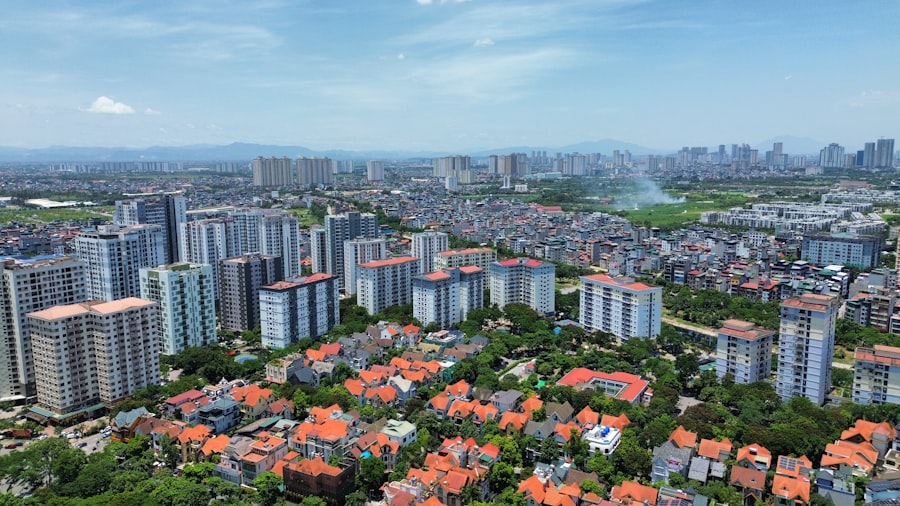
While banks are driven by financial considerations, their decisions have profound societal impacts. Their preference for suburban sprawl financing often comes at the expense of investing in existing urban neighborhoods, contributing to cycles of disinvestment and, ironically, making them susceptible to gentrification later on.
Disinvestment in Urban Cores
When capital flows predominantly towards new suburban developments, existing urban neighborhoods can experience a lack of investment. This can manifest as deteriorating infrastructure, fewer new businesses, and a decline in property values.
The Cycle of Decline
A lack of investment can lead to a perception of decline, which can further deter both individual homebuyers and developers. This creates a downward spiral where properties become less desirable, and the need for repair and maintenance goes unaddressed.
Impact on Local Businesses
Small businesses in urban areas often struggle when consumer spending shifts towards outlying commercial centers that accompany suburban growth. This can lead to store closures, further diminishing the vitality of urban cores.
Maintenance vs. New Construction
Banks often find it more straightforward to finance the construction of entirely new homes than to finance the renovation and rehabbing of older properties. The complexities of dealing with existing structures, potential for unforeseen issues during renovation, and a less standardized market for older homes can make these projects appear riskier.
The Paradox of Gentrification
Ironically, the very disinvestment that banks can contribute to in urban areas can set the stage for gentrification. As urban neighborhoods become more affordable due to a lack of investment, they can eventually attract developers and wealthier residents seeking lower-cost entry points into desirable urban locations.
Displacement of Existing Residents
Gentrification, while sometimes bringing new investment, often leads to the displacement of long-term residents and lower-income populations who can no longer afford the rising rents and property taxes. This displacement is a direct consequence of the changing economic landscape, a landscape that banks actively shape through their financing decisions.
Loss of Community Character
The influx of new residents and businesses, often accompanied by the demolition of older buildings and the construction of more modern, upscale developments, can fundamentally alter the character and culture of a neighborhood. This erosion of unique urban identity is a tangible loss.
The Role of Community Banks and Credit Unions
While national and large regional banks often exhibit a strong preference for large-scale suburban developments, smaller community banks and credit unions may play a more vital role in financing development within existing urban areas. Their local knowledge and community-focused mission can lead them to invest in projects that might not fit the risk-averse profile of larger institutions.
Understanding Local Markets
Community banks often have a deeper understanding of the nuances of their local urban markets, recognizing the potential for revitalization and the value of established neighborhoods.
Supporting Local Businesses and Residents
These institutions are more likely to support local businesses and provide mortgages to residents of diverse income levels within urban areas, contributing to a more equitable distribution of financial resources.
Many banks prefer financing cookie-cutter suburban sprawl due to the perceived lower risk and higher return on investment associated with these developments. This trend is often discussed in related articles that explore the economic motivations behind such financing decisions. For instance, a recent article highlights how the predictability of suburban housing markets attracts lenders looking for stable investments. You can read more about this phenomenon in the article found here. This preference for uniformity not only shapes the landscape but also influences community dynamics and environmental sustainability.
The Enduring Landscape: A Financial Footprint
| Reasons | Metrics |
|---|---|
| Lower Risk | Historically low default rates |
| Standardized Process | Streamlined underwriting and approval |
| Collateral Value | Stable property values in suburban areas |
| Market Demand | Consistent demand for suburban homes |
The financing preferences of banks are not abstract economic theories; they are etched into the physical landscape around you. The ubiquitous nature of suburban sprawl is a direct consequence of financial incentives that prioritize predictability, broad demand, and operational efficiency.
A Self-Perpetuating System
This system can become self-perpetuating. As more suburban developments are financed and built, they create more demand for similar developments. The established infrastructure and the perceived success of previous projects further solidify the appeal for financiers.
Government Policies and Subsidies
It’s important to note that government policies, zoning regulations, and even historical subsidies have often supported and encouraged suburban development. These factors work in conjunction with banking preferences to create the landscape you see today.
Infrastructure Funding
Historically, significant public investment has gone into building highways and extending utilities to suburban areas, effectively subsidizing the expansion of these developments and making them more attractive to private capital.
Mortgage Interest Deductions
Tax policies like the mortgage interest deduction have also historically favored homeowners, particularly those in single-family detached homes, which are more common in suburban settings.
The Cost of Homogeneity
The economic rationale behind financing suburban sprawl carries a significant hidden cost: the erosion of diverse and vibrant urban communities, the loss of open space, and the increased reliance on automobiles, contributing to environmental challenges.
Environmental Impact
The outward expansion of development contributes to habitat loss, increased carbon emissions from commuter traffic, and greater demand for resources like water and energy.
Social Equity and Affordability
The focus on new, often more expensive, suburban housing can exacerbate issues of housing affordability for those in established urban areas and limit housing options for lower and middle-income families.
The Future of Financing and Urban Development
As communities grapple with issues of sustainability, affordability, and equitable growth, there’s a growing conversation about shifting financial priorities. Encouraging investment in infill development, adaptive reuse of existing buildings, and the revitalization of urban cores requires financial institutions to re-evaluate their risk assessments and embrace a more nuanced approach.
Investing in Infill and Redevelopment
Supporting projects that utilize existing infrastructure and redevelop underutilized urban parcels can be a more sustainable and equitable approach to growth.
Innovative Financing Models
Developing innovative financing models that de-risk and incentivize investment in urban revitalization projects is crucial for creating more balanced and sustainable communities. This might include public-private partnerships, impact investing, or new approaches to assessing the value of community assets.
The cookie-cutter nature of suburban sprawl isn’t an accident of taste; it’s a deliberate outcome driven by financial logic. You see its influence in the familiar layouts of neighborhoods, the predictable street grids, and the perceived ease with which these developments are brought to life. Banks, by their very nature, seek to minimize risk and maximize predictable returns. In the realm of real estate development, the standardized, high-demand product of suburban sprawl has, historically, checked those boxes most reliably. Understanding this financial calculus is key to understanding the physical and social landscape you inhabit.
FAQs
1. Why do banks prefer financing cookie cutter suburban sprawl?
Banks prefer financing cookie cutter suburban sprawl because these developments are seen as low-risk investments due to their predictable and consistent returns. The standardized nature of these developments makes it easier for banks to assess the risk and potential profitability of the investment.
2. What are some characteristics of cookie cutter suburban sprawl that make it attractive to banks for financing?
Cookie cutter suburban sprawl developments typically have standardized designs, predictable demand, and a track record of successful sales. These characteristics make it easier for banks to evaluate the potential profitability and risk associated with financing such projects.
3. How does cookie cutter suburban sprawl align with banks’ lending criteria?
Cookie cutter suburban sprawl developments often align with banks’ lending criteria by offering a low-risk investment opportunity with a steady stream of income. These developments typically have a proven track record of successful sales and a predictable demand, making them attractive to banks for financing.
4. What are some potential drawbacks of banks preferring to finance cookie cutter suburban sprawl?
Some potential drawbacks of banks preferring to finance cookie cutter suburban sprawl include contributing to urban sprawl, environmental concerns, and the potential for creating homogeneous communities. Additionally, financing these developments may limit investment in more diverse and sustainable urban development projects.
5. Are there alternative financing options for more diverse and sustainable urban development projects?
Yes, there are alternative financing options for more diverse and sustainable urban development projects, such as impact investing, community development financial institutions (CDFIs), and green bonds. These alternative financing options prioritize social and environmental impact alongside financial returns, making them suitable for diverse and sustainable urban development projects.