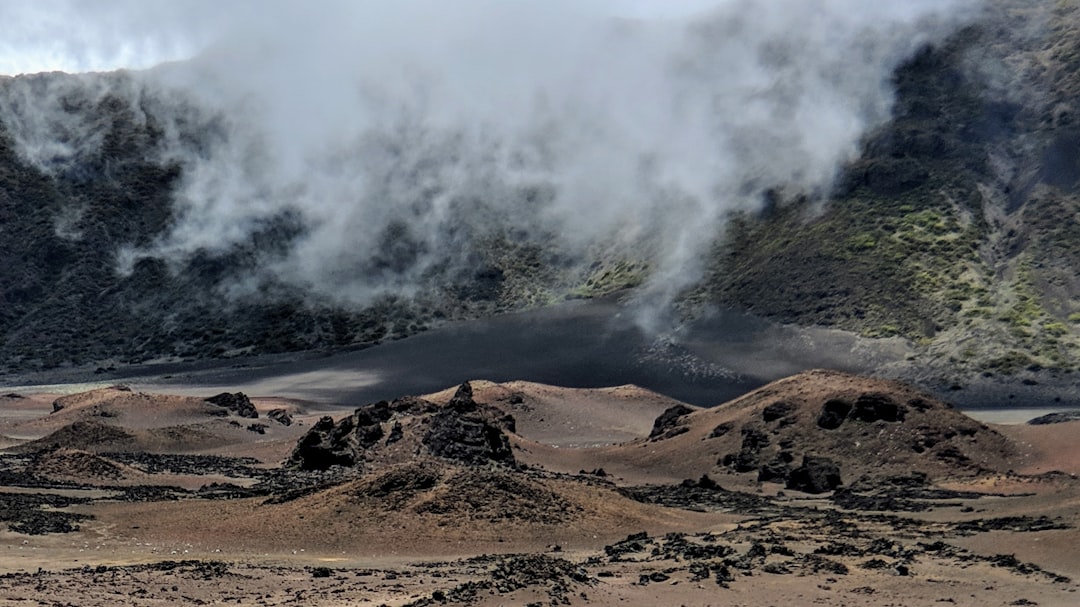
Volcanic outgassing is a natural phenomenon that plays a crucial role in shaping the Earth’s atmosphere and influencing its climate. This process involves the release of gases from magma during volcanic eruptions, which can include a variety of substances such as water vapor, carbon dioxide, sulfur dioxide, and other trace gases. The significance of volcanic outgassing extends beyond mere geological interest; it is a fundamental component of the planet’s carbon cycle and has far-reaching implications for environmental science and climate studies.
Understanding this process is essential for comprehending how the Earth’s systems interact and how they have evolved over geological time. The gases emitted during volcanic activity can have both immediate and long-term effects on the environment. For instance, while some gases contribute to atmospheric warming, others can lead to cooling effects by reflecting sunlight away from the Earth.
The dual nature of these emissions highlights the complexity of volcanic outgassing and its role in the broader context of Earth’s climate system. As scientists continue to study these processes, they uncover the intricate relationships between volcanic activity, atmospheric composition, and climate dynamics.
Key Takeaways
- Volcanic outgassing releases significant gases like CO2 that play a crucial role in the Earth’s carbon cycle.
- The gases emitted during eruptions impact atmospheric composition and can influence climate patterns.
- Volcanic outgassing contributes to ocean acidification by increasing carbon dioxide levels in seawater.
- The interaction between volcanic outgassing and carbonate mineral formation creates a feedback loop affecting global carbon balance.
- Understanding volcanic outgassing is essential for studying climate change and developing strategies to mitigate its effects on the carbon cycle.
The Role of Volcanic Outgassing in the Carbon Cycle
Volcanic outgassing is a significant contributor to the carbon cycle, a natural process that regulates the movement of carbon among the atmosphere, oceans, soil, and living organisms. During volcanic eruptions, substantial amounts of carbon dioxide are released into the atmosphere, which can influence global carbon levels. This release is part of a larger cycle that includes carbon sequestration through processes such as photosynthesis and sedimentation.
The balance between these processes is vital for maintaining a stable climate and supporting life on Earth. The contribution of volcanic outgassing to the carbon cycle is particularly noteworthy when considering geological timescales. Over millions of years, volcanic activity has played a pivotal role in shaping atmospheric carbon levels.
For example, during periods of intense volcanic activity, such as the Permian-Triassic extinction event, significant outgassing contributed to dramatic increases in atmospheric CO2 concentrations. This historical perspective underscores the importance of understanding volcanic outgassing as a natural mechanism that can both stabilize and destabilize the carbon cycle.
Types of Gases Released During Volcanic Eruptions
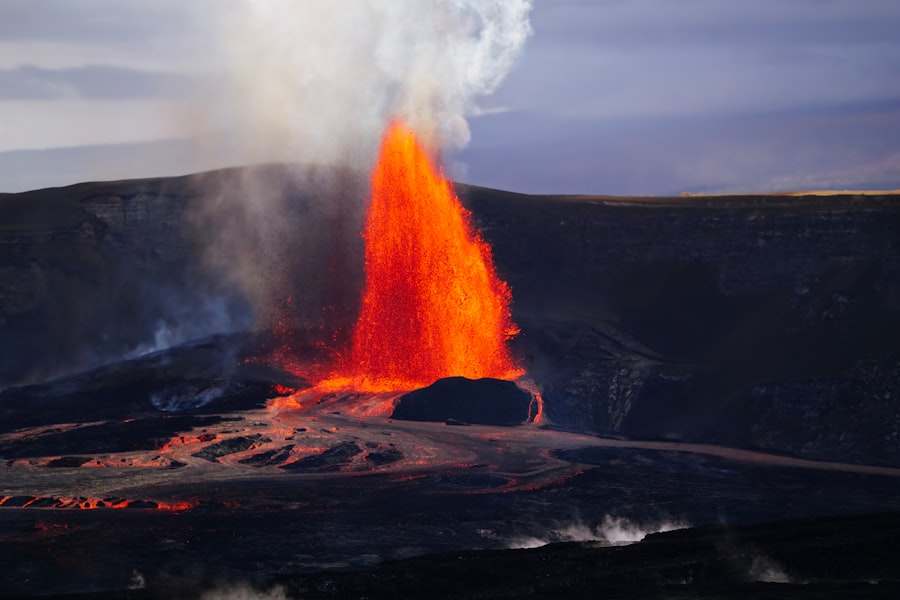
The gases released during volcanic eruptions are diverse and can vary significantly depending on the composition of the magma and the nature of the eruption itself. The most common gas emitted is water vapor, which can account for up to 90% of the total gas output during an eruption. This water vapor plays a crucial role in atmospheric processes and can contribute to cloud formation and precipitation patterns.
In addition to water vapor, carbon dioxide is another major component of volcanic emissions, with significant implications for climate and atmospheric chemistry. Other gases released during volcanic eruptions include sulfur dioxide, hydrogen sulfide, and various trace gases such as hydrogen chloride and fluorine compounds. Sulfur dioxide, in particular, can lead to the formation of sulfate aerosols in the atmosphere, which have a cooling effect by reflecting sunlight.
The interplay between these gases and their varying impacts on climate and air quality illustrates the complexity of volcanic outgassing and its significance in environmental science.
Impact of Volcanic Outgassing on the Atmosphere
The impact of volcanic outgassing on the atmosphere is multifaceted and can lead to both short-term and long-term changes in atmospheric composition. Immediately following an eruption, large quantities of gases are injected into the stratosphere, where they can influence weather patterns and climate conditions. For instance, sulfur dioxide can form sulfate aerosols that reflect sunlight, leading to temporary cooling effects on a global scale.
Historical eruptions, such as Mount Pinatubo in 1991, have demonstrated how volcanic emissions can lead to measurable decreases in global temperatures for several years. In addition to cooling effects, volcanic outgassing can also contribute to air quality issues. The release of gases like sulfur dioxide and hydrogen sulfide can lead to acid rain formation and respiratory problems for living organisms.
The interaction between volcanic gases and atmospheric constituents can create complex chemical reactions that further alter air quality. Understanding these impacts is essential for assessing the broader implications of volcanic activity on human health and environmental stability.
Volcanic Outgassing and Climate Change
| Parameter | Value | Units | Description |
|---|---|---|---|
| Volcanic CO₂ Emission Rate | 0.15 – 0.26 | Gt C/year | Annual global carbon dioxide released by volcanic outgassing |
| Atmospheric CO₂ Concentration | 280 – 420 | ppm | Pre-industrial to modern atmospheric CO₂ levels |
| Carbonate Weathering Rate | 0.3 – 0.5 | Gt C/year | Carbon removal from atmosphere via chemical weathering of carbonates |
| Organic Carbon Burial Rate | 0.1 – 0.2 | Gt C/year | Carbon sequestered in sediments through organic matter burial |
| Residence Time of Carbon in Atmosphere | 5 – 10 | Years | Average time carbon remains in the atmosphere before cycling out |
| Volcanic Outgassing Contribution to Carbon Cycle | ~10% | Percent | Estimated contribution of volcanic outgassing to total carbon fluxes |
Volcanic outgassing has a dual relationship with climate change; it can both contribute to and mitigate changes in global temperatures. On one hand, the release of greenhouse gases like carbon dioxide during eruptions can enhance the greenhouse effect, leading to warming trends over geological timescales. Conversely, the cooling effects associated with sulfur dioxide emissions can temporarily counteract warming trends caused by anthropogenic activities.
This complex interplay highlights the need for a nuanced understanding of how volcanic activity interacts with climate change. Moreover, the long-term effects of volcanic outgassing on climate are influenced by various factors, including the frequency and intensity of eruptions. Periods of increased volcanic activity can lead to significant fluctuations in atmospheric carbon levels, which may have cascading effects on ecosystems and weather patterns.
As researchers continue to explore these dynamics, they emphasize the importance of integrating volcanic outgassing into climate models to better predict future climate scenarios.
The Influence of Volcanic Outgassing on Ocean Acidification
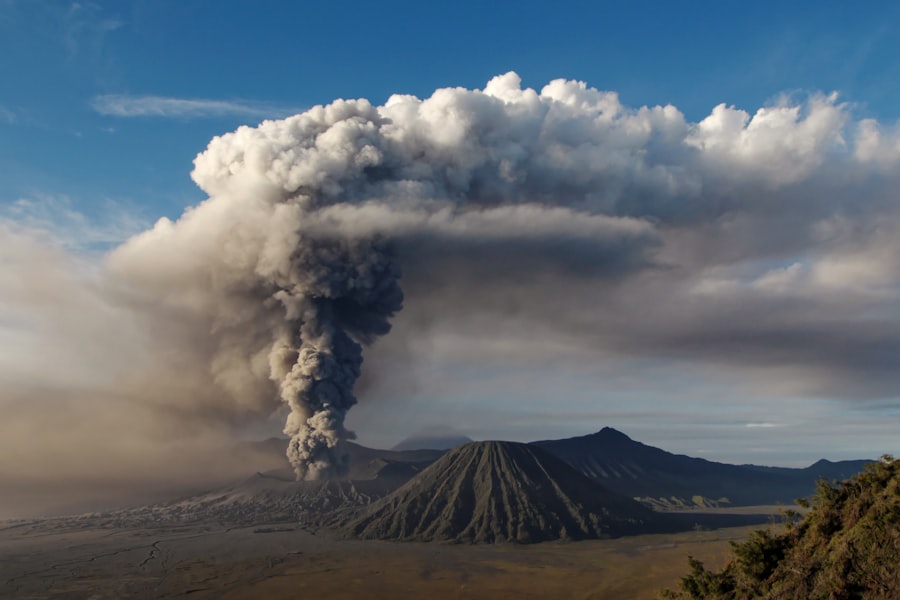
Volcanic outgassing also plays a critical role in ocean chemistry, particularly concerning ocean acidification. When carbon dioxide is released into the atmosphere during volcanic eruptions, a portion of it eventually dissolves in ocean waters, leading to increased acidity levels. This process can have detrimental effects on marine ecosystems, particularly for organisms that rely on calcium carbonate for their shells and skeletons, such as corals and certain shellfish.
This shift in ocean chemistry poses significant challenges for marine life and ecosystems, highlighting the need for ongoing research into how volcanic activity influences ocean health.
Volcanic Outgassing and the Formation of Carbonate Minerals
The gases released during volcanic outgassing also contribute to the formation of carbonate minerals through various geological processes. Carbon dioxide emitted from volcanoes can react with minerals in rocks or sediments to form carbonate compounds such as calcite or aragonite. These minerals play an essential role in carbon sequestration by locking away carbon in solid forms that can persist for millions of years.
The formation of carbonate minerals is not only significant for understanding carbon cycling but also has implications for geological storage solutions aimed at mitigating climate change. By studying how volcanic outgassing contributes to carbonate mineral formation, scientists can gain insights into natural processes that sequester carbon and explore potential strategies for enhancing these processes in efforts to combat rising atmospheric CO2 levels.
The Feedback Loop Between Volcanic Outgassing and the Carbon Cycle
The relationship between volcanic outgassing and the carbon cycle is characterized by a feedback loop that can amplify or dampen changes in atmospheric carbon levels. When volcanoes erupt and release significant amounts of CO2 into the atmosphere, this influx can lead to increased greenhouse warming over time. However, this warming may also trigger changes in weathering processes on land and in oceans that enhance carbon sequestration through mineral formation or biological uptake.
Conversely, if increased atmospheric CO2 leads to enhanced weathering rates or greater biological productivity in oceans, this could result in more carbon being sequestered back into geological formations or organic matter. This feedback loop illustrates how interconnected Earth’s systems are and emphasizes the importance of understanding these dynamics when studying climate change and its potential impacts.
Studying Volcanic Outgassing and its Effects on the Carbon Cycle
Research into volcanic outgassing is essential for understanding its effects on the carbon cycle and broader environmental implications. Scientists employ various methods to study gas emissions from active volcanoes, including remote sensing technologies, field measurements, and laboratory analyses. These approaches allow researchers to quantify gas outputs accurately and assess their impacts on atmospheric composition.
Additionally, paleoclimate studies that examine historical volcanic activity provide valuable insights into how past eruptions have influenced atmospheric conditions over geological timescales. By integrating data from various sources—such as ice cores, sediment records, and geological formations—scientists can reconstruct past climates and better understand how volcanic outgassing has shaped Earth’s carbon cycle throughout history.
Mitigating the Effects of Volcanic Outgassing on the Carbon Cycle
While volcanic outgassing is a natural process that cannot be controlled or prevented, understanding its effects allows for better mitigation strategies regarding its impact on climate change. One approach involves enhancing natural carbon sequestration processes through land management practices that promote soil health and vegetation growth. By increasing plant biomass through reforestation or sustainable agriculture practices, it may be possible to offset some of the CO2 released during volcanic eruptions.
Furthermore, ongoing research into geological carbon storage techniques aims to develop methods for capturing CO2 emissions from both natural sources like volcanoes and anthropogenic activities. By exploring innovative technologies that facilitate carbon capture and storage (CCS), scientists hope to mitigate some impacts associated with increased atmospheric CO2 levels resulting from volcanic activity.
The Importance of Understanding Volcanic Outgassing for the Carbon Cycle
In conclusion, understanding volcanic outgassing is vital for comprehending its role within the carbon cycle and its broader implications for climate change and environmental health. As a natural process that influences atmospheric composition over both short-term events and long geological timescales, volcanic outgassing serves as a reminder of Earth’s dynamic systems. By studying this phenomenon further—through research initiatives focused on gas emissions monitoring, historical analysis, and innovative mitigation strategies—scientists can gain valuable insights into how best to navigate challenges posed by climate change while appreciating our planet’s complex interactions between geology and atmosphere.
The intricate relationships between volcanic activity, atmospheric chemistry, ocean health, and climate dynamics underscore why continued research into volcanic outgassing remains essential for future generations seeking sustainable solutions to environmental challenges. Understanding these processes not only enriches scientific knowledge but also informs policy decisions aimed at preserving Earth’s delicate balance within its interconnected systems.
Volcanic outgassing plays a significant role in the carbon cycle, contributing to the release of carbon dioxide into the atmosphere, which can influence climate patterns over geological timescales. For a deeper understanding of how volcanic activity interacts with the carbon cycle, you can explore this related article on the subject. Check it out here: Volcanic Outgassing and the Carbon Cycle.
WATCH THIS! 🌍 They Lied About When Earth Dies 🌍
FAQs
What is volcanic outgassing?
Volcanic outgassing is the release of gases from magma beneath the Earth’s surface during volcanic eruptions or through diffuse emissions. These gases primarily include water vapor (H2O), carbon dioxide (CO2), sulfur dioxide (SO2), and other trace gases.
How does volcanic outgassing affect the carbon cycle?
Volcanic outgassing contributes carbon dioxide (CO2) to the atmosphere, which is a key component of the long-term carbon cycle. This CO2 released from Earth’s interior replenishes atmospheric carbon and influences global climate over geological timescales.
What role does volcanic CO2 play in Earth’s climate?
Volcanic CO2 emissions add greenhouse gases to the atmosphere, which can contribute to warming. Over millions of years, volcanic outgassing helps regulate Earth’s climate by balancing carbon inputs and outputs in the carbon cycle.
How is volcanic outgassing measured?
Scientists measure volcanic outgassing using direct gas sampling at volcanic vents, remote sensing techniques such as satellite observations, and monitoring of volcanic plumes with instruments like spectrometers.
Is volcanic outgassing the main source of atmospheric CO2?
No, volcanic outgassing is a natural source of CO2 but contributes a smaller amount compared to human activities like fossil fuel burning. However, it is a critical natural process maintaining the long-term carbon balance.
How does volcanic outgassing interact with other parts of the carbon cycle?
Volcanic CO2 released into the atmosphere can be absorbed by oceans and terrestrial ecosystems. Over time, it can be stored in rocks through processes like weathering and sedimentation, completing the carbon cycle loop.
Can volcanic outgassing cause climate change?
Large volcanic eruptions can influence climate temporarily by releasing CO2 and aerosols. While CO2 contributes to warming, sulfur aerosols can cause short-term cooling. Over geological timescales, sustained volcanic outgassing affects Earth’s climate system.
What gases are commonly released during volcanic outgassing besides CO2?
Besides carbon dioxide, volcanic outgassing commonly releases water vapor (H2O), sulfur dioxide (SO2), hydrogen sulfide (H2S), hydrogen (H2), and trace amounts of other gases like methane (CH4) and nitrogen (N2).
How does volcanic outgassing vary between different types of volcanoes?
Volcanic outgassing rates and gas compositions vary depending on magma chemistry, eruption style, and tectonic setting. For example, basaltic volcanoes tend to release more CO2 and water vapor, while more explosive volcanoes may emit higher sulfur gases.
Why is understanding volcanic outgassing important for climate science?
Understanding volcanic outgassing helps scientists reconstruct past atmospheric CO2 levels, assess natural contributions to greenhouse gases, and improve models predicting future climate change by accounting for natural carbon sources.