
Your journey on the road, a seemingly mundane act of transportation, contributes to a silent crisis unfolding beneath the waves. The very things that grip the asphalt, your vehicle’s tires, are shedding microscopic particles that are now a significant and growing threat to the health of our oceans. These aren’t the visible chunks of rubber you might imagine; instead, we’re talking about tire wear particles (TWPs), a ubiquitous form of microplastic that now permeates our aquatic environments.
The connection between your car and the ocean might seem distant, but it’s a direct, albeit microscopic, one. Every time your tires interact with the road surface – braking, accelerating, turning, or simply enduring the friction of movement – they shed tiny fragments. These particles, often less than 5 millimeters in size, are complex mixtures of the synthetic rubber polymers, along with various reinforcing fillers like carbon black, curing agents, and other additives.
The Composition of a Tire and Its Environmental Fallout
- Synthetic Rubber: The backbone of your tires is typically made from styrene-butadiene rubber (SBR), a petroleum-based polymer. While essential for grip and durability, SBR is not biodegradable and persists in the environment for centuries.
- Carbon Black: This finely divided form of amorphous carbon is incorporated to improve strength, wear resistance, and UV stability. Carbon black itself can adsorb and concentrate other pollutants.
- Additives and Accelerators: A cocktail of chemicals, including sulfur compounds and zinc oxide, are used to facilitate the vulcanization process – the chemical treatment that gives rubber its elasticity and strength. These additives can leach out and contribute to water contamination.
- Tread Patterns and Surface Interactions: The intricate designs of tire treads are engineered for optimal performance. However, these designs also create increased surface area for abrasion against road surfaces, accelerating the rate of particle generation.
The Journey from Road to River, and Then to Sea
The path these tire wear particles take from your vehicle to the ocean is a multi-stage process. It begins with atmospheric deposition and direct runoff.
Atmospheric Deposition: The Airborne Contaminant
- When tires abrade, fine particles are released into the air. These microscopic specks can remain suspended for significant periods, traveling considerable distances on wind currents.
- Eventually, these airborne particles settle onto land surfaces, including vegetation, buildings, and directly onto road surfaces.
- This atmospheric dispersal means that even if you live far inland, your vehicle’s tire wear can contribute to tire particle pollution in areas closer to the coast.
Stormwater Runoff: The Primary Transport Mechanism
- The vast majority of tire wear particles enter the environment through stormwater runoff. Rain and other precipitation wash these particles from roads and other impervious surfaces.
- These particles are not isolated; they often adhere to larger debris, soil particles, and organic matter, forming a complex mixture that is swept into drainage systems.
- Urban and suburban areas, with their extensive networks of roads and limited permeable surfaces, are particularly significant contributors to this problem. The more vehicles on the road, the greater the volume of tire wear particles generated.
Recent studies have highlighted the concerning impact of microplastics in the ocean, particularly those originating from vehicle tires. As tires wear down, they release tiny particles that can wash into waterways, contributing to the growing pollution problem in marine environments. For more insights on this issue and its implications for ocean health, you can read a related article at Hey Did You Know This.
The Ocean’s Growing Burden: Tire Microplastics in Marine Ecosystems
Once introduced into waterways, tire wear particles embark on a lengthy journey, eventually reaching the oceans. Here, they become a pervasive form of microplastic pollution, interacting with marine life and ecosystems in concerning ways.
Ubiquitous Presence: From Coastal Waters to the Deep Sea
- Studies have consistently detected tire wear particles in a wide range of marine environments, from surface waters and sediments to the guts of marine organisms.
- Coastal areas, receiving direct input from river systems and urban runoff, often exhibit the highest concentrations. However, research is increasingly revealing their presence in more remote oceanic regions as well.
- The sheer volume of tire wear generated globally means that even remote ocean areas are not immune to this pervasive pollution.
Persistence and Bioaccumulation: A Lingering Threat
- Unlike some natural materials, the polymers in tire wear particles are designed for durability. This resilience, while beneficial for tire performance, means they persist in the marine environment for extended periods, breaking down into even smaller fragments if at all.
- There is growing evidence suggesting that tire wear particles can accumulate in the tissues of marine organisms. While the extent and significance of this bioaccumulation are still under investigation, it raises concerns about the potential for trophic transfer, where contaminants move up the food chain.
Impacts on Marine Life: A Microscopic Menace
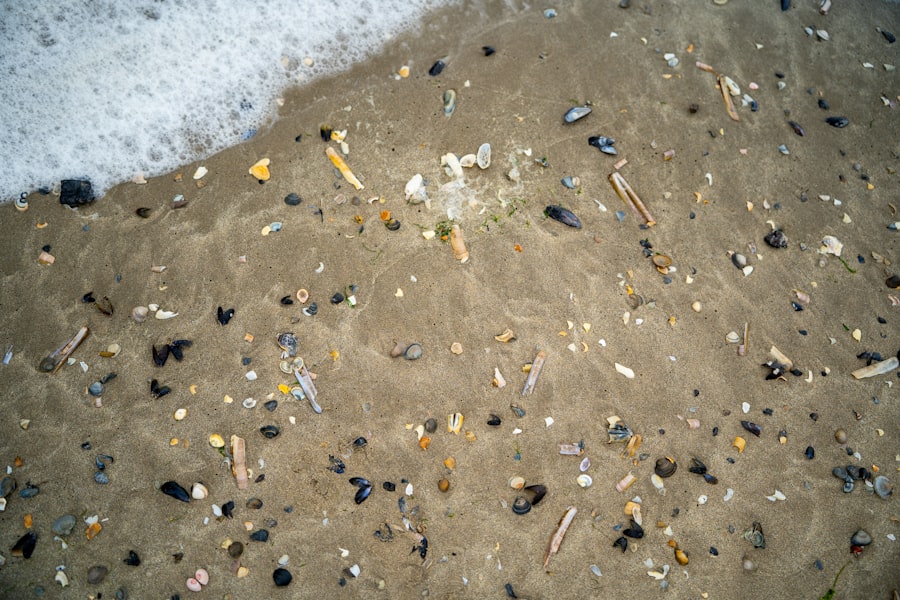
The presence of tire wear particles in the ocean is not merely an aesthetic issue; it represents a tangible threat to the health and survival of marine organisms, from the smallest plankton to larger vertebrates.
Ingestion and Physical Harm: A False Sense of Food
- Marine animals, mistaking tire wear particles for food, ingest them. This is particularly concerning for filter feeders, such as bivalves and zooplankton, which indiscriminately consume particles from the water column.
- Ingestion can lead to a false sense of satiation, causing animals to consume less actual food, thereby leading to malnutrition and starvation.
- The physical presence of these particles in the digestive tract can cause internal abrasions, blockages, and inflammation, impairing nutrient absorption and overall digestive function.
Leaching of Toxic Chemicals: A Hidden Danger
- Beyond their physical presence, tire wear particles act as carriers for a variety of toxic chemicals. These chemicals can leach out of the particles once they are in the marine environment, potentially harming marine organisms.
- The additives present in tires, such as heavy metals like zinc and organic compounds, can be toxic to marine life, even at low concentrations.
- Furthermore, tire wear particles can adsorb other pollutants already present in the water, such as persistent organic pollutants (POPs) and heavy metals, effectively concentrating them and delivering them to marine organisms upon ingestion.
Subtler Effects: Reproduction and Development
- Emerging research suggests that tire wear particles can have more subtle, yet significant, impacts on marine life’s physiological processes.
- Studies have indicated potential disruptions to reproductive cycles, reduced fertility, and developmental abnormalities in some marine species exposed to these particles.
- The long-term consequences of these subtle effects on marine populations and overall ecosystem health are still being understood but are a growing area of concern.
The Broader Environmental Ramifications: Beyond the Individual Organism
The threat posed by tire wear particles extends beyond the direct impact on individual marine organisms. Their pervasive nature and persistence have broader implications for the entire marine ecosystem.
Disruption of Food Webs: A Domino Effect
- As tire wear particles impact primary consumers like zooplankton and smaller invertebrates, the effects can cascade up the food web.
- Predatory species that rely on these smaller organisms for sustenance may experience reduced food availability or ingest contaminated prey, leading to bioaccumulation of toxins.
- This disruption can alter the balance of marine food webs, potentially leading to population declines in various species and shifts in ecosystem structure.
Sediment Contamination: A Long-Term Reservoir
- Tire wear particles, being denser than some other microplastics, tend to settle into marine sediments. This creates long-term reservoirs of pollution.
- Benthic organisms, those living in or on the seafloor, are particularly vulnerable to ingesting these particles from the sediment.
- Disturbances to sediments, such as those caused by maritime activities or natural currents, can re-suspend these particles, introducing them back into the water column and perpetuating the cycle of contamination.
Contribution to the Global Microplastic Problem: An Unacknowledged Contributor
- While much attention is rightly focused on larger plastic debris, tire wear particles represent a significant and often overlooked component of the global microplastic pollution crisis.
- Globally, the annual release of tire wear particles is estimated to be in the millions of tons, rivaling or even exceeding the contribution of other plastic sources to marine pollution.
- Addressing tire wear particle pollution is crucial for a comprehensive strategy to combat the broader microplastic problem in our oceans.
Recent studies have highlighted the alarming impact of microplastics on marine ecosystems, particularly those originating from vehicle tires. These tiny particles, which are shed during normal tire wear, contribute significantly to the pollution of our oceans and pose serious threats to marine life. For a deeper understanding of this issue and its implications, you can read more in this informative article about microplastics in the ocean from vehicle tires here.
Moving Forward: Mitigation and Solutions
| Location | Amount of Microplastics (per square kilometer) | Source |
|---|---|---|
| North Atlantic Ocean | Over 1 million | Vehicle tire wear and tear |
| North Pacific Ocean | Around 300,000 | Microplastics from vehicle tires |
| Indian Ocean | Approximately 700,000 | Contribution from vehicle tire microplastics |
The growing awareness of tire wear particles as a significant environmental threat necessitates a multi-faceted approach to mitigation and solution development. This requires action on multiple fronts, from individual behavior to industrial innovation.
Addressing the Source: Innovations in Tire Design and Material Science
- Low-Wear Tire Development: Tire manufacturers are increasingly investing in research and development aimed at creating tires that shed fewer particles. This involves exploring new rubber compounds, tread designs, and manufacturing processes that enhance durability and reduce abrasion.
- Biodegradable and Sustainable Materials: The long-term goal is to transition towards more sustainable and, where possible, biodegradable materials for tire production. While challenging, advancements in material science offer promising avenues for the future.
- Improved Tire Maintenance: Regular tire inspection and maintenance, including proper inflation and alignment, can help reduce uneven wear and thus minimize particle shedding.
Capturing and Filtering: Innovations in Urban Infrastructure and Vehicle Technology
- Stormwater Management Systems: Implementing and improving advanced stormwater management systems in urban areas is crucial. These systems can be designed to capture tire wear particles and other pollutants before they reach waterways. Techniques include sediment traps, bio-retention areas, and advanced filtration technologies.
- Road Surface Treatments: Research is ongoing into road surface materials and treatments that could potentially reduce tire abrasion or capture shed particles.
- On-Vehicle Filtration: While still in early stages, the concept of on-vehicle filtration systems that capture tire wear particles directly from the air before they are dispersed is being explored.
Policy and Regulation: Driving Change Through Legislation
- Stricter Emission Standards: Governments can play a vital role by implementing stricter environmental regulations and emission standards related to tire wear particles. This would incentivize manufacturers to invest in cleaner technologies and sustainable practices.
- Public Awareness Campaigns: Educating the public about the impact of tire wear particles and promoting responsible driving habits can contribute to behavioral change. Campaigns can highlight the link between vehicle use and ocean health.
- Research and Monitoring: Continued investment in scientific research is essential to better understand the sources, pathways, impacts, and potential solutions related to tire wear particles. Robust monitoring programs are needed to track the effectiveness of mitigation strategies.
By acknowledging this unseen threat and actively pursuing solutions, you, as a vehicle owner and a member of a global society, can contribute to safeguarding the health of our oceans for generations to come. The tires beneath your feet are a constant reminder of our interconnectedness with the natural world, and it’s time to address the silent scars they leave on our blue planet.
FAQs
What are microplastics from vehicle tires?
Microplastics from vehicle tires are tiny particles of plastic that are released into the environment when tires wear down and degrade. These particles are typically less than 5mm in size and can be found in various environments, including the ocean.
How do microplastics from vehicle tires end up in the ocean?
Microplastics from vehicle tires can end up in the ocean through a variety of pathways. When tires wear down, the tiny particles are released onto roads and eventually washed into storm drains, rivers, and other waterways. From there, they can make their way into the ocean through runoff and other means.
What are the potential impacts of microplastics from vehicle tires on the ocean ecosystem?
The presence of microplastics from vehicle tires in the ocean can have a range of potential impacts on the marine ecosystem. These impacts may include ingestion by marine organisms, physical harm to marine life, and the potential for toxic chemicals to be released into the environment.
What measures are being taken to address the issue of microplastics from vehicle tires in the ocean?
Efforts to address the issue of microplastics from vehicle tires in the ocean include research to better understand the sources and pathways of these particles, as well as the development of technologies and policies aimed at reducing tire wear and the release of microplastics into the environment.
What can individuals do to help reduce the impact of microplastics from vehicle tires on the ocean?
Individuals can help reduce the impact of microplastics from vehicle tires on the ocean by properly maintaining their vehicles, using eco-friendly tires, and supporting initiatives aimed at reducing plastic pollution and promoting sustainable transportation practices.