
In recent years, consumer and professional concern about processed cheese in the United States has increased substantially. Growing awareness of dietary choices has prompted closer examination of processed foods, particularly those commonly consumed in American diets. Processed cheese, which offers extended shelf life and convenience, has attracted criticism regarding its nutritional profile.
These products typically contain additives, preservatives, and artificial flavors. As consumers gain more information about food choices and their health effects, demand has grown for greater transparency and healthier alternatives, leading to reassessment of processed cheese’s role in contemporary nutrition. Research increasingly links processed foods to various health conditions, intensifying these concerns.
Scientific studies suggest that high consumption of processed cheese may be associated with obesity, cardiovascular disease, and other chronic illnesses. Consequently, consumers are actively seeking alternatives that support their health objectives. This change in consumer preferences has affected both individual buying habits and overall market dynamics, resulting in decreased demand for processed cheese products.
The widespread availability of processed cheese in American households is being challenged by health-conscious consumers who prefer natural and minimally processed food options.
Key Takeaways
- Growing health concerns have led to bans on US processed cheese in several international markets.
- These bans significantly impact US processed cheese manufacturers’ export opportunities and revenues.
- Health risks linked to processed cheese include high levels of additives, preservatives, and unhealthy fats.
- Consumers are increasingly seeking natural, organic, and clean-label alternatives to processed cheese.
- Government regulations and social media advocacy are driving a global shift toward healthier, more transparent food options.
The Ban on US Processed Cheese in Overseas Markets
The international response to US processed cheese has been equally revealing, with several countries imposing bans or restrictions on its importation. These measures stem from growing concerns about food safety and nutritional quality, as many nations have adopted stricter regulations regarding food products. Countries such as the European Union members have long been wary of American food products, often citing differences in food safety standards and labeling practices.
The ban on US processed cheese in these markets reflects a broader trend of prioritizing consumer health and safety over convenience. The implications of these bans extend beyond mere trade restrictions; they signify a shift in global attitudes toward food quality and safety. As international markets become increasingly discerning about the products they allow, US processed cheese manufacturers face significant challenges in maintaining their market share abroad.
The bans not only limit access to lucrative overseas markets but also compel manufacturers to reconsider their production practices and ingredient sourcing. This evolving landscape underscores the necessity for US producers to adapt to the changing demands of global consumers who prioritize health and quality over traditional processed options. The controversial product was recently banned in Europe due to safety concerns.
The Impact on US Processed Cheese Manufacturers
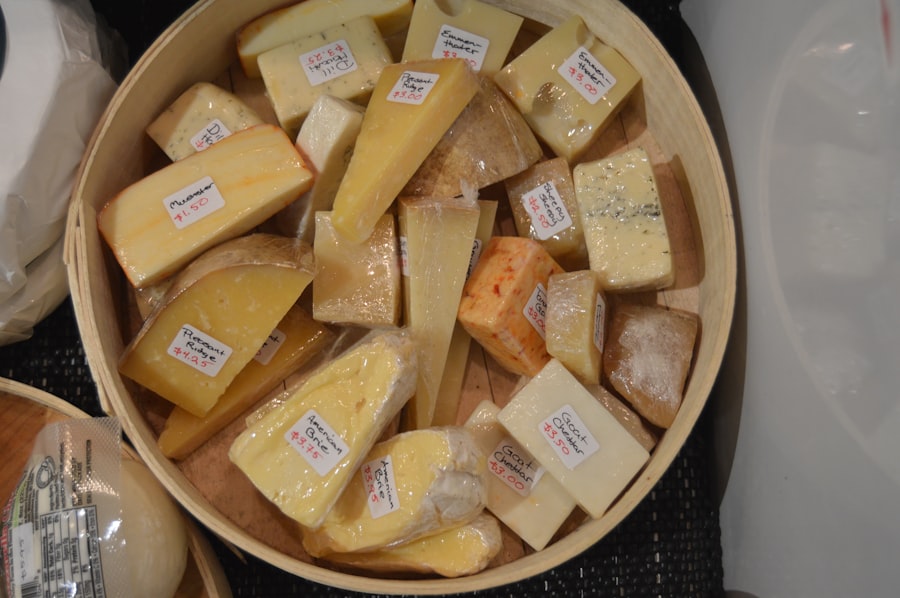
The bans on US processed cheese in overseas markets have had profound repercussions for manufacturers within the industry.
Many manufacturers have relied heavily on exports to bolster their bottom lines, and the sudden loss of these markets has forced them to reassess their business strategies.
Moreover, the impact extends beyond financial considerations; it also raises questions about the long-term viability of processed cheese as a product category. With increasing scrutiny from both consumers and regulatory bodies, manufacturers are under pressure to innovate and reformulate their products.
This may involve reducing artificial ingredients, enhancing nutritional profiles, or even developing entirely new product lines that cater to the growing demand for clean-label foods. As the industry navigates these challenges, it must also contend with the need for effective marketing strategies that resonate with a more health-conscious consumer base.
The Health Risks Associated with Processed Cheese
The health risks associated with processed cheese are becoming more widely recognized, prompting consumers to reconsider their dietary choices. Processed cheese is often high in sodium, saturated fats, and preservatives, which can contribute to various health issues when consumed in excess. Research has linked high sodium intake to hypertension and cardiovascular diseases, while saturated fats have been associated with increased cholesterol levels and heart disease risk.
These findings have led many health experts to advocate for reduced consumption of processed cheese as part of a balanced diet. Additionally, the presence of artificial additives in processed cheese raises concerns about long-term health effects. Ingredients such as emulsifiers and colorants may not only alter the nutritional value but could also pose potential risks to gut health and overall well-being.
As consumers become more informed about these risks, they are increasingly seeking alternatives that offer better nutritional profiles without compromising on taste or convenience. This shift is driving demand for products that prioritize natural ingredients and transparency in labeling.
Alternatives to Processed Cheese for Consumers
| Country | Reason for Ban | Type of US Processed Cheese Affected | Year of Ban Implementation | Impact on US Cheese Export (Metric Tons) |
|---|---|---|---|---|
| European Union | Use of non-dairy ingredients and additives not approved | American processed cheese slices | 2010 | 5,000 |
| Japan | Strict food additive regulations | Processed cheese spreads | 2012 | 1,200 |
| South Korea | Labeling and ingredient restrictions | Processed cheese blocks | 2015 | 800 |
| China | Concerns over food safety and additives | All US processed cheese products | 2018 | 3,500 |
| India | Regulations on dairy product standards | Processed cheese slices and spreads | 2019 | 600 |
As awareness of the health risks associated with processed cheese grows, consumers are actively seeking alternatives that align with their dietary preferences and health goals. A variety of options are emerging in the marketplace, ranging from artisanal cheeses made from high-quality ingredients to plant-based cheese alternatives that cater to vegan and lactose-intolerant consumers. These alternatives not only provide a healthier option but also offer diverse flavors and textures that appeal to a wide range of palates.
Artisanal cheeses, often produced by small-scale dairies, emphasize quality over quantity and prioritize traditional methods of production. These cheeses typically contain fewer additives and preservatives, making them a more appealing choice for health-conscious consumers. On the other hand, plant-based cheese alternatives have gained popularity due to their versatility and ability to cater to various dietary restrictions.
Made from nuts, soy, or other plant-based ingredients, these alternatives provide a dairy-free option without sacrificing flavor or texture. As consumers continue to explore these alternatives, the market for processed cheese is likely to face further challenges.
The Role of Government Regulations in Overseas Markets

Government regulations play a crucial role in shaping the landscape for food products in overseas markets, particularly concerning US processed cheese. Many countries have established stringent guidelines regarding food safety, labeling requirements, and ingredient sourcing that can significantly impact the importation of American products. These regulations often reflect cultural attitudes toward food quality and safety, leading to disparities between domestic and international standards.
In response to these regulatory challenges, US manufacturers must navigate complex compliance requirements to access foreign markets successfully. This may involve reformulating products to meet specific standards or investing in transparent labeling practices that resonate with international consumers. As global trade dynamics continue to evolve, understanding and adapting to these regulations will be essential for US processed cheese manufacturers seeking to maintain competitiveness in an increasingly discerning marketplace.
The Push for Healthier Food Options in Global Markets
The global push for healthier food options is reshaping consumer preferences across various markets, including those traditionally dominated by processed foods like cheese. As public awareness of nutrition and health issues rises, consumers are demanding products that align with their values and dietary needs. This shift is not limited to individual choices; it reflects a broader societal movement toward prioritizing health and wellness in food production.
In response to this demand, many food manufacturers are reformulating their products to reduce unhealthy ingredients while enhancing nutritional value. This trend is evident not only in the dairy sector but also across various food categories as companies strive to meet consumer expectations for healthier options. The emphasis on clean labels and transparency is becoming increasingly important as consumers seek assurance that their food choices contribute positively to their overall well-being.
The Evolution of Consumer Preferences for Natural and Organic Products
Consumer preferences have evolved significantly over recent years, with a marked shift toward natural and organic products gaining momentum. This trend is driven by a growing awareness of the potential health risks associated with artificial additives and heavily processed foods. As consumers become more educated about the origins of their food and its impact on health, they are gravitating toward products that prioritize natural ingredients and sustainable practices.
The rise of organic certification has further fueled this movement, as consumers seek assurance that their food is produced without synthetic pesticides or genetically modified organisms (GMOs). This preference for organic products extends beyond fruits and vegetables; it encompasses dairy products as well. Many consumers are now willing to pay a premium for organic cheeses that align with their values regarding health and environmental sustainability.
As this trend continues to gain traction, it poses both challenges and opportunities for manufacturers of processed cheese who must adapt to changing consumer demands.
The Global Trend Towards Clean Label and Transparency in Food Products
The global trend toward clean label products reflects an increasing consumer desire for transparency in food sourcing and production practices. Clean label refers to products that contain simple, recognizable ingredients without artificial additives or preservatives. This movement is gaining momentum as consumers become more skeptical of complex ingredient lists and seek assurance about what they are putting into their bodies.
In response to this demand for transparency, many food manufacturers are reformulating their products to meet clean label standards. This shift is particularly relevant for processed cheese producers who must navigate consumer perceptions regarding artificial ingredients and additives commonly found in their products. By embracing clean label principles, manufacturers can enhance consumer trust while positioning themselves favorably within an increasingly competitive marketplace focused on health-conscious choices.
The Influence of Social Media and Health Advocacy Groups on Food Choices
Social media has emerged as a powerful platform influencing consumer food choices and perceptions about health-related issues. Health advocacy groups leverage social media channels to disseminate information about nutrition, promote healthier eating habits, and raise awareness about the potential risks associated with processed foods like cheese. This digital landscape allows consumers to engage with information more readily than ever before, shaping their purchasing decisions based on shared experiences and recommendations from peers.
As influencers promote healthier lifestyles through social media platforms, they often highlight alternatives to traditional processed foods, including cheese. This exposure can significantly impact consumer behavior by encouraging individuals to explore new options that align with their health goals. Consequently, manufacturers must recognize the importance of engaging with these platforms effectively while addressing consumer concerns about processed cheese’s nutritional value.
The Future of Processed Cheese in the Global Marketplace
The future of processed cheese in the global marketplace remains uncertain as consumer preferences continue to evolve alongside growing health concerns. While traditional processed cheese has long been a staple in American diets, its relevance is being challenged by an increasing demand for healthier alternatives that prioritize natural ingredients and transparency. Manufacturers must adapt to this shifting landscape by reformulating their products or diversifying their offerings to meet changing consumer expectations.
As global markets become more discerning about food quality and safety, US processed cheese producers face both challenges and opportunities ahead. By embracing innovation and responding proactively to consumer demands for healthier options, they can carve out a niche within an increasingly competitive marketplace focused on wellness-oriented choices. Ultimately, the future success of processed cheese will depend on its ability to evolve alongside consumer preferences while addressing pressing health concerns that shape modern dietary habits.
The recent decision to ban US processed cheese in several countries has sparked significant debate about food safety and quality standards. For more insights on this topic, you can read a related article that discusses the implications of such bans on international trade and consumer health. Check it out here: US Processed Cheese Banned Overseas.
WATCH THIS 🤯 33 American Foods Banned Overseas: The Shocking Ingredients You Won’t Find Abroad 🇺🇸❌🌍
FAQs
What is processed cheese?
Processed cheese is a type of cheese product made by blending natural cheese with emulsifiers, salts, and sometimes additional ingredients to create a uniform, shelf-stable product with a consistent texture and flavor.
Why has US processed cheese been banned overseas?
US processed cheese has been banned in some countries due to concerns over its ingredients, food safety standards, or labeling practices that do not comply with the importing country’s regulations.
Which countries have banned US processed cheese?
Specific countries that have banned US processed cheese vary, but bans typically occur in regions with strict food safety and import regulations. The exact list can change based on trade agreements and regulatory updates.
What ingredients in US processed cheese cause concern?
Concerns often focus on additives such as preservatives, artificial colors, or emulsifiers that may not be approved or are restricted in certain countries. Additionally, the use of certain milk sources or processing methods can be factors.
How does the ban affect US cheese exporters?
The ban limits market access for US cheese producers, potentially reducing export revenues and requiring adjustments in product formulation or labeling to meet foreign standards.
Can US processed cheese be modified to meet overseas regulations?
Yes, manufacturers can reformulate products, adjust ingredient lists, and comply with labeling requirements to meet the standards of importing countries and potentially lift bans.
Are natural cheeses from the US also banned overseas?
Natural cheeses generally face fewer restrictions but must still comply with the importing country’s food safety and labeling regulations. Bans are more commonly associated with processed cheese products.
What should consumers know about processed cheese bans?
Consumers should understand that bans are typically based on regulatory standards and safety concerns, not necessarily on the safety of the product for consumption in the US. Imported food regulations vary widely by country.
Where can I find more information about food import bans?
Information can be obtained from government agencies such as the US Food and Drug Administration (FDA), the US Department of Agriculture (USDA), and the food safety authorities of the respective countries involved.