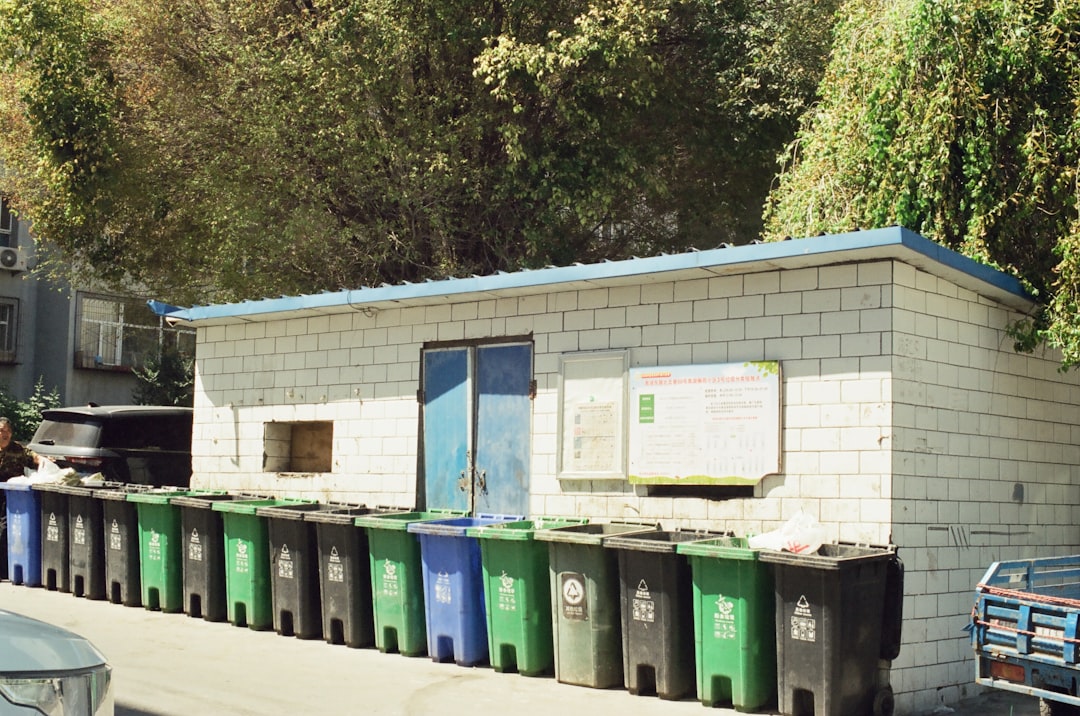
In recent years, the issue of waste management has escalated into a significant global concern. As populations continue to grow and urbanize, the volume of waste generated has reached staggering levels. According to various studies, millions of tons of waste are produced daily, with a substantial portion ending up in landfills or incinerators.
This growing problem is not merely a matter of aesthetics; it poses serious environmental and health risks. Landfills emit greenhouse gases, while improper waste disposal can lead to soil and water contamination, affecting ecosystems and human health alike. Moreover, the types of waste being generated are becoming increasingly complex.
With the rise of consumer culture, single-use plastics and electronic waste have surged, creating challenges for traditional waste management systems. Many communities find themselves ill-equipped to handle the sheer volume and variety of waste produced, leading to a crisis that demands immediate attention. The urgency of addressing this issue cannot be overstated, as the consequences of inaction will only exacerbate the environmental degradation and public health crises already at play.
Key Takeaways
- Inadequate recycling infrastructure worsens the growing waste problem and environmental harm.
- Investing in recycling infrastructure offers significant economic, environmental, and social benefits.
- Government involvement and public-private partnerships are crucial for effective recycling infrastructure development.
- Innovation and education are key to improving recycling technology and promoting public participation.
- Immediate action is essential to address waste challenges and maximize the impact of recycling investments.
The Impact of Inadequate Recycling Infrastructure
The inadequacy of recycling infrastructure is a critical factor contributing to the waste crisis. Many regions lack the necessary facilities and systems to effectively process recyclable materials, resulting in a significant portion of potentially reusable resources being discarded as trash. This inefficiency not only wastes valuable materials but also places an additional burden on landfills, which are already nearing capacity in many areas.
The absence of robust recycling programs can lead to public disillusionment, as citizens become frustrated by their inability to contribute positively to waste reduction efforts. Furthermore, inadequate recycling infrastructure often leads to contamination issues. When recycling bins are not properly managed or when public awareness is low, non-recyclable materials can inadvertently end up in recycling streams.
This contamination can render entire batches of recyclables unusable, further complicating the recycling process and discouraging participation. The lack of investment in recycling facilities and education creates a vicious cycle that undermines efforts to promote sustainable waste management practices.
The Benefits of Recycling Infrastructure Investment
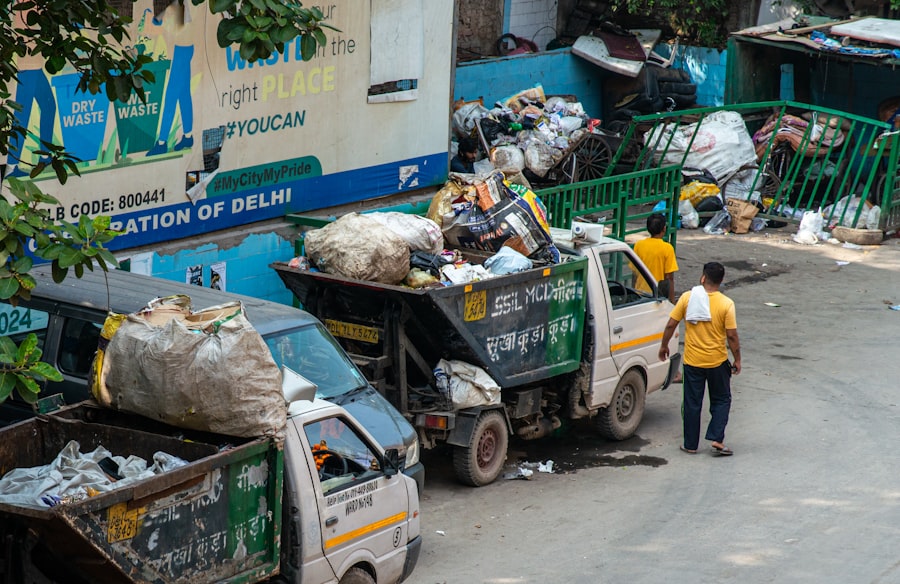
Investing in recycling infrastructure presents numerous benefits that extend beyond mere waste reduction. Enhanced recycling facilities can significantly increase the volume of materials diverted from landfills, thereby conserving natural resources and reducing the environmental impact associated with raw material extraction and processing. By improving recycling rates, communities can also create jobs in the green economy, fostering local economic growth while addressing environmental challenges.
Moreover, a well-developed recycling infrastructure can lead to cost savings for municipalities. By diverting waste from landfills, cities can reduce disposal fees and extend the lifespan of existing landfill sites. These savings can then be reinvested into further sustainability initiatives or community programs.
Additionally, as more materials are recycled, the demand for virgin resources decreases, which can stabilize prices and reduce market volatility for raw materials.
The Role of Government in Recycling Infrastructure
Governments play a pivotal role in shaping recycling infrastructure through policy-making and funding initiatives. By establishing regulations that mandate recycling and incentivize investment in sustainable practices, governments can create an environment conducive to effective waste management. Policies that support the development of recycling facilities and provide financial assistance for local governments can significantly enhance recycling capabilities across regions.
Furthermore, government involvement is crucial in standardizing recycling practices and educating the public about proper waste disposal methods. By implementing comprehensive educational campaigns, governments can raise awareness about the importance of recycling and how individuals can contribute to these efforts. This proactive approach not only fosters community engagement but also cultivates a culture of sustainability that encourages responsible consumption and waste management.
The Importance of Public-Private Partnerships
| Region | Current Recycling Rate (%) | Investment Needed (Billion USD) | Key Infrastructure Focus | Projected Improvement (%) |
|---|---|---|---|---|
| North America | 35 | 50 | Material Recovery Facilities, Advanced Sorting | 20 |
| Europe | 45 | 40 | Collection Systems, Chemical Recycling | 25 |
| Asia-Pacific | 25 | 70 | Waste Collection, Processing Plants | 30 |
| Latin America | 20 | 15 | Sorting Facilities, Public Awareness | 15 |
| Africa | 10 | 10 | Basic Collection, Informal Sector Integration | 10 |
Public-private partnerships (PPPs) are essential for advancing recycling infrastructure initiatives. These collaborations leverage the strengths of both sectors: the public sector’s regulatory authority and funding capabilities combined with the private sector’s innovation and efficiency. By working together, governments and private companies can develop comprehensive recycling programs that address local needs while maximizing resource efficiency.
Such partnerships can also facilitate knowledge sharing and technology transfer between entities. Private companies often possess cutting-edge technologies that can enhance recycling processes, while public entities can provide valuable insights into community needs and regulatory frameworks.
The Economic Opportunities of Recycling Infrastructure Investment
Investing in recycling infrastructure not only addresses environmental concerns but also opens up a wealth of economic opportunities. The green economy is rapidly expanding, with job creation in recycling and waste management sectors becoming increasingly vital. As communities enhance their recycling capabilities, they can generate employment opportunities in collection, sorting, processing, and manufacturing industries related to recycled materials.
Moreover, investment in recycling infrastructure can stimulate local economies by attracting businesses focused on sustainability. Companies that prioritize recycled materials in their production processes often seek locations with robust recycling systems in place. This demand can lead to increased economic activity and investment in communities that prioritize sustainable practices, creating a positive feedback loop that benefits both the environment and local economies.
The Environmental Benefits of Recycling Infrastructure Investment
The environmental benefits of investing in recycling infrastructure are profound and far-reaching. By diverting waste from landfills and promoting the reuse of materials, communities can significantly reduce their carbon footprint. Recycling conserves energy compared to producing new products from raw materials, leading to lower greenhouse gas emissions and less pollution associated with manufacturing processes.
Additionally, enhanced recycling infrastructure contributes to resource conservation by ensuring that valuable materials are kept in circulation rather than being discarded. This not only reduces the need for new resource extraction but also minimizes habitat destruction and environmental degradation associated with mining and logging activities. As communities invest in sustainable waste management practices, they contribute to a healthier planet for future generations.
The Need for Innovation in Recycling Technology
Innovation in recycling technology is crucial for overcoming existing challenges within the industry. As waste streams become more complex with the introduction of new materials, advanced technologies are needed to efficiently sort and process recyclables. Innovations such as artificial intelligence and robotics are already being employed in some facilities to enhance sorting accuracy and efficiency, reducing contamination rates and increasing overall recycling rates.
Moreover, research into new recycling methods—such as chemical recycling for plastics—holds promise for addressing materials that have traditionally been difficult to recycle. By investing in research and development, communities can stay ahead of emerging waste challenges and ensure that their recycling infrastructure remains effective and adaptable to changing circumstances.
The Social Responsibility of Corporations in Recycling Infrastructure Investment
Corporations have a social responsibility to contribute to sustainable practices within their operations, including investing in recycling infrastructure. As major producers of waste, businesses must recognize their role in mitigating environmental impacts through responsible waste management strategies. By supporting local recycling initiatives or developing their own programs, corporations can demonstrate their commitment to sustainability while enhancing their brand reputation.
Furthermore, corporations can collaborate with governments and non-profit organizations to fund educational campaigns aimed at promoting recycling awareness among consumers. By taking an active role in fostering a culture of sustainability, businesses not only contribute positively to their communities but also position themselves as leaders in corporate social responsibility.
The Role of Education and Awareness in Promoting Recycling
Education plays a vital role in promoting effective recycling practices within communities. Many individuals are unaware of what materials are recyclable or how to properly dispose of waste items. Comprehensive educational programs that inform citizens about local recycling guidelines can significantly improve participation rates and reduce contamination issues.
Additionally, awareness campaigns that highlight the environmental benefits of recycling can inspire individuals to adopt more sustainable behaviors. By fostering a sense of community responsibility towards waste management, educational initiatives can empower citizens to take action and contribute positively to their environment.
The Urgency of Immediate Action in Recycling Infrastructure Investment
The need for immediate action regarding recycling infrastructure investment has never been more pressing. As global waste generation continues to rise at an alarming rate, communities must act swiftly to implement effective solutions that address this crisis. Delaying investment will only exacerbate existing problems related to landfill capacity, environmental degradation, and public health risks.
By prioritizing recycling infrastructure now, communities can lay the groundwork for a more sustainable future. Immediate action will not only yield long-term benefits for the environment but also create economic opportunities and foster community engagement around sustainability efforts. The time for decisive action is now; the future depends on it.
Investing in recycling infrastructure is crucial for enhancing sustainability and reducing waste in our communities. A related article that discusses the importance of such investments can be found [here](https://www.heydidyouknowthis.com/sample-page/). This article highlights various strategies and initiatives that can be implemented to improve recycling systems and promote a circular economy.
WATCH THIS! 🚨 THE RECYCLING LIE: How Big Oil Fooled the World for 50 Years 🚨
FAQs
What is recycling infrastructure?
Recycling infrastructure refers to the physical facilities, equipment, and systems used to collect, sort, process, and convert recyclable materials into reusable raw materials. This includes collection bins, sorting centers, processing plants, and transportation networks.
Why is investment in recycling infrastructure important?
Investment in recycling infrastructure is crucial to improve the efficiency and capacity of recycling systems. It helps reduce waste sent to landfills, conserves natural resources, lowers greenhouse gas emissions, and supports a circular economy by turning waste into valuable materials.
What types of recycling infrastructure need investment?
Key areas needing investment include advanced sorting technologies, modern processing facilities, expanded collection services, improved transportation logistics, and public education systems to increase recycling rates and material quality.
How does recycling infrastructure investment benefit the environment?
Improved recycling infrastructure reduces landfill use, decreases pollution, conserves energy, and lowers carbon emissions by enabling more materials to be recycled and reused instead of being discarded or incinerated.
Who is responsible for funding recycling infrastructure?
Funding can come from a combination of government agencies, private sector companies, local municipalities, and sometimes public-private partnerships. Policies and incentives often encourage investment in recycling infrastructure.
What challenges exist in recycling infrastructure development?
Challenges include high initial capital costs, technological limitations, fluctuating market demand for recycled materials, contamination of recyclables, and the need for coordinated policies and public participation.
How does improved recycling infrastructure impact the economy?
Investing in recycling infrastructure can create jobs, stimulate innovation, reduce waste management costs, and generate economic value from recovered materials, contributing to sustainable economic growth.
What role does technology play in recycling infrastructure?
Technology enhances sorting accuracy, processing efficiency, and material recovery rates. Innovations such as AI-powered sorting systems and advanced material processing improve the quality and quantity of recycled outputs.
Can recycling infrastructure investment help meet climate goals?
Yes, by increasing recycling rates and reducing waste-related emissions, enhanced recycling infrastructure supports national and global climate targets aimed at reducing greenhouse gas emissions.
How can individuals support recycling infrastructure development?
Individuals can support by properly sorting recyclables, reducing contamination, participating in local recycling programs, advocating for better recycling policies, and supporting businesses that invest in sustainable practices.