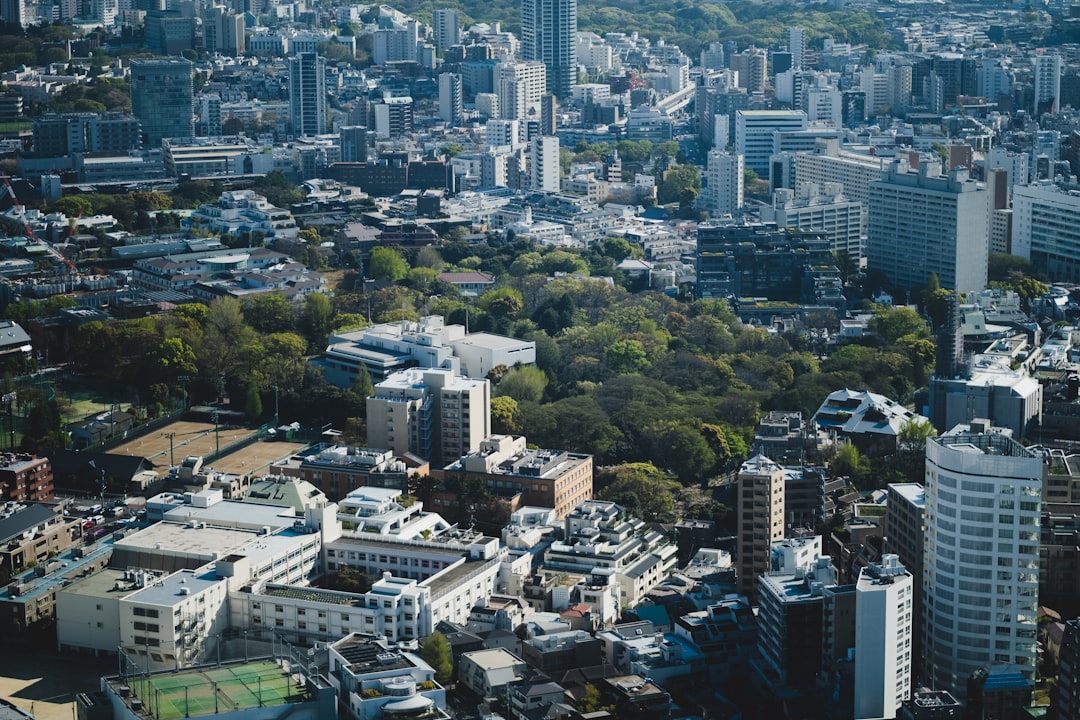
Urban planning and sedentary lifestyles are intricately linked, and this connection has significant implications for public health, particularly in the rise of chronic diseases. You live in a world shaped by decisions made decades ago, decisions about roads, buildings, and access to green spaces, all of which can subtly but powerfully guide your daily movements. The urban environment you inhabit is not merely a backdrop; it is an active participant in shaping your health outcomes.
The very blueprint of your city can act as a silent conductor of your lifestyle choices. When urban planners design communities with a singular focus on accommodating automobiles, they often inadvertently create environments that discourages physical activity. This isn’t a malicious intent, but rather a consequence of prioritizing certain modes of transport over others.
The Empire of the Automobile
You most likely navigate your daily life by car. This is no accident. Many urban areas were designed in the post-war era with the automobile as the undisputed king. Wide roads, sprawling parking lots, and a lack of pedestrian-friendly infrastructure became the norm. This “automobile-centric” design creates physical barriers and psychological deterrents to walking or cycling. Imagine trying to cross a six-lane highway on foot; the very thought is daunting. This is the reality for many residents in auto-dependent cities.
The Great Divide: Segregated Zones
The concept of zoning, while intended to create order, can also lead to significant functional segregation. Residential areas are often separated from commercial centers, schools, and recreational facilities. This means that to access essential services or even a pleasant park, you are likely compelled to get into your vehicle. Think of your neighborhoods as islands, with the car being the only viable bridge connecting them. This separation creates a dependency on motorized transport for even short distances.
The Monotony of the Concrete Jungle
The aesthetic and functional choices in urban development can also contribute to a lack of engaging environments for physical activity. Vast expanses of concrete, limited tree canopy, and a lack of public art or community gathering spaces can make walking feel like a chore rather than an inviting experience. You are less likely to stroll through a sterile, uninspired landscape compared to a vibrant, green, and well-maintained public space. The urban environment becomes a desert of inactivity rather than an oasis of movement.
Urban planning plays a crucial role in shaping the lifestyles of city dwellers, often contributing to sedentary behaviors that can lead to various health issues. A related article discusses how the design of urban environments influences physical activity levels and, consequently, the prevalence of diseases such as obesity and diabetes. For more insights on this topic, you can read the article here: Urban Planning and Health.
The Erosion of Active Travel: A Domino Effect
When urban planning favors cars, the natural inclination towards active transportation—walking and cycling—begins to erode. This shift has a ripple effect, influencing not only how you commute but also how you engage with your community and your overall health.
The Vanishing Sidewalk
One of the most direct impacts of auto-centric planning is the neglect of pedestrian infrastructure. You might find that sidewalks are narrow, discontinuous, or even entirely absent in certain areas. This makes walking hazardous and uncomfortable, especially for vulnerable populations like children, the elderly, or individuals with mobility challenges. The absence of a safe and accessible sidewalk is like removing a rung from a ladder, making ascent more difficult.
The Cycling Conundrum
Similarly, dedicated cycling infrastructure is often an afterthought. When you consider cycling, you might be met with the daunting prospect of sharing busy roads with fast-moving vehicles or navigating ill-maintained bike lanes that offer little protection. This inherent danger discourages many from choosing a bicycle, even for short trips. The lack of safe cycling routes effectively stifles a healthy and sustainable mode of transport.
The Relegation of Public Transit
While public transit is often presented as an alternative to private vehicles, its effectiveness is also influenced by urban planning. Dispersed development patterns, a lack of transit-oriented development (TOD), and insufficient connectivity between transit routes can make public transportation inconvenient and time-consuming. If your bus stop is a long walk away, or if you have to make multiple transfers, you are less likely to opt for it. This reinforces the reliance on personal vehicles.
The Sedentary Shift: A Nation at Rest
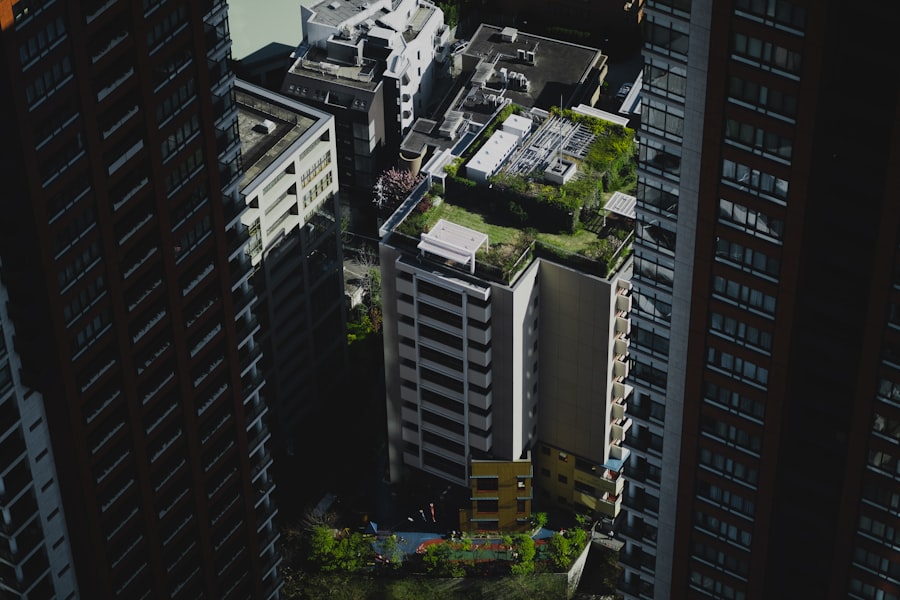
The cumulative effect of these urban design choices is a population that is increasingly sedentary. Less walking, less cycling, and less incidental movement throughout the day contribute to a significant decline in overall physical activity. This societal shift has profound and well-documented consequences for your health.
The Rise of the “Commuter”
Your daily routine might be dominated by your commute. You drive to work, sit at your desk for hours, drive home, and then spend your evenings engaged in low-impact activities. This is the paradigm of the modern commuter, where large chunks of your waking hours are spent in a seated position. The car becomes your office, your living room, and your personal bubble, all of which are decidedly sedentary.
The Leisure Paradox
Even your leisure time is often influenced by urban planning. The availability of parks, recreational facilities, and safe outdoor spaces for active pursuits directly impacts your choices. If these amenities are scarce, inaccessible, or poorly maintained, you are more likely to opt for indoor, sedentary forms of entertainment. The park that is a mile away and across a busy road is less appealing than the television in your living room.
The “Built Environment” as a Health Determinant
The term “built environment” refers to the human-made surroundings that provide the setting for human activity. In this context, your built environment is not a neutral factor; it is a powerful determinant of your health. Cities designed for cars, with their vast distances and lack of pedestrian amenities, create a “sedentary environment” that actively discourages movement. You are like a ship navigating a sea of inertia, where every current pulls you towards inactivity.
The Disease Cascade: Linking Sedentary Lifestyles to Chronic Illness
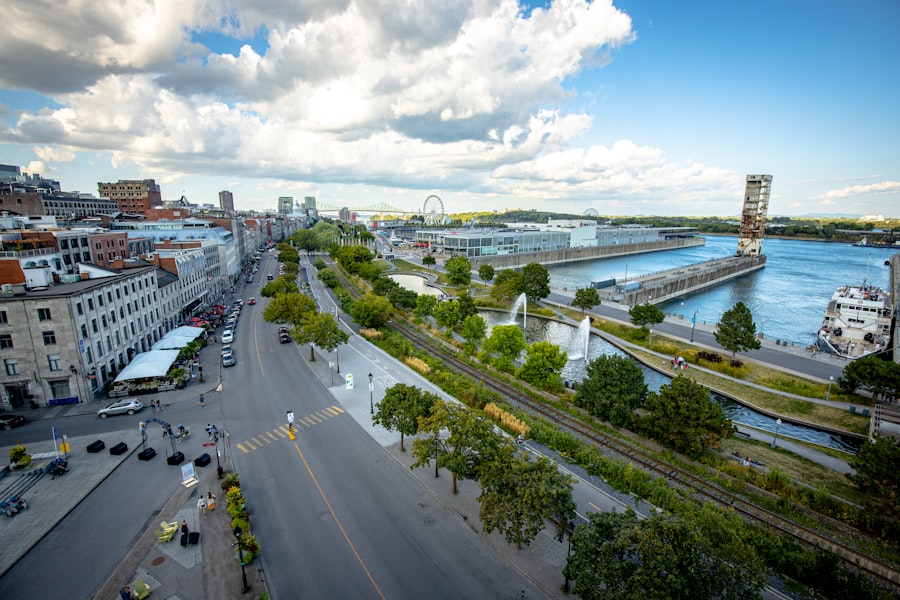
The pervasive sedentary lifestyles fostered by urban planning are not merely an inconvenience; they are a significant risk factor for a growing epidemic of chronic diseases. Your body is designed for movement, and when it is denied this fundamental need, it begins to break down.
The Metabolic Meltdown: Obesity and Type 2 Diabetes
One of the most direct consequences of inactivity is weight gain and obesity. When you burn fewer calories than you consume, your body stores the excess energy as fat. This excess body fat, particularly visceral fat around your organs, disrupts your body’s metabolic processes. You become more resistant to insulin, the hormone that regulates blood sugar. This insulin resistance is a hallmark of Type 2 diabetes, a chronic condition that can lead to a cascade of other health problems. Your metabolism, once a finely tuned engine, begins to sputter and falter.
The Cardiovascular Squeeze: Heart Disease and Stroke
A sedentary lifestyle also takes a toll on your cardiovascular system. Your heart muscle weakens, and your blood vessels become less elastic. This can lead to high blood pressure (hypertension), high cholesterol, and atherosclerosis – the buildup of plaque in your arteries. These conditions significantly increase your risk of heart attack and stroke, two of the leading causes of death worldwide. Your circulatory system, the highway of your body, becomes congested and inefficient.
The Skeletal Strain: Osteoporosis and Musculoskeletal Disorders
Movement is essential for maintaining bone density and muscle strength. When you are sedentary, your bones lose calcium, becoming brittle and prone to fractures, a condition known as osteoporosis. Your muscles also weaken and atrophy, leading to a greater risk of falls, injuries, and chronic pain conditions like back pain and arthritis. Your skeletal framework, your body’s scaffolding, begins to weaken and corrode.
The Mental Fog: Depression and Anxiety
The link between physical activity and mental well-being is also well-established. Regular exercise has been shown to improve mood, reduce stress, and alleviate symptoms of depression and anxiety. Conversely, a sedentary lifestyle can exacerbate these conditions. The lack of endorphins released during exercise, coupled with the social isolation that can accompany a less active lifestyle, can contribute to a decline in mental health. The vibrant landscape of your mind can become overcast and dimmed.
Urban planning plays a crucial role in shaping the lifestyles of city dwellers, often contributing to sedentary behaviors that can lead to various health issues. A related article discusses how the design of our cities influences physical activity levels and, consequently, the prevalence of diseases associated with inactivity. By examining the relationship between urban environments and health outcomes, we can better understand the importance of creating spaces that encourage movement and well-being. For more insights on this topic, you can read the article here: urban planning and health.
Reimagining Our Cities: Towards a More Active Future
| Factors | Impact on Health |
|---|---|
| Lack of green spaces | Increased stress, anxiety, and depression |
| High population density | Higher risk of infectious diseases |
| Urban sprawl | Increased air pollution and respiratory diseases |
| Insufficient physical activity opportunities | Higher rates of obesity, heart disease, and diabetes |
| Lack of walkable neighborhoods | Increased reliance on cars and sedentary lifestyles |
Recognizing the profound link between urban planning, sedentary lifestyles, and disease is the first step towards creating healthier cities. Fortunately, there are evidence-based strategies that urban planners, policymakers, and you as a resident can embrace to foster more active communities.
The Pedestrian-First Revamp
Prioritizing pedestrian infrastructure is paramount. This involves investing in wide, well-maintained sidewalks, creating safe and accessible crosswalks, and implementing traffic calming measures in residential areas and commercial centers. Imagine your city being dotted with inviting walking paths, like arteries nourishing the urban body.
The Cycling Renaissance
Encouraging cycling requires the development of a comprehensive network of protected bike lanes, dedicated cycle paths, and secure bicycle parking facilities. Integrating bike-sharing programs and promoting cycling as a viable mode of transport for commuting and recreation can dramatically increase uptake. Think of your city offering a vibrant tapestry of cycle routes, connecting neighborhoods like colorful threads.
The Public Transit Power-Up
Enhancing public transit through increased frequency, expanded routes, and better integration with other modes of transport is crucial. Transit-oriented development (TOD), which encourages mixed-use development around transit hubs, can create more walkable and transit-accessible communities. Imagine public transit as the robust nervous system of your city, efficiently connecting people and places.
The Greenening of the Urban Landscape
Increasing access to parks, green spaces, and recreational facilities is vital for promoting physical activity. These spaces should be well-designed, safe, and accessible to all residents. Community gardens, walking trails, and outdoor exercise equipment can transform urban areas into hubs for healthy living. Picture your city adorned with verdant lungs, spaces where you can breathe deeply and move freely.
The Micro-Mobility Revolution
Embracing emerging micro-mobility options like electric scooters and e-bikes, when integrated thoughtfully into urban planning, can provide convenient and sustainable alternatives for short trips, further reducing reliance on cars.
The decisions made in the design of your urban environment are not abstract architectural exercises; they are powerful forces that shape your daily life and, consequently, your health. By understanding this intricate connection, you can advocate for and contribute to the creation of cities that prioritize movement, well-being, and a healthier future for all. Your city is not just a place you live in; it is a place that lives with you, influencing every step you take.
FAQs
What is urban planning and how does it contribute to sedentary lifestyles?
Urban planning refers to the design and organization of cities and towns, including the layout of streets, buildings, and public spaces. Poor urban planning can lead to a lack of walkable areas, limited access to parks and recreational facilities, and an overreliance on cars, all of which contribute to sedentary lifestyles.
What are the health risks associated with sedentary lifestyles?
Sedentary lifestyles have been linked to an increased risk of obesity, heart disease, type 2 diabetes, certain types of cancer, and mental health issues. Lack of physical activity can also lead to muscle and joint problems, as well as decreased bone density.
How does urban planning contribute to the prevalence of chronic diseases?
Poor urban planning can lead to limited opportunities for physical activity, such as walking or cycling, which in turn contributes to sedentary lifestyles. Additionally, inadequate access to healthy food options and exposure to environmental pollutants in urban areas can also contribute to chronic diseases.
What are some potential solutions to address the impact of urban planning on sedentary lifestyles and disease?
Potential solutions include redesigning urban spaces to prioritize pedestrian and cyclist safety, creating more green spaces and parks, improving public transportation options, and implementing zoning policies that promote mixed-use development and access to healthy food options.
How can individuals mitigate the effects of urban planning and sedentary lifestyles on their health?
Individuals can mitigate the effects of urban planning and sedentary lifestyles by incorporating regular physical activity into their daily routines, seeking out healthy food options, advocating for community improvements, and utilizing alternative modes of transportation such as walking, cycling, or public transit.