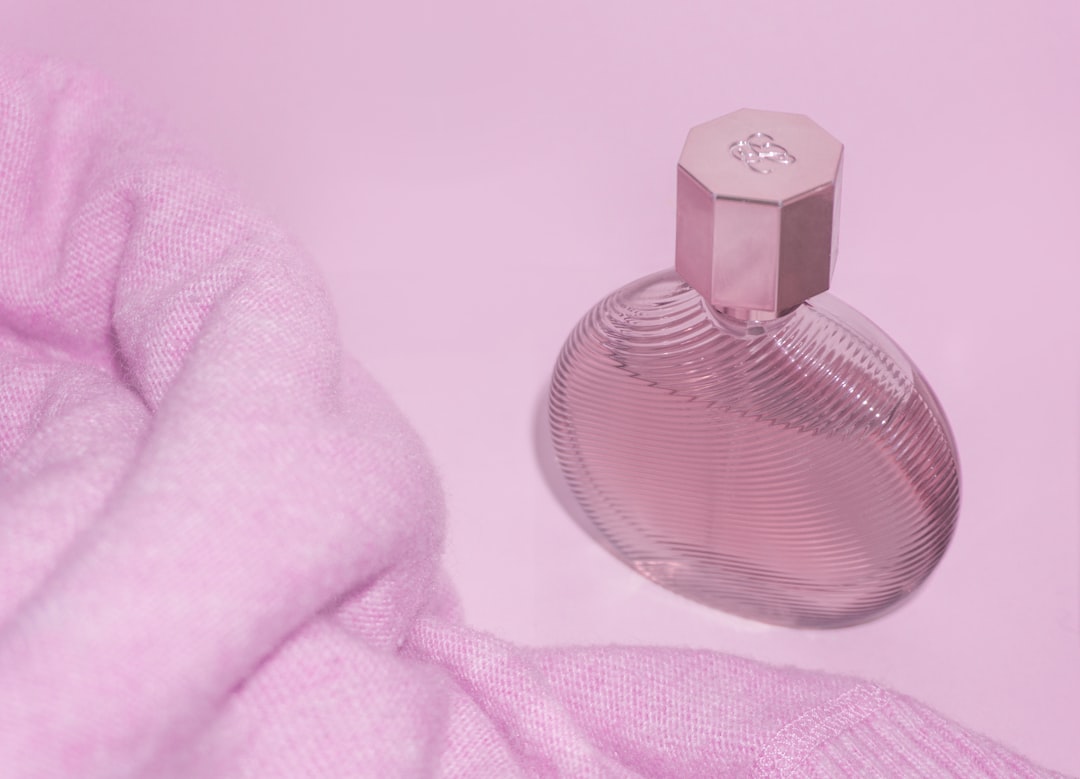
You’ve received it. The enigmatic “Fragrance Black Box” sits before you, a sealed testament to olfactory art. Its contents are a closely guarded secret, a curated selection of scents designed to intrigue and delight your senses. But beyond the ephemeral perfume itself, lies a world of complex chemistry and meticulous craftsmanship – the ingredients. This journey will peel back the layers, unveiling the mystery of what truly constitutes the essence within your Black Box.
Every fragrance, no matter how simple or elaborate, is built upon a structure, a foundation of aromatic molecules. Think of these as the bricks and mortar of your olfactory palace. These are the fundamental components that lend distinct scent profiles, forming the backbone upon which complexity is layered.
Natural vs. Synthetic: A Dichotomy in Extraction
The origin of these building blocks is a primary consideration, bifurcating into two broad categories: natural and synthetic.
The Earth’s Perfume: Natural Ingredients
Natural ingredients are derived directly from botanical sources – flowers, fruits, woods, resins, and roots. Their allure lies in their inherent complexity and the subtle nuances that arise from their cultivation, harvest, and extraction.
Essential Oils: The Concentrated Soul of Plants
Essential oils are perhaps the most familiar form of natural aromatic compounds. They are volatile oils extracted from plant matter, often through steam distillation, expression, or solvent extraction. Each oil carries the characteristic scent of its parent plant, but at a significantly concentrated level.
- Floral Essences: Rose Otto, Jasmine Absolute, Ylang-Ylang are prime examples, each offering a distinct facet of floral beauty. Rose Otto, for instance, requires many kilograms of rose petals to produce a small quantity of oil, making it a prized and costly ingredient. Jasmine Absolute, obtained through solvent extraction, often captures a deeper, more intoxicating aroma than jasmine essential oil.
- Woody Notes: Sandalwood, Cedarwood, and Vetiver are cornerstones of many fragrances, providing warmth, depth, and longevity. Sandalwood, often sourced from restricted trees, has become increasingly regulated, leading to a greater reliance on sustainably harvested or synthetic alternatives. Vetiver, a tall grass, yields a smoky, earthy aroma once its roots are distilled.
- Citrus Zests: Lemon, Bergamot, and Orange oils are extracted from the rinds of these fruits, typically through cold-pressing. They offer bright, uplifting top notes that are crucial for invigorating a scent. Bergamot, in particular, with its unique sweet-bitter profile, is a signature element in many masculine fragrances and Earl Grey tea.
- Resinous Aromatic Compounds: Frankincense, Myrrh, and Benzoin are derived from tree saps and resins. They contribute balsamic, warm, and sometimes leathery or spicy undertones. Frankincense, used for millennia in spiritual ceremonies, offers a sweet, balsamic, and slightly peppery scent. Benzoin provides a vanilla-like sweetness and fixative properties.
Absolutes: Potent and Alluring Extractions
Absolutes are even more concentrated aromatic materials than essential oils, typically extracted using solvents. This method captures a wider spectrum of aromatic compounds, including those that are too delicate for steam distillation.
- The Intricacies of Floral Absolutes: Rose Absolute and Jasmine Grandiflorum Absolute are prime examples. They offer a richer, more complex, and often more sensual aroma than their essential oil counterparts due to the capturing of heavier aromatic molecules.
- Resinous Wealth: Labdanum Absolute, derived from a rock rose shrub, provides a deep, leathery, ambery, and animalic facet, often used in oriental and chypre fragrances.
Tinctures and CO2 Extracts: Modern Interpretations
Beyond traditional methods, tinctures (alcohol extracts) and CO2 extracts represent more contemporary approaches to capturing natural aromas. CO2 extraction, in particular, can yield highly pure and potent aromatic materials with a scent profile very close to the original material.
The Alchemist’s Touch: Synthetic Ingredients
Synthetic ingredients are the product of human innovation, meticulously crafted in laboratories. They offer a vast palette of olfactory possibilities, allowing for the creation of scents that are impossible to achieve with natural materials alone, or to replicate rare and costly natural notes.
Molecular Mimicry: Recreating Nature’s Essences
Many synthetic molecules are designed to mimic the aroma of natural compounds, often with greater stability, consistency, and at a lower cost.
- Floral Recreations: While natural rose and jasmine are exquisite, synthetic molecules like \\Phenethyl Alcohol\\ can replicate the rosy facets, and \\Hedione\\ (methyl dihydrojasmonate) can provide a translucent, jasmine-like lift and diffusion. Hedione, in particular, is a ubiquitous ingredient, prized for its ability to enhance the overall sillage and add a radiant quality to a fragrance.
- Woody Enhancers: Iso E Super is a synthetic molecule renowned for its smooth, woody, cedar-like aroma with ambery undertones. It’s a workhorse ingredient, adding diffusion and longevity without being overtly distinct, acting as a sophisticated enhancer.
- Citrus Facets: Citral, a component of lemon and lemongrass, can be synthesized to provide a sharp, zesty lemon aroma. Different isomers of citral can offer slightly varied olfactory experiences.
Creating the Unseen: Novel Olfactory Experiences
Synthetics also allow for the creation of entirely new scent profiles, molecules that have no direct counterpart in nature. These are the true innovations of modern perfumery, opening doors to abstract and avant-garde creations.
- Aldehydes: These are hydrocarbons that contribute sparkling, diffusive, and sometimes waxy or soapy notes. They were famously used in Chanel No. 5, creating an iconic, ethereal quality. Different chain lengths of aldehydes produce distinct effects.
- Ambroxan: This synthetic molecule has a dry, woody, ambery, and slightly musky character. It has become incredibly popular for its smooth, sophisticated scent and its ability to add a substantial, radiant base to a fragrance, often mimicking ambergris.
- Earthy and Aquatic Notes: Molecules like \\Geosmin\\ can replicate the scent of damp earth after rain (petrichor), while others are designed to evoke the crisp, clean scent of the ocean.
The Art of Blending: Harmonizing Opposites
The true magic of fragrance lies not just in individual ingredients, but in how they are combined. This is where the perfumer (the “nose”) acts as both scientist and artist, orchestrating a symphony of scents.
Olfactory Families: Categorizing the Scentscape
Fragrances are broadly categorized into families, each representing a dominant theme created by specific ingredient combinations.
- Floral: Dominated by notes of flowers like rose, jasmine, lily of the valley. Can range from single floral (“soliflore”) to complex bouquets.
- Oriental/Ambery: Characterized by warm, spicy, and sweet notes such as vanilla, amber, resins, and exotic spices.
- Woody: Emphasizes notes of sandalwood, cedarwood, vetiver, and patchouli, providing depth and sensuality.
- Fresh: Encompasses citrus, aquatic, green, and aromatic notes, offering a clean, invigorating, and uplifting experience.
- Chypre: A sophisticated blend typically featuring a bergamot top, a floral heart, and a base of oakmoss and patchouli.
- Fougère: Traditionally features lavender, oakmoss, and coumarin, creating a fougère (fern-like) aroma, often associated with masculine perfumery.
In the world of fragrances, the concept of “black box” ingredients has garnered significant attention, raising questions about transparency and safety in the beauty industry. For a deeper understanding of this topic, you can explore a related article that delves into the complexities and implications of these hidden components in perfumes. To read more about it, visit this informative article.
The Heart of the Matter: Mid Notes and Nuances
While the base notes anchor a fragrance and the top notes provide the initial impression, the heart notes are the soul of the composition. They emerge as the fragrance develops, offering complexity and defining its character.
The Floral Tapestry: Blossoming Complexity
Floral notes, whether natural or synthetic, form a significant part of many fragrance hearts, offering a spectrum of emotions and sensations.
The Spectrum of Petals: Diverse Floral Aromas
- Rose: Beyond its romantic association, rose can range from fresh and dewy to rich, jammy, and even spicy depending on the variety and extraction method. For example, Turkish rose has a deeper, more opulent scent than Bulgarian rose.
- Jasmine: Often described as intoxicating, narcotic, and slightly indolic (a note reminiscent of animalic musk), jasmine’s character can vary significantly. Grandiflorum jasmine is sweeter and more heady than Sambac jasmine.
- Lily of the Valley (Muguet): This delicate, green, and slightly sweet floral note is often challenging to extract naturally and is frequently replicated using synthetic molecules like \\Hydroxycitronellal\\. It brings a sense of springtime freshness and innocence.
- Ylang-Ylang: This exotic floral offers a sweet, slightly gourmand, and animalic aroma, with nuances of banana and spice. It’s a versatile note that can add richness and sensuality.
Spicy Accents: Igniting the Senses
Spices, whether whole or their extracted essences, add warmth, zest, and an intriguing complexity to the heart of a fragrance.
The Aromatic Palette of Spices
- Cardamom: Offers a warm, aromatic, and slightly sweet scent with camphoraceous undertones. It’s a key note in many oriental and some woody fragrances.
- Cinnamon: Provides a sweet, warm, woody, and comforting aroma. It can be used in small doses to add a gentle warmth or in larger amounts for a more gourmand effect.
- Nutmeg and Clove: These spices contribute a pungent, warm, and slightly medicinal aroma. Nutmeg is often used to add a touch of sophistication, while clove can offer a bolder, spicier character.
- Pink Peppercorn: Offers a bright, fruity, and slightly rosy aroma with a subtle peppery kick, adding a modern twist to floral and woody compositions.
Fruity Infusions: A Burst of Sweetness and Tang
Fruity notes in the heart of a fragrance provide a more sophisticated sweetness and tang than their initial top-note introduction, adding layers of juicy appeal.
The Essence of Orchard and Vine
- Plum and Blackcurrant: These dark fruits lend a rich, jammy, and slightly tart sweetness. They are often used in oriental and woody fragrances to add depth and a gourmand touch.
- Peach and Apricot: Offer a soft, fuzzy sweetness with a hint of floralcy, bringing a tender and inviting quality to the heart.
- Fig: The fig note, whether from the fruit or leaf, has a unique green, woody, and milky sweetness, creating a distinctive and modern aroma.
The Unseen Anchors: Base Notes and Fixatives
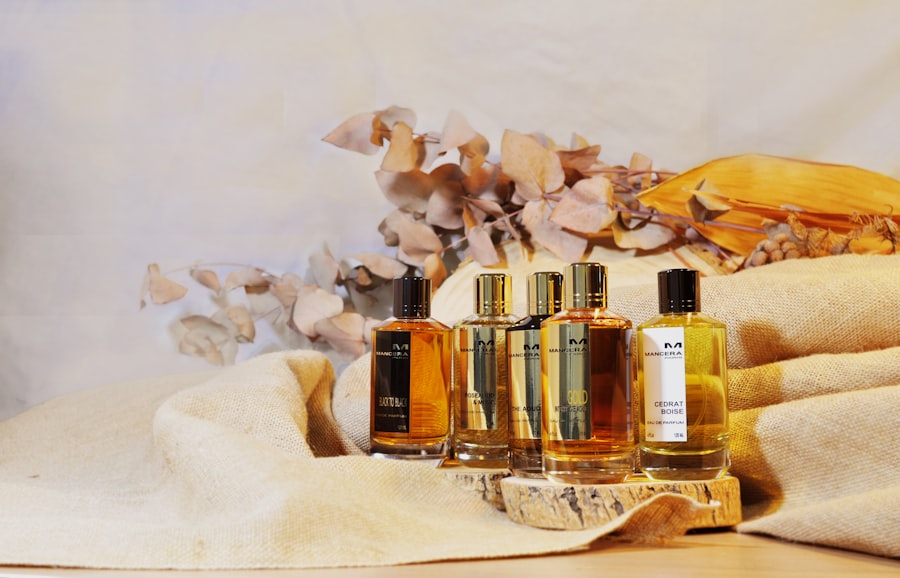
The base notes are the unwavering foundation of a fragrance, emerging slowly as the top and heart notes evaporate. They are the longest-lasting elements, providing depth, richness, and longevity. Think of them as the sturdy pillars that support the entire olfactory structure.
The Earth’s Embrace: Woody and Earthy Depths
Woody and earthy notes are the bedrock of many fragrances, offering a sense of groundedness, sensuality, and sophistication.
The Forests of Olfaction
- Sandalwood: Renowned for its creamy, smooth, and sweet woody aroma. Natural sandalwood is increasingly rare and regulated, leading to the widespread use of synthetic sandalwood molecules like \\Javanol\\ and \\Ebanol\\.
- Cedarwood: Offers a dry, pencil-shaving-like woody scent with a leathery nuance. It provides a clean, sharp, and robust woody character.
- Patchouli: A complex, earthy, and slightly sweet note with nuances of chocolate and camphor. It is a classic base note, known for its longevity and diffusive qualities, often used in chypre and oriental fragrances.
- Vetiver: Derived from the roots of a grass, vetiver has a smoky, earthy, and woody aroma with a slightly bitter and leathery facet. It can add a dark, mysterious depth to a fragrance.
Resinous Warmth: Amber and Incense
Resins and amber-like compounds contribute a warm, sweet, and often slightly balsamic character to the base, evoking a sense of opulence and comfort.
The Golden Glow of Resins
- Amber: While not a single ingredient, “amber” in perfumery is often a blend of labdanum, vanilla, benzoin, and synthetic molecules designed to create a warm, resinous, sweet, and slightly powdery accord.
- Benzoin: A balsamic resin with a sweet, vanilla-like, and slightly spicy aroma. It acts as an excellent fixative, helping to anchor other notes.
- Frankincense and Myrrh: These ancient resins provide a spiritual, balsamic, and slightly smoky aroma, adding a sense of gravitas and depth.
The Allure of Musks and Animalics: Sensual Undertones
Musk and animalic notes, whether naturally derived or synthetically created, are crucial for adding sensuality, warmth, and a skin-like quality to a fragrance.
The Primal and the Powdery
- Synthetic Musks: The vast majority of musks used in modern perfumery are synthetic, offering a wide range of olfactory profiles from clean and cotton-like to warm and sensual. Examples include \\Galaxolide\\, \\Ambrettolide\\, and \\Habanolide\\. They contribute to the smoothness, longevity, and “hug” of a fragrance.
- Ambergris Accord: True ambergris, a secretion of sperm whales, is incredibly rare and expensive. Perfumers create “ambergris accords” using synthetic molecules and natural materials to mimic its unique salty, ambery, animalic, and slightly sweet scent.
- Civet and Castoreum (used in trace amounts): Historically, these animal-derived ingredients were used for their potent, fecal, and leathery notes, adding an animalic depth and complexity. Today, their use is highly regulated and often substituted with synthetic alternatives.
The Enhancers and Modifiers: Unsung Heroes of Scent
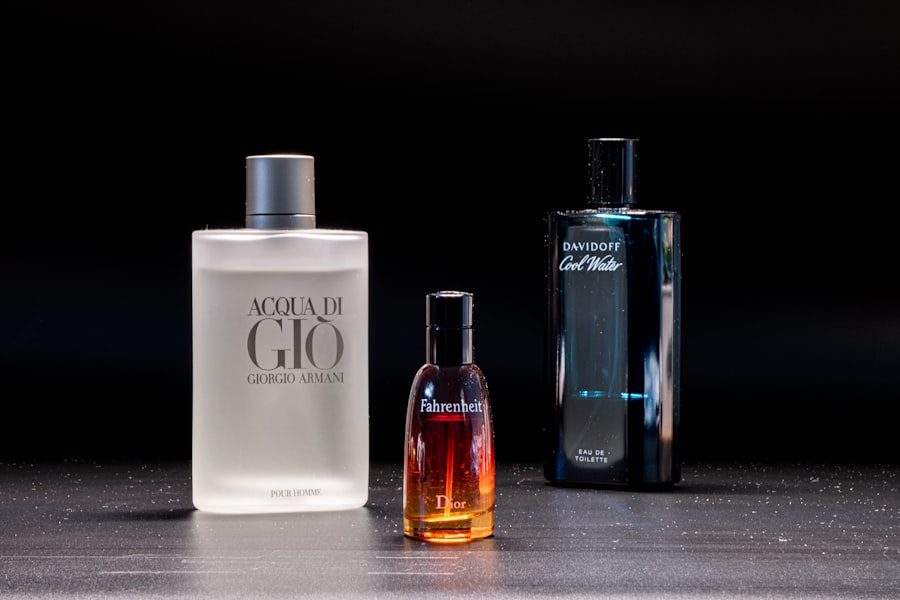
Beyond the primary aromatic ingredients, a fragrance is often composed of other components that play crucial roles in its overall performance, longevity, and perception. These are the unsung heroes, the supporting cast that allows the stars to shine.
The Backbone of the Blend: Solvents and Carriers
The most significant component by volume is the solvent, which carries the aromatic compounds and allows for their diffusion.
Alcohol: The Evaporating Medium
- Ethanol (Ethyl Alcohol): This is the primary solvent in most modern perfumes. It’s a volatile spirit that evaporates quickly, carrying the fragrance molecules into the air. The concentration of alcohol in perfume varies depending on the product type (Eau de Parfum, Eau de Toilette, etc.).
Extending the Experience: Fixatives and Enhancing Molecules
Fixatives are compounds that slow down the evaporation rate of more volatile aromatic ingredients, ensuring the fragrance lasts longer on the skin.
Holding Onto the Aroma
- Resins and Balsams: As mentioned in base notes, resins like benzoin and labdanum also act as fixatives due to their low volatility.
- Musk Compounds: Synthetic musks are excellent fixatives, anchoring the entire composition.
- Specific Fixative Molecules: Certain synthetic molecules are specifically designed for their fixative properties, helping to bind the fragrance to the skin.
The Subtle Art of Sweetness and Texture: Sweeteners and Emollients
While not always prominent, certain ingredients can add subtle sweetness or texture, influencing the overall feel and perception of the fragrance.
A Touch of Sweetness and Smoothness
- Vanillin and Ethyl Vanillin: These are synthetic compounds that mimic the aroma of vanilla, contributing sweetness and warmth. They are often found in oriental and gourmand fragrances.
- Glycerine and Lanolin (in some formulations): While less common in fine fragrances, these emollients can sometimes be found in perfumed lotions or solid perfumes to provide a smoother feel and enhance skin adherence. These are more prevalent in cosmetic applications than in pure perfume.
The topic of fragrance black box ingredients has garnered significant attention in recent years, as consumers become more aware of the complexities behind their favorite scents. Many people are curious about what goes into these fragrances and how they can impact health and the environment. For those interested in exploring this subject further, a related article provides valuable insights into the hidden components of fragrances and their implications. You can read more about it in this informative piece here.
The Olfactory Canvas: Understanding the Black Box’s Palette
| Ingredient | Function | Common Usage | Potential Concerns | Regulatory Status |
|---|---|---|---|---|
| Fragrance Mix | Blend of various scent compounds | Used to create signature scents | Allergic reactions in sensitive individuals | Generally recognized as safe (GRAS) but proprietary |
| Phthalates | Solvent and fixative | Enhances scent longevity | Possible endocrine disruptor | Restricted in some regions |
| Limonene | Citrus scent compound | Common in fresh fragrances | Can oxidize and cause skin irritation | Allowed with concentration limits |
| Linalool | Floral scent compound | Used in many perfumes | Potential allergen when oxidized | Regulated with labeling requirements |
| Benzyl Alcohol | Solvent and preservative | Stabilizes fragrance mixtures | May cause irritation in high concentrations | Generally safe at low levels |
| Cinnamal | Spicy, cinnamon scent | Used in oriental fragrances | Known allergen | Restricted use and labeling required |
Your Fragrance Black Box is not merely a collection of scents; it’s a carefully orchestrated composition. The ingredients within are the colors on the perfumer’s palette, each chosen for its unique hue and its ability to blend harmoniously with others.
By understanding the fundamental building blocks – the natural extracts that whisper tales of the earth and the synthetic molecules that push the boundaries of olfaction – you gain a deeper appreciation for the artistry involved. The interplay of top, heart, and base notes, the deliberate choice of fixatives, and the subtle influence of enhancers all contribute to the final olfactory experience. The mystery of your Black Box is now a little less opaque, revealing the intricate science and artistry that breathes life into its captivating aroma.
FAQs
What are common ingredients found in fragrance black boxes?
Fragrance black boxes typically contain a blend of natural and synthetic ingredients such as essential oils, aroma chemicals, solvents, fixatives, and preservatives. These components work together to create a specific scent profile and ensure the fragrance’s stability and longevity.
Why are some fragrance ingredients listed as “black box” or undisclosed?
Certain fragrance ingredients are kept confidential to protect proprietary formulas and trade secrets. This practice is common in the industry to prevent imitation and maintain competitive advantage. However, all ingredients must comply with safety regulations.
Are fragrance black box ingredients safe for consumers?
Yes, fragrance ingredients used in black boxes are generally considered safe when used as intended. Regulatory bodies like the International Fragrance Association (IFRA) set guidelines and restrictions to ensure consumer safety. However, some individuals may experience sensitivities or allergies to specific components.
Can fragrance black box ingredients cause allergic reactions?
Some ingredients in fragrance formulations can trigger allergic reactions or skin sensitivities in susceptible individuals. Common allergens include certain essential oils and synthetic aroma chemicals. It is advisable to perform a patch test or consult ingredient lists if you have known sensitivities.
How can consumers find out the ingredients in a fragrance black box?
While full ingredient disclosure is not always provided due to proprietary reasons, consumers can often find a list of key allergens or major components on product packaging or company websites. For detailed information, contacting the manufacturer directly or reviewing safety data sheets may be helpful.