The cosmic expanse, a vast and silent theater of celestial bodies, has long captivated the human imagination. From humanity’s earliest gazes upward at the star-dusted canvas, a fundamental question has echoed through the ages: are we alone? Space exploration, a monumental endeavor born from this profound curiosity, represents humanity’s most ambitious outreach into the unknown. It is a journey that pushes the boundaries of scientific understanding, technological innovation, and our very definition of existence. This article will delve into the multifaceted world of space exploration, dissecting its motivations, its achievements, its ongoing challenges, and the tantalizing possibilities that lie ahead.
The initial stirrings of space exploration were not a sudden leap into the void but a gradual evolution of human ambition. Early astronomers, with rudimentary instruments, charted the movements of planets and stars, laying the groundwork for a scientific understanding of our solar system. However, the true catalyst for actively venturing beyond Earth’s atmosphere was rooted in a complex interplay of scientific curiosity and geopolitical competition.
The Dawn of the Space Age
The mid-20th century witnessed the emergence of this new era. The theoretical foundations for rocketry, explored by visionaries like Konstantin Tsiolkovsky and Robert Goddard, began to materialize into functional machines. The Cold War, a period of intense ideological and technological rivalry between the United States and the Soviet Union, inadvertently became a powerful engine for space development. The race to achieve orbital milestones, culminating in the launch of Sputnik 1 by the Soviet Union in 1957, served as a stark awakening for the West and ignited a fervent desire to match and surpass these achievements. This competition, while driven by strategic concerns, had the remarkable effect of accelerating scientific progress and fostering unprecedented levels of investment in space technology.
The Scientific Imperative
Beyond the geopolitical arena, a deep-seated scientific imperative fueled the drive to explore. The desire to understand the origins of the universe, the formation of planets, and the potential for life beyond Earth remained a constant, powerful motivator. Each new discovery, from the composition of lunar rocks to the detection of atmospheric gases on distant worlds, added another piece to the intricate puzzle of cosmic evolution. The universe, a grand library of immense proportions, held secrets that only direct observation and exploration could unlock.
Space exploration has always captivated the imagination of humanity, and a fascinating article that delves into the latest advancements in this field can be found at Hey Did You Know This. This article discusses recent missions to Mars, the potential for human colonization of other planets, and the technological innovations that are making these ambitious goals a reality. As we continue to push the boundaries of our knowledge and capabilities, the insights shared in this piece highlight the exciting future that awaits us in the cosmos.
Pillars of Progress: Key Milestones and Discoveries
The history of space exploration is punctuated by a series of awe-inspiring achievements, each building upon the last and expanding our cosmic horizons. These milestones represent not just technological triumphs but also profound shifts in our understanding of our place in the universe.
Reaching for the Moon: The Apollo Program
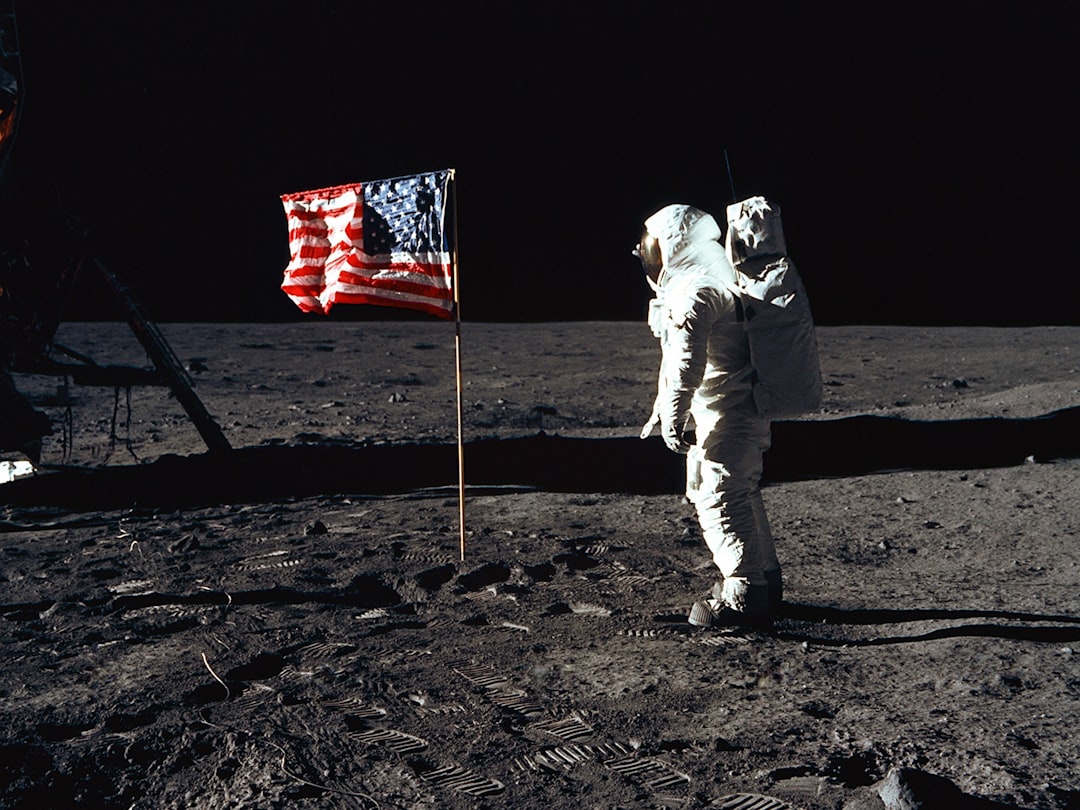
Perhaps the most iconic achievement in space exploration is the Apollo program, culminating in humanity’s first steps on the lunar surface in 1969. This monumental undertaking, a testament to human ingenuity and determination, fulfilled a national goal and captivated the world. The lunar landings provided invaluable scientific data about the Moon’s geology, formation, and history, offering a unique window into the early solar system. The samples brought back from the Moon continue to be studied today, yielding new insights. The Apollo program was more than just a flag-planting exercise; it was a scientific mission of unprecedented scale and complexity.
Probing the Solar System: Robotic Explorers
While human missions remain a focal point, robotic probes have played a crucial role in expanding our knowledge of the solar system. These unmanned emissaries, hardy and relentless, have ventured to the innermost planets and the farthest reaches of the heliosphere, sending back a deluge of data.
The Inner Solar System: Mercury, Venus, and Mars
Missions to Mercury have revealed a world scarred by impacts and hiding astonishing geological secrets. Venus, shrouded in its toxic atmosphere, has been explored by probes that have braved its extreme conditions to map its surface and understand its runaway greenhouse effect, serving as a stark warning for Earth. Mars, the red planet, has been a particular focus, with rovers and orbiters searching for evidence of past or present life. The discovery of water ice and the confirmation of liquid water flowing on its surface in ancient times have dramatically reshaped our understanding of Mars’ habitability potential.
The Outer Giants and Beyond: Jupiter, Saturn, Uranus, Neptune, and Dwarf Planets
The gas giants and their moons represent another frontier. Missions like Voyager, Galileo, and Cassini have provided breathtaking images and groundbreaking scientific data, revealing complex atmospheres, powerful magnetic fields, and tantalizing moons with subsurface oceans. Europa, a moon of Jupiter, and Enceladus, a moon of Saturn, are considered prime candidates for harboring extraterrestrial life due to the presence of liquid water beneath their icy shells. Further out, probes have explored Pluto and other Kuiper Belt Objects, revealing a diverse and dynamic outer solar system.
Unraveling Stellar Mysteries: Telescopes in Orbit
Satellites equipped with powerful telescopes have revolutionized our view of the universe by transcending the distorting effects of Earth’s atmosphere. The Hubble Space Telescope, a true titan of discovery, has captured images of distant galaxies, nebulae, and star-forming regions with unparalleled clarity. Its observations have fundamentally altered our understanding of the age and expansion of the universe, the nature of black holes, and the formation of planetary systems. The James Webb Space Telescope, Hubble’s successor, promises to push these boundaries even further, peering back to the earliest moments of cosmic creation. These orbital observatories are the telescopes that allow us to not just look out into the cosmos, but to truly see it.
Navigating the Cosmos: Technologies and Innovations
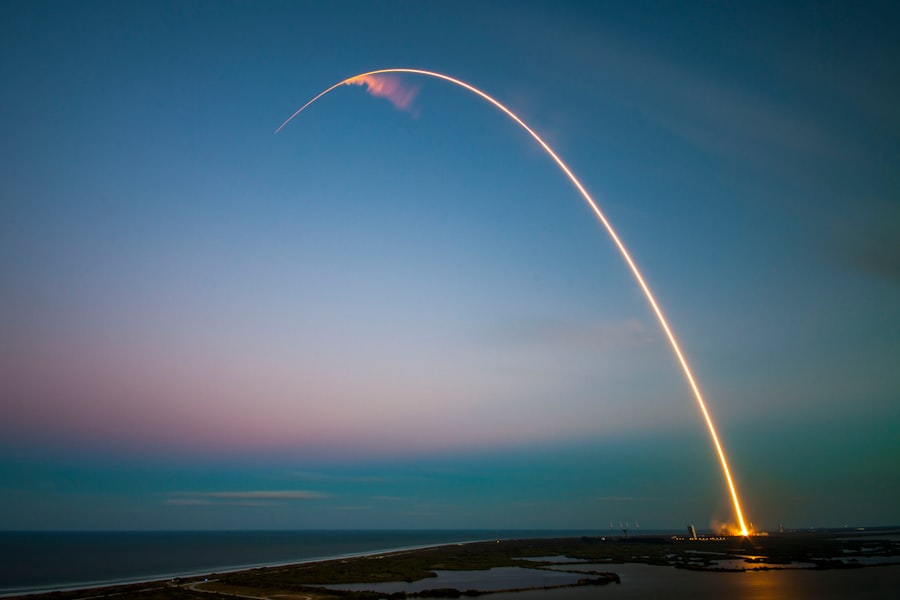
The achievements of space exploration are inextricably linked to the relentless pursuit of technological advancement. Each mission, from launching rockets to landing on distant worlds, demands innovative solutions to overcome the harsh realities of the space environment.
Propelling Humanity: Rocketry and Propulsion Systems
The quintessential symbol of space exploration is the rocket. The development of increasingly powerful and efficient rocket engines has been a constant endeavor. From the early chemical rockets to theoretical advanced propulsion systems like ion drives and nuclear propulsion, the quest for faster and more efficient ways to traverse the vast distances of space continues. The design of these machines is a delicate dance between raw power and precise control, a symphony of engineering designed to break free from gravity’s embrace.
Sustaining Life Beyond Earth: Life Support Systems
For human missions, the ability to sustain life in utterly alien environments is paramount. Life support systems are complex ecosystems designed to provide breathable air, potable water, and temperature regulation. They are the artificial wombs that allow humans to survive in the vacuum of space. The development of closed-loop systems, which recycle resources efficiently, is crucial for long-duration missions and future colonization efforts.
Navigating the Void: Guidance, Navigation, and Control (GNC)
Precisely guiding spacecraft through the immense distances of space, especially with their limited communication speeds, is a formidable challenge. Guidance, Navigation, and Control (GNC) systems are the brains of any space mission, ensuring that spacecraft stay on course, execute complex maneuvers, and land with pinpoint accuracy. These systems rely on sophisticated sensors, algorithms, and onboard computers to perform their vital functions.
Communicating Across the Chasm: Deep Space Networks
The vastness of space creates a significant communication challenge. Deep space networks, employing large radio antennas, are essential for transmitting data and commands between spacecraft and Earth. The signals, attenuated by immense distances, require careful processing and interpretation, making each communication a testament to the power of electromagnetic waves.
The Road Ahead: Current Efforts and Future Aspirations
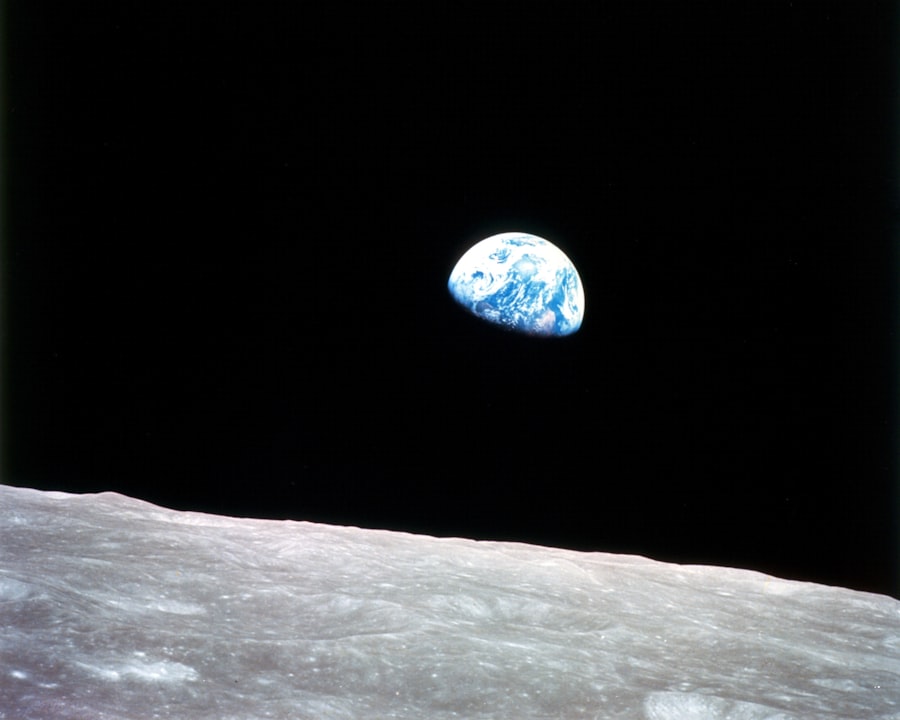
Space exploration is not a static endeavor; it is a dynamic field constantly pushing towards new frontiers. Current efforts are focused on a variety of ambitious goals, building upon past successes and looking towards an increasingly interconnected future.
Returning Humans to the Moon: Artemis Program
The Artemis program, spearheaded by NASA and its international partners, marks a significant return to lunar exploration with a long-term vision. The program aims to establish a sustained human presence on the Moon, utilizing it as a stepping stone for future missions to Mars and beyond. This endeavor represents a shift from short-duration visits to a more permanent integration with another celestial body. The Moon, once a distant dream, is becoming a cosmic outpost.
The Martian Horizon: Preparing for Human Missions
The ultimate goal for many in space exploration is the safe and successful arrival of humans on Mars. Current reconnaissance missions are focused on identifying suitable landing sites, assessing the risks of radiation and dust, and developing the technologies required to support human life on the Red Planet. The prospect of human footprints on Mars is a powerful motivator, representing a monumental leap for humanity.
Searching for Extraterrestrial Life: Astrobiology
The fundamental question of whether life exists beyond Earth continues to drive scientific inquiry. Astrobiology, a multidisciplinary field, focuses on understanding the origins, evolution, and distribution of life in the universe. Missions are specifically designed to search for biosignatures on planets and moons within our solar system and the ongoing analysis of exoplanet atmospheres for signs of biological activity. The discovery of even microbial life elsewhere would profoundly alter our perception of our place in the cosmos.
Expanding Our Reach: Commercial Spaceflight and New Frontiers
The rise of commercial space companies has injected new dynamism into the sector. These companies are developing innovative launch systems, facilitating space tourism, and contributing to scientific missions. This privatization of space access promises to democratize exploration and accelerate progress. Furthermore, the exploration of the outer solar system, the search for habitable exoplanets, and even the theoretical exploration of interstellar travel represent the ever-expanding frontiers of our cosmic aspirations.
Space exploration has always captivated the imagination of humanity, leading to groundbreaking discoveries and advancements in technology. A recent article discusses the potential for human colonization of Mars and the challenges that lie ahead in making this dream a reality. For those interested in learning more about this fascinating topic, you can read the full article here. As we continue to push the boundaries of what is possible, the future of space exploration promises to be both exciting and transformative.
Challenges and Considerations
| Metric | Value | Unit | Notes |
|---|---|---|---|
| Number of Human Spaceflights | 350+ | missions | Since 1961, including ISS missions |
| Distance to Moon | 384,400 | km | Average Earth-Moon distance |
| Distance to Mars (closest approach) | 54.6 | million km | Varies due to orbital positions |
| Number of Active Satellites | 4,500+ | satellites | As of 2024 |
| International Space Station (ISS) Orbit Altitude | 408 | km | Average altitude above Earth |
| Longest Human Spaceflight Duration | 437.7 | days | Valeri Polyakov aboard Mir |
| Number of Mars Rovers Landed | 9 | rovers | Including operational and past missions |
| First Artificial Satellite Launched | Sputnik 1 | 1957 | Year of launch |
| Speed of Voyager 1 | 61,000 | km/h | Fastest human-made object |
| Number of Countries with Space Programs | 70+ | countries | Includes governmental and private programs |
Despite the incredible progress made, space exploration is fraught with significant challenges and demands careful ethical and practical considerations. The pursuit of knowledge in the cosmos is not without its hurdles.
The Tyranny of Distance and Time
The immense distances separating celestial bodies present a fundamental obstacle. Travel times can span years, even decades, requiring robust spacecraft, reliable life support, and significant psychological resilience for human crews. Communication delays, measured in minutes or even hours, also complicate mission operations. The sheer scale of the universe means that even light, the fastest thing known, takes considerable time to bridge the gaps between worlds.
The Perilous Environment of Space
Space is an unforgiving environment. Radiation from the sun and cosmic rays poses a significant health risk to astronauts and can degrade sensitive electronics. Extreme temperatures, the vacuum of space, and the potential for micrometeoroid impacts all demand robust engineering and protective measures. Surviving in this alien realm requires a constant battle against the inherent dangers.
The Economics of Exploration
Space exploration is a costly endeavor. The development, construction, and launch of spacecraft require significant financial investment. Balancing the pursuit of scientific discovery with budgetary constraints and public funding remains a perennial challenge. The resources dedicated to space exploration must be weighed against other pressing societal needs.
Ethical and Societal Implications
As humanity ventures further into space, profound ethical questions arise. These include the potential for the contamination of other worlds with Earth microbes, the responsible resource utilization of celestial bodies, and the long-term governance of human settlements beyond Earth. The implications of discovering extraterrestrial life also carry significant philosophical and societal weight.
In conclusion, space exploration is a testament to humanity’s insatiable curiosity and our unwavering drive to understand the universe. It is a journey that has already yielded unimaginable discoveries and promises even greater revelations in the years to come. While the challenges are substantial, the rewards – understanding our origins, seeking out life beyond our planet, and perhaps even securing the future of our species – are immeasurable. The cosmic tapestry, vast and intricate, continues to beckon, and humanity, with its gaze fixed upon the stars, is compelled to answer the call.
FAQs
What is space exploration?
Space exploration is the investigation of outer space through the use of astronomy, space technology, and spacecraft. It involves sending satellites, probes, and humans beyond Earth’s atmosphere to study celestial bodies and the universe.
When did space exploration begin?
Space exploration began in the mid-20th century, with the launch of the first artificial satellite, Sputnik 1, by the Soviet Union in 1957. This event marked the start of the space age and the space race between the United States and the Soviet Union.
What are some key achievements in space exploration?
Key achievements include the first human landing on the Moon by Apollo 11 in 1969, the deployment of the Hubble Space Telescope, the Mars rover missions, and the International Space Station (ISS), which serves as a habitable artificial satellite for scientific research.
Why is space exploration important?
Space exploration is important for advancing scientific knowledge about the universe, developing new technologies, inspiring innovation, and potentially finding resources or habitats beyond Earth. It also helps improve understanding of Earth’s environment and climate.
What are the main challenges of space exploration?
Challenges include the high cost of missions, technical difficulties in spacecraft design, the risks to human health from space radiation and microgravity, long-duration space travel, and the need for international cooperation and regulation.