Unveiling Covert Operations: The Secret World of Espionage
The realm of espionage, a landscape shrouded in secrecy and intrigue, plays a pivotal role in shaping global affairs. Beyond the public gaze, a hidden army of operatives works diligently, their actions often determining the course of events. This article delves into the multifaceted world of covert operations, examining their history, methods, and the ethical considerations that accompany their execution.
Espionage, in its most rudimentary form, is as old as human conflict and diplomacy. The act of gathering intelligence, of understanding an adversary’s intentions and capabilities, has been a cornerstone of survival and strategic advantage throughout history.
Early Forms of Intelligence Gathering
Even before formalized intelligence agencies, rulers and commanders understood the value of spies.
Biblical and Classical Examples
References to espionage can be found in ancient texts. The biblical account of Moses sending spies into the land of Canaan, or Caesar’s use of informants during his Gallic Wars, illustrates the enduring nature of human curiosity and the strategic necessity of information. These early operatives were often merchants, travelers, or even captives, their access and trustworthiness carefully managed.
The Renaissance and the Birth of Diplomacy
The Renaissance saw a more organized approach to intelligence. Emerging nation-states and the burgeoning field of diplomacy necessitated a more systematic gathering of information on rival courts and political machinations. Niccolò Machiavelli, in his seminal work The Prince, implicitly recognized the importance of intelligence, advocating for a ruler to be aware of all aspects of his domain, both visible and hidden. This era saw the development of rudimentary ciphers and the establishment of permanent diplomatic missions, which often served as convenient cover for intelligence operations.
The Rise of Formal Intelligence Agencies
The 19th and 20th centuries witnessed a dramatic evolution in espionage, marked by the establishment of dedicated state intelligence agencies.
The Victorian Era and the Dawn of Modern Policing
In Great Britain, the establishment of the Secret Service Bureau in the early 20th century, though its roots can be traced back to earlier informal networks, is often cited as a precursor to modern intelligence agencies. The increasing complexity of international relations, coupled with emerging technologies, demanded a more professional and centralized approach to intelligence collection.
World Wars: Accelerators of Espionage Innovation
The two World Wars served as powerful catalysts for the rapid advancement of espionage techniques and organization. The sheer scale of these conflicts necessitated an unprecedented level of intelligence gathering.
World War I: Ciphers and Code-Breaking
The breaking of the German Zimmermann Telegram by British intelligence in World War I was a pivotal moment, demonstrating the strategic impact of code-breaking. This era saw significant advancements in cryptography and the development of specialized units dedicated to its study.
World War II: The Enigma and the Manhattan Project
The cracking of the German Enigma machine by Allied code-breakers, particularly at Bletchley Park, stands as one of history’s most significant intelligence triumphs. The United States’ Manhattan Project, while a scientific endeavor, also involved extensive counter-intelligence efforts to protect its secrets from Axis powers, underscoring the interwoven nature of intelligence and national security.
Covert operations have long been a crucial aspect of intelligence and military strategy, often shrouded in secrecy and intrigue. For those interested in exploring this topic further, a related article can be found at Hey Did You Know This, which delves into various historical and contemporary examples of covert missions and their impact on global affairs.
The Arsenal of the Spy: Methods and Modus Operandi
The modern spy operates with a sophisticated toolkit, employing a diverse range of methods to acquire vital information. These techniques are constantly evolving, adapting to technological advancements and ever-shifting geopolitical landscapes.
Human Intelligence (HUMINT): The Age-Old Art of Eavesdropping on the Human Heart
At its core, espionage relies on people. Human intelligence, the collection of information from human sources, remains an indispensable component of any intelligence operation.
Recruiting and Handling Agents
The recruitment of agents is a delicate and often perilous process. Operatives must identify individuals with access to valuable information, assess their motivations – be it ideology, financial gain, or coercion – and cultivate them into reliable sources. This requires a deep understanding of human psychology and a masterful ability to build rapport and trust, or to exploit vulnerabilities. The handling of these agents is equally critical, ensuring their safety and the integrity of the information they provide. A compromised agent can be a catastrophic failure for an entire operation.
Defectors and Double Agents
Defectors, individuals who abandon their allegiance to a hostile regime, can be invaluable assets, bringing with them insider knowledge and access. However, their reliability must be rigorously vetted, as they may be attempting to sow disinformation. Double agents, those who secretly work for opposing intelligence services, present a more complex scenario, often used to feed false information or to gain leverage.
Signals Intelligence (SIGINT): Listening to the Etherelectronic Conversation of the World
In the digital age, a vast ocean of information flows through electronic signals. Signals Intelligence (SIGINT) seeks to intercept and analyze these transmissions.
Interception and Decryption
This involves the monitoring of radio communications, satellite transmissions, and internet traffic. The raw data is then subjected to decryption, a painstaking process that involves breaking sophisticated codes and ciphers. Modern SIGINT operations often leverage advanced artificial intelligence and machine learning algorithms to sift through vast quantities of data and identify patterns.
Communications Intelligence (COMINT) and Electronic Intelligence (ELINT)
COMINT focuses on the content of communications, while ELINT targets non-communication electronic signals, such as radar and weapon systems. Both provide critical insights into an adversary’s operational capabilities, intentions, and disposition.
Geospatial Intelligence (GEOINT): The Eyes in the Sky and on the Ground
Geospatial Intelligence (GEOINT) combines imagery and map-based information to create a comprehensive understanding of physical locations and activities.
Satellite Imagery and Aerial Reconnaissance
High-resolution satellite imagery provides an unparalleled vantage point, allowing intelligence agencies to monitor troop movements, infrastructure development, and even clandestine activities in remote regions. Aerial reconnaissance, utilizing drones and manned aircraft, offers a more immediate and flexible option for observing specific areas of interest.
Ground Sensors and Other Imaging Technologies
Beyond visible light, advanced sensors can detect heat signatures, electromagnetic emissions, and even subtle changes in the environment, offering a multilayered approach to understanding a location.
Open-Source Intelligence (OSINT): The Goldmine in the Public Domain
Contrary to popular belief, a significant amount of valuable intelligence exists in the public domain. Open-Source Intelligence (OSINT) involves the collection and analysis of publicly available information.
Harnessing the Power of the Internet and Social Media
The internet, with its vast repositories of news articles, academic papers, government reports, and social media platforms, is a fertile ground for OSINT. Analysts can track public discourse, identify emerging trends, and glean insights into societal sentiment and political dynamics. Social media, in particular, can offer real-time information about events as they unfold.
Traditional OSINT Sources
Traditional sources such as newspapers, magazines, academic journals, and public records continue to be important. The judicious analysis of these sources can provide historical context and deeper understanding.
The Shadowy World of Covert Action: Beyond Information Gathering
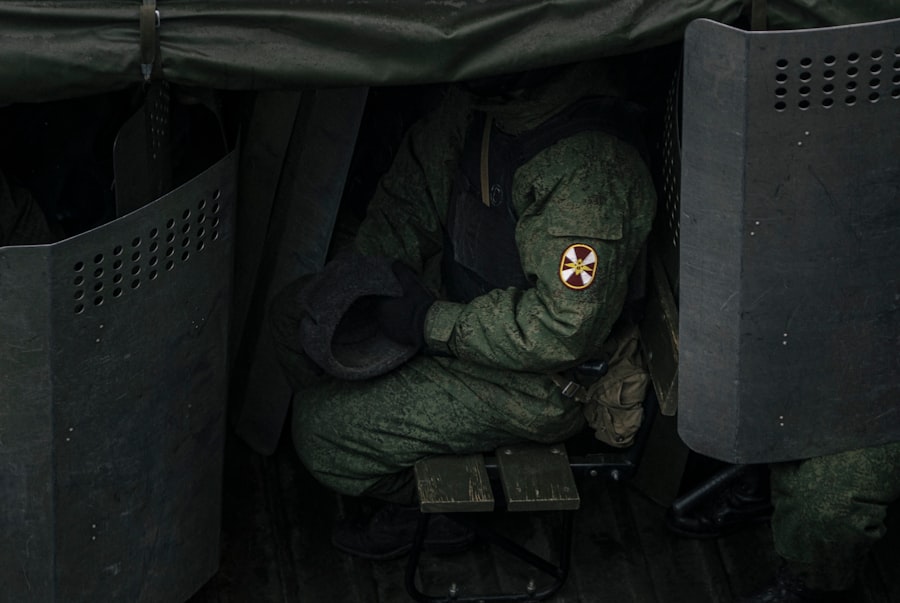
While intelligence gathering is a primary function, espionage also encompasses covert action – operations designed to influence events without overt attribution. These actions are often the most controversial and ethically challenging aspects of the intelligence world.
Paramilitary Operations and Sabotage
In some instances, intelligence agencies may engage in paramilitary operations, often in support of friendly forces or to disrupt hostile operations. Sabotage, the deliberate destruction or obstruction of enemy resources, is another tool that can be employed.
Deniable Operations and Plausible Deniability
A key characteristic of covert action is the concept of “plausible deniability.” The intent is to carry out an operation in such a way that its true perpetrators cannot be definitively identified, allowing the sponsoring government to avoid direct responsibility. This is often achieved through the use of proxies, cut-outs, and carefully constructed narratives.
Political Influence and Disinformation Campaigns
Espionage agencies can also engage in operations designed to influence political outcomes in other countries.
Propaganda and Psychological Operations
The dissemination of propaganda, the manipulation of information to shape public opinion, is a long-standing tool. Psychological operations (psyops) can range from the distribution of leaflets to the targeted use of social media to sow discord or promote a particular narrative.
Election Interference and Political Destabilization
Covert operations have, in some historical instances, been used to interfere in the electoral processes of foreign nations or to destabilize hostile regimes. These operations are fraught with ethical and legal implications, often leading to significant international repercussions.
The Ethical Minefield: Morality and Accountability in the Shadows
The very nature of espionage, operating in secrecy and often employing morally ambiguous methods, raises profound ethical questions.
The Dilemma of Deception and Secrecy
The inherent deception involved in espionage, the need to lie and manipulate to achieve objectives, creates a moral quandary for operatives and policymakers alike. The secrecy surrounding these operations also makes accountability extremely difficult.
Balancing National Security and Civil Liberties
One of the most significant ethical challenges is finding the right balance between the imperative of national security and the protection of civil liberties. The vast powers wielded by intelligence agencies can, if unchecked, lead to the erosion of privacy and the infringement of fundamental rights.
The Principle of Necessity and Proportionality
A key ethical consideration in the conduct of covert operations is the principle of necessity and proportionality. Is the action truly necessary to achieve a legitimate national security objective, and is the potential harm caused by the operation proportional to the benefit gained?
Oversight and Accountability Mechanisms
To mitigate the risks associated with unchecked power, robust oversight mechanisms are crucial. These typically involve legislative bodies, judicial review, and internal inspector generals who are empowered to scrutinize the activities of intelligence agencies and hold them accountable for any transgressions.
Covert operations have long been a crucial aspect of national security and intelligence gathering, often shrouded in secrecy and intrigue. For those interested in exploring this topic further, a related article provides insights into the historical context and modern implications of such missions. You can read more about it in this informative piece on covert activities. Understanding these operations can shed light on the complexities of global politics and the delicate balance of power. For more details, check out the article here.
The Future of Espionage: The Evolving Landscape of Information Warfare
| Operation Name | Year | Country | Objective | Outcome | Agency Involved |
|---|---|---|---|---|---|
| Operation Ajax | 1953 | Iran | Overthrow Prime Minister Mossadegh | Successful | CIA |
| Operation Neptune Spear | 2011 | Pakistan | Capture/Kill Osama bin Laden | Successful | US Navy SEALs / CIA |
| Operation Gladio | Cold War Era | Europe | Counter Soviet Invasion | Controversial | NATO / CIA |
| Operation Mongoose | 1961-1963 | Cuba | Remove Fidel Castro | Failed | CIA |
| Operation CHAOS | 1967-1974 | USA | Domestic Surveillance of Anti-war Activists | Exposed and Terminated | CIA |
The world of espionage is in a constant state of flux, driven by technological innovation and the changing nature of global threats.
Cyber Espionage and Information Warfare
The rise of cyber capabilities has opened up entirely new frontiers for espionage. Cyber espionage involves the clandestine intrusion into computer systems to steal sensitive data or disrupt operations. Information warfare, a broader concept, encompasses the use of information and communication technologies to achieve military or political objectives.
The Blurring Lines Between State and Non-State Actors
The digital realm has blurred the lines between state and non-state actors. Terrorist organizations and sophisticated criminal syndicates now possess capabilities that were once the exclusive domain of national intelligence agencies, posing new and complex challenges for intelligence gathering and counter-espionage.
Artificial Intelligence and the Algorithmic Spy
Artificial intelligence is poised to revolutionize espionage. AI can automate data analysis, identify complex patterns, and even power autonomous surveillance systems.
Predictive Analysis and the Ethical Implications of Algorithmic Surveillance
The concept of predictive analysis, using AI to forecast future events or identify potential threats, holds immense promise but also raises significant ethical concerns regarding pre-crime initiatives and the potential for algorithmic bias. The proliferation of AI-powered surveillance technologies demands careful consideration of privacy and civil liberties.
The world of covert operations remains a vital, albeit often unseen, force in international affairs. Its practitioners navigate a complex terrain of secrecy, deception, and ethical challenges. Understanding the history, methods, and evolving landscape of espionage is crucial to comprehending the intricate tapestry of global security and the silent battles fought in the shadows.
FAQs
What are covert operations?
Covert operations are secret missions or activities conducted by governments or organizations to achieve specific objectives without revealing their involvement. These operations are designed to remain hidden from the public and often involve intelligence gathering, sabotage, or influence campaigns.
Who typically conducts covert operations?
Covert operations are usually carried out by intelligence agencies, military special forces, or government security organizations. Examples include the CIA in the United States, MI6 in the United Kingdom, and similar agencies worldwide.
What is the main purpose of covert operations?
The primary purpose of covert operations is to achieve strategic or tactical goals while maintaining plausible deniability. This can include gathering intelligence, disrupting enemy activities, influencing political outcomes, or protecting national security interests without direct attribution.
How do covert operations differ from overt military actions?
Covert operations are conducted in secrecy and aim to conceal the identity of the sponsor, whereas overt military actions are openly acknowledged and involve visible deployment of forces. Covert missions often rely on stealth, deception, and intelligence rather than open combat.
Are covert operations legal under international law?
The legality of covert operations depends on the context and the laws of the countries involved. Some covert actions may violate international law or sovereignty if conducted without consent. However, many nations justify covert operations as necessary for national security, though they remain controversial and subject to legal and ethical debate.