
The Middle East, a land steeped in history and strategically positioned at the crossroads of three continents, presents a political landscape often perceived as an intricate tapestry woven with myriad threads of history, religion, economics, and international influence. This article endeavors to unravel some of these complexities, offering a factual overview of the region’s geopolitical dynamics and the various forces shaping its present and future.
Understanding the present political climate of the Middle East necessitates a comprehensive look at its historical foundations. These historical legacies act as deep currents beneath the surface, constantly influencing contemporary events.
The Ottoman Legacy and Colonialism
For centuries, much of the Middle East was under the dominion of the Ottoman Empire. This vast empire, while providing a degree of stability and common governance, also fostered diverse ethno-religious communities that would later become a source of contention. Its collapse after World War I, coupled with the imposition of artificial borders by European colonial powers (primarily Britain and France through the Sykes-Picot Agreement), fundamentally reshaped the region. These newly drawn national boundaries often disregarded existing ethno-sectarian distributions, planting the seeds for future conflicts and irredentist claims. The mandate system, ostensibly designed to prepare these nations for self-governance, often prioritized colonial economic and strategic interests over the indigenous populations’ aspirations.
The Arab-Israeli Conflict
Arguably one of the most enduring and impactful conflicts of the 20th and 21st centuries, the Arab-Israeli conflict is deeply rooted in competing national narratives and historical claims to the same land. The establishment of Israel in 1948, following the Balfour Declaration and the Holocaust, led to a series of wars and waves of displacement known as the Nakba to Palestinians. This conflict has not only reshaped the geopolitical landscape but has also fueled pan-Arab nationalism, Islamist movements, and continues to be a central point of contention in international relations, drawing in various regional and global actors. Its reverberations extend far beyond the immediate geographical area.
Rise of Arab Nationalism and Pan-Arabism
In the mid-20th century, the ideology of Arab nationalism, often intertwined with pan-Arabism, gained significant traction. This movement sought to unite Arab states against perceived Western domination and establish a singular Arab nation. Figures like Gamal Abdel Nasser of Egypt epitomized this era, advocating for self-determination, social justice, and a strong, unified Arab voice on the global stage. While pan-Arabism ultimately failed to achieve its overarching goal of a unified Arab state, its legacy profoundly influenced the political development of many Middle Eastern nations, shaping their foreign policies and internal governance structures.
In the ever-evolving landscape of Middle East politics, understanding the historical context is crucial for grasping current events. A related article that delves into the complexities of the region’s political dynamics can be found at Hey Did You Know This. This resource provides insightful analysis and background information that can enhance your understanding of the various factors influencing the Middle East today.
Geopolitical Drivers and Regional Powers
The Middle East is characterized by a complex interplay of internal and external geopolitical drivers, with several regional powers vying for influence.
Oil and Geostrategic Importance
The region’s vast oil reserves have undeniably been a primary driver of international interest and, at times, intervention. Control over these resources, particularly through critical chokepoints like the Strait of Hormuz and the Suez Canal, confers immense geopolitical leverage. This resource wealth has fueled economic development in some states, while in others it has contributed to corruption and rentier states, where governments rely on oil revenues rather than diversified economies, potentially hindering democratic development. The global reliance on Middle Eastern oil continues to make the region a focal point for major world powers, each seeking to secure their energy interests.
The Saudi-Iranian Rivalry
At the heart of many contemporary Middle Eastern conflicts lies the geopolitical rivalry between Saudi Arabia and Iran. This competition is multifaceted, encompassing sectarian differences (Sunni Saudi Arabia vs. Shia Iran), ideological divergences (Wahhabism vs. Khomeinist revolutionary ideology), and competition for regional hegemony. This rivalry often manifests through proxy conflicts in states like Yemen, Syria, and Lebanon, where both powers support opposing factions, exacerbating existing tensions and contributing to humanitarian crises. Understanding the dynamics of this rivalry is crucial for grasping the broader regional instability.
The Role of Turkey and Egypt
Beyond Saudi Arabia and Iran, other regional powers like Turkey and Egypt play significant, albeit distinct, roles. Turkey, under its current leadership, has increasingly asserted itself as a regional player, engaging in military interventions (e.g., Syria, Libya) and pursuing an independent foreign policy often rooted in neo-Ottoman aspirations and a blend of nationalism and Islamism. Egypt, historically a leading Arab power, faces internal economic challenges but remains a significant voice in Arab affairs, often advocating for stability and maintaining a degree of influence through its demographic size, military, and diplomatic outreach. Their actions and interactions significantly shape regional dynamics.
Internal Dynamics and Societal Pressures

Beneath the surface of interstate relations, profound internal dynamics and societal pressures are constantly at play, often manifesting as challenges to existing governance structures.
Authoritarianism and Governance Challenges
Throughout much of the Middle East, authoritarian forms of governance have been prevalent. This often involves centralized power, limited political freedoms, suppression of dissent, and dynastic rule or single-party dominance. These structures, while sometimes providing stability in the short term, can breed resentment and leave large segments of the population feeling disenfranchised. The lack of inclusive political processes can lead to the marginalization of minorities or opposition groups, creating fertile ground for unrest when socio-economic grievances become acute.
Economic Disparities and Youth Unemployment
Economic disparities are a pervasive issue across the region. While some oil-rich states enjoy high per capita incomes, others struggle with poverty, high unemployment, and inadequate public services. This is particularly acute among the burgeoning youth population, who often face limited opportunities despite higher educational attainment. This economic frustration
was a key catalyst for the Arab Spring uprisings, as disillusioned young people, connected through social media, expressed their grievances against corrupt and unresponsive regimes that failed to deliver on promises of prosperity and opportunity.
Sectarianism and Identity Politics
Sectarian divisions, primarily but not exclusively between Sunni and Shia Muslims, have been exploited and exacerbated by political actors, both internal and external. While historical and theological differences exist, sectarianism often becomes a tool for political mobilization, allowing leaders to consolidate power, deflect criticism, and rally support. Identity politics, extending beyond sectarianism to encompass ethnic, tribal, and regional affiliations, can lead to fragmentation within societies, hindering national cohesion and making consensus-building difficult. These divisions represent deep fault lines within many states, often manipulated by those seeking to sow discord.
External Interventions and Global Influence
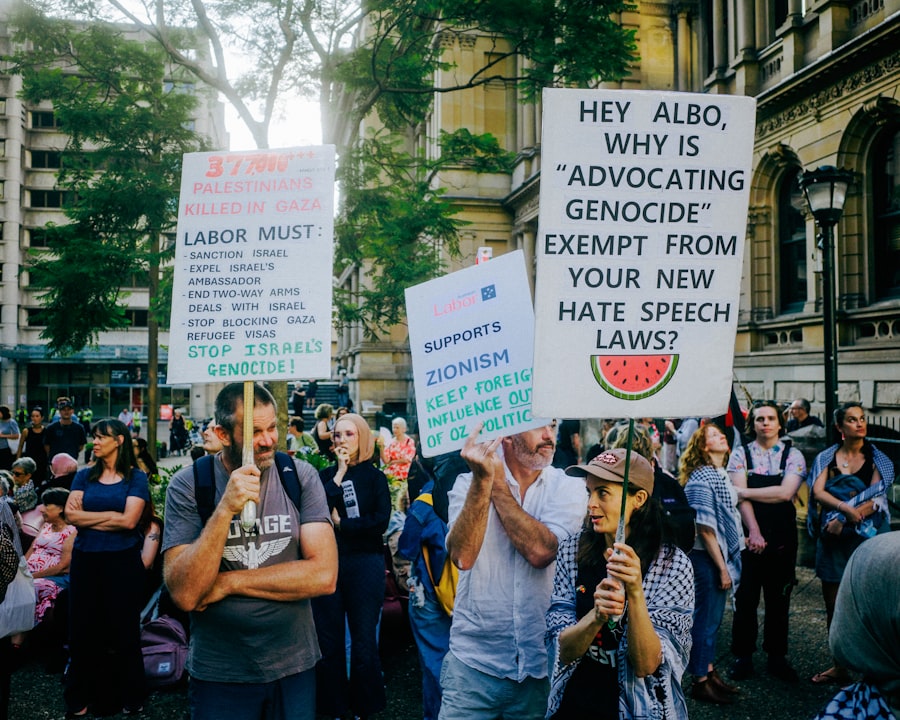
The Middle East has long been a theater for external interventions and a focal point for global powers, each with their own strategic interests and historical baggage.
US Foreign Policy and its Impact
The United States has historically played a significant and often contradictory role in the Middle East, driven by interests in oil security, counter-terrorism, and support for Israel. Its interventions, from supporting autocratic regimes to military campaigns in Iraq and Afghanistan, have had profound and often unintended consequences. The presence of US military bases, its diplomatic initiatives, and its economic aid packages significantly influence the region’s political trajectories. Different administrations have pursued varying approaches, leading to shifting alliances and perceptions of US reliability among regional actors.
Russian Resurgence and Chinese Engagement
In recent years, Russia has re-asserted its influence in the Middle East, particularly through its military intervention in Syria, which demonstrably shifted the balance of power. Russia seeks to counter Western influence, secure naval access to warm waters, and promote its arms industry. China, while traditionally avoiding direct military involvement, has significantly expanded its economic footprint through infrastructure investments (Belt and Road Initiative) and trade relationships, aiming to secure energy supplies and expand its global economic reach. These growing presences introduce new dynamics into the region’s geopolitical chessboard.
European Stakes and Concerns
European nations, due to their geographical proximity and historical ties, have significant stakes in the stability of the Middle East. Concerns about refugee flows, the spread of terrorism, and energy security drive European foreign policy. While often coordinating with the US, European powers sometimes pursue independent diplomatic initiatives, focusing on humanitarian aid, conflict resolution, and support for democratic transitions. The complex web of European interests often leads to a more nuanced engagement compared to the more singular focus of other global powers.
In recent discussions surrounding Middle East politics, the complexities of regional alliances and conflicts continue to evolve. A notable article that delves into these dynamics is available at this link, which explores the impact of historical grievances on current diplomatic relations. Understanding these factors is crucial for anyone interested in the future of the region and its global implications.
Emerging Trends and Future Trajectories
| Country | Political System | Current Leader | Major Political Parties | Recent Political Event | Key Political Issue |
|---|---|---|---|---|---|
| Saudi Arabia | Absolute Monarchy | King Salman bin Abdulaziz | None (Monarchy) | Vision 2030 reforms ongoing | Economic diversification, regional influence |
| Iran | Theocratic Republic | Ebrahim Raisi (President) | Principlists, Reformists | Ongoing nuclear deal negotiations | Sanctions, nuclear program, regional proxy conflicts |
| Israel | Parliamentary Democracy | Benjamin Netanyahu (Prime Minister) | Likud, Blue and White, Labor | Recent coalition government formation | Security, Palestinian conflict, settlements |
| United Arab Emirates | Federal Absolute Monarchy | President Mohamed bin Zayed Al Nahyan | None (Monarchy) | Normalization of relations with Israel | Economic diversification, regional diplomacy |
| Turkey | Presidential Republic | Recep Tayyip Erdoğan | AKP, CHP, HDP | Recent elections and constitutional changes | Kurdish conflict, regional influence, economy |
The Middle East is a region in constant flux, with new trends emerging that will undoubtedly shape its future.
Climate Change and Resource Scarcity
The Middle East is one of the regions most vulnerable to the impacts of climate change, including rising temperatures, desertification, and water scarcity. These environmental challenges are not merely ecological; they have profound political implications, potentially intensifying existing conflicts over dwindling resources, displacing populations, and further destabilizing already fragile states. The competition for water, for instance, in shared river basins like the Nile, Tigris, and Euphrates, is a growing concern that could escalate tensions between riparian states.
Technological Advancements and Social Change
The proliferation of internet access, social media, and evolving communication technologies continues to empower citizens, facilitate activism, and challenge state control over information. This digital transformation has been a double-edged sword: while it enabled the coordination of protests during the Arab Spring, it also allows authoritarian regimes to employ surveillance technologies and manipulate public discourse. Furthermore, technological advancements in areas like renewable energy could alter the fundamental economic equation for oil-dependent states in the longer term.
Persistent Conflict and the Search for Stability
Despite periods of relative calm, the Middle East remains a zone of persistent conflict. From lingering civil wars to proxy battles, the region struggles to find lasting stability. The human cost of these conflicts is immeasurable. The search for stability often involves external mediation, ceasefire agreements, and, in some cases, power-sharing arrangements. However, deep-seated grievances, competing national interests, and the ongoing machinations of regional and global powers make comprehensive and durable peace an elusive goal. The challenge for policymakers, both within and outside the region, is to navigate these turbulent waters towards a future where peace and prosperity are not just aspirations but tangible realities for the people of the Middle East.
You, the reader, can see that the Middle East is not a monolithic entity but a diverse collection of nations and peoples, each with its own story and struggles. The intricate web of historical legacies, geopolitical rivalries, internal dynamics, and external influences creates a political landscape that is both captivating and challenging to comprehend. Understanding these complexities is the first step towards constructive engagement and a more peaceful future for this strategically vital region.
FAQs
What are the main countries involved in Middle East politics?
The main countries involved in Middle East politics include Saudi Arabia, Iran, Israel, Egypt, Turkey, Syria, Iraq, Jordan, Lebanon, and the United Arab Emirates, among others.
What are the key issues driving political tensions in the Middle East?
Key issues include territorial disputes, religious and sectarian conflicts, control over natural resources like oil, political governance and human rights, and the influence of foreign powers.
How does religion influence politics in the Middle East?
Religion plays a significant role, with Sunni and Shia Islam divisions impacting alliances and conflicts. Additionally, the presence of other religious groups, such as Christians and Jews, also shapes political dynamics.
What role do external powers play in Middle East politics?
External powers such as the United States, Russia, and European countries often influence Middle East politics through military involvement, economic aid, diplomatic efforts, and strategic alliances.
What are some ongoing conflicts in the Middle East?
Ongoing conflicts include the Israeli-Palestinian conflict, the Syrian civil war, tensions between Saudi Arabia and Iran, the Yemen civil war, and instability in Iraq and Libya.