
Natural flavors in organic food are substances derived from plant or animal sources used to enhance taste in food products. In organic certification, these flavors must originate from organic sources, meaning they are produced without synthetic pesticides or fertilizers, adhering to organic farming standards. The composition of natural flavors varies significantly, with extracts coming from diverse sources including fruits, vegetables, herbs, and spices.
These organic flavor components enhance food’s taste profile without artificial additives. This characteristic makes them appealing to consumers seeking cleaner, more sustainable dietary options.
Key Takeaways
- Organic food natural flavors are derived from real plant or animal sources without synthetic additives.
- Natural flavors differ from artificial ones by being sourced directly from nature rather than chemically created.
- Choosing organic natural flavors supports environmental sustainability and reduces exposure to harmful chemicals.
- Transparency and strict regulations ensure the authenticity and safety of organic food natural flavors.
- Incorporating diverse organic natural flavors into your diet can enhance taste while promoting health and ecological benefits.
The Difference Between Natural and Artificial Flavors
To truly appreciate organic food natural flavors, it’s crucial to distinguish them from artificial flavors. While both serve the purpose of enhancing taste, their origins and production methods are markedly different. Natural flavors are derived from real food sources, whereas artificial flavors are synthesized in laboratories using chemical compounds.
This fundamental difference can significantly impact your health and well-being, as well as the overall quality of the food you consume. When you choose organic food natural flavors, you are opting for a product that is more closely aligned with nature. These flavors are often perceived as being more authentic and complex compared to their artificial counterparts.
For instance, a natural strawberry flavor extracted from real strawberries will have a depth and richness that is difficult to replicate with synthetic ingredients. By understanding this distinction, you can make more informed choices about the foods you eat and their impact on your health.
How Organic Food Natural Flavors Are Made
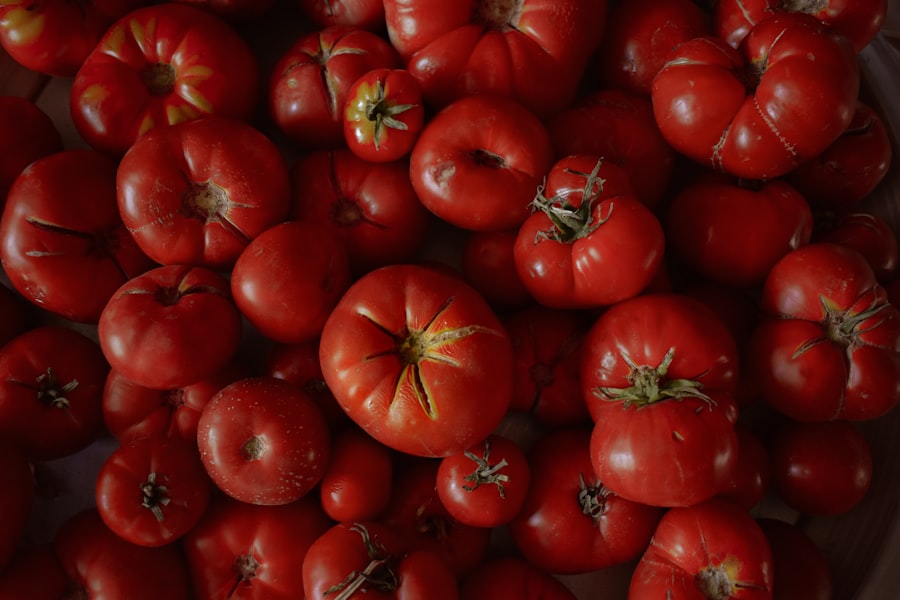
The process of creating organic food natural flavors is both fascinating and intricate. It typically begins with the selection of high-quality organic ingredients, which are then subjected to various extraction methods to capture their essence. Common techniques include steam distillation, cold pressing, and solvent extraction.
Each method has its own advantages and is chosen based on the specific flavor profile desired. Once the extraction process is complete, the resulting flavor compounds are carefully blended to create a final product that can be used in various food applications. This meticulous approach ensures that the natural flavors retain their integrity and provide a genuine taste experience.
As you consider incorporating these flavors into your diet, it’s worth noting that the craftsmanship involved in their production reflects a commitment to quality and sustainability.
The Benefits of Choosing Organic Food Natural Flavors
Opting for organic food natural flavors comes with a host of benefits that extend beyond just taste. One of the most significant advantages is the reduced exposure to harmful chemicals and additives commonly found in processed foods. By choosing organic options, you are making a conscious decision to prioritize your health and well-being.
This is particularly important in today’s world, where many people are becoming increasingly aware of the potential risks associated with consuming artificial ingredients. Moreover, organic food natural flavors often contribute to a more vibrant and diverse diet. With a wide array of flavors available, you can experiment with different tastes and cuisines, enhancing your culinary repertoire.
This not only makes mealtime more enjoyable but also encourages you to explore new ingredients and cooking techniques. By embracing organic food natural flavors, you are not only nourishing your body but also fostering a deeper connection with the food you eat.
The Importance of Transparency in Organic Food Natural Flavors
| Metric | Description | Relevance to Organic Food | Notes |
|---|---|---|---|
| Definition of Natural Flavors | Flavoring substances derived from natural sources such as plants, fruits, or animals. | Organic standards require natural flavors to be derived from organic or natural sources without synthetic additives. | Natural flavors can be complex mixtures of essential oils, extracts, or distillates. |
| Percentage of Organic Ingredients in Natural Flavors | Minimum amount of organic content required in natural flavors for organic labeling. | USDA organic standards require at least 95% organic ingredients in certified organic products. | Non-organic natural flavors may still be used in “made with organic ingredients” products. |
| Common Sources of Natural Flavors | Examples include citrus oils, vanilla extract, herbs, and spices. | Organic natural flavors must come from certified organic sources or approved natural materials. | Some natural flavors may be derived from animal sources, which must be organic if used. |
| Regulatory Oversight | Agencies that regulate labeling and use of natural flavors in organic foods. | USDA National Organic Program (NOP) sets standards for organic natural flavors. | FDA regulates flavor additives but does not certify organic status. |
| Consumer Perception | How consumers view natural flavors in organic products. | Generally positive, but some consumers seek transparency about flavor sources. | Demand for clean-label and fully organic flavorings is increasing. |
| Impact on Taste and Quality | Effect of natural flavors on the sensory profile of organic foods. | Natural flavors enhance taste while maintaining organic integrity. | Use of synthetic flavors is prohibited in organic products. |
In an era where consumers are becoming more discerning about their food choices, transparency in labeling has never been more critical. When it comes to organic food natural flavors, understanding what goes into your food is essential for making informed decisions. Many brands are now prioritizing transparency by providing detailed information about their sourcing and production processes.
This allows you to feel confident in your choices and ensures that you are truly consuming products that align with your values. Transparency also fosters trust between consumers and producers. When brands openly share information about their ingredients and production methods, it creates a sense of accountability that can lead to stronger relationships with customers.
As you navigate the world of organic food natural flavors, look for brands that prioritize transparency in their labeling practices. This not only empowers you as a consumer but also encourages companies to maintain high standards in their production processes.
Common Misconceptions About Organic Food Natural Flavors

Despite the growing popularity of organic food natural flavors, several misconceptions persist that can cloud your understanding of these ingredients. One common myth is that all natural flavors are inherently healthy or beneficial. While it’s true that they are derived from real food sources, it’s essential to remember that not all natural flavors are created equal.
Some may still contain added sugars or preservatives that could detract from their health benefits. Another misconception is that organic food natural flavors lack complexity or depth compared to artificial flavors. In reality, many natural flavors offer a rich and nuanced taste experience that can elevate your meals significantly.
By exploring various organic options, you may discover new flavor profiles that surprise and delight your palate. As you educate yourself about these misconceptions, you’ll be better equipped to make informed choices about the foods you consume.
The Role of Regulations in Organic Food Natural Flavors
Regulations play a vital role in ensuring the integrity of organic food natural flavors. In many countries, strict guidelines govern what can be labeled as “organic,” including the sourcing and production methods used for natural flavors. These regulations help protect consumers by ensuring that they receive products that meet specific standards for quality and safety.
As you consider incorporating organic food natural flavors into your diet, it’s essential to be aware of these regulations and how they impact the products you choose. Familiarizing yourself with certification labels can help you identify trustworthy brands that adhere to these guidelines. By supporting companies that prioritize compliance with organic standards, you contribute to a more sustainable food system while enjoying the benefits of high-quality natural flavors.
Exploring the Diversity of Organic Food Natural Flavors
One of the most exciting aspects of organic food natural flavors is their incredible diversity. From fruity notes like raspberry and mango to savory profiles such as garlic and onion, there is an extensive range of options available for culinary exploration. This diversity allows you to experiment with different flavor combinations and create unique dishes that reflect your personal taste preferences.
As you embark on this flavorful journey, consider incorporating various organic food natural flavors into your cooking repertoire. You might find that adding a hint of organic basil flavor to your pasta sauce elevates it to new heights or that a splash of organic vanilla flavor enhances your baked goods beautifully. The possibilities are endless, and embracing this diversity can lead to delightful culinary discoveries.
The Environmental Impact of Organic Food Natural Flavors
Choosing organic food natural flavors not only benefits your health but also has positive implications for the environment. Organic farming practices prioritize sustainability by avoiding synthetic pesticides and fertilizers, which can harm ecosystems and biodiversity.
Additionally, many producers of organic food natural flavors are committed to ethical sourcing practices that prioritize fair labor conditions and environmental stewardship. This means that when you choose these products, you’re not just making a choice for yourself; you’re also supporting farmers and communities dedicated to sustainable practices. As you consider the environmental impact of your food choices, opting for organic food natural flavors can be a meaningful step toward promoting a healthier planet.
Incorporating Organic Food Natural Flavors into Your Diet
Integrating organic food natural flavors into your diet can be both enjoyable and rewarding. Start by exploring different products available at your local grocery store or farmer’s market. Look for items like flavored oils, extracts, or seasonings made from organic sources.
These can easily enhance your favorite recipes without compromising on quality or taste. You might also consider experimenting with homemade creations using organic ingredients. For instance, infusing olive oil with fresh herbs or creating fruit-based syrups can add depth to your dishes while allowing you to control the ingredients used.
As you incorporate these natural flavors into your meals, you’ll likely find yourself inspired to try new recipes and cooking techniques that celebrate the vibrant tastes of organic foods.
The Future of Organic Food Natural Flavors
As consumer demand for healthier and more sustainable food options continues to grow, the future of organic food natural flavors looks promising. Innovations in extraction techniques and flavor development are likely to lead to even more diverse offerings in the market. This means you’ll have access to an expanding array of options that cater to various dietary preferences and culinary styles.
Moreover, as awareness about the importance of transparency and sustainability increases, more brands will likely prioritize ethical sourcing practices in their production processes. This shift will not only benefit consumers but also contribute to a more sustainable food system overall. As you navigate this evolving landscape, staying informed about trends in organic food natural flavors will empower you to make choices that align with your values while enjoying delicious meals along the way.
If you’re curious about the complexities of organic food and the role of natural flavors, you might find the article on Hey Did You Know This particularly enlightening. It delves into the various aspects of organic ingredients and how natural flavors are derived, providing a comprehensive overview that complements the discussion on organic food.
FAQs
What are natural flavors in organic food?
Natural flavors in organic food are flavoring agents derived from natural sources such as fruits, vegetables, herbs, spices, or other plant and animal materials. They are used to enhance the taste and aroma of organic products without synthetic additives.
Are natural flavors in organic food truly natural?
Yes, natural flavors in organic food come from natural sources. However, they are often processed and extracted using methods like distillation or solvent extraction to isolate the flavor compounds. Despite processing, they originate from natural ingredients.
How do natural flavors differ from artificial flavors?
Natural flavors are derived from natural sources, while artificial flavors are chemically synthesized to mimic natural tastes. Organic food standards typically prohibit artificial flavors, allowing only natural flavors that meet organic certification requirements.
Can natural flavors in organic food contain allergens?
Yes, natural flavors can sometimes contain allergens if they are derived from allergenic sources such as nuts, dairy, or soy. It is important for consumers with allergies to check product labels or contact manufacturers for detailed ingredient information.
Are natural flavors in organic food safe to consume?
Natural flavors used in organic food are generally recognized as safe by regulatory agencies when used within approved limits. Organic certification also ensures that these flavors comply with strict safety and quality standards.
Do natural flavors affect the nutritional value of organic food?
Natural flavors are typically used in small amounts and do not significantly impact the nutritional content of organic food. Their primary role is to enhance taste and aroma rather than provide nutritional benefits.
Why are natural flavors used in organic food?
Natural flavors are used to improve the sensory qualities of organic food products, making them more appealing to consumers. They help maintain consistent taste and aroma without compromising organic standards.
Are natural flavors always listed on organic food labels?
Natural flavors are usually listed on ingredient labels, but the specific components of the natural flavor blend may not be detailed due to proprietary formulas. Organic labeling requires transparency about the presence of natural flavors but not their exact composition.