
The global food market presents a landscape of both immense opportunity and significant challenge for producers seeking to expand their reach. Success in exporting food products is not merely a matter of producing a high-quality item; it hinges critically upon understanding and adapting secret food formulations to meet diverse international demands. This article explores the intricate process of unlocking these formulations, providing a practical guide for prospective exporters.
Entering new international markets necessitates a thorough understanding of the regulatory frameworks governing food products. Each country operates under a unique set of laws, often complex and ever-evolving, which dictate everything from ingredient allowances to labeling requirements.
Understanding National Food Authorities
At the core of regulatory compliance are the national food authorities. These governmental bodies, such as the U.S. Food and Drug Administration (FDA) or the European Food Safety Authority (EFSA), set the standards for food safety and quality. Their mandates often encompass:
- Ingredient Approval: Specific ingredients, additives, and processing aids may be permitted in one region but prohibited in another. For instance, certain food colorings widely used in some countries are banned in others due to differing safety assessments.
- Maximum Residue Limits (MRLs): Pesticide residues and veterinary drug residues are meticulously regulated. Exceeding MRLs in a target market can lead to product rejection and significant financial losses.
- Microbiological Standards: Different countries have varying acceptable limits for pathogens like Salmonella or E. coli. These standards dictate the rigor of hygiene protocols throughout the production chain.
- Allergen Labeling: While the top 8 allergens (milk, eggs, peanuts, tree nuts, soy, wheat, fish, shellfish) are widely recognized, some regions may have additional allergens mandated for disclosure, such as lupin or celery.
- Nutritional Labeling: Format, font size, and specific nutrients required on nutrition labels can vary significantly. Some countries require front-of-pack labeling systems, such as the “traffic light” system or “Nutri-Score.”
The Crucial Role of Documentation
Successful export often hinges on meticulous documentation. Producers must be prepared to provide comprehensive records that attest to the safety, quality, and origin of their products. This includes:
- Certificates of Origin: These documents verify the country where the product was manufactured, crucial for import duties and trade agreements.
- Health Certificates: Issued by the national food authority of the exporting country, these attest that the product is fit for human consumption and manufactured under sanitary conditions.
- Laboratory Analysis Reports: Independent laboratory tests confirming compliance with MRLs, microbiological standards, and ingredient specifications are often required.
- Ingredient Declarations: Detailed lists of all ingredients, including sub-ingredients and processing aids, are essential for regulatory review.
- Manufacturing Process Descriptions: Some markets require detailed descriptions of the production process, including hazard analysis and critical control points (HACCP) plans.
Failure to meet even one minor regulatory requirement can result in costly delays, product impoundment, or outright rejection at the port of entry. It is a formidable gatekeeper that demands unwavering attention to detail.
In the realm of international trade, understanding the intricacies of secret food formulations for export can significantly impact market success. A related article that delves into the nuances of food formulation and its implications for global markets can be found at Hey Did You Know This. This resource offers valuable insights into how unique recipes and proprietary blends can enhance a product’s appeal and competitiveness in diverse regions.
Adapting Formulations for Cultural Palates and Dietary Norms
Beyond legal stipulations, the intricate tapestry of cultural preferences and dietary norms acts as an invisible hand guiding consumer choices. A food product, no matter how successful in its home market, may encounter resistance if its formulation is not adjusted to resonate with local tastes. This adaptation is not merely an aesthetic choice; it is a strategic imperative.
Understanding “Taste Bridges”
Every culture possesses a unique “taste bridge”—a set of familiar flavor profiles, ingredient combinations, and textural experiences that are inherently pleasing. For instance, while intensely sweet flavors might be highly appreciated in one region, another might prefer a more nuanced, savory sweetness. The concept of umami, though globally recognized, finds different expressions and applications across various cuisines.
Consider the following aspects of taste adaptation:
- Sweetness Levels: Producers of snacks, beverages, and desserts must adjust sugar content to match regional preferences. A product considered “just right” in one market might be perceived as cloyingly sweet or insufficiently sweet elsewhere.
- Saltiness Profiles: Salt, a fundamental flavor enhancer, also requires careful calibration. Sodium content limits are also increasingly common due to public health initiatives.
- Spice and Heat Levels: Products incorporating chili or other spices demand particular attention. What constitutes “mild” in one culture could be “extremely hot” in another. Gradual introduction with varying heat levels might be a strategic approach.
- Acidity and Sourness: The preference for acidic flavors, such as those found in fermented foods or citrus, varies significantly. Pickled goods, for example, have distinct regional manifestations of sourness.
- Aroma Compounds: The aromatic profile of a food product can be a powerful determinant of acceptance. Certain food aromas considered desirable in one culture may be perceived as off-putting in another. This often ties into the use of specific spices, herbs, or even fermentation byproducts.
Accommodating Dietary Restrictions and Lifestyles
Beyond taste, dietary restrictions and lifestyle choices represent a significant demographic segment that food exporters must address. This includes:
- Religious Dietary Laws: Halal (permissible for Muslims) and Kosher (permissible for Jews) certifications are pivotal for accessing large consumer bases. These involve strict ingredient sourcing, processing methods, and often require accredited supervisory bodies.
- Vegetarian and Vegan Diets: The growing global prevalence of vegetarian and vegan lifestyles necessitates careful scrutiny of all ingredients, including hidden animal-derived components like gelatin, certain emulsifiers, or rennet.
- Allergen-Free Formulations: While general allergen labeling is mandatory, dedicated “free-from” products (e.g., gluten-free, dairy-free) target specific consumer needs and represent a premium market segment. This requires stringent cross-contamination prevention protocols.
- Health and Wellness Trends: Low-sugar, low-sodium, high-fiber, or protein-enriched formulations are gaining traction. Understanding the specific health concerns and wellness trends prevalent in a target market is essential for product innovation. For example, the emphasis on gut health has spurred demand for probiotic-rich foods in many Western markets.
The process of cultural and dietary adaptation is not a one-time adjustment but an ongoing dialogue with the target market, necessitating market research, consumer testing, and a willingness to iterate.
Sourcing and Supply Chain Resilience in a Global Context

The integrity of a food formulation is inextricably linked to the reliability of its ingredient sourcing and the robustness of its supply chain. In the context of international trade, this challenge is amplified by geographical distances, geopolitical complexities, and diverse ethical considerations.
Identifying Reliable and Compliant Ingredient Suppliers
The choice of ingredient suppliers is a foundational decision. Producers must:
- Verify Compliance: Ensure suppliers adhere to international food safety standards (e.g., HACCP, ISO 22000) and specific national regulations of the target export market. This often involves supplier audits and certifications.
- Ethical Sourcing: Growing consumer awareness dictates a movement towards ethically sourced ingredients, particularly for commodities like cocoa, coffee, and palm oil. Fair trade certifications or sustainable sourcing policies can become significant competitive advantages.
- Consistent Quality: Variances in raw material quality can subtly alter the final product’s taste, texture, and appearance, potentially compromising brand consistency and consumer trust. Implementing rigorous quality control measures throughout the supply chain is paramount.
- Geopolitical Stability: Reliance on single-source suppliers from politically unstable regions can introduce significant supply chain vulnerabilities. Diversification of sourcing can mitigate this risk.
- Allergen Management: Suppliers must have robust allergen management programs to prevent cross-contamination, especially when supplying ingredients for “free-from” products.
Building a Resilient Supply Chain
A resilient supply chain acts as a buffer against unforeseen disruptions, safeguarding product flow and quality. Key considerations include:
- Logistics and Transportation: Selecting appropriate shipping methods (sea, air, road), understanding customs procedures, and managing transit times are critical. Perishable goods demand specialized cold chain logistics.
- Inventory Management: Balancing the need for sufficient stock to meet demand with the costs of holding inventory is a crucial consideration, especially for products with limited shelf life. Just-in-time inventory strategies might be adopted where feasible.
- Risk Assessment and Mitigation: Identifying potential pinch points in the supply chain—such as port congestion, natural disasters, or labor disputes—and developing contingency plans is vital. This might involve having backup suppliers or alternative shipping routes.
- Traceability Systems: Implementing robust traceability systems from “farm to fork” allows for rapid identification and recall of products in the event of a safety incident. This transparency also builds consumer confidence.
- Warehousing and Storage: International warehousing strategies must account for local climate conditions, regulatory requirements for food storage, and proximity to distribution networks.
A weak link in the supply chain can unravel even the most meticulously crafted food formulation, underscoring the need for a comprehensive and proactive approach to global logistics.
The Science of Shelf Life Extension and Packaging Innovation
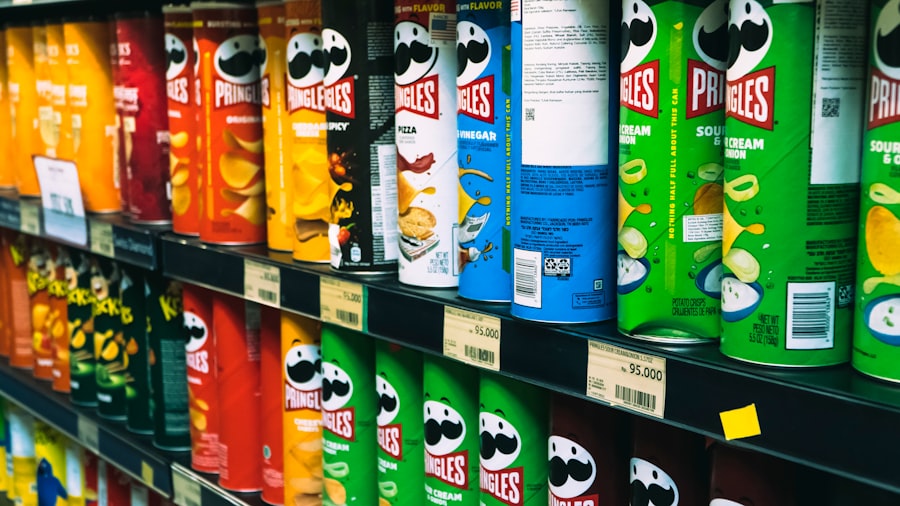
Introducing a food product to an international market often implies extended periods of transportation and differing storage conditions, thereby challenging its inherent shelf life. The science of shelf life extension and packaging innovation are critical pillars of export success, ensuring product quality and safety reach the end consumer intact.
Understanding and Optimizing Shelf Life
Shelf life, the period during which a food product remains safe and retains its desired quality characteristics, is influenced by numerous factors. Exporters must undertake rigorous analyses to determine and optimize this crucial parameter:
- Intrinsic Factors: These include the product’s water activity (aw), pH level, nutrient composition, and presence of natural antimicrobial compounds. Manipulating these, for instance, through controlled fermentation or slightly altering acidity, can extend shelf life.
- Extrinsic Factors: Environmental conditions during storage and distribution, such as temperature, humidity, oxygen exposure, and light, profoundly impact shelf life. Cold chain management is paramount for perishable goods, while modified atmosphere packaging (MAP) can control oxygen and CO2 levels to inhibit spoilage.
- Microbiological Stability: Identifying potential spoilage microorganisms and pathogens is crucial. Preservation techniques like pasteurization, sterilization, high-pressure processing (HPP), or the judicious use of approved preservatives are employed to control microbial growth.
- Chemical Stability: Preventing undesirable chemical reactions such as oxidation (leading to rancidity in fats) or enzymatic browning is vital. Antioxidants and appropriate packaging are key tools.
- Sensory Stability: Maintaining the product’s desired taste, aroma, texture, and appearance throughout its shelf life is paramount. Deterioration in these attributes, even if safe, can lead to consumer dissatisfaction.
Accurate shelf life determination requires accelerated shelf life testing and real-time storage studies under simulated export conditions.
Strategic Packaging for Global Markets
Packaging transcends its primary role of containment; it is a silent salesperson, a protector, and a compliance vehicle.
- Protection and Preservation: Packaging must shield the product from physical damage during transit, prevent contamination (microbial, chemical, physical), and protect it from environmental stressors like moisture, oxygen, and UV light. Barrier films, vacuum packaging, and inert gas flushing are examples of advanced protective techniques.
- Regulatory Compliance: Packaging must adhere to the labeling requirements of the target market, including language, nutritional information format, allergen declarations, and specific symbols (e.g., recycling symbols, net content declarations). Failure in this area can lead to product rejection.
- Consumer Appeal and Cultural Sensitivity: While robust, packaging must also attract the target consumer. This involves:
- Graphic Design: Colors, imagery, and typography must resonate culturally. What is appealing in one market might be confusing or even offensive in another.
- Language and Translation: Professional, accurate translation of all packaging text is essential. Literal translations can often lead to unintended meanings.
- Size and Portioning: Package sizes often differ by market, reflecting household sizes, purchasing habits, and consumption patterns. Single-serve portions might be popular in some regions, while family-sized packs in others.
- Sustainability: Sustainable packaging solutions (e.g., recyclable, compostable, biodegradable materials) are increasingly a consumer expectation and sometimes a regulatory requirement in many developed markets.
- Logistical Efficiency: Packaging design can significantly impact shipping costs. Optimizing dimensions and weight to maximize container utilization can lead to substantial savings. Ease of handling and stacking are also important considerations for distributors.
The interplay between shelf life optimization and packaging innovation is a critical determinant of product viability in an export scenario, acting as the protective shield that allows the product to reach its destination in prime condition.
In the world of international trade, the importance of maintaining confidentiality around secret food formulations for export cannot be overstated. Companies invest significant resources in developing unique recipes that give them a competitive edge in global markets. For a deeper understanding of the complexities involved in food exportation, you might find this related article on food safety and regulations particularly insightful. It discusses various challenges and best practices that exporters face, which can be crucial for anyone looking to navigate this intricate landscape. You can read more about it in this informative article.
Strategic Market Entry and Distribution Channels
| Metric | Description | Value | Unit | Notes |
|---|---|---|---|---|
| Number of Secret Formulations | Total count of proprietary food recipes prepared for export | 15 | Formulations | Includes sauces, spice blends, and beverages |
| Average Shelf Life | Estimated duration the product remains fresh and safe | 18 | Months | Varies by product type and packaging |
| Export Volume | Quantity of products shipped annually based on secret formulations | 120,000 | Units | Includes bulk and retail packaging |
| Confidentiality Level | Security rating of formulation protection measures | High | Classification | Includes NDAs and restricted access protocols |
| R&D Investment | Annual budget allocated to developing secret formulations | 2.5 | Million | Investment in labs and ingredient sourcing |
| Compliance Certifications | Number of international food safety and quality certifications obtained | 5 | Certifications | Includes ISO, HACCP, and organic certifications |
| Export Destinations | Number of countries receiving products with secret formulations | 12 | Countries | Focus on North America, Europe, and Asia |
Successfully introducing a food product to an international market is not merely about achieving regulatory compliance and taste adaptation; it fundamentally involves selecting the appropriate market entry strategy and establishing robust distribution channels. This strategic blueprint forms the bridge between the production line and the end consumer.
Identifying the Optimal Entry Strategy
No single market entry strategy fits all products or markets. The choice typically depends on the company’s resources, risk tolerance, the nature of the product, and the characteristics of the target market.
- Direct Export: This involves the producer selling directly to an overseas customer, importer, or distributor. It offers maximum control but demands significant resources, market knowledge, and experience in international trade. It is often suitable for niche products or companies with established international sales teams.
- Indirect Export: Companies leverage domestic intermediaries (e.g., export management companies, export trading companies) to handle the complexities of international sales. This reduces risk and resource commitment but offers less control over marketing and pricing.
- Licensing and Franchising: Granting a foreign company the right to manufacture and sell the product using the exporter’s brand, formulation, and know-how. This minimizes capital outlay but requires careful selection of partners and protection of intellectual property. This is more common for established food brands or restaurant concepts.
- Joint Ventures: Forming a partnership with a local company in the target market. This combines local market expertise with the exporter’s product, sharing risks and rewards. It is often favored for markets with high entry barriers or where local partnership is strategically advantageous.
- Foreign Direct Investment (FDI): Establishing wholly-owned subsidiaries or manufacturing facilities in the target market. This high-commitment strategy offers maximum control and direct access to the market but involves significant capital investment and political risk. This is typically pursued by large multinational food corporations.
The selection process requires thorough market research, including competitor analysis, consumer behavior studies, and an assessment of political and economic stability in potential target markets. A phased approach, starting with indirect export and gradually moving towards more direct involvement, can mitigate risks.
Cultivating Effective Distribution Channels
Once an entry strategy is chosen, establishing efficient and reliable distribution channels is paramount. The “last mile” of distribution often presents the most significant challenges.
- Importers/Distributors: These entities are often the first point of contact for foreign food products. They handle customs clearance, local warehousing, and distribution to retailers or foodservice operators. A strong relationship with a reputable importer is crucial for navigating local logistics and regulatory nuances.
- Retail Chains: Gaining shelf space in major supermarket chains or specialty food stores is a primary goal. This often involves direct negotiations, meeting specific supplier requirements, and potentially adapting packaging and pricing for the retail environment.
- Foodservice Sector (HORECA): Supplying restaurants, hotels, and catering companies represents a distinct distribution channel. This market often demands bulk packaging, specific product specifications, and reliable delivery schedules.
- E-commerce/Online Sales: The rise of e-commerce platforms provides a direct-to-consumer channel. While offering broader reach, it presents challenges related to international shipping costs, last-mile delivery logistics, and managing returns across borders. Dedicated e-commerce platforms or partnerships with local online retailers are common.
- Specialty Stores/Ethnic Markets: For niche or culturally specific products, targeting specialty stores or ethnic markets can be an effective initial strategy, allowing for organic growth and reputation building within a specific consumer segment.
- Market Research: Understanding existing distribution networks, identifying bottlenecks, and assessing the cost-effectiveness and reach of various channels is essential. Field visits, interviews with local distributors, and participation in trade fairs can provide invaluable insights.
The chosen distribution channels must align with the product’s characteristics, target consumer’s purchasing habits, and the company’s strategic objectives. An optimal distribution network acts as the circulatory system, delivering products efficiently and effectively to where they are consumed. Without a robust and well-managed channel, even the most perfected food formulation will struggle to realize its full export potential.
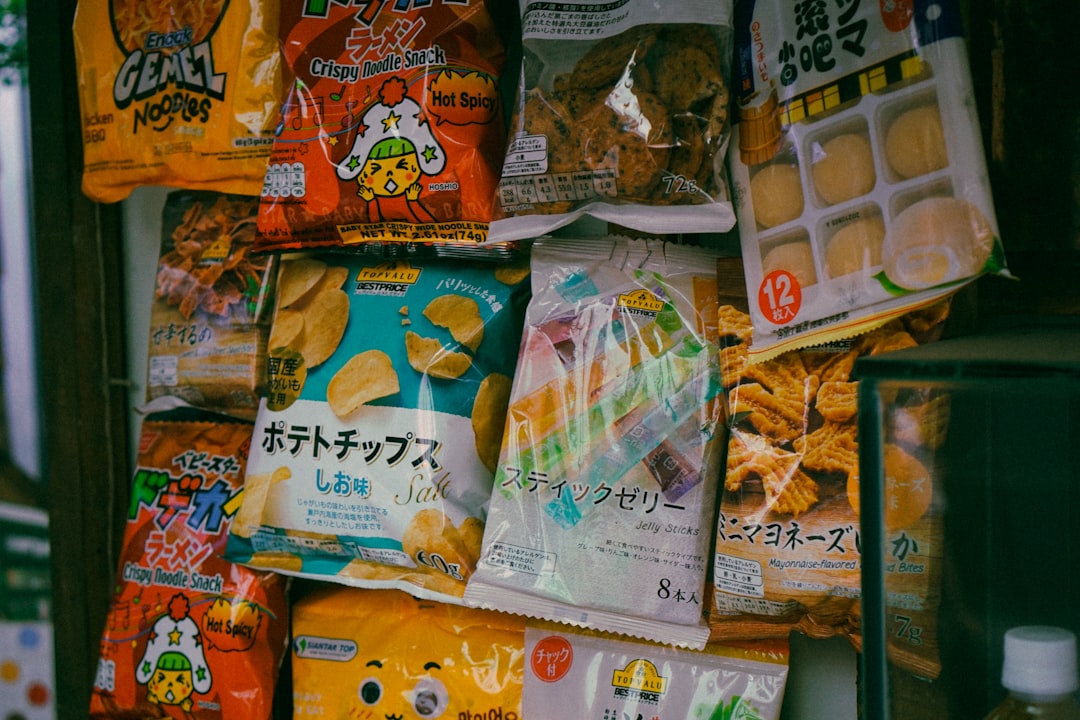
WATCH NOW ▶️ Why 99% Of American Food Is Illegal Overseas
FAQs
What are secret food formulations for export?
Secret food formulations for export refer to proprietary recipes or ingredient combinations that companies keep confidential to maintain a competitive advantage in international markets. These formulations often involve unique blends, processing methods, or ingredient sourcing that distinguish the product from competitors.
Why do companies keep food formulations secret when exporting?
Companies keep food formulations secret to protect their intellectual property, prevent imitation by competitors, and maintain brand uniqueness. This secrecy helps preserve market share and can be crucial for success in highly competitive export markets.
How are secret food formulations protected legally during export?
Secret food formulations are typically protected through trade secret laws, non-disclosure agreements (NDAs), and confidentiality clauses with partners and suppliers. Unlike patents, trade secrets do not require public disclosure, making them suitable for protecting recipes and formulations.
Are there any challenges associated with exporting secret food formulations?
Yes, challenges include ensuring confidentiality across international supply chains, complying with varying food safety and labeling regulations, and managing intellectual property rights in different jurisdictions. Additionally, maintaining consistent product quality while keeping formulations secret can be complex.
Can secret food formulations impact the export success of a product?
Absolutely. A unique and well-protected food formulation can differentiate a product in the global market, attract consumers, and build brand loyalty. Conversely, if a formulation is leaked or copied, it can undermine a company’s competitive position and reduce export success.