
The concept of endurance flight has fascinated aviators and engineers since the dawn of aviation. Early attempts at sustained flight were marked by a series of ambitious endeavors, with pioneers like the Wright brothers laying the groundwork for future advancements. In 1919, the first significant milestone in endurance flight was achieved when the British aviators John Alcock and Arthur Brown completed the first non-stop transatlantic flight.
Their journey from Newfoundland to Ireland lasted approximately 16 hours, showcasing the potential for long-distance air travel. This achievement not only captured the public’s imagination but also set the stage for further exploration into the limits of flight duration. As aviation technology progressed through the decades, so did the quest for longer flights.
The 1930s saw significant advancements with aircraft like the Lockheed Electra and the Douglas DC-3, which were designed for greater range and efficiency. However, it was not until the post-World War II era that endurance flight truly began to take shape as a specialized field. The introduction of jet engines revolutionized aircraft design, allowing for higher speeds and longer distances.
The 1950s and 1960s marked a golden age of endurance flight, with record-setting flights capturing global attention. Notable achievements included the 1966 flight of the Lockheed SR-71 Blackbird, which demonstrated not only speed but also remarkable endurance capabilities.
Key Takeaways
- Endurance flight has a rich history, with early pioneers pushing the limits of human and aircraft capabilities.
- Aircraft design has evolved significantly to improve endurance, with advancements in materials, aerodynamics, and propulsion systems.
- Technology plays a crucial role in achieving infinite flight, with innovations in fuel efficiency, energy management, and autonomous systems.
- Endurance flying presents significant psychological and physical challenges for pilots, requiring mental resilience and physical stamina.
- Endurance flight has had a profound impact on aviation and aerospace, driving innovation and pushing the boundaries of what is possible in flight.
The Evolution of Aircraft Design for Endurance
The evolution of aircraft design for endurance has been a fascinating journey marked by innovation and creativity.
However, as materials science advanced, engineers began to experiment with metals and composites that offered greater strength-to-weight ratios.
This shift allowed for larger fuel tanks and more efficient aerodynamics, which were crucial for extending flight duration. The introduction of swept-wing designs in the mid-20th century further enhanced performance, enabling aircraft to cruise at higher altitudes and speeds while consuming less fuel. In recent years, the focus on endurance has led to the development of specialized aircraft designed explicitly for long-duration flights.
Unmanned aerial vehicles (UAVs) have emerged as a significant player in this arena, with models like the Northrop Grumman Global Hawk capable of flying for over 30 hours without refueling. These advancements have not only transformed military reconnaissance but have also opened doors for commercial applications such as environmental monitoring and disaster response. The integration of advanced materials, such as carbon fiber composites, has further pushed the boundaries of what is possible in aircraft design, allowing for lighter structures that can carry more fuel and sustain longer flights.
The Role of Technology in Achieving Infinite Flight
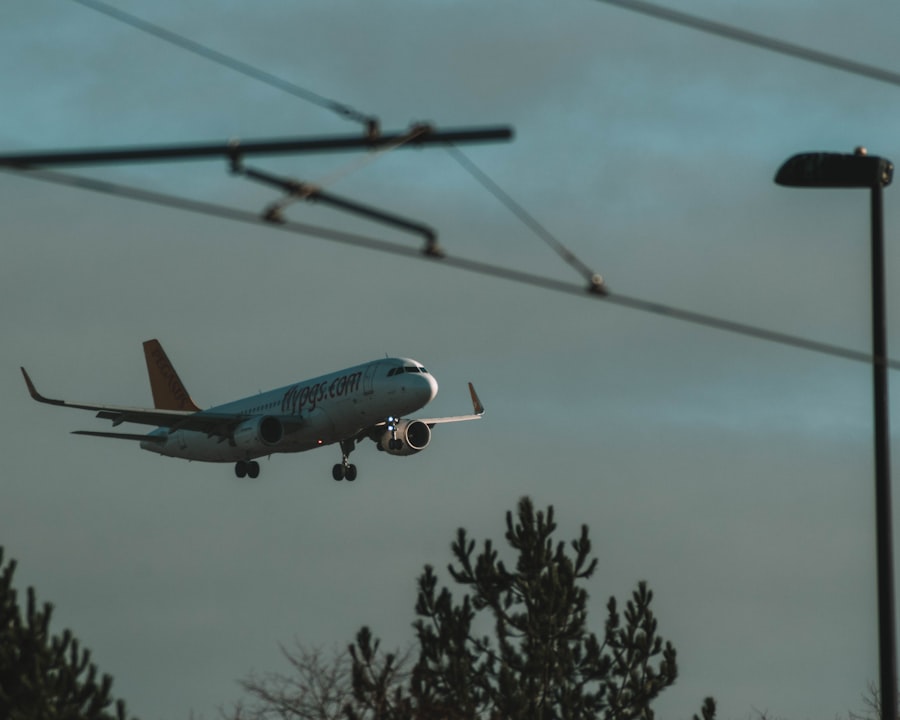
Technology plays a pivotal role in achieving what many refer to as “infinite flight.” This term encapsulates the aspiration to create aircraft capable of remaining airborne for extended periods, potentially without the need for traditional refueling methods. One of the most significant technological advancements contributing to this goal is the development of fuel-efficient engines. Modern turbofan engines are designed to maximize thrust while minimizing fuel consumption, allowing aircraft to cover vast distances with less energy expenditure.
Moreover, advancements in energy storage technologies have opened new avenues for endurance flight. The rise of electric propulsion systems has garnered attention as a viable alternative to conventional fossil fuels. Electric aircraft can potentially achieve longer flight times through improved battery technology, which continues to evolve rapidly.
Innovations such as solid-state batteries promise higher energy densities and faster charging times, making electric flight more feasible for long-duration missions. Additionally, solar-powered aircraft have emerged as a promising solution, harnessing sunlight to generate energy during flight. These technological strides are not only pushing the boundaries of endurance but also paving the way for sustainable aviation practices.
The Psychological and Physical Challenges of Endurance Flying
| Challenges | Psychological | Physical |
|---|---|---|
| Fatigue | Stress, anxiety, and mental exhaustion | Muscle fatigue, dehydration, and physical exhaustion |
| Isolation | Loneliness, boredom, and lack of stimulation | Physical discomfort from sitting in a confined space for long periods |
| Decision-making | Pressure to make critical decisions under stress | Physical and mental strain from maintaining focus and alertness |
| Weather conditions | Anxiety and fear of encountering adverse weather | Physical challenges from turbulence, wind, and temperature changes |
Endurance flying presents unique psychological and physical challenges that pilots must navigate during extended missions. The mental strain associated with long hours in the cockpit can be significant, often leading to fatigue and decreased cognitive function. Pilots must maintain focus and alertness over prolonged periods, which can be particularly taxing during night flights or in adverse weather conditions.
To combat these challenges, many aviators employ various strategies, including regular breaks, hydration, and mental exercises to stay sharp. Physically, endurance flying can take a toll on the body as well. Prolonged exposure to high altitudes can lead to issues such as hypoxia, dehydration, and fatigue.
Pilots must be vigilant about their health and well-being during long flights, often relying on rigorous training regimens to prepare their bodies for the demands of endurance flying. Additionally, maintaining proper nutrition is crucial; pilots must consume balanced meals that provide sustained energy without causing discomfort during flight. As technology continues to evolve, there is a growing interest in developing ergonomic cockpit designs that enhance comfort and reduce physical strain on pilots during extended missions.
The Impact of Endurance Flight on Aviation and Aerospace
The impact of endurance flight on aviation and aerospace is profound and far-reaching.
In military applications, long-endurance drones have revolutionized surveillance and reconnaissance missions, providing real-time data over vast areas without risking human lives.
This capability has transformed modern warfare strategies and intelligence-gathering techniques. In the commercial sector, endurance flight is paving the way for new opportunities in logistics and transportation. Companies are exploring the use of UAVs for package delivery services, enabling faster and more efficient shipping solutions.
Furthermore, endurance-capable aircraft are being utilized in scientific research missions, allowing researchers to gather data over extended periods without interruption. This has significant implications for environmental monitoring, climate research, and disaster response efforts. As endurance flight continues to evolve, its influence on aviation and aerospace will undoubtedly expand, leading to innovative applications that were once thought impossible.
The Quest for Renewable Energy Sources for Endurance Flight

The quest for renewable energy sources in endurance flight is gaining momentum as environmental concerns become increasingly pressing. Traditional aviation fuels contribute significantly to greenhouse gas emissions, prompting researchers and engineers to seek sustainable alternatives that can power long-duration flights without harming the planet. Biofuels derived from organic materials have emerged as a promising solution, offering a renewable option that can be integrated into existing aircraft engines with minimal modifications.
In addition to biofuels, advancements in hydrogen fuel cell technology are being explored as a potential game-changer for endurance flight. Hydrogen fuel cells produce electricity through a chemical reaction between hydrogen and oxygen, emitting only water vapor as a byproduct. This clean energy source has the potential to power aircraft for extended periods while significantly reducing carbon emissions.
As research continues into efficient hydrogen production and storage methods, the dream of zero-emission endurance flights may soon become a reality.
The Future of Endurance Flight: Potential Applications and Benefits
The future of endurance flight holds immense promise across various fields, with potential applications that could revolutionize industries ranging from transportation to environmental monitoring. One exciting prospect is the use of long-endurance aircraft in humanitarian efforts. Drones capable of flying for extended periods could deliver essential supplies to remote or disaster-stricken areas where traditional transportation methods are hindered by infrastructure challenges.
Moreover, endurance flight could play a crucial role in scientific research endeavors aimed at understanding climate change and its impacts on ecosystems. Aircraft equipped with advanced sensors could monitor atmospheric conditions over extended periods, providing valuable data that informs climate models and conservation efforts. Additionally, long-endurance flights could facilitate global connectivity by enabling faster travel times between distant locations, ultimately reshaping how people move around the world.
The Environmental Considerations of Endurance Flight
As the aviation industry grapples with its environmental impact, endurance flight raises important considerations regarding sustainability and ecological responsibility. While advancements in technology aim to reduce emissions associated with long-duration flights, it is essential to assess the overall carbon footprint of these operations. The production and maintenance of aircraft designed for endurance can also contribute to environmental degradation if not managed responsibly.
Furthermore, there is a growing awareness of noise pollution associated with prolonged flights, particularly in urban areas where drone operations may become more common. Striking a balance between technological advancement and environmental stewardship will be crucial as society moves toward embracing endurance flight as a viable option for various applications. Sustainable practices must be integrated into every aspect of endurance aviation to ensure that progress does not come at the expense of the planet’s health.
The Human Element: Pilots and Crew in Endurance Flying
The human element remains a critical factor in endurance flying despite technological advancements that enhance aircraft capabilities. Pilots and crew members play an indispensable role in ensuring safe operations during extended missions. Their expertise and decision-making skills are vital when navigating complex situations that may arise during long flights.
Training programs are evolving to address the unique challenges posed by endurance flying, emphasizing situational awareness and crisis management skills. Moreover, fostering teamwork among crew members is essential for maintaining morale during lengthy missions. Effective communication and collaboration can help mitigate stressors associated with prolonged periods away from home or familiar environments.
As endurance flying becomes more prevalent, understanding the human factors involved will be crucial in optimizing performance and ensuring safety in this demanding field.
The Competitive World of Endurance Flight Records
The competitive world of endurance flight records has captivated aviation enthusiasts for decades, driving innovation and pushing the limits of what is possible in aviation technology. Record-setting flights often serve as benchmarks that inspire engineers and pilots alike to strive for greater achievements. From early attempts at crossing oceans non-stop to modern-day challenges involving unmanned aerial vehicles, each record reflects not only human ambition but also technological progress.
Organizations such as the Fédération Aéronautique Internationale (FAI) oversee official records in aviation, providing a platform for pilots to showcase their skills and aircraft capabilities. These competitions foster a spirit of camaraderie among aviators while also encouraging advancements in design and engineering that benefit the broader aviation community. As new technologies emerge, it is likely that endurance flight records will continue to evolve, inspiring future generations to explore new frontiers in aviation.
The Ethical and Moral Implications of Pursuing Infinite Flight
The pursuit of infinite flight raises ethical and moral questions that warrant careful consideration as technology advances. While achieving longer durations in the air can lead to numerous benefits across various sectors, it is essential to weigh these advantages against potential risks and consequences. For instance, increased reliance on unmanned aerial vehicles may lead to job displacement within traditional piloting roles, prompting discussions about workforce implications in an evolving industry.
Additionally, ethical concerns surrounding privacy arise with the proliferation of drones capable of extended surveillance capabilities. Striking a balance between technological progress and societal values will be crucial as society navigates this new landscape of aviation possibilities. Engaging in open dialogues about these issues will help ensure that advancements in endurance flight align with ethical standards while promoting responsible practices within the industry.
In conclusion, endurance flight represents a fascinating intersection of history, technology, human endeavor, and ethical considerations within aviation. As advancements continue to unfold across various domains—from aircraft design to renewable energy sources—the future holds immense potential for transforming how society approaches air travel and exploration. By addressing both the challenges and opportunities presented by this field, stakeholders can work collaboratively toward a sustainable future that benefits both humanity and the planet.
In the pursuit of achieving infinite flight endurance, researchers and engineers are continuously exploring innovative technologies and methodologies. A related article that delves into similar advancements in aviation technology can be found on Hey Did You Know This. This article provides insights into the latest breakthroughs and challenges faced in the quest for sustainable and long-lasting flight capabilities. For more information, you can read the full article here.
WATCH THIS! The Flying Nuclear Disaster: The Untold Story of the Cold War’s Most Dangerous Aircraft
FAQs
What is infinite flight endurance?
Infinite flight endurance refers to the ability of an aircraft to remain airborne for an indefinite period of time without the need for refueling or recharging.
Why is infinite flight endurance important?
Infinite flight endurance is important for applications such as surveillance, reconnaissance, and communication relay, where the ability to stay airborne for extended periods is crucial.
What are some current technologies and strategies for achieving infinite flight endurance?
Current technologies and strategies for achieving infinite flight endurance include solar-powered aircraft, high-altitude long-endurance (HALE) drones, and fuel-efficient propulsion systems.
What are the challenges in achieving infinite flight endurance?
Challenges in achieving infinite flight endurance include the need for lightweight and efficient power sources, aerodynamic design considerations, and the ability to withstand harsh environmental conditions at high altitudes.
What are some potential future developments in the quest for infinite flight endurance?
Potential future developments in the quest for infinite flight endurance include advancements in solar energy technology, improvements in battery and fuel cell technology, and the development of novel propulsion systems.