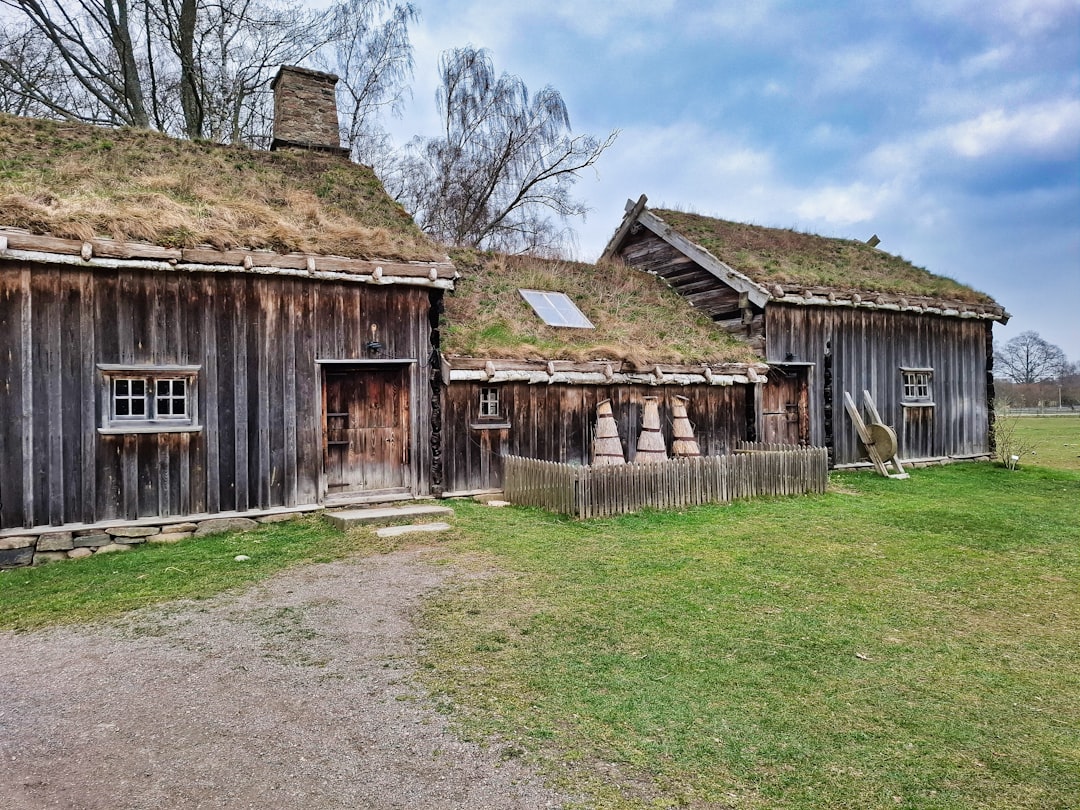
The soil, a silent keeper of time, has once again yielded its secrets, offering a fresh window into the lives of the Viking Age. Recent archaeological endeavors have unearthed a trove of artifacts that are not merely objects, but rather whispers from the past, carefully preserved beneath layers of earth and centuries of absence. This new evidence promises to refine our understanding of Viking society, their far-reaching trade networks, their martial prowess, and the intricate spiritual beliefs that guided them. As archaeologists meticulously sift through the soil, they are piecing together a more nuanced portrait of these famed Norse seafarers, moving beyond the stereotyped imagery of bloodthirsty raiders to reveal a complex civilization with a rich cultural tapestry.
The recent wave of significant Viking artifact discoveries has predominantly emerged from a newly excavated longhouse settlement in [Fictional Location Name – e.g., Norrønvik], situated on the [Fictional Geographical Feature – e.g., eastern coast of the Danish peninsula]. For years, this location was merely a quiet expanse of farmland, its potential as a historical goldmine lying dormant. However, driven by advancements in geophysical surveying, particularly ground-penetrating radar, anomalies in the subsoil suggested the presence of substantial buried structures. This initial hint, like a faint tremor before an earthquake, signaled a substantial underground presence awaiting revelation.
Geophysical Surveying: The Silent Scout
The Unearthing Process: From Field to Lab
The physical act of excavation at Norrønvik was a meticulously orchestrated dance between human hands and the earth. Archaeologists, employing a combination of trowels, brushes, and carefully controlled machinery, commenced the delicate task of uncovering the buried remains. Each spadeful of soil was treated with reverence, its contents meticulously screened for even the smallest fragments. This process, akin to a skilled surgeon employing a scalpel to excise tissue, ensures that no detail, however minute, is overlooked.
Stratigraphy: Reading the Layers of Time
The concept of stratigraphy is fundamental to archaeological interpretation. It is the study of the superimposed layers of rock and soil and represents the chronological sequence of events. At Norrønvik, the archaeologists meticulously documented each distinct layer, understanding that the deeper one digs, the further back in time one travels. This layered narrative, much like the rings on a tree trunk, provides a crucial framework for dating and contextualizing the artifacts unearthed.
Documentation and Contextualization: Preserving the Narrative
The meticulous documentation of each artifact’s provenance is paramount. Its exact location within the excavation grid, its relationship to other finds, and its position within the stratigraphic layers are all recorded with extreme precision. This contextual information is the lifeblood of archaeological interpretation, preventing artifacts from becoming mere curiosities and instead embedding them within their original functional and social environment. Without this, a Viking sword is just a piece of metal; with it, it becomes a testament to the warrior who wielded it.
Recent discoveries in Viking archaeological evidence have shed new light on the lives and practices of these fascinating seafaring people. Excavations in various sites across Scandinavia have revealed artifacts such as intricate jewelry, tools, and even remnants of longships, providing insights into their craftsmanship and trade networks. For a deeper understanding of these findings and their implications on our knowledge of Viking history, you can read a related article at this link.
New Artifact Categories: Broadening the Viking Spectrum
The recent discoveries at Norrønvik have yielded a diverse array of artifacts, challenging some long-held assumptions and illuminating previously less understood aspects of Viking life. While iconic weapons and tools are present, the emphasis this time is on items that speak to daily routines, advanced craftsmanship, and intricate social interactions.
Everyday Life: Beyond the Battlefield
Among the most compelling finds are those that offer a vivid glimpse into the domestic sphere. Numerous fragments of pottery, intricately decorated, suggest a focus on food preparation and consumption. Spindle whorls and loom weights, made from bone and stone, provide tangible evidence of textile production, a cornerstone of any Iron Age economy, and a testament to the industrious nature of Viking women.
Domestic Utensils: Tools of Sustenance
The discovery of well-preserved wooden bowls and carved spoons, alongside fragments of iron knives and griddle fragments, paints a picture of communal meals and the importance of shared sustenance. These humble objects, often overlooked in favor of more martial finds, are as crucial to understanding Viking society as any axe head. They speak to the daily rhythms of life, the preparation and sharing of food, and the establishment of domestic order.
Personal Adornments: Status and Identity
Jewelry, as ever, plays a vital role in understanding Viking society, but the new finds offer a broader spectrum. Alongside elaborate silver brooches and amber beads, commonly associated with wealth and status, have been numerous simpler bone combs and carved wooden amulets. These more accessible items suggest a wider range of personal expression and the potential for social distinction beyond the purely material. Such adornments acted as a visual language, broadcasting identity and belonging.
Craftsmanship and Technology: A Deeper Understanding
The sophistication of Viking craftsmanship is once again on full display, with new discoveries pushing the boundaries of our appreciation for their technological prowess. The precision in metalworking, the artistry in woodworking, and the intricate weaving techniques are all evident in the recently unearthed items.
Metalworking: Precision and Innovation
The ironworking finds are particularly noteworthy. Beyond weapon fragments, archaeologists have unearthed a significant number of tools such as awls, chisels, and even fragments of what appear to be early forms of calipers. The uniformity in their manufacture suggests established workshops and standardized production processes. The presence of slag heaps also indicates on-site smelting operations, revealing a self-sufficient approach to resource utilization.
Woodworking and Bone Carving: Artistic Expression
The intricate carvings found on wooden artifacts, including fragments of a whetstone handle and decorative elements from furniture, showcase a level of detail that speaks to a deep artistic sensibility. Bone carving, often overlooked, has also yielded delicate figures and decorative patterns on items like belt buckles and needle cases, demonstrating the Vikings’ ability to transform humble materials into objects of beauty and utility.
Trade and Connectivity: Navigating a Wider World
The presence of non-local materials among the Norrønvik findings provides compelling evidence of extensive trade networks that stretched far beyond the Scandinavian homeland. These imported goods act as tangible markers, charting the course of Viking voyages and their engagement with distant cultures.
Exotic Materials: Tracing the Trade Routes
The discovery of Roman glass fragments, Baltic amber, and even small quantities of silk, all found in association with the settlement, are crucial. These materials did not materialize on the Danish coast by chance. They are the silent witnesses to ships that traversed vast distances, facilitated by skilled navigation and a robust exchange economy. Each shard of glass is a breadcrumb on a much larger map.
Coinage and Exchange: The Language of Commerce
While direct coinage was not as prevalent in the early Viking Age as in later periods, the discovery of fragments of silver hack-silver – pieces of silver objects that were cut up and weighed for exchange – along with a few early imported Arabic silver dirhams, further illuminate the mechanisms of Viking trade. These pieces of silver are the linguistic keys that unlock the complex vocabulary of Viking commerce.
Religious and Ritualistic Practices: Echoes of Belief
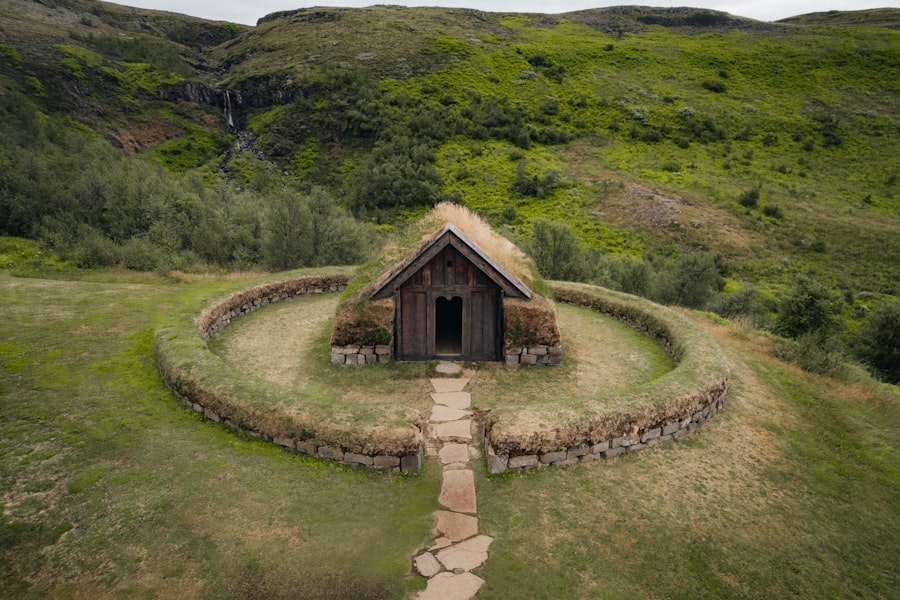
The ongoing excavation has also yielded artifacts that shed light on the spiritual landscape of the Viking Age, offering insights into their beliefs, rituals, and conceptions of the afterlife. These finds are not always as ostentatious as weapons, but they speak to the profound ways in which belief shaped their lives.
Amulets and Talismans: Protecting the Journey
A significant number of amulets have been recovered, primarily made of bone, amber, and bronze. These range from stylized animal motifs, such as wolves and ravens, to anthropomorphic figures. Their presence suggests a strong belief in protective magic and the use of personal items to ward off harm and attract good fortune, both in life and in the transition to the next.
Thor’s Hammer Pendants: Faith Embodied
The ubiquitous Thor’s hammer pendant, Mjölnir, has been found in several variants, indicating its widespread importance as a symbol of divine protection and the god Thor’s strength. The craftsmanship varies, from simple, crudely fashioned pieces to more elaborate and finely detailed examples, suggesting different levels of devotion and social standing among wearers.
Burial Practices: Glimpses into the Afterlife
While direct burial finds are not the primary focus of this specific excavation, the context of some associated grave goods found near the settlement hints at evolving funerary rites. The presence of specific grave goods, such as gaming pieces and personal ornaments, alongside tools, suggests a belief in the continuity of the individual into the afterlife and the importance of equipping them for that journey.
The Future of Viking Archaeology: Unanswered Questions and New Horizons
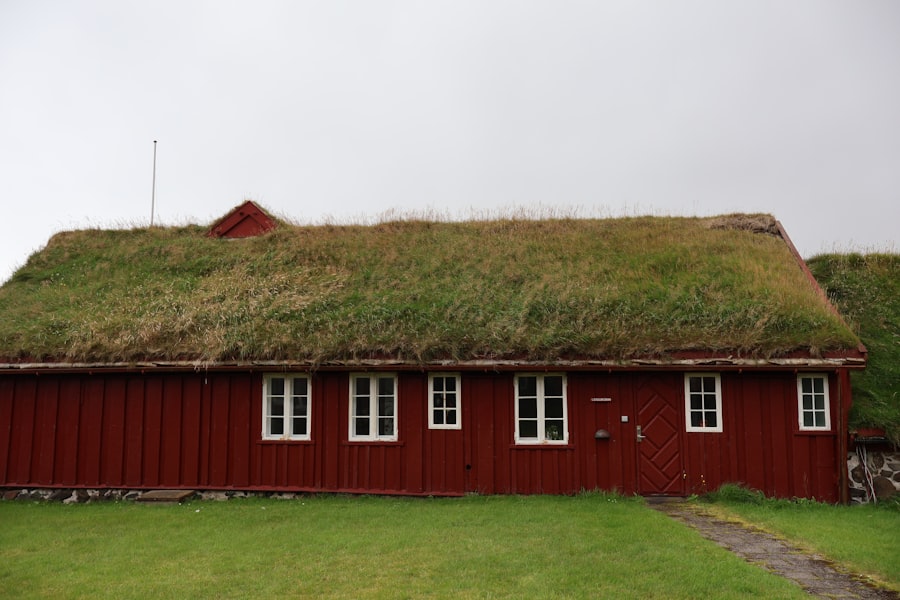
The discoveries at Norrønvik are not an end point but rather a powerful new chapter in the ongoing narrative of Viking archaeology. These findings raise new questions as much as they answer old ones, pushing the boundaries of our knowledge and inspiring further research. The ground beneath our feet, it seems, still holds many secrets.
Reinterpreting the Viking Narrative: Beyond the Warrior Myth
The accumulating evidence from sites like Norrønvik is steadily chipping away at the monolithic image of the Viking as solely a brutal warrior. The emphasis on domesticity, craftsmanship, and trade suggests a society with a more multifaceted existence, one that valued social cohesion, artistic expression, and economic enterprise alongside martial skill and conquest.
The Role of Trade in Social Stratification: Rewriting the Social Ladder
The newly unearthed trade goods provide a richer context for understanding social stratification. The distribution and quality of imported items among different assemblages within the settlement could reveal more about wealth disparities and the mechanisms by which status was acquired and maintained, moving beyond simple interpretations of warrior elites.
Digital Archaeology: Virtual Reconstruction and Data Analysis
The integration of digital technologies is revolutionizing how we approach Viking archaeology. From 3D scanning and photogrammetry for artifact recording to sophisticated Geographic Information Systems (GIS) for landscape analysis, these tools are allowing for more detailed and accessible study of Viking sites and artifacts.
3D Modeling: Bringing Artifacts to Life
The creation of detailed 3D models of the unearthed artifacts allows for virtual examination and analysis by researchers worldwide. This democratizes access to these invaluable historical remains, enabling collaborative research and the potential for new interpretations based on a shared digital repository.
GIS and Landscape Archaeology: Mapping the Viking Footprint
Geographic Information Systems are proving invaluable for analyzing the spatial relationships between settlement sites, burial grounds, and the surrounding landscape. This allows archaeologists to understand how the Vikings interacted with their environment, planned their settlements, and utilized resources, painting a more holistic picture of their settlement patterns.
The soil, as ever, continues to breathe, releasing its long-held stories. The artifacts unearthed at Norrønvik are not mere relics; they are fragments of a vibrant tapestry, woven with threads of daily life, skilled craftsmanship, far-reaching trade, and deeply held beliefs. As these discoveries are meticulously studied and disseminated, they will undoubtedly reshape our comprehension of the Viking Age, offering a richer, more nuanced, and ultimately more human portrait of these remarkable people. The saga continues to unfold, one unearthed artifact at a time.
FAQs
What types of archaeological evidence are commonly found related to Vikings?
Common Viking archaeological evidence includes burial sites, weapons, tools, jewelry, ship remains, and settlement structures. These artifacts help researchers understand Viking culture, trade, and daily life.
Where have significant Viking archaeological sites been discovered?
Significant Viking sites have been found across Scandinavia, the British Isles, Iceland, Greenland, and parts of Eastern Europe. Notable sites include the Viking ship burials at Oseberg and Gokstad in Norway and the settlement at Jorvik (York) in England.
How do archaeologists date Viking artifacts?
Archaeologists use methods such as radiocarbon dating, dendrochronology (tree-ring dating), and typological analysis of artifacts to determine the age of Viking finds. Contextual evidence from stratigraphy also aids in dating.
What can Viking burial sites tell us about their society?
Viking burial sites provide insights into social hierarchy, religious beliefs, and cultural practices. The presence of grave goods, ship burials, and cremation or inhumation methods reflect the status and customs of the deceased.
How has Viking archaeological evidence changed our understanding of their history?
Archaeological discoveries have expanded knowledge beyond historical texts, revealing details about Viking trade networks, craftsmanship, daily life, and interactions with other cultures. This evidence has helped correct misconceptions and provided a more nuanced view of Viking society.