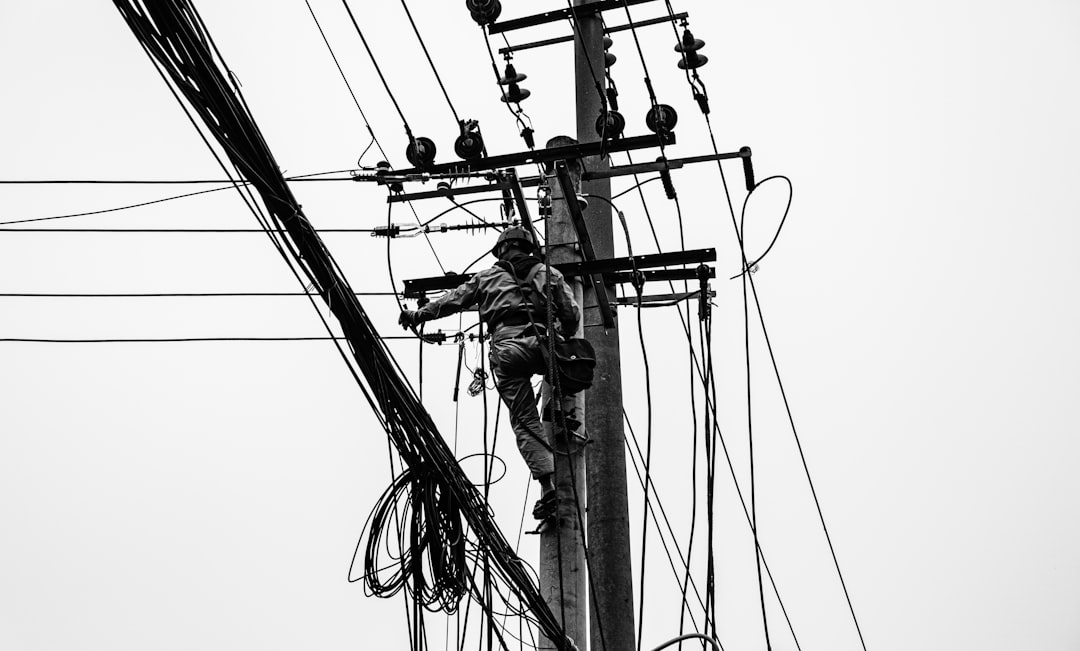
In the modern world, access to essential services such as electricity, natural gas, water, and telecommunications is not a luxury but a fundamental necessity. The provision of these services, however, often falls into the domain of utility companies. Due to the inherent characteristics of these industries, particularly the immense infrastructure requirements and the desire for efficient service delivery, utility companies frequently operate as natural monopolies. This reality necessitates a robust legal framework to govern their conduct, protect consumers, and ensure the public interest is served. Understanding the laws that regulate these utility monopolies is crucial for appreciating the delicate balance between private enterprise and public good.
The Rationale Behind Utility Monopolies
Utility company monopoly laws are designed to regulate the market and ensure that consumers have access to essential services without being exploited by a single provider. For a deeper understanding of how these laws function and their implications on both consumers and the industry, you can refer to a related article that explains the intricacies of these regulations. To learn more, visit this article.
Natural Monopolies and Infrastructure Costs
High Fixed Costs and Economies of Scale
The primary driver behind the formation of natural monopolies in utility sectors stems from the substantial upfront investment required for infrastructure. Think of the extensive network of power lines, gas pipelines, water mains, and fiber optic cables. These require massive capital expenditure that, once incurred, has relatively low marginal costs for serving additional customers. This is the concept of economies of scale, where the average cost of production decreases significantly as output increases. For instance, it is far more efficient for a single company to lay a water pipe to a neighborhood than for multiple companies to each lay their own, duplicating the significant trenching and material costs. This duplication would be economically irrational and would ultimately lead to higher prices for consumers or a commercially unviable service.
Geographic Limitations and Duplicate Infrastructure
In many geographical areas, particularly less densely populated ones, it simply does not make economic sense for more than one entity to build and maintain the necessary infrastructure. The cost of building parallel systems for electricity delivery, for example, across vast rural landscapes or within established urban settings would be exorbitant and inefficient. Consumers would bear the burden of these redundant costs through higher tariffs. Therefore, regulatory bodies often recognize the inherent efficiency of having a single provider responsible for the entire service area. This leads to the concept of a “natural monopoly” – a market structure where one firm can supply the entire market at a lower cost than two or more firms.
Public Interest and Essential Services
Utility services are generally considered essential for public health, safety, and economic activity. The uninterrupted and reliable provision of electricity, clean water, and other utilities is vital. Allowing multiple, competing entities to manage these complex and interconnected systems could lead to fragmentation of responsibility, inconsistent service quality, and potential disruptions. A monopolistic structure, when properly regulated, can ensure a cohesive and accountable approach to essential service delivery, prioritizing the public interest over purely profit-driven competition that might neglect less profitable areas or essential maintenance.
The Legal Framework: Regulation and Oversight
Antitrust Exemptions and Their Rationale
The Necessity of Regulation
While the general principle of antitrust law is to prevent monopolies and promote competition, utility industries are often granted specific exemptions. This is not an endorsement of unchecked monopolistic power but rather an acknowledgment of the unique circumstances. The rationale is that the inherent “natural monopoly” characteristics would make competition impractical or even detrimental. Instead of fostering competition that would likely fail or lead to inefficiency, the law opts for a system of strict regulation. This regulation aims to mimic the beneficial outcomes of competition by ensuring fair pricing, adequate service, and responsible corporate behavior.
Balancing Efficiency and Consumer Protection
The legal framework surrounding utility monopolies is designed to strike a delicate balance. On one hand, it seeks to allow the utility to achieve the efficiencies of scale that are inherent in its business model. This means avoiding regulations that would impose unnecessary costs or hinder its ability to invest in and maintain its infrastructure. On the other hand, it rigorously protects consumers from the potential abuses of monopoly power. This protection is paramount and forms the cornerstone of utility regulation. Without it, consumers would be at the mercy of a single provider with no alternatives.
Specific Statutory Frameworks
The legal landscape governing utility monopolies is not uniform across all jurisdictions. Different countries and even different states within a country will have specific statutes and regulatory bodies responsible for overseeing these industries. These might include public utility commissions (PUCs), energy regulatory agencies, or telecommunications authorities. These bodies are empowered by legislation to set rates, approve or deny mergers and acquisitions, establish service standards, and investigate consumer complaints. Their existence is a direct consequence of the recognized need for a legal mechanism to control and guide monopolistic utility providers.
Rate Regulation: The Heart of Consumer Protection
Just and Reasonable Rates
The “Cost of Service” Approach
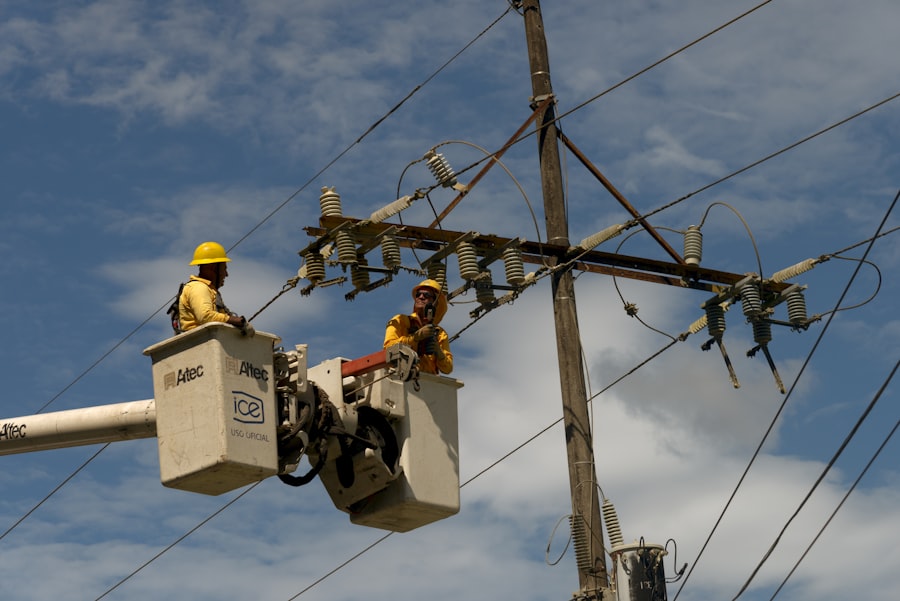
A fundamental aspect of utility regulation is the determination of “just and reasonable” rates. The most common method for achieving this is the “cost of service” approach. Under this methodology, the regulatory body scrutinizes the utility’s operating expenses, capital investments, and a reasonable rate of return on its assets. The rates are then set to cover these legitimate costs and to allow the utility to earn a fair profit, but no more. This prevents the utility from arbitrarily inflating prices simply because it has no direct competitors.
Rate Base and Rate of Return
Central to the cost of service approach are the concepts of the “rate base” and the “rate of return.” The rate base is the total value of the utility’s assets that are used and useful in providing service – for example, the power plants, transmission lines, and distribution networks. The rate of return is the percentage profit the utility is allowed to earn on that rate base. Regulatory bodies conduct extensive audits and evaluations to determine these figures, often involving complex financial and engineering analyses. The goal is to ensure that the utility can attract investment and maintain its infrastructure while not overcharging its customers.
The Public Interest in Affordable Service
The legal imperative extends beyond simply allowing the utility to recoup its costs. There is a broader public interest in ensuring that essential services remain affordable for all segments of society. This means that rates must be structured in a way that does not disproportionately burden low-income households or businesses that are vital to the local economy. Regulatory bodies often consider the affordability of services when approving rate changes, sometimes implementing lifeline rates or special programs for vulnerable customers.
Service Quality and Reliability Standards
Utility company monopoly laws are crucial for ensuring fair competition and protecting consumers from unfair pricing practices. For a deeper understanding of how these laws function and their implications on the market, you can explore a related article that delves into the historical context and current challenges faced by regulators. This insightful piece can be found at Hey Did You Know This, where you will discover more about the intricacies of utility regulation and its impact on everyday life.
Mandated Performance Metrics
| Topic | Explanation |
|---|---|
| Monopoly Laws | Regulations that prevent a single utility company from dominating the market and abusing its power. |
| Competition | Encourages fair competition among utility companies, leading to better services and lower prices for consumers. |
| Consumer Protection | Ensures that consumers have options and are not subject to unfair pricing or poor service due to lack of competition. |
| Regulatory Oversight | Government agencies monitor and enforce monopoly laws to protect consumers and promote a healthy market. |
Beyond Price: The Importance of Service
While rate regulation is crucial, it is not the sole focus of utility monopoly laws. The quality and reliability of the services provided are equally important. Legal frameworks often establish specific performance metrics and standards that utility companies must meet. These can include targets for power outage restoration times, water pressure levels, call center response times, and even the frequency of infrastructure inspections and maintenance. Failure to meet these standards can result in penalties or further regulatory scrutiny.
Preventing Service Deterioration
A concern with any monopoly is the potential for a decline in service quality over time, as the incentive to innovate or improve diminishes in the absence of competitive pressure. Utility laws aim to counteract this by imposing mandates for continuous improvement and maintenance. Regulatory bodies often require utilities to submit long-term capital improvement plans and to demonstrate ongoing investment in their infrastructure. This ensures that the service remains modern, efficient, and reliable, even as the underlying technology evolves.
Consumer Grievance Mechanisms
A vital component of ensuring good service is having effective mechanisms for consumers to voice their concerns and seek redress. Utility laws typically require utility companies to establish complaint resolution processes. Furthermore, regulatory bodies themselves serve as an independent avenue for consumers to appeal decisions or file grievances that cannot be resolved directly with the utility. This accessible grievance system is a critical safeguard against poor service and ensures accountability.
Mergers, Acquisitions, and Market Concentration
Preventing Consolidation of Power
The Fluidity of the Market
While utility industries are often characterized by natural monopolies in specific service areas, the corporate landscape can be more fluid. Companies can merge, acquire competitors, or even cross into adjacent service territories. Antitrust principles, even within the regulated utility sector, play a role in scrutinizing these corporate actions. The primary concern is to prevent the further consolidation of power that could exacerbate the negative aspects of monopoly or create new, unregulated monopolies.
Regulatory Approval Processes
Any significant merger or acquisition involving utility companies typically requires approval from the relevant regulatory bodies. These bodies will assess whether the proposed transaction would harm competition, negatively impact consumers, or undermine the public interest. This review process often involves detailed economic analysis, public hearings, and consultations with stakeholders, including consumer advocacy groups. The goal is to ensure that any market restructuring does not result in a net harm to society.
Maintaining Separate Markets
In some cases, regulatory bodies may approve mergers or acquisitions with conditions attached to ensure that competition is not unduly stifled. This could involve divestiture of certain assets or commitments to maintain service levels in specific areas. The objective is to allow for potential efficiencies that might arise from consolidation while preventing the creation of a monolithic entity that could wield unchecked power across multiple essential services or extensive geographical regions.
The Evolving Landscape: Technology and Deregulation Efforts
Adapting to New Realities
Technological Advigoration
The traditional justifications for utility monopolies are increasingly being challenged by technological advancements. The rise of distributed generation (like rooftop solar), smart grid technology, and advancements in telecommunications are creating new avenues for competition and innovation. For example, in the electricity sector, individuals and businesses can now generate their own power, reducing their reliance on the traditional grid. This shift can fundamentally alter the dynamics of the market.
Deregulation and Competition Zones
In response to these technological shifts, many jurisdictions have explored or implemented forms of deregulation in certain utility sectors. This is particularly evident in the electricity and telecommunications industries, where competition has been introduced in energy generation or long-distance calling, for example. The idea is to leverage the benefits of competition where it is feasible and does not compromise the essential nature of the service. However, the infrastructure for delivery (transmission lines, fiber optic cables) often remains a regulated monopoly.
The Unfinished Debate
The question of how best to regulate or deregulate utility monopolies in the face of technological change remains an ongoing and complex debate. Striking the right balance between fostering innovation and ensuring universal access to affordable and reliable services is a significant challenge for regulators and policymakers. The legal frameworks must constantly adapt to ensure that they remain relevant and effective in protecting the public interest in an ever-evolving utility landscape. The future will likely involve a hybrid approach, with regulated monopolies for essential infrastructure and areas where competition is not viable, alongside greater opportunities for competition and consumer choice where technology permits. Understanding these underlying legal principles provides a foundation for appreciating the ongoing discussions and policy decisions in this critical sector.
FAQs
What are utility company monopoly laws?
Utility company monopoly laws are regulations put in place to prevent a single utility company from having complete control over a specific market. These laws are designed to promote competition and protect consumers from potential price gouging and poor service.
How do utility company monopoly laws affect consumers?
Utility company monopoly laws aim to protect consumers by promoting competition, which can lead to lower prices, better service, and more options for consumers. These laws also help prevent a single company from having too much control over a market, which can lead to abuses of power.
What are some examples of utility company monopoly laws?
Examples of utility company monopoly laws include regulations that require utility companies to allow other providers to access their infrastructure, laws that prevent utility companies from engaging in anti-competitive practices, and regulations that set limits on the prices that utility companies can charge.
How do utility company monopoly laws impact the utility companies themselves?
Utility company monopoly laws can impact utility companies by limiting their ability to dominate a market and by requiring them to adhere to certain regulations aimed at promoting competition and protecting consumers. These laws can also create opportunities for new companies to enter the market and compete with established utility companies.
Who enforces utility company monopoly laws?
Utility company monopoly laws are typically enforced by government regulatory agencies, such as the Federal Energy Regulatory Commission (FERC) in the United States. These agencies are responsible for overseeing the activities of utility companies and ensuring that they comply with relevant laws and regulations.