Understanding the Legal Exemption of Farm Inputs from Food Safety Regulations
The journey of food from the farm to the table is a complex path, governed by a labyrinth of regulations designed to protect public health. While much attention is rightly paid to the safety of harvested produce, processed goods, and the conditions in kitchens and food service establishments, a crucial, yet often overlooked, aspect lies at the very beginning of this chain: the inputs used on the farm. These farm inputs – seeds, fertilizers, pesticides, animal feed, and veterinary drugs – form the bedrock of our food supply, and their interaction with food safety regulations presents a unique and important legal landscape. This article aims to dissect the rationale and implications of the legal exemptions that often apply to these essential agricultural components, providing a clear, factual understanding of why they are treated differently from the final food product.
Imagine a house being built. Before the walls are erected or the roof is thatched, the foundation must be laid. Similarly, farm inputs are the foundational elements upon which our entire food system is constructed. Without viable seeds, fertile soil, effective pest control, and healthy livestock, the subsequent stages of food production would be severely hampered, if not impossible. The efficacy and quality of these initial materials directly influence the yield, nutritional value, and inherent safety of the crops and animals that eventually become our food.
Seeds and Seed Treatments: The Genesis of Growth
Seeds are the promise of future bounty. Their genetic makeup and vigor dictate crop potential. Seed treatments, often a coating applied to seeds, can include fungicides, insecticides, or growth promoters, designed to protect the nascent plant from early threats and optimize germination.
Regulatory Oversight of Seed Purity
While the end food product undergoes stringent safety checks, the seeds themselves, in their raw form, may not always be subject to the same depth of direct food safety regulation. Instead, their regulation often falls under agricultural oversight bodies, focusing on genetic purity, varietal integrity, and freedom from noxious weeds. The rationale here is that the primary concern is the successful cultivation and identity of the crop, rather than immediate human consumption of the seed itself (unless it is a direct food crop like legumes or grains).
Seed Treatments and the “Incidental Residue” Principle
Seed treatments, however, introduce a layer of complexity. They are designed to be present at the beginning of the plant’s life cycle. The legal frameworks often consider the residues of these treatments that might be present on the harvested crop. The principle of “incidental residue” often comes into play. This acknowledges that some level of residue might be unavoidable due to the nature of the treatment, but it must not pose a risk to human health. These residues are typically regulated under pesticide laws, which set Maximum Residue Limits (MRLs) on the harvested commodity, rather than regulating the seed treatment as a food additive itself.
The topic of why farm inputs are legally exempt from food safety regulations raises important questions about agricultural practices and consumer safety. For a deeper understanding of the implications of these exemptions, you may find it insightful to read a related article that discusses the broader context of agricultural regulations and their impact on food safety. You can access the article here: related article.
Fertilizers and Soil Amendments: Nourishing the Earth, Nourishing Us
Just as a human body requires nutrients to thrive, crops require a balanced supply of minerals and organic matter from the soil. Fertilizers and soil amendments are the means by which farmers provide this essential nourishment. These inputs range from synthetic chemical compounds to natural materials like compost and animal manure.
The Role of Fertilizers in Crop Production
Fertilizers provide macronutrients (nitrogen, phosphorus, potassium) and micronutrients essential for plant growth and development. Their proper application is critical for maximizing yield and ensuring the nutritional quality of the harvested food.
Exemptions for Unprocessed Fertilizers
The legal status of fertilizers can vary significantly. Unprocessed or minimally processed organic fertilizers, such as raw manure or compost produced without specific food safety certifications, may be exempt from direct food safety regulations. The reasoning is that they are not intended for direct human consumption and are considered a component of agricultural practice. The focus shifts to the potential for these materials to introduce pathogens or contaminants to the soil, which could then be transferred to the edible parts of the crop.
Regulation Based on Potential Contamination
Instead of being classified as a food, these fertilizers are often regulated based on their potential to introduce harmful substances into the food chain. This can involve regulations concerning the handling and application of manure to prevent E. coli or Salmonella contamination of produce, or restrictions on heavy metal content in certain types of fertilizers. The emphasis is on mitigating indirect risk to food safety.
Soil Amendments and Agricultural Chemicals
Soil amendments encompass a broader category, including lime for pH adjustment, gypsum for soil structure, and various organic materials. Agricultural chemicals, distinct from fertilizers, might include liming agents or other substances used to improve soil conditions.
Distinguishing Between Direct and Indirect Contact
The legal distinction often hinges on whether the input is intended for direct human consumption or has a primary role in agricultural production. If a substance’s primary purpose is to improve soil structure and nutrient availability, and its availability in the final food product is incidental and at unavoidable levels, it may fall outside direct food safety regulations. However, if a soil amendment contains substances that are known toxins or have no agricultural justification, they would likely be subject to stricter controls.
Pesticides and Plant Protection Products: Guardians Against the Unseen
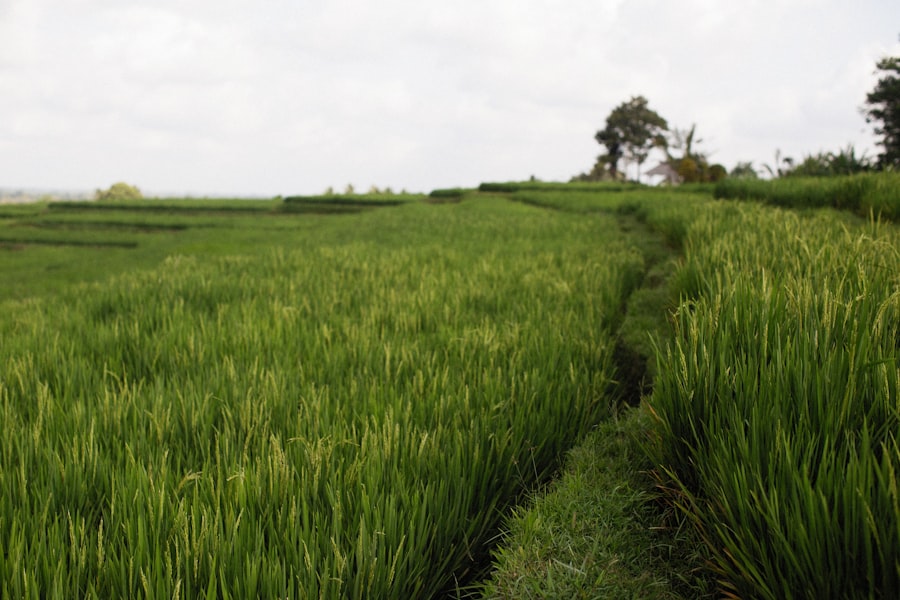
Pesticides, a broad category encompassing insecticides, herbicides, fungicides, and other pest control agents, are indispensable tools for modern agriculture. They protect crops from damage by insects, diseases, and weeds, thereby safeguarding yields and preventing significant economic losses.
The Necessity of Pest Control in Food Production
Without effective pest management, the majority of agricultural produce would be rendered unsaleable due to damage, spoilage, or contamination by pathogens carried by pests. Pesticides, when used responsibly, are therefore crucial for ensuring a stable and abundant food supply.
The “Pesticide Registration” Framework
The primary regulatory mechanism for pesticides is not food safety legislation per se, but rather rigorous pesticide registration processes administered by environmental protection agencies (like the EPA in the United States) or equivalent bodies globally. This process involves extensive scientific evaluation of a pesticide’s potential risks to human health, wildlife, and the environment.
Maximum Residue Limits (MRLs) as the Food Safety Interface
The point at which pesticides intersect with food safety regulations is through the establishment of Maximum Residue Limits (MRLs). These are legally enforceable limits on the amount of pesticide residue that may remain in or on a food commodity at the point of sale. MRLs are derived from toxicological studies and agricultural field trials to ensure that even with residues present, consumption of the food would not pose an unacceptable risk.
Exemptions for Specific Types of Pesticides or Uses
Certain categories of pesticides might have specific exemptions or be regulated under different frameworks. For instance, biopesticides, derived from natural materials like microorganisms, plants, or minerals, often have streamlined registration processes. Likewise, the “treated article exemption” can apply to products where a pesticide is incorporated into an article that is not intended to kill or inhibit pests on its own but rather to protect the article itself.
Animal Feed and Veterinary Drugs: Sustaining Livestock Health
The health and well-being of livestock are directly linked to the safety and quality of the food derived from them. Animal feed provides the nutrients necessary for growth and reproduction, while veterinary drugs are crucial for preventing and treating diseases.
The Importance of Feed Quality and Safety
The composition and safety of animal feed are paramount. Contaminated feed can introduce pathogens, toxins, or harmful chemicals into the animal, which can subsequently transfer to meat, milk, or eggs.
Feed Additives vs. Base Components
Animal feed itself, as a mixture of grains, proteins, and other ingredients, is often subject to regulations that focus on its nutritional adequacy and the absence of adulterants. However, specific feed additives, such as antimicrobials or growth promoters, can be subject to more stringent controls. The distinction lies in whether the component is a primary nutrient source or an intentionally added substance to alter the animal’s physiology or health.
Veterinary Drugs: Prescribing Safety for Animal Health
Veterinary drugs, including antibiotics, vaccines, and antiparasitics, are essential for animal health and welfare. Their regulation is primarily overseen by animal health authorities and drug regulatory agencies.
Withdrawal Periods: Bridging Animal Health and Food Safety
A critical regulatory mechanism that connects veterinary drug use to food safety is the concept of withdrawal periods. Before an animal treated with a veterinary drug can enter the food supply, a specific period must elapse to allow the drug to be metabolized and eliminated from the animal’s tissues. This ensures that any residues present in the edible food products are below established safe limits. The drug manufacturer is typically required to provide data to establish these withdrawal periods.
In exploring the complexities of agricultural practices, one might find it intriguing to read about the legal exemptions that farm inputs have from food safety regulations. This topic is further elaborated in a related article that discusses the implications of these exemptions on public health and food quality. For a deeper understanding of these issues, you can check out this insightful piece at Hey Did You Know This, which sheds light on the broader context of agricultural policies and their impact on consumers.
The Underlying Rationale: Risk Assessment and Intent of Use
| Reason for Exemption | Description | Impact on Food Safety | Regulatory Reference |
|---|---|---|---|
| Classification as Agricultural Inputs | Farm inputs such as seeds, fertilizers, and pesticides are classified as agricultural inputs rather than food products. | Exempt from direct food safety regulations as they are not consumed directly by humans. | Federal Insecticide, Fungicide, and Rodenticide Act (FIFRA) |
| Focus on End Product Safety | Regulations prioritize the safety of the final food product rather than the inputs used in production. | Ensures food safety through monitoring of residues and contaminants in food rather than inputs. | Food Safety Modernization Act (FSMA) |
| Complexity of Input Regulation | Regulating all farm inputs under food safety laws would be complex and burdensome due to diversity and volume. | Leads to reliance on separate regulatory frameworks for inputs and food products. | Multiple regulatory agencies (EPA, FDA, USDA) |
| Historical Regulatory Framework | Existing laws historically separated agricultural inputs from food safety oversight. | Maintains exemption status unless new legislation is enacted. | Historical statutes and agency mandates |
| Risk-Based Approach | Regulations focus on inputs that pose significant risk, exempting those with minimal impact on food safety. | Allows efficient allocation of regulatory resources. | Risk assessment guidelines by EPA and FDA |
The legal exemptions for farm inputs from direct food safety regulations are not arbitrary. They are rooted in a foundational principle of risk assessment and the intended use of the substance. Understanding this underlying logic is key to appreciating the nuances of these regulatory frameworks.
Differentiating Direct vs. Indirect Exposure
The primary distinction lies in the pathway of exposure to humans. Food safety regulations are primarily concerned with substances that are intentionally consumed or are present in the final food product at levels that could pose a direct risk to consumers. Farm inputs, for the most part, are not intended for direct consumption. Their presence in the final food product is typically incidental, a residual effect of their use in the cultivation or production process.
The “Cradle to Grave” Approach in Modern Regulation
While exemptions exist, it is important to note that modern regulatory frameworks often adopt a “cradle to grave” approach. This means that even if an input is not directly regulated as a food, its pathway from its point of manufacture or application through to its potential residues in food is carefully scrutinized. The intent is not to allow unsafe substances onto the farm but to regulate them through mechanisms that are tailored to their specific role and risk profile.
The Economic and Practical Realities of Agriculture
Furthermore, these exemptions are often informed by the practical realities of agricultural production and the economic implications for farmers. Regulating every single component used on a farm to the same stringent standards as a finished food product would be administratively burdensome and economically prohibitive, potentially hindering food production.
The Principle of Proportionality in Regulation
Regulatory bodies often apply the principle of proportionality, meaning that the level of regulation should be commensurate with the level of risk. For substances that pose a low direct risk to consumers when used as intended on the farm, less stringent food safety regulations are applied, with oversight often provided by agricultural or environmental agencies.
The Spectrum of Regulation: From Full Exemption to Strict Oversight
It is crucial to understand that “exemption” does not always mean a complete lack of oversight. Instead, it signifies that these inputs are regulated under different, albeit related, legal frameworks. A pesticide, for example, is not regulated as a foodstuff, but it is heavily regulated through its registration, labeling, and residue limits. Similarly, animal feed may not be subject to the same inspections as a restaurant kitchen, but it is regulated for its composition and absence of harmful contaminants.
In essence, the legal exemptions for farm inputs from food safety regulations are a pragmatic approach to regulating a complex industry. They acknowledge the fundamental role of these materials in food production while ensuring that potential risks to human health are managed through appropriate and targeted regulatory mechanisms. This intricate web of rules, though sometimes complex, serves to safeguard the integrity of the food we consume from its very genesis.
FAQs
1. What are farm inputs?
Farm inputs refer to the various materials and products used in agricultural production, including seeds, fertilizers, pesticides, animal feed, and equipment necessary for growing crops and raising livestock.
2. Why are farm inputs exempt from food safety regulations?
Farm inputs are generally exempt from food safety regulations because they are considered raw materials or tools used in the production process rather than finished food products. Regulatory focus is typically on the safety of the final food products consumed by humans.
3. Which agencies oversee farm inputs if not food safety regulators?
Farm inputs are usually regulated by agencies focused on agriculture and environmental safety, such as the Environmental Protection Agency (EPA) for pesticides and the Department of Agriculture for seeds and fertilizers, rather than food safety authorities like the Food and Drug Administration (FDA).
4. Does the exemption of farm inputs from food safety regulations affect consumer health?
While farm inputs themselves are not directly regulated for food safety, their use is controlled through other regulations to minimize risks. Proper use and management of farm inputs are essential to ensure that residues or contaminants do not enter the food supply and affect consumer health.
5. Are there any ongoing efforts to change the regulatory status of farm inputs?
There are ongoing discussions and research about improving oversight and safety standards related to farm inputs, especially concerning environmental impact and potential residues in food. However, comprehensive food safety regulations typically remain focused on the final food products rather than the inputs themselves.