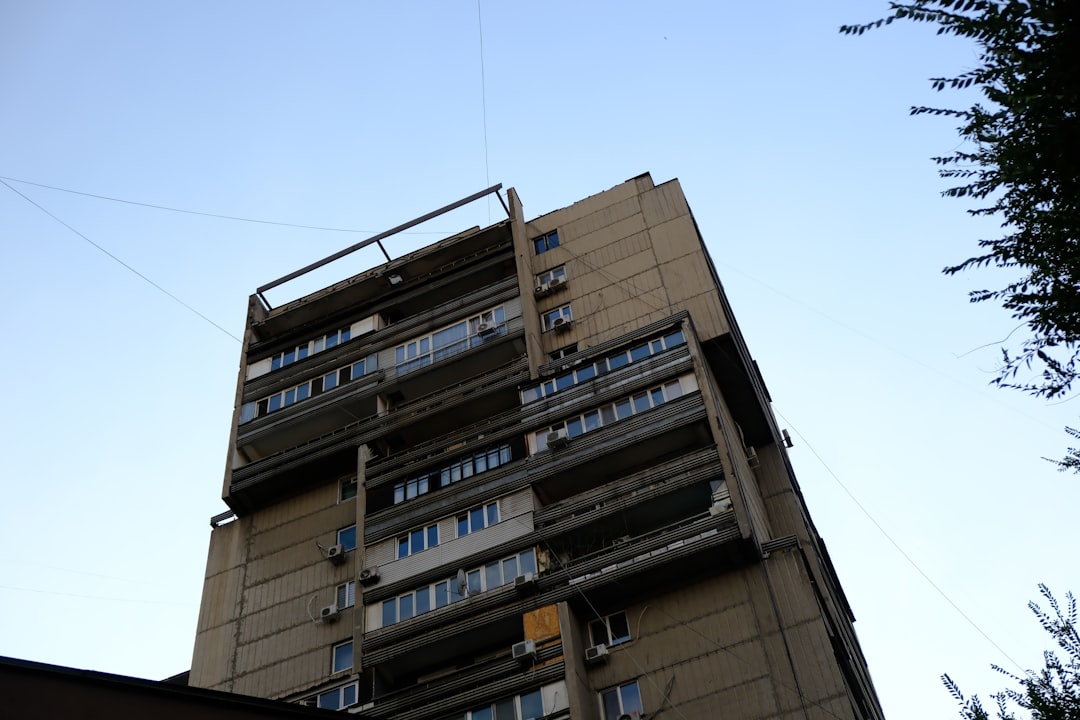
Cracks appearing in an apartment building can be a source of considerable anxiety for residents and building owners alike. These visible signs of structural stress, while sometimes minor and cosmetic, can also indicate underlying issues that require professional attention. A diligent and informed approach to understanding the genesis of these fissures is paramount, not only for the aesthetic integrity of the property but, more importantly, for the safety and longevity of the building itself. This article aims to deconstruct the common culprits behind crack formation, offering a comprehensive overview from foundational elements to surface-level phenomena.
Foundation and Soil-Related Issues
The very ground upon which an apartment building stands plays a crucial role in its stability. Any shifts, stresses, or deficiencies in the foundation or the soil beneath can translate into visible cracks within the building’s structure.
Soil Movement and Settlement
The most prevalent cause of foundation-related cracks stems from the dynamic nature of soil. Soil is not a static entity. It expands and contracts based on moisture content and temperature, and it can also settle over time.
Moisture Content Variations
- Expansive Soils: Certain types of soil, particularly clay-rich soils, are highly susceptible to changes in moisture. When these soils become saturated with water, they expand. Conversely, when they dry out, especially during prolonged droughts, they shrink. This cyclical expansion and contraction exerts significant pressure on the foundation. Over time, this continuousPush and pull can lead to differential settlement, where parts of the foundation sink more than others, causing cracks in walls, floors, and even the foundation itself.
- Drought Conditions: Extended periods of dry weather can cause the soil around the foundation to dehydrate and shrink. Water naturally evaporates from the soil, creating voids. As the soil pulls away from the foundation, it can no longer provide uniform support, leading to the sinking of certain areas. This uneven support is a direct pathway to structural cracks.
- Excessive Rainfall and Poor Drainage: Conversely, prolonged heavy rainfall can saturate the soil, increasing its weight and hydrostatic pressure against the foundation walls. If the building’s drainage system is inadequate, water can pool around the foundation, weakening the soil and potentially leading to soil erosion beneath the foundation, further exacerbating settlement.
Poor Compaction of Fill Soil
When a building is constructed on land that has been previously excavated and refilled, the compaction of that fill soil is critical. If the fill soil was not adequately compacted, it will naturally settle over time as it consolidates under the building’s weight. This gradual settling is often uneven, leading to differential settlement and subsequent cracking. This is particularly problematic in areas where significant earthwork has been performed without proper engineering oversight.
Groundwater Issues
The presence and fluctuation of groundwater can significantly impact the foundation and surrounding soil.
High Water Table
A consistently high water table means that the soil around and beneath the foundation is often saturated. This can increase hydrostatic pressure on basement walls and slabs, potentially leading to leaks and structural damage. The constant moisture can also weaken soil over time.
Fluctuating Water Table
Sudden drops or rises in the water table, often caused by external factors like nearby construction dewatering or changes in natural groundwater flow, can create voids in the soil or cause it to lose its load-bearing capacity. This instability directly translates to foundation movement and crack formation.
If you’ve noticed cracks appearing in your apartment building, it may be worth exploring the underlying causes, which can range from foundation issues to environmental factors. A related article that delves into these potential reasons is available at this link. Understanding the factors that contribute to structural damage can help residents take appropriate measures to address the problem and ensure their living environment remains safe and secure.
Structural and Material Degradation
Beyond the ground it rests upon, the building’s own materials and structural elements are subject to wear and tear, environmental factors, and inherent defects that can manifest as cracks.
Material Aging and Deterioration
All building materials degrade over time. The rate of this degradation is influenced by the type of material, environmental conditions, and the quality of the original construction.
Concrete Deterioration
Concrete, a ubiquitous material in modern construction, is susceptible to various forms of degradation.
- Alkali-Silica Reaction (ASR): This is a chemical reaction that occurs between certain alkaline cementitious materials and reactive silica found in some aggregates. ASR causes the concrete to expand and crack over time, creating a distinctive map-like pattern of cracks.
- Freeze-Thaw Cycles: In climates with fluctuating temperatures, water can seep into small pores and cracks in concrete. When this water freezes, it expands, exerting pressure on the concrete. Repeated freezing and thawing can widen existing cracks and create new ones.
- Corrosion of Reinforcing Steel: Concrete structures often contain steel reinforcing bars (rebar) to enhance their tensile strength. If the concrete cover over the rebar is insufficient or if it is exposed to moisture and corrosive agents (like de-icing salts), the steel can rust. As steel rusts, it expands, creating internal pressure that spalls or cracks the surrounding concrete.
Masonry Degradation
Brick and block walls are also prone to cracking due to a combination of factors.
- Mortar Deterioration: The mortar binding masonry units together is often softer and more porous than the bricks or blocks themselves. Over time, mortar can erode due to weathering, freeze-thaw cycles, and chemical attack, leading to a loss of structural integrity and allowing water ingress, which can then freeze and expand within the weakened mortar joints.
- Differential Expansion and Contraction: Bricks and mortar often have different coefficients of thermal expansion and contraction. This means they expand and contract at different rates with changes in temperature. Over many cycles, this differential movement can stress the joints, leading to cracks.
- Efflorescence: While not a direct cause of cracks, efflorescence – the white, powdery deposit of salts that appears on masonry surfaces – indicates that moisture is migrating through the wall. This moisture can weaken the mortar over time and, in freezing conditions, contribute to crack formation.
Load-Bearing Issues
The design and execution of the building’s load-bearing elements are critical. Any inadequacies in this regard can lead to excessive stress and subsequent cracking.
Overloading
While apartment buildings are designed to withstand specific live and dead loads, significant changes in occupancy or unauthorized alterations that add substantial weight can exceed the building’s design capacity. This can lead to stress concentrations and the development of cracks in structural members.
Inadequate Structural Design or Execution
Errors in the initial structural design, such as insufficient beam or column sizing, or deficiencies in the construction process, such as improper placement of reinforcing steel or inadequate curing of concrete, can create inherent weaknesses. These weaknesses can manifest as cracks as the building experiences normal operational loads over time.
Environmental and External Factors
The external environment plays a significant role in the condition of an apartment building. Weather, seismic activity, and even nearby human activities can all contribute to crack formation.
Weathering and Climate Effects
Exposure to the elements is a constant source of wear and tear for any building.
Freeze-Thaw Cycles
As mentioned in the context of concrete and masonry degradation, freeze-thaw cycles are a significant factor in crack formation. Water penetrates hairline fractures, freezes and expands, widening the cracks. This process repeats with each temperature fluctuation, progressively weakening materials.
Extreme Temperature Variations
Rapid and significant temperature shifts, beyond just freezing, can cause materials to expand and contract at different rates, inducing stress. For instance, prolonged exposure to intense summer sun followed by a sudden drop in temperature can contribute to surface cracking in certain materials.
Wind and Rain Erosion
While less of a direct cause of major structural cracks, persistent exposure to wind-driven rain can erode softer materials like mortar and the surface of concrete over extended periods. This can expose underlying materials to further moisture ingress and degradation.
Seismic Activity
In earthquake-prone regions, seismic forces are a primary concern for structural integrity.
Ground Shaking
The violent shaking of the ground during an earthquake imposes significant lateral and vertical forces on a building. These forces can cause structural elements to bend, shear, and twist, leading to the formation of cracks, ranging from hairline fissures to large structural separations. The severity of the cracking is directly related to the intensity of the earthquake and the building’s seismic resistance design.
Soil Liquefaction
During an earthquake, saturated sandy soils can lose their strength and behave like a liquid – a phenomenon known as liquefaction. If the soil beneath an apartment building liquefies, the foundation can lose its support, leading to catastrophic settling and massive structural damage, including extensive cracking.
Vibration and External Stresses
Vibrations originating from various sources can also contribute to the formation and widening of cracks.
Heavy Traffic or nearby Construction
Proximity to busy roads with heavy vehicle traffic or ongoing construction projects involving heavy machinery can transmit vibrations through the ground. These continuous vibrations can cause differential movement within the building’s structure, potentially exacerbating existing hairline cracks or creating new ones, particularly in areas with less robust construction.
Underground Activity
Activities such as tunneling, nearby drilling, or the operation of underground transit systems can also generate vibrations. If these activities are not managed appropriately, they can impart stresses on the foundation and surrounding soil, leading to settlement and cracking.
Building Use and Maintenance Practices
The way a building is occupied and the quality of its ongoing maintenance are crucial in preventing and mitigating crack formation. Neglect or improper practices can accelerate deterioration.
Poor Maintenance and Neglect
A lack of regular maintenance is a common underlying factor in many structural issues.
Inadequate Waterproofing and Drainage
The building’s exterior and foundation require effective waterproofing and drainage systems to prevent water ingress. If gutters are clogged, downspouts are misaligned, or foundation drainage is compromised, water will pool around the building, saturate the soil, and penetrate building materials, leading to a cascade of problems including settlement and material decay.
Delayed Repairs of Minor Issues
Small, seemingly insignificant issues, such as minor cracks in plaster or sealant failure around windows,, can serve as entry points for water and pests. If these are not addressed promptly, they can lead to more significant damage to the underlying structural components and finishes, ultimately contributing to larger cracks.
Unauthorized Modifications and Alterations
Modifications made to an apartment building without proper engineering oversight can compromise its structural integrity.
Changes to Load-Bearing Walls
Removing or altering load-bearing walls without adequate temporary or permanent structural support can redistribute structural loads incorrectly, leading to excessive stress on other elements and the formation of cracks.
Addition of Heavy Fixtures or Equipment
Installing heavy machinery, large water features, or other significant additions to floors that were not designed to support such loads can create localized stress concentrations, leading to cracking in the floor slab and supporting structures.
Age and Normal Wear and Tear
Even with diligent maintenance, buildings, particularly older ones, will naturally exhibit signs of age.
Natural Material Fatigue
Over decades of use, building materials can experience fatigue due to repeated stresses from thermal expansion and contraction, wind loads, and seismic micro-tremors. This can lead to the development of fine cracks that gradually widen over time.
Settlement Over Time
All buildings settle to some extent. While well-built structures experience minimal and uniform settlement, older buildings, or those built on less stable soils, may continue to settle gradually. This slow differential movement can manifest as cracks in walls and ceilings.
If you’ve noticed cracks appearing in your apartment building, it might be worth exploring the potential causes behind this issue. Factors such as settling foundations, water damage, or even poor construction practices can contribute to structural problems. For a deeper understanding of these issues and their implications, you can read a related article that discusses various reasons why buildings may develop cracks. This information could help you identify the underlying problems in your own residence. To learn more, check out this insightful piece on building maintenance.
Conclusion
The appearance of cracks in an apartment building is rarely attributable to a single cause. More often, it is the confluence of several contributing factors. A thorough understanding of these potential causes, from the complex interplay of soil mechanics and groundwater to the slow degradation of building materials and the impact of environmental forces, is essential for effective diagnosis and repair. By recognizing these issues and addressing them proactively, building owners and managers can safeguard the structural integrity, safety, and value of their properties, ensuring peace of mind for their residents. Engaging qualified structural engineers and experienced contractors is paramount when cracks become a significant concern, as they possess the expertise to accurately assess the situation and recommend appropriate remedial actions.
FAQs
1. What are common causes of cracking in apartment buildings?
Common causes of cracking in apartment buildings include foundation settlement, soil movement, poor construction practices, and natural disasters such as earthquakes.
2. How can I identify if my apartment building has structural cracks?
You can identify structural cracks in your apartment building by looking for cracks that are wider than 1/4 inch, diagonal cracks, cracks near windows or doors, and cracks that appear to be getting wider over time.
3. What are the potential risks associated with cracking in apartment buildings?
Cracking in apartment buildings can lead to structural instability, water intrusion, and potential hazards to the occupants. It can also decrease the value of the property and lead to costly repairs if not addressed promptly.
4. How can cracking in apartment buildings be repaired?
Cracking in apartment buildings can be repaired through methods such as epoxy injection, carbon fiber reinforcement, and underpinning to stabilize the foundation. It is important to consult with a structural engineer or a qualified professional to determine the best course of action.
5. What can apartment building owners do to prevent cracking in their buildings?
Apartment building owners can prevent cracking by ensuring proper construction practices, conducting regular inspections and maintenance, addressing drainage issues, and monitoring any signs of foundation settlement or soil movement. It is also important to address any cracking promptly to prevent further damage.