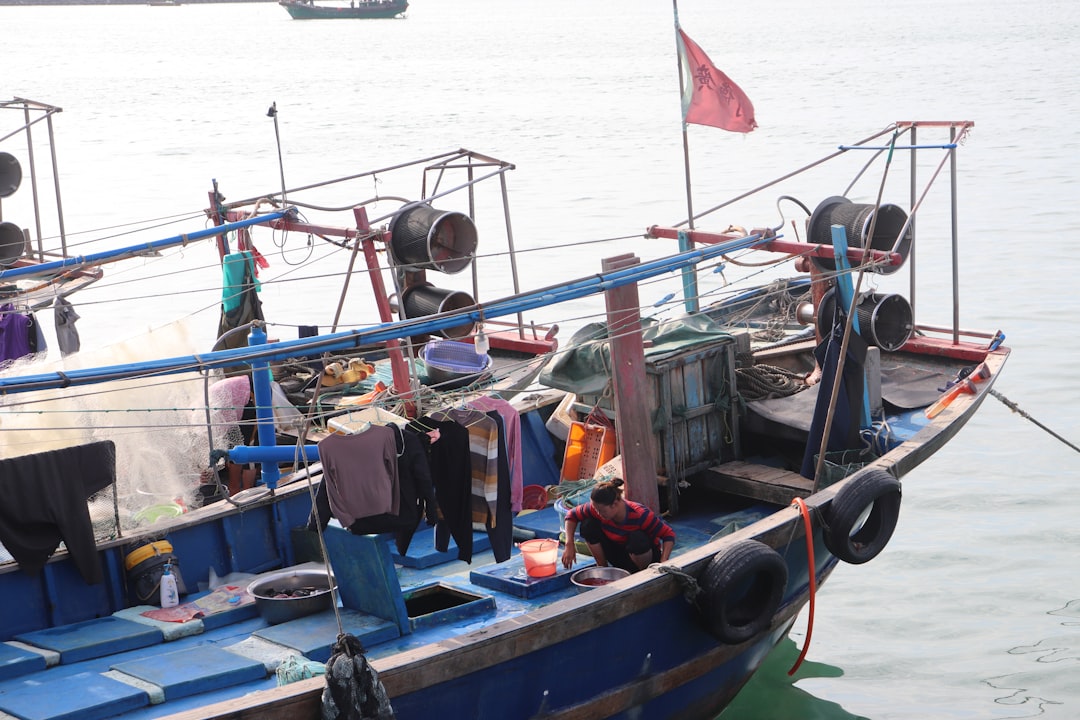
The world’s oceans, vast and enigmatic, are not merely bountiful sources of sustenance but also the settings for some of the most arduous and exploitative labor practices known to humanity. Beneath the glistening waves and picturesque sunsets lies a shadowy realm where human dignity is often cast aside in the relentless pursuit of profit. This article delves into the grim reality of labor conditions on fishing vessels, exposing the systemic issues that contribute to the suffering of countless individuals.
The decision to work on a fishing vessel is rarely a choice born of boundless opportunity. For many, it is a perilous leap of faith, driven by desperation and a lack of viable alternatives. The promises of high wages, though often hollow, are a powerful lure for individuals from impoverished communities, particularly those with limited education or skills. You can learn more about the issue of shrimp slavery in this informative video.
Economic Desperation as a Driving Force
Individuals from developing nations, facing chronic unemployment and economic instability, are particularly vulnerable to recruitment into the fishing industry. With few safety nets and shrinking land-based opportunities, the maritime sector, despite its attendant risks, can appear as a last resort. Readers should understand that this is not a matter of preference but often of sheer survival. The prospect of earning even a meager wage, when contrasted with abject poverty, can eclipse the inherent dangers of the job.
The Illusion of High Wages and Quick Rewards
Recruitment agencies, often operating with little oversight, frequently paint a rosy picture of life at sea. They promise substantial earnings, quick returns, and opportunities for advancement. These narratives, while rarely materializing, serve to entice individuals who may be unfamiliar with the realities of deep-sea fishing. It is akin to a mirage in the desert, shimmering with promises that vanish upon closer inspection.
Limited Alternatives and Lack of Information
Many potential laborers lack access to accurate information regarding working conditions, pay scales, and their rights. This information asymmetry is a critical factor in their vulnerability. They are often operating in an information vacuum, where the only voices they hear are those with a vested interest in their recruitment. This lack of informed consent is a fundamental ethical breach.
The labor conditions aboard fishing vessels have garnered increasing attention in recent years, highlighting the challenges faced by workers in this demanding industry. For a deeper understanding of the issues surrounding fishing vessel labor, including safety concerns and workers’ rights, you can read a related article at Hey Did You Know This. This resource provides valuable insights into the complexities of labor practices in the fishing sector and the ongoing efforts to improve conditions for those who work at sea.
Substandard Working Conditions: A Daily Struggle for Survival
Life on a fishing vessel, particularly for those engaged in distant-water fishing, is characterized by an unyielding regimen of hard labor, often under extreme conditions. The vessel itself becomes a floating prison, where escape is an impossibility and reprieve a rare luxury.
Excessive Hours and Relentless Demands
Crews routinely work excessively long hours, often exceeding 18 hours per day, seven days a week. The pursuit of quotas and the perishable nature of the catch mean that work rarely ceases. This relentless schedule leaves little time for rest or recovery, leading to chronic fatigue, impaired judgment, and an increased risk of accidents. Imagine enduring a marathon where the finish line constantly recedes; such is the daily reality for these workers.
Inadequate Food, Water, and Sanitation
Access to sufficient, nutritious food and clean drinking water is frequently compromised. Provisions may be scarce, expired, or of poor quality, leading to malnutrition and illness. Sanitation facilities are often rudimentary or non-existent, exacerbating health risks and contributing to the spread of disease. These are not minor inconveniences but fundamental deprivations that chip away at human health and dignity.
Hazardous Environments and Lack of Safety Measures
Fishing vessels are inherently dangerous workplaces. Heavy machinery, sharp implements, slippery decks, and unpredictable weather conditions all contribute to a hostile environment. Despite these risks, safety equipment is often inadequate or poorly maintained, and training in safety protocols is frequently neglected. Accidents, ranging from minor injuries to fatalities, are disturbingly common. For the reader, visualize working on a constantly moving, metal beast, surrounded by jagged gears and roaring waves, with little protection save for the clothes on your back.
Physical and Emotional Exhaustion
The cumulative effect of extended hours, poor nutrition, lack of sleep, and hazardous conditions is debilitating physical and emotional exhaustion. This state of perpetual fatigue not only impairs performance but also renders workers highly susceptible to illness, depression, and psychological distress. The human spirit, like a finely tuned instrument, can only endure so much battering before it begins to fray.
Exploitation and Abuse: A Dark Undercurrent in the Industry
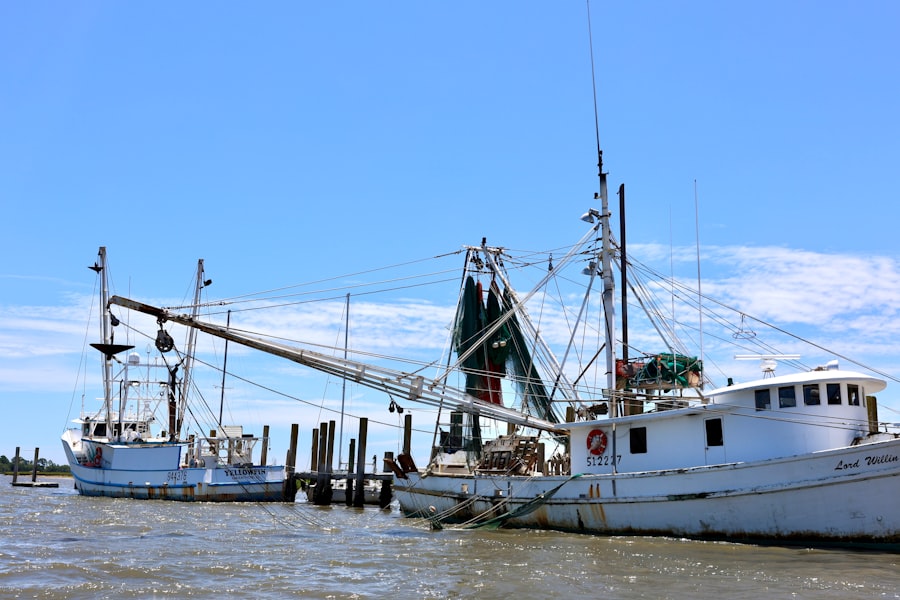
Beyond the harsh physical conditions, a pervasive culture of exploitation and abuse often characterizes life on certain fishing vessels. This can range from wage theft to severe forms of human trafficking.
Wage Theft and Unpaid Labor
Many workers are enticed with promised wages that never materialize. Deductions for “expenses,” arbitrary fines, or simply a refusal to pay altogether are common tactics. The lack of clear contracts, language barriers, and the isolated nature of the work make it incredibly difficult for workers to dispute these injustices or seek redress. Their labor, a precious offering, is often stolen outright.
Confiscation of Documents and Restriction of Movement
Upon boarding, many workers have their passports and other essential documents confiscated by captains or vessel owners. This effectively strips them of their identity and ability to leave the vessel, trapping them in a cycle of involuntary servitude. Their freedom, once a birthright, becomes a commodity held hostage.
Psychological Manipulation and Intimidation
Captains and supervisors often employ psychological tactics, including threats, intimidation, and verbal abuse, to maintain control over the crew. The fear of reprisal, loss of pay, or even physical harm keeps workers compliant and prevents them from reporting abuses. This coercive environment is designed to break down individual will and foster dependence.
Physical Violence and Human Trafficking
In the most egregious cases, physical violence, including beatings and torture, is used to enforce obedience. These extreme forms of abuse often occur in conjunction with human trafficking, where individuals are forcibly recruited and exploited for their labor. These are not isolated incidents but symptoms of a deeply entrenched disregard for human life and liberty.
The Global Web: Interconnectedness of Supply Chains and Impunity

The complex and often opaque nature of global supply chains plays a significant role in perpetuating these exploitative practices. The demand for cheap seafood, combined with a lack of comprehensive oversight, creates an environment where abuses can flourish with impunity.
Demand for Cheap Seafood and Race to the Bottom
Consumers, often unknowingly, contribute to the problem through their demand for affordable seafood. This drives a “race to the bottom” where cost-cutting measures, including the exploitation of labor, become normalized in an effort to remain competitive. Every cheap fillet, every discount shrimp, could be a by-product of human suffering.
Flag of Convenience and Lack of Regulation
Many fishing vessels operate under “flags of convenience,” registering in countries with lax labor laws and weak enforcement mechanisms. This allows them to evade responsibility and oversight from their true country of ownership. It is a legal loophole as wide as the ocean itself, through which exploitation can sail unhindered.
Opaque Supply Chains and Difficulty in Tracing Origin
The journey of seafood from catch to consumer can involve multiple intermediaries, making it incredibly difficult to trace the origin of a product and verify the labor conditions under which it was caught. This opacity shields perpetrators from accountability and makes it challenging for consumers to make ethical choices. The chain is deliberately tangled to obscure the source of exploitation.
Corruption and Enforcement Gaps
Corruption within regulatory bodies and a lack of resources for effective enforcement further compound the problem. In some regions, officials may turn a blind eye to abuses in exchange for bribes, effectively sanctioning the exploitation of vulnerable workers. The very mechanisms designed to protect are sometimes compromised.
Recent discussions surrounding fishing vessel labor conditions have highlighted the urgent need for reform in the industry. Many workers face harsh environments and inadequate protections, raising concerns about their rights and safety. For a deeper understanding of these issues, you can explore a related article that delves into the complexities of labor practices in this sector. This insightful piece provides a comprehensive overview of the challenges faced by fishermen and the ongoing efforts to improve their working conditions. To read more about this important topic, visit this article.
Towards a More Humane Future: Solutions and Advocacy
| Metric | Description | Typical Values / Observations | Source / Notes |
|---|---|---|---|
| Average Working Hours per Day | Number of hours fishing crew work daily | 12-18 hours | ILO reports on fishing labor conditions |
| Rest Periods | Duration of rest breaks during shifts | Often less than 4 hours between shifts | Field studies and crew interviews |
| Living Space per Crew Member | Area allocated for sleeping and personal use | Less than 3 square meters | Maritime labor standards |
| Access to Medical Care | Availability of medical facilities or personnel onboard | Limited or none on small vessels | NGO reports on fishing vessel conditions |
| Incidence of Labor Rights Violations | Reported cases of forced labor, abuse, or exploitation | High in some regions, underreported globally | Human rights organizations |
| Average Crew Size | Number of workers onboard typical fishing vessels | 5-20 persons | Industry data |
| Wages and Payment Frequency | Typical pay structure and frequency of payment | Often paid per catch; irregular payment intervals | Labor market studies |
| Safety Training Provided | Percentage of crew receiving formal safety training | Less than 50% in many small-scale fisheries | Maritime safety audits |
Addressing the systemic issues of labor exploitation on fishing vessels requires a multi-faceted approach involving international cooperation, robust legislation, increased transparency, and consumer awareness. The task is immense, but not insurmountable.
Strengthening International and National Legislation
There is a critical need for stronger international conventions and national laws that specifically address labor rights, working conditions, and human trafficking in the fishing industry. These laws must be comprehensive, clearly define accountability, and carry meaningful penalties for non-compliance. The legal framework must evolve from a porous sieve to an impenetrable barrier against exploitation.
Enhancing Transparency and Traceability in Supply Chains
Implementing robust traceability systems that allow for the tracking of seafood from vessel to plate is crucial. This would enable consumers and regulatory bodies to identify and hold accountable those involved in unethical practices. Blockchain technology and other digital solutions offer promising avenues for achieving greater transparency.
Empowering Workers and Supporting Whistleblowers
Providing workers with access to information about their rights, legal aid, and safe reporting mechanisms is essential. Protecting whistleblowers from retaliation and ensuring their complaints are thoroughly investigated can help bring abuses to light. Giving voice to the voiceless is not just an act of charity; it is a fundamental pillar of justice.
Greater Consumer Awareness and Ethical Sourcing
Educating consumers about the social costs of unsustainable and unethical fishing practices can shift demand towards ethically sourced seafood. Certification schemes that genuinely verify fair labor practices, not just environmental sustainability, can empower consumers to make informed choices. Every purchase is a vote; consumers must learn to vote for human dignity.
Increased Monitoring and Enforcement
Stepping up monitoring, surveillance, and enforcement efforts by national and international agencies is paramount. This includes conducting regular inspections, prosecuting offenders, and ensuring that penalties are severe enough to act as a deterrent. The law, like a watchful guardian, must be present and vigilant on the high seas.
The plight of fishing vessel workers is a stark reminder that beneath the surface of global commerce, human suffering often lurks. As readers, understanding these realities is the first step towards advocating for change. The ocean, a symbol of freedom and possibility, should not be a realm where human beings are stripped of their dignity and humanity for the sake of profit. It is time to cast a light into these dark corners and demand a more just and humane future for those who toil at sea.
FAQs
What are common labor conditions on fishing vessels?
Fishing vessel labor conditions often include long working hours, physically demanding tasks, limited rest periods, and exposure to harsh weather. Crew members may work 12 to 20 hours a day, sometimes with minimal breaks, and live in confined quarters.
Are fishing vessel workers protected by labor laws?
Yes, fishing vessel workers are protected by various international and national labor laws, such as the Maritime Labour Convention (MLC) 2006, which sets minimum standards for working conditions, safety, and welfare on fishing vessels. However, enforcement can vary by country and region.
What are the risks associated with labor on fishing vessels?
Risks include physical injuries from heavy machinery, accidents at sea, fatigue-related errors, exposure to hazardous weather, and sometimes poor living conditions. Additionally, some workers face issues like forced labor or human trafficking in certain regions.
How is crew welfare addressed on fishing vessels?
Crew welfare is addressed through regulations requiring adequate food, water, medical care, rest periods, and safe working environments. Some vessels provide training and safety equipment to improve conditions, but compliance varies widely.
What challenges exist in improving labor conditions on fishing vessels?
Challenges include the remote nature of fishing operations, limited oversight, economic pressures on vessel owners, language barriers among multinational crews, and insufficient enforcement of labor standards. These factors can make it difficult to ensure fair and safe working conditions.