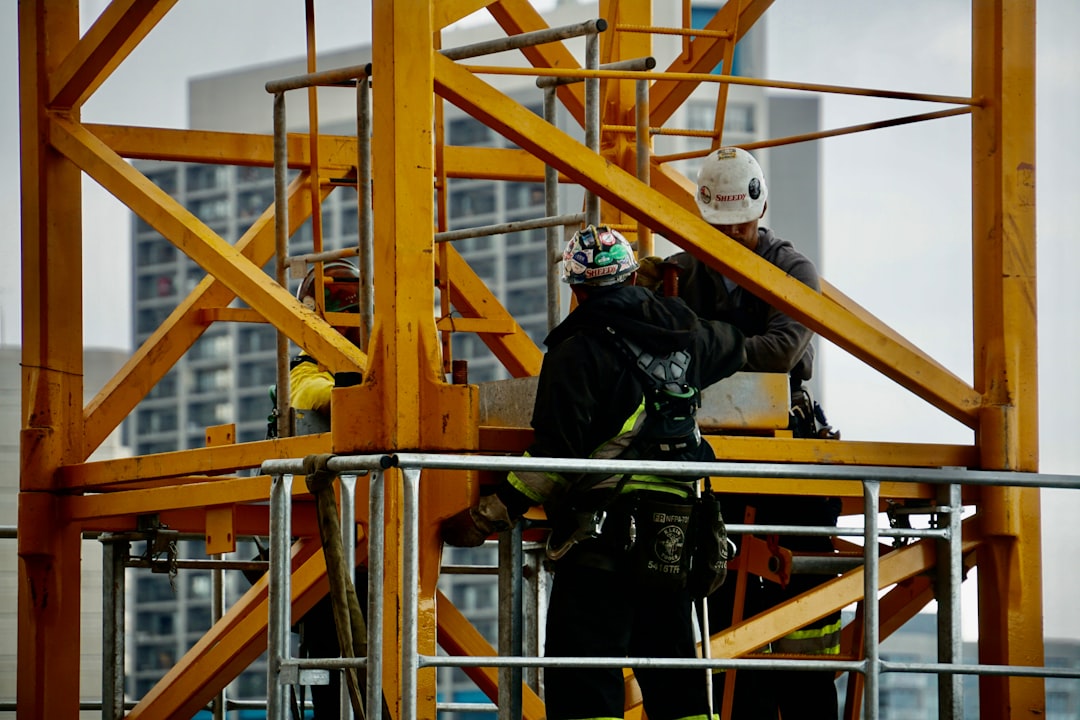
The construction industry, a bedrock of global economies and a cornerstone of societal development, operates on an immense scale. Valued in the trillions of dollars annually, its projects shape our skylines, our infrastructure, and our daily lives. However, beneath the veneer of impressive concrete and steel, a significant and pervasive issue plagues the sector: widespread deception and misrepresentation that collectively amount to what can be termed “construction industry lies.” These falsehoods, often subtle in their execution but with profound financial and ethical consequences, can inflate costs, compromise quality, and erode trust. Uncovering these $1.5 trillion in construction industry lies requires a comprehensive examination of various facets of the industry, from initial bidding processes to final project delivery.
The genesis of most construction projects lies in a complex and often opaque bidding process. It is here that the seeds of deception can be sown, leading to inflated costs and compromised project viability. The allure of securing lucrative contracts, coupled with the inherent uncertainties of construction, creates fertile ground for a variety of dishonest practices.
Inflated Quantities and Material Misrepresentation
One common tactic involves the deliberate overestimation of material quantities in bids. Contractors might inflate the projected amounts of concrete, steel, lumber, or other essential materials required for a project. This padding serves to create a buffer against unforeseen issues, but more often, it is a calculated strategy to increase the overall bid price. When the project proceeds, and actual material usage is lower, the excess funds become a hidden profit. This practice is particularly insidious because it can be difficult to detect without meticulous independent oversight and detailed tracking of material consumption. The sheer scale of materials involved in large-scale construction makes precise accounting a significant undertaking, creating an environment where subtle overestimations can go unnoticed for extended periods.
Furthermore, misrepresentation of material quality is another prevalent issue. Bids may specify premium, high-grade materials, only for cheaper, substandard alternatives to be used during construction. This can manifest in a variety of ways, such as using lower-strength concrete, less durable steel reinforcements, or cheaper finishing materials. The rationale behind this deception is straightforward: lower-quality materials are often less expensive, directly impacting the contractor’s profit margin. The consequences, however, can be severe, leading to structural weaknesses, premature wear and tear, and ultimately, costly repairs and reduced lifespan of the built asset. The difficulty in verifying material quality after installation, especially once concrete has cured or finishes are applied, further emboldens this unethical practice.
Inaccurate Labor Cost Projections and Hidden Labor Practices
Labor is a significant component of any construction budget. Misrepresenting labor costs can significantly distort the true financial picture of a project. Contractors may submit bids based on artificially low labor rates or underestimated hours required for specific tasks. This can be achieved through various means, including misclassifying workers to avoid higher wages associated with skilled labor, underreporting overtime, or even intentionally understaffing crews with the expectation of squeezing more work out of fewer individuals.
The concept of “efficiency” can also be weaponized. A bid might promise a project completion within a certain timeframe based on optimistic, rather than realistic, labor productivity estimates. When the project inevitably takes longer due to actual labor constraints, the contractor can then claim unforeseen circumstances and seek additional compensation, further inflating the project’s final cost. This deliberate manipulation of labor projections, coupled with the potential for exploiting workers through unfair wage practices or unsafe working conditions, represents a significant ethical breach with substantial financial ramifications. The clandestine nature of some labor issues, especially concerning undocumented workers or subcontracting chains, makes it particularly challenging to audit and enforce fair labor practices.
Bid Rigging and Collusion
Perhaps one of the most egregious forms of deception in the bidding process is bid rigging and collusion. This involves agreements between competing contractors to manipulate bids, ensuring that a predetermined contractor wins the contract at an inflated price. This can involve one contractor submitting a deliberately high bid to allow another to win, or various contractors agreeing on certain price points or profit margins. These arrangements artificially inflate project costs by eliminating genuine competition. The consequences extend beyond mere financial loss for the client; they can also stifle innovation and lead to a lack of incentive for contractors to operate efficiently or deliver high-quality work. The investigation and prosecution of bid rigging can be complex and resource-intensive, often requiring sophisticated financial analysis and intelligence gathering to uncover these clandestine agreements.
The $1.5 trillion construction industry is a vital sector that significantly impacts the global economy, and understanding its dynamics is crucial for stakeholders. For a deeper insight into the trends and challenges facing this industry, you can read a related article that explores various aspects of construction, including innovations and sustainability practices. Check it out here: related article.
The Deceptive Landscape of Project Execution
Once a contract is awarded, the potential for deception does not diminish. The execution phase of a construction project presents a new set of opportunities for contractors to misrepresent progress, quality, and costs.
Scope Creep and Change Order Abuse
“Scope creep” refers to the gradual expansion of a project’s requirements beyond its original defined scope. While some scope changes are inevitable and can be managed through formal change orders, unethical contractors can exploit this process. They might intentionally under-deliver on the initial scope, then present the necessary additions as unavoidable “changes” that require significant additional funding. This is often accompanied by inflated pricing for these so-called changes, turning what should be a controlled adjustment into a revenue-generating opportunity.
Change order abuse is a particularly common and frustrating aspect of construction. Contractors may submit change orders for work that was already included in the original bid, or they may inflate the cost of legitimate changes. The pressure to keep projects on schedule can sometimes lead clients to approve change orders without adequate scrutiny, a vulnerability that unethical contractors exploit. The lack of clear, objective documentation and the subjective nature of valuing certain construction tasks can also facilitate this abuse. Without rigorous oversight and a clear understanding of the original contract, clients can find themselves paying significantly more than anticipated for work that should have been included.
Substandard Workmanship and Material Substitution
Even when contractually obligated to use specific materials and employ skilled labor, some contractors may opt for cheaper alternatives or cut corners on workmanship to maximize profits. This can range from inadequate site preparation and foundation work to superficial finishing and shoddy plumbing or electrical installations. The long-term consequences of substandard workmanship can be severe, leading to structural instability, premature failure of components, and increased maintenance costs.
Material substitution is a particularly insidious form of deception. A contractor might agree to install a specific type of high-performance insulation or a particular brand of energy-efficient window, only to install a cheaper, less effective substitute. The visual similarity of these materials once installed, or the difficulty in testing their performance without significant disruption, makes this a tempting fraudulent practice. The financial incentive is clear: the cost savings on materials can be substantial. However, the compromised performance of the building, including increased energy consumption and reduced comfort, is a direct consequence borne by the end-user.
The Illusion of Progress and Delayed Reporting
Construction schedules are often meticulously planned, with regular progress reports expected. However, unethical contractors can manipulate the perception of progress to their advantage. They might embellish the status of certain tasks in their reports, indicating that work is further along than it actually is. This can be done to secure progress payments on time, even if the actual work is lagging.
This deception can create a false sense of security for clients and stakeholders, masking underlying issues that could lead to significant delays and cost overruns later in the project. When the reality of the project’s delay eventually surfaces, the contractor may then present a narrative of unforeseen circumstances, further obscuring the initial misrepresentations. This deliberate obfuscation of project status and the artful presentation of progress can be a sophisticated form of deception, requiring vigilant monitoring and independent verification by experienced project managers.
The Invisible Costs: Hidden Fees and Unforeseen Expenses
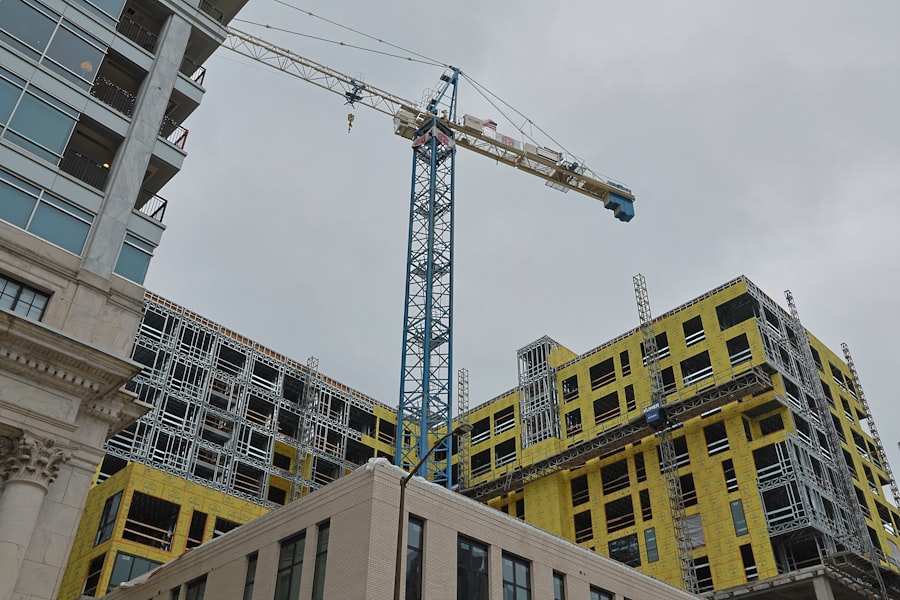
Beyond the tangible aspects of bidding and execution, a layer of less visible deception involves the embedding of hidden costs and the manipulation of the concept of “unforeseen expenses.”
Inflated Overhead and Profit Margins
Overhead costs, such as administrative expenses, insurance, and office support, are legitimate components of a construction bid. However, contractors can inflate these figures, disguising personal expenses or unrelated business costs as legitimate project overhead. Similarly, profit margins, while also a standard part of the industry, can be unreasonably high, especially when coupled with other deceptive practices. The opacity of accounting for overhead and the subjective nature of profit expectations can make it difficult for clients to discern what is reasonable and what is predatory.
Unforeseen Expenses: A Convenient Excuse
The nature of construction inherently involves a degree of unpredictability. Weather delays, material shortages, or unexpected site conditions can all lead to legitimate cost increases. However, unethical contractors often exploit this by labeling what are in fact predictable risks or poor planning as “unforeseen expenses.” They may fail to adequately budget for common construction challenges or even create a narrative of unforeseen circumstances to justify cost increases that are actually a result of their own inefficiencies or deliberate choices.
This practice effectively shifts the burden of risk and cost onto the client, transforming what should be a shared responsibility into an opportunity for the contractor to profit from uncertainty. The lack of meticulous contingency planning within their own bids is often the root cause, but it is presented as an external problem impacting the project. Without a robust understanding of the project’s inherent risks and a careful review of the claimed “unforeseen expenses,” clients can unwittingly pay for the contractor’s lack of foresight or intentional miscalculations.
Inaccurate Invoicing and Double Billing
Beyond inflated quantities or misrepresentation of work completed, outright fraudulent invoicing practices can occur. This can include billing for materials that were never delivered, charging for labor that was never performed, or simply submitting invoices with inflated line items. Double billing, where the same work or material is billed multiple times, is another egregious example. These practices require careful auditing of invoices against project records and work completed to detect. The sheer volume of invoices in large projects can make this a challenging but essential task for financial due diligence.
The Ethics of Information: Misleading Marketing and Contractual Loopholes

The construction industry, like many others, uses marketing and contractual agreements to establish its offerings and set expectations. However, these tools can also be vehicles for deceptive practices.
Exaggerated Claims in Marketing and Brochures
Marketing materials, whether for residential developments, commercial buildings, or infrastructure projects, often employ aspirational language and showcase idealized renderings. While some level of embellishment is to be expected, outright misrepresentation of features, quality, or performance standards can occur. This can include exaggerating the energy efficiency of a building, overstating the durability of materials, or making unsubstantiated claims about amenities and functionalities. When the delivered product falls significantly short of these marketed promises, clients can feel misled and defrauded. The disconnect between the glossy brochure and the reality of the finished product is a common source of consumer dissatisfaction and can represent a form of widespread deception.
Exploiting Ambiguity in Contracts
Construction contracts are complex legal documents, and their intricate language can be a breeding ground for deliberate ambiguity. Unethical contractors may intentionally draft contract clauses with vague terms or loopholes that allow them to interpret the agreement in their favor, often at the expense of the client. This can relate to the definition of “substantial completion,” the process for dispute resolution, or the allocation of responsibilities for certain project elements.
When disputes arise, these ambiguities can be leveraged to avoid accountability, secure additional payments, or delay project resolution. The need for sophisticated legal counsel and meticulous review of all contractual documents, not just at the outset but throughout the project lifecycle, is paramount to mitigating this form of deception. The imbalance of legal expertise between a seasoned contractor and a potentially less experienced client can create a power dynamic that is easily exploited through deliberately opaque contractual language.
The $1.5 trillion construction industry is a vital part of the global economy, influencing everything from job creation to infrastructure development. For those interested in exploring more about the various facets of this expansive sector, a related article can be found at Hey Did You Know This, which delves into the latest trends and innovations shaping the future of construction. Understanding these dynamics can provide valuable insights for professionals and enthusiasts alike.
The Unseen but Significant Impact: Compromised Quality and Safety
| Metrics | Data |
|---|---|
| Total Value of Construction Industry | 1.5 trillion |
| Number of Jobs Created | millions |
| Percentage of GDP | 8% |
| Annual Growth Rate | 3% |
The ultimate consequence of these construction industry lies transcends mere financial loss. They directly contribute to compromised quality, diminished safety, and a erosion of trust within the sector.
Compromised Building Performance and Durability
When contractors cut corners on materials, workmanship, or adherence to specifications, the immediate and long-term performance of the built asset is inevitably compromised. Buildings may exhibit poor thermal insulation, leading to higher energy bills and discomfort for occupants. Structures may experience premature wear and tear, requiring more frequent and costly maintenance. In worst-case scenarios, substandard construction can lead to structural failures, posing significant safety risks. The initial cost savings achieved through deception are often dwarfed by the ongoing expenses and reduced lifespan of the compromised structure.
Endangering Public Safety Through Substandard Work
The most critical consequence of deceptive practices in construction is the direct threat to public safety. Inadequate structural integrity, faulty electrical wiring, or the use of hazardous materials can have catastrophic consequences. Projects that are meant to serve communities, such as bridges, schools, or hospitals, can become liabilities if built with compromised safety standards due to fraudulent practices. The pursuit of profit at the expense of well-being is a profound ethical failing that has real-world, and sometimes fatal, implications. This is particularly concerning in critical infrastructure projects where the stakes are exceptionally high.
Erosion of Trust and Industry Reputation
The pervasive nature of these deceptive practices, whether intentional fraud or a culture of corner-cutting, contributes to a significant erosion of trust in the construction industry. Clients become wary, expecting to be overcharged or to receive substandard work. This can lead to increased legal scrutiny, more demanding contract negotiations, and a general decline in the sector’s reputation. Rebuilding this trust requires a commitment to transparency, accountability, and ethical conduct from all stakeholders. Without a collective effort to address these “lies,” the industry risks further alienating its clients and perpetuating a cycle of suspicion and distrust.
In conclusion, the $1.5 trillion construction industry, while vital to global progress, is unfortunately riddled with a complex web of deceptive practices. From the initial estimations and bidding processes to the intricate stages of project execution and contractual agreements, opportunities for misrepresentation and inflated costs are prevalent. Uncovering and addressing these “construction industry lies” is not merely about financial prudence; it is about upholding ethical standards, ensuring public safety, and rebuilding trust in a sector that is fundamental to our built environment. Vigilance, transparency, robust oversight, and a commitment to genuine value are essential to mitigating this pervasive issue and fostering a more trustworthy and sustainable construction landscape.
FAQs
What is the $1.5 trillion construction industry lies article about?
The article discusses the misleading information and false claims within the construction industry, which has led to a distorted perception of its actual value and impact.
What are some examples of the lies within the construction industry?
Some examples of the lies within the construction industry include inflated project costs, exaggerated economic impact claims, and misleading job creation statistics.
How do these lies affect the construction industry and the public?
These lies can lead to misallocation of resources, misguided policy decisions, and a lack of transparency and accountability within the industry. The public may also be misled about the true impact and value of construction projects.
What are the potential consequences of these lies?
The potential consequences of these lies include wasted resources, decreased public trust, and a distorted understanding of the industry’s actual contributions to the economy and society.
What can be done to address the issue of lies within the construction industry?
Addressing the issue requires increased transparency, accountability, and fact-checking within the industry. It also involves promoting accurate and reliable information about the true value and impact of construction projects.