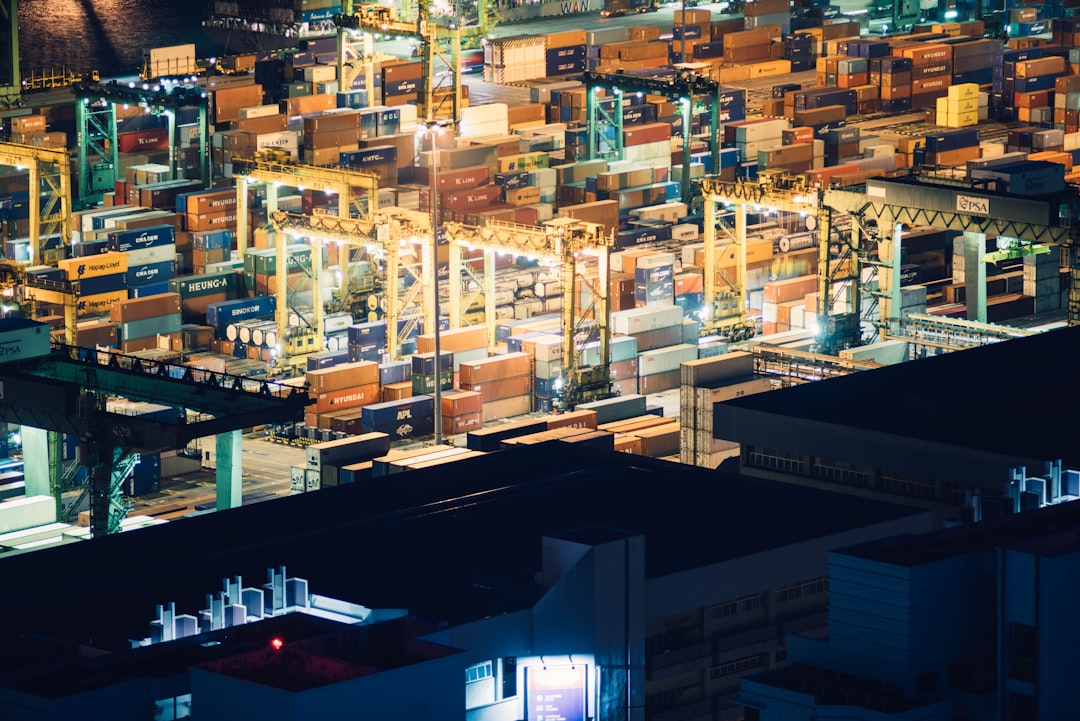
Supply chains, the intricate networks facilitating the movement of goods and services from their point of origin to the end consumer, are the silent arteries of the global economy. Their efficient and uninterrupted operation is paramount for businesses and nations alike. However, these complex systems are inherently susceptible to disruptions, possessing vulnerabilities that, if left unaddressed, can lead to significant economic consequences. This article explores these vulnerabilities, delving into their origins, manifestations, and potential mitigation strategies.
The past few decades have witnessed a dramatic transformation in supply chain structures, driven by globalization, lean manufacturing principles, and advancements in information technology. While these changes have brought about increased efficiency and cost reductions, they have also inadvertently introduced new layers of risk. The traditional model of localized production and distribution has given way to extended, multi-tiered networks, often spanning continents. This interconnectedness, while offering unprecedented opportunities, also acts as a double-edged sword, amplifying the impact of localized disruptions across the entire system. You can learn more about the issue of shrimp slavery in this informative video.
Hyper-specialization and Global Sourcing
The pursuit of efficiency has led many companies to specialize in core competencies and outsource non-core activities. This often involves sourcing components and finished goods from highly specialized suppliers located across different geographical regions. While this strategy can lead to lower costs and higher quality, it simultaneously concentrates production capacity for critical components in a few, often distant, locations.
- Single-source dependencies: Reliance on a sole supplier for a critical component creates a choke point in the supply chain. A disruption at this single source, whether due to natural disaster, geopolitical conflict, or operational failure, can bring the entire production process to a standstill.
- Geographic concentration risk: When multiple critical suppliers or key manufacturing hubs are located within the same geographical area, they become exposed to the same localized risks. For instance, a natural disaster in a specific region, such as an earthquake or tsunami, can cripple an entire industry reliant on that region.
Just-in-Time Inventory Management
The adoption of Just-in-Time (JIT) inventory management principles, while highly effective in reducing inventory holding costs and waste, has also inadvertently thinned the protective buffer against unforeseen disruptions. JIT relies on precise coordination and timely delivery of materials, meaning companies operate with minimal stock levels.
- Reduced resilience to demand fluctuations: With limited inventory, businesses are less able to absorb sudden spikes in demand or unexpected delays in supply. Even minor disruptions can quickly lead to stockouts and lost sales.
- Increased sensitivity to transportation delays: The success of JIT hinges on reliable and timely transportation. Any impediment to the flow of goods, such as port closures, strikes by logistics workers, or adverse weather conditions, can severely disrupt production schedules.
In light of recent developments in supply chain investigations, you may find the article titled “Understanding the Complexities of Global Supply Chains” particularly insightful. This piece delves into the various factors affecting supply chain efficiency and the implications of disruptions. For more information, you can read the article here: Understanding the Complexities of Global Supply Chains.
Identifying Key Vulnerability Points
Grasping the abstract concept of supply chain vulnerability requires a systematic examination of the specific points within the chain where weaknesses tend to coalesce. These points often manifest as critical nodes or processes whose failure can trigger a cascade of negative effects.
Bottlenecks in Production and Distribution
Bottlenecks represent constraints within the supply chain that limit its overall capacity and flow. These can occur at various stages, from raw material extraction to final product delivery. Identifying and addressing these limitations is crucial for enhancing resilience.
- Limited manufacturing capacity: A lack of sufficient production capacity for a crucial component or product can create a bottleneck, especially during periods of high demand or when alternative suppliers are unavailable.
- Inefficient logistics infrastructure: Outdated or insufficient transportation networks (roads, railways, ports, airports) can act as bottlenecks, delaying the movement of goods and increasing lead times. This is particularly evident in less developed regions or during peak seasons.
- Customs and regulatory hurdles: Complex or unpredictable customs procedures and regulatory requirements can significantly impede the flow of international trade, effectively creating a bottleneck at borders.
Information Asymmetries and Lack of Visibility
Effective supply chain management relies heavily on accurate and timely information. When information flow is fragmented or opaque, vulnerabilities emerge, making it difficult to anticipate and react to disruptions.
- Lack of end-to-end visibility: Many companies possess limited visibility beyond their immediate tier-one suppliers. This “black box” approach means they are often unaware of critical dependencies further down the supply chain (e.g., tier-two or tier-three suppliers), leaving them exposed to risks they cannot foresee. Imagine navigating a dense fog; without clear visibility, avoiding obstacles becomes exceedingly difficult.
- Information silos: Within organizations, different departments (e.g., procurement, production, logistics, sales) may operate with their own data systems and processes, leading to fragmented information and poor coordination. This can hinder a holistic understanding of the supply chain’s health.
- Lagging data and manual processes: Reliance on outdated reporting methods or manual data entry can result in significant delays in receiving critical information, hindering proactive decision-making.
External Shocks and Environmental Factors
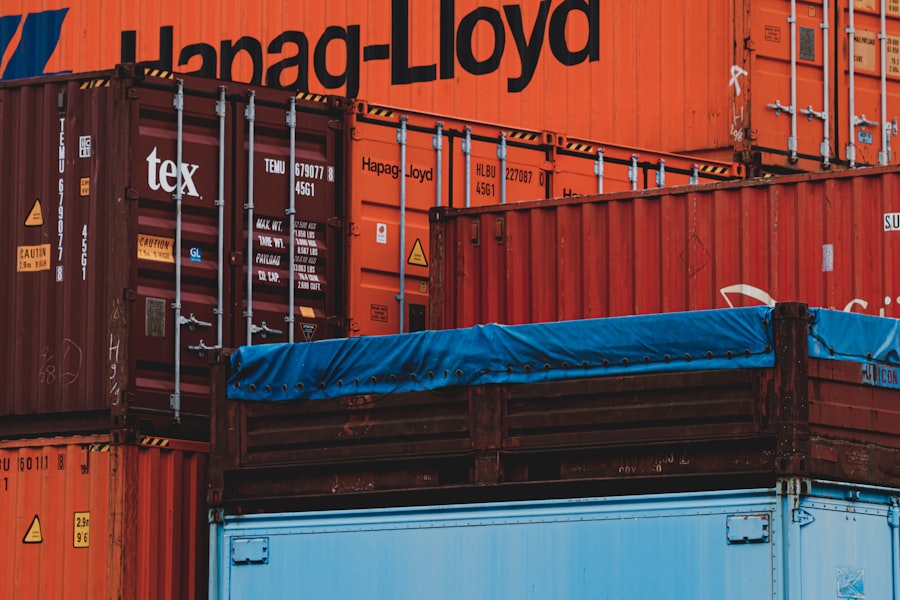
Beyond operational and structural weaknesses, supply chains are constantly exposed to a plethora of external shocks and environmental factors that can abruptly and severely disrupt their functioning. These events often lie outside the direct control of individual businesses but necessitate robust contingency planning.
Natural Disasters and Climate Change
The increasing frequency and intensity of extreme weather events, fueled by climate change, pose a significant and growing threat to supply chain stability. These events can devastate infrastructure, disrupt transportation, and impact resource availability.
- Geophysical events: Earthquakes, volcanic eruptions, and tsunamis can destroy manufacturing facilities, transportation hubs, and critical infrastructure, leading to widespread and long-lasting disruptions.
- Hydro-meteorological events: Floods, hurricanes, droughts, and severe storms can disrupt agricultural supply chains, damage infrastructure, and impede transportation, making it difficult to source raw materials or deliver finished goods.
- Long-term climate shifts: Gradual changes in climate patterns, such as rising sea levels or desertification, can alter agricultural yields, impact resource availability, and necessitate costly adaptations in infrastructure and operations.
Geopolitical Instability and Economic Volatility
The geopolitical landscape and global economic conditions exert a profound influence on trade routes, resource availability, and consumer demand, introducing substantial uncertainty into supply chain operations.
- Trade wars and protectionism: Imposition of tariffs, trade barriers, and sanctions can disrupt established trade flows, increase costs, and force companies to reconfigure their supply chains.
- Political instability and conflict: Civil unrest, armed conflicts, and governmental coups can severely disrupt local production, impede transportation, and create unsafe working conditions, impacting regional and global supply chains.
- Currency fluctuations and economic downturns: Volatile exchange rates can impact sourcing costs and profitability, while economic downturns can lead to sudden drops in consumer demand, requiring rapid adjustments in production and inventory.
Technological Risks and Cyber Threats
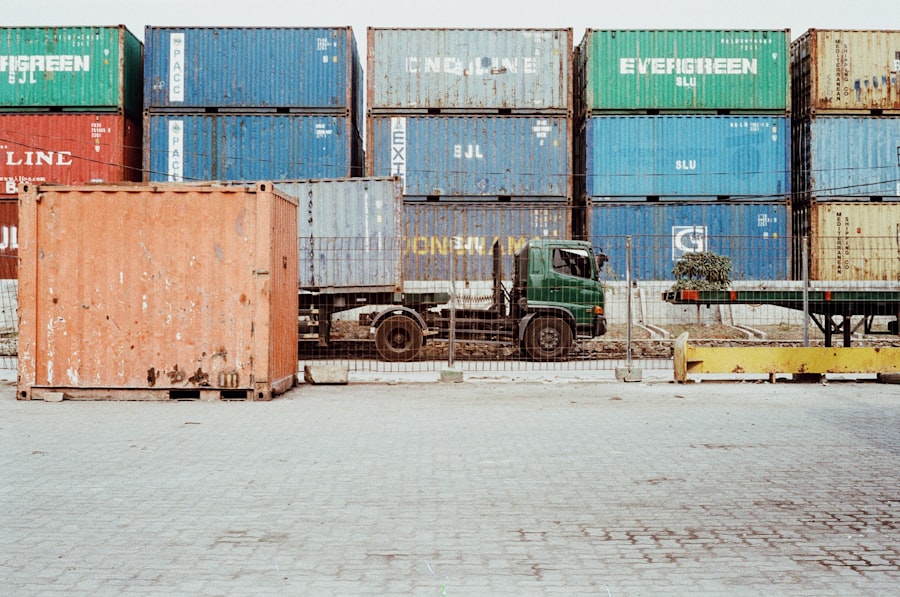
The pervasive integration of technology into every facet of modern supply chains, while driving efficiency, has simultaneously opened new avenues for disruption through technological failures and malicious cyberattacks. The digital infrastructure that powers global commerce is also its Achilles’ heel if not properly secured.
System Failures and Infrastructure Dependence
Modern supply chains are heavily reliant on complex IT systems, automation, and interconnected digital platforms. The failure of any of these components can have widespread ripple effects.
- IT system outages: Hardware failures, software bugs, or power outages can cripple critical systems, such as enterprise resource planning (ERP) systems, warehouse management systems (WMS), or transportation management systems (TMS), leading to operational paralysis.
- Reliance on outdated technology: Using legacy systems that are no longer supported or are difficult to integrate can create vulnerabilities and hinder the adoption of more resilient solutions. This is akin to building a modern house on a crumbling foundation.
- Interoperability challenges: Different systems and platforms within a complex supply chain may not communicate effectively, leading to data inconsistencies, errors, and inefficiencies, which can be exploited.
Cyberattacks and Data Breaches
The increasing digitization of supply chains makes them attractive targets for cybercriminals and state-sponsored actors seeking to disrupt operations, steal sensitive data, or gain competitive intelligence.
- Ransomware attacks: Malicious software that encrypts data and demands a ransom for its release can halt operations, cripple logistics, and severely impact supply chain functionality.
- Supply chain software attacks: Targeting the software used by suppliers or logistics providers can provide an entry point for attacks that propagate through the entire network, compromising data or disrupting operations across multiple organizations.
- Intellectual property theft: Cyberattacks can be used to steal proprietary designs, manufacturing processes, or other sensitive intellectual property, eroding competitive advantages and causing long-term damage.
- Data integrity attacks: Manipulation or corruption of supply chain data can lead to incorrect orders, misrouted shipments, or fraudulent activities, eroding trust and causing significant financial losses.
In recent discussions about the complexities of supply chain investigations, it’s interesting to note the insights shared in a related article that delves into the challenges faced by companies in maintaining transparency and efficiency. This article highlights various strategies that organizations can adopt to enhance their supply chain resilience. For more information, you can read the full piece here.
Strategies for Building Supply Chain Resilience
| Metric | Description | Typical Value | Unit | Importance |
|---|---|---|---|---|
| Lead Time | Time taken from order placement to delivery | 7-30 | Days | High |
| Inventory Turnover | Number of times inventory is sold and replaced | 4-8 | Times per year | Medium |
| Order Accuracy | Percentage of orders delivered correctly | 95-99 | Percent (%) | High |
| Supplier Defect Rate | Percentage of defective items from suppliers | 1-3 | Percent (%) | High |
| On-Time Delivery | Percentage of deliveries made on schedule | 90-98 | Percent (%) | High |
| Cost per Order | Average cost incurred per order processed | Variable | Units of currency | Medium |
| Return Rate | Percentage of products returned due to defects or issues | 2-5 | Percent (%) | Medium |
| Supply Chain Cycle Time | Total time to fulfill a customer request | 15-45 | Days | High |
Recognizing and understanding supply chain vulnerabilities is the first step towards mitigating them. The ultimate goal is to build resilient supply chains that can withstand and recover quickly from disruptions, transforming potential crises into manageable challenges.
Diversification and Redundancy
Moving away from single points of failure is a foundational principle for resilience. This involves strategically expanding options and creating backup mechanisms.
- Multi-sourcing: Engaging with multiple suppliers for critical components, even if it entails slightly higher costs, significantly reduces reliance on any single entity. This provides a safety net if one supplier faces issues.
- Geographic diversification of suppliers and facilities: Spreading production and sourcing across different geographical regions minimizes exposure to localized risks مثل natural disasters or regional conflicts.
- Buffer stock and strategic inventory: While JIT offers cost benefits, maintaining a reasonable level of safety stock for critical items can provide a crucial buffer against short-term disruptions, allowing time to react and find alternative solutions. This is not about hoarding, but about intelligent, risk-informed inventory management.
Enhancing Visibility and Information Sharing
A well-lit path is easier to navigate than one cloaked in shadow. Improving transparency and the flow of accurate, real-time information throughout the supply chain is paramount.
- End-to-end supply chain mapping: Gaining a comprehensive understanding of all tiers of suppliers, sub-suppliers, and logistics providers is essential. This often requires engaging directly with tier-one suppliers to understand their own supply networks.
- Implementing advanced analytics and AI: Leveraging data analytics, artificial intelligence, and machine learning can help identify patterns, predict potential disruptions, and provide proactive insights into supply chain health.
- Collaborative information platforms: Establishing shared digital platforms and protocols for information exchange among supply chain partners can break down silos and facilitate real-time communication and coordination during disruptions. Blockchain technology, for example, offers potential for immutable and transparent record-keeping across a distributed network.
Robust Risk Management and Contingency Planning
Proactive preparation for potential disruptions is crucial. This involves not only identifying risks but also developing concrete plans to address them.
- Risk assessment and scenario planning: Regularly assessing potential risks, their likelihood, and their potential impact on the supply chain. Conducting scenario planning exercises (e.g., “what if” simulations of a major supplier failure or a political crisis) can help identify weaknesses and refine response plans.
- Developing business continuity plans (BCPs) and disaster recovery plans (DRPs): Comprehensive plans that outline procedures for maintaining critical business functions during and after a significant disruption. This includes identifying alternative sources, establishing emergency communication protocols, and outlining recovery steps.
- Supply chain stress testing: Periodically subjecting the supply chain to simulated disruptions to assess its resilience and identify areas for improvement. This allows organizations to test their plans in a controlled environment before a real crisis hits.
- Building strong supplier relationships: Fostering strong, collaborative relationships with key suppliers extends beyond mere transactional interactions. Trust and open communication with suppliers can be invaluable during times of crisis, facilitating quicker responses and shared problem-solving.
In conclusion, the complexity and interconnectedness of modern supply chains present a landscape riddled with potential vulnerabilities. From the architectural choices of global sourcing and lean inventories to the external pressures of natural disasters and cyber threats, each element contributes to the overall risk profile. However, by embracing a proactive and systematic approach – one that prioritizes diversification, enhances visibility, and embeds robust risk management and contingency planning – organizations can transform these vulnerabilities into opportunities for enhanced resilience and competitive advantage. The journey towards a truly resilient supply chain is an ongoing one, demanding continuous vigilance, adaptation, and investment in understanding the beating arteries of global commerce.
FAQs
What is a supply chain investigation?
A supply chain investigation is a detailed examination of the processes, entities, and activities involved in the production and distribution of goods. It aims to identify inefficiencies, risks, compliance issues, or disruptions within the supply chain.
Why is supply chain investigation important?
Supply chain investigations help organizations ensure transparency, improve operational efficiency, mitigate risks such as fraud or delays, and maintain compliance with regulations. They also support better decision-making and enhance overall supply chain resilience.
What methods are used in supply chain investigations?
Common methods include data analysis, supplier audits, process mapping, risk assessments, and the use of technology such as blockchain or tracking software to trace product origins and movements throughout the supply chain.
Who typically conducts supply chain investigations?
Supply chain investigations can be conducted by internal teams such as supply chain managers or compliance officers, or by external parties including consultants, auditors, or regulatory agencies depending on the scope and purpose of the investigation.
What are common challenges faced during supply chain investigations?
Challenges include data availability and accuracy, complexity of global supply networks, lack of transparency from suppliers, varying regulatory requirements across regions, and difficulties in coordinating among multiple stakeholders.