
The integrity of financial markets hinges on the principle of fair play, where all participants operate under the same rules and information. However, instances of stock market manipulation reveal a darker underbelly, where certain actors attempt to distort prices for personal gain, undermining market efficiency and investor confidence. This article endeavors to illuminate the various methods by which traders bend, and sometimes break, the rules, providing a comprehensive overview of these illicit practices.
Market manipulation in the stock market can be conceptualized as an artificial intervention designed to mislead other market participants. It is distinct from legitimate trading strategies, which aim to profit from genuine market movements or superior analysis. The core objective of manipulation is to create a false impression of supply, demand, or price, thereby inducing others to trade at disadvantageous prices.
The Motivations Behind Manipulation
Several factors drive individuals or groups to engage in market manipulation. Primarily, the desire for illicit financial gain is the most potent motivator. This gain can manifest in numerous ways, from profiting off a rapidly inflated stock price to avoiding losses through the suppression of a stock’s value. Beyond direct financial incentives, manipulative actors might also seek to:
- Influence corporate control: By artificially depressing a company’s stock price, an aspiring acquirer might make a hostile takeover more feasible or cheaper. Conversely, inflating a stock might fend off a hostile bid.
- Enhance personal reputation: Though less common, a manipulator might attempt to create the impression of exceptional trading prowess, even if based on illicit means, to attract clients or enhance their standing within certain circles.
- Retaliation or sabotage: In rare instances, manipulation might be employed as a form of financially damaging retaliation against a specific company or individual.
The Legal Framework Against Manipulation
Most jurisdictions, including the United States with the Securities Exchange Act of 1934 and the United Kingdom with the Financial Services and Markets Act 2000, have robust legal frameworks designed to prevent and prosecute market manipulation. These laws typically prohibit deceptive or manipulative practices in connection with the purchase or sale of securities. Regulatory bodies, such as the Securities and Exchange Commission (SEC) in the US and the Financial Conduct Authority (FCA) in the UK, are tasked with enforcing these provisions. Violators face severe penalties, including hefty fines, imprisonment, and disgorgement of ill-gotten gains.
Stock market manipulation is a serious issue that can undermine investor confidence and disrupt market integrity. For those interested in understanding the various tactics used in such manipulative practices, a related article can provide valuable insights. You can read more about this topic in the article found at this link.
Common Techniques of Stock Market Manipulation
The methods employed by manipulators are diverse and constantly evolving, adapting to technological advancements and regulatory changes. However, several core techniques have persisted, often forming the basis for more sophisticated schemes.
“Pump and Dump” Schemes
This classic form of manipulation involves artificially inflating the price of a stock through false and misleading positive statements, often through widespread dissemination, before selling off the cheaply acquired shares at the inflated price. This leaves unsuspecting investors with devalued shares.
- The “Pump” Phase: Manipulators acquire a significant stake in a low-volume, often penny, stock. They then disseminate overly optimistic and often fabricated information about the company through press releases, online forums, social media, or other communication channels. This creates a buzz and attracts uninformed investors, driving up demand and consequently, the stock price. Imagine a siren call luring ships onto treacherous rocks; the enticing sound distracts from the impending danger.
- The “Dump” Phase: Once the stock price reaches a predetermined target or the manipulators perceive sufficient interest, they rapidly sell off their holdings, often within a short timeframe. This sudden influx of sell orders overwhelms the artificially created demand, causing the stock price to plummet, often to levels below its initial manipulated price. Those who bought into the “pump” are left holding the proverbial bag, facing substantial losses.
“Spoofing” and “Layering”
These techniques involve placing large, non-bonafide orders to create a false impression of supply or demand, which are then canceled before execution. The goal is to trick other traders into reacting to these phantom orders.
- Spoofing Defined: A spoofer places a large order on one side of the order book (e.g., a large buy order) intending to cancel it before it is filled. The presence of this large order can temporarily shift the perceived supply-demand balance, influencing other market participants to place their own orders. This might induce genuine traders to sell into a seemingly strong buy wall, or buy into a weak sell wall, only for the large “spoof” order to vanish.
- Layering Explained: Layering is a more sophisticated form of spoofing where multiple non-bonafide orders are placed at different price levels, creating layers of artificial depth in the order book. This further exaggerates the false impression of supply or demand and can be even more effective in misleading automated trading algorithms and human traders. It’s like stacking a deck of cards, creating an illusion of a strong hand where none truly exists.
Wash Trading
Wash trading involves simultaneously buying and selling the same security to create a false impression of trading activity and liquidity. The manipulator is both the buyer and the seller, essentially trading with themselves.
- The Illusion of Volume: By conducting numerous wash trades, manipulators can artificially inflate the trading volume of a stock. This can make the stock appear more active and liquid than it truly is, attracting genuine investors who are looking for readily tradable securities. A bustling marketplace, seemingly full of activity, could in fact be dominated by a single vendor moving goods from one shelf to another.
- Price Manipulation through Wash Trading: While the direct effect on price is limited by trading with oneself, wash trades can be used in conjunction with other manipulative techniques. For example, a manipulator might execute wash trades at incrementally higher prices to create an upward trend before initiating a “pump and dump” or a more complex scheme.
Sophisticated Schemes and the Digital Age
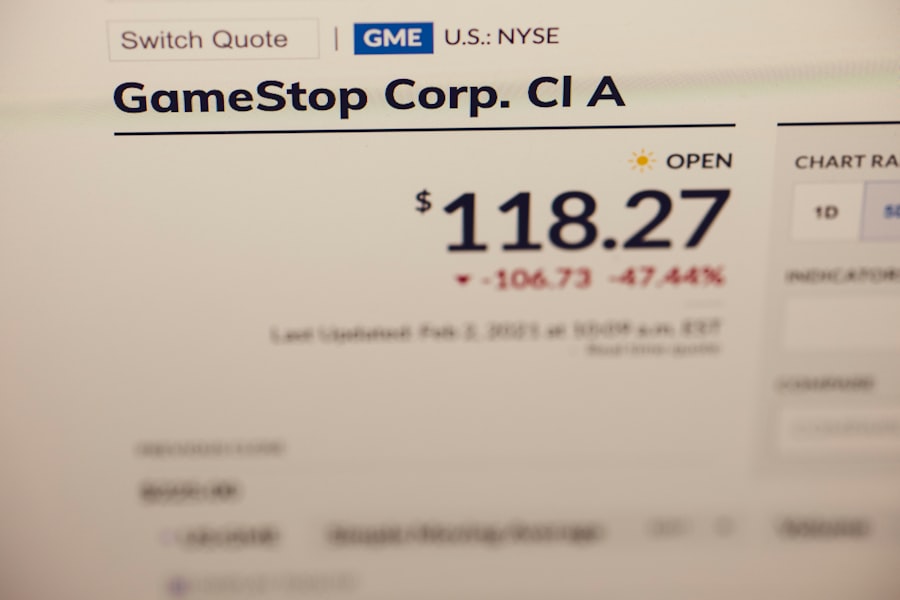
As technology advances, so too do the sophistication and reach of manipulative schemes. The digital age has introduced new avenues and amplified the impact of traditional methods.
Algorithmic Manipulation
The proliferation of high-frequency trading (HFT) and algorithmic trading has opened new frontiers for manipulation. Sophisticated algorithms can be programmed to execute manipulative strategies with unprecedented speed and precision, exploiting microseconds of market inefficiencies.
- Quote Stuffing: This involves rapidly placing and canceling a large number of orders to flood the market with excessive data, potentially slowing down exchanges or creating an unfair disadvantage for other traders. It’s akin to deliberately creating a traffic jam on a digital highway.
- Quote Fading: A more subtle form where an algorithm places orders with the intent to cancel them just before they are executed if a better price becomes available, effectively “fading” away from unfavorable trades. This can create a false impression of liquidity at certain price points.
Social Media Manipulation
The widespread adoption of social media platforms has provided a fertile ground for manipulators to disseminate false information and coordinate schemes.
- “Gab and Grab” or “Chat Room” Schemes: Similar to “pump and dump,” but often organized and executed within private or public online forums, chat rooms, and messaging apps. Manipulators identify a target stock, often a thinly traded one, and then coordinate their buying efforts while simultaneously hyping the stock to unsuspecting retail investors joining the same groups. The rapid, coordinated buying creates a spike in prices, allowing the instigators to “grab” their profits.
- Influencer-Led Manipulation: Individuals with a significant online following (social media influencers) can be paid or incentivized to promote certain stocks without disclosing their affiliations or the potential for manipulation. Their followers, trusting the influencer’s judgment, may then invest, unknowingly participating in a manipulative scheme. This transforms a trusted voice into a Trojan horse, delivering financial damage to their audience.
The Impact on Market Integrity and Investors
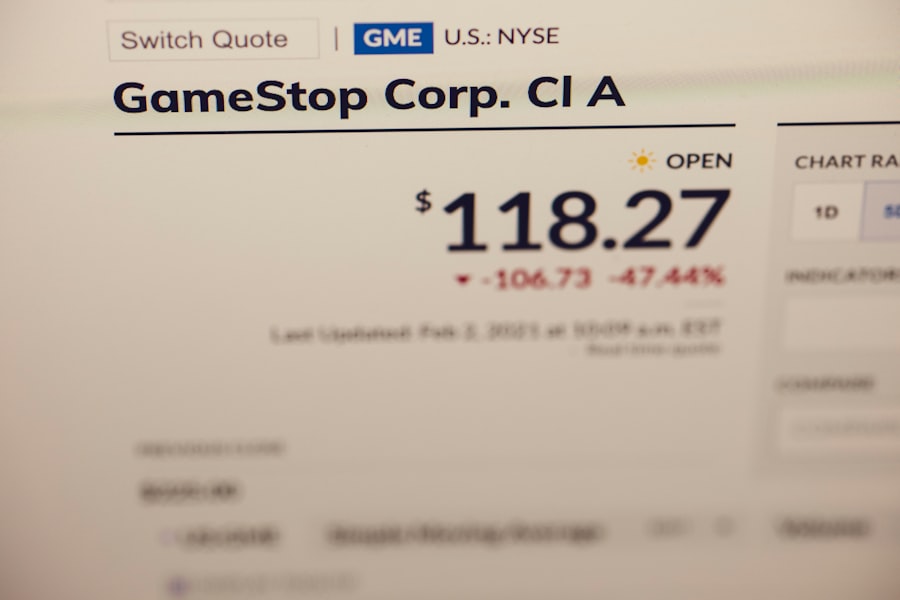
Market manipulation inflicts significant damage not only on individual investors but also on the overall health and perception of financial markets.
Eroding Investor Confidence
Every instance of market manipulation chips away at the trust that investors place in the fairness and transparency of the financial system. When individuals perceive that the market is rigged or that some players operate with unfair advantages, they become more hesitant to invest, or they demand higher risk premiums. This can lead to a reduction in overall market participation, a decrease in liquidity, and an increase in capital flight.
Distorting Price Discovery
The fundamental role of a well-functioning market is efficient price discovery, meaning that asset prices accurately reflect all available information. Manipulation, by its very nature, distorts this process, creating artificial prices that do not reflect true supply and demand or intrinsic value. This misallocation of capital can have broader economic consequences, directing investment away from productive enterprises and towards speculative bubbles.
Unfair Redistribution of Wealth
At its heart, market manipulation is a zero-sum game, or often, a negative-sum game for the victims. The profits garnered by manipulators come directly from the losses incurred by unsuspecting investors. This unfair redistribution of wealth entrenches inequalities and creates a perception of injustice within the financial system, fueling cynicism and resentment.
Stock market manipulation is a serious issue that can undermine investor confidence and disrupt market integrity. For those interested in understanding the various tactics employed by manipulators, a related article provides valuable insights into the different forms of market manipulation and their implications. You can read more about it in this informative piece on market manipulation, which explores the legal and ethical considerations surrounding this complex topic.
Detecting and Preventing Manipulation
| Metric | Description | Example Value | Unit |
|---|---|---|---|
| Pump and Dump Cases | Number of reported pump and dump schemes in a year | 120 | Cases per year |
| Insider Trading Incidents | Reported incidents of insider trading related to stock manipulation | 85 | Incidents per year |
| Market Manipulation Fines | Total fines imposed by regulatory bodies for manipulation | 45000000 | USD |
| Average Price Distortion | Average percentage deviation from fair market price due to manipulation | 15 | Percent |
| Duration of Manipulation | Average length of time manipulation schemes last before detection | 3 | Months |
| Number of Affected Stocks | Count of stocks impacted by manipulation schemes annually | 200 | Stocks |
Regulatory bodies, exchanges, and market participants are constantly striving to enhance their ability to detect and prevent manipulative practices.
Enhanced Surveillance and Technology
Regulators and exchanges employ sophisticated surveillance systems, often leveraging artificial intelligence and machine learning, to monitor trading activity for suspicious patterns. These systems can analyze vast amounts of data in real-time, identifying unusual order placements, rapid price movements without corresponding news, or coordinated trading activity across multiple accounts.
Whistleblower Programs
Many regulatory bodies operate whistleblower programs that incentivize individuals with knowledge of securities law violations, including market manipulation, to come forward. These programs offer financial rewards and protection to whistleblowers, providing a critical source of intelligence for investigations.
Investor Education and Due Diligence
Perhaps the most potent defense against manipulation lies in an informed and vigilant investor base. By understanding the common tactics of manipulators and exercising due diligence before making investment decisions, individuals can significantly reduce their vulnerability. This includes:
- Skepticism towards unsolicited advice: Be wary of investment tips from unknown sources, especially those promising guaranteed high returns or urging immediate action.
- Thorough research: Before investing, conduct independent research into the company, its financials, and its industry. Do not rely solely on information provided by a single source.
- Understanding liquidity: Be cautious of thinly traded stocks that can be more susceptible to manipulation due to their lower trading volume.
- Reporting suspicious activity: If you encounter what you believe to be manipulative behavior, report it to the relevant regulatory authorities.
The battle against stock market manipulation is an ongoing one, a relentless game of cat and mouse between those who seek to exploit the system and those dedicated to its integrity. While the methods of manipulation may evolve, the underlying principle remains constant: to profit dishonestly by creating a false impression of market reality. For market participants, understanding these tactics is not merely an academic exercise; it is an essential shield against financial deceit, a compass guiding them through the tempestuous seas of the stock market.
FAQs
What is stock market manipulation?
Stock market manipulation refers to deliberate actions taken by individuals or groups to interfere with the free and fair operation of the stock market. These actions aim to create artificial, false, or misleading appearances of stock prices or trading volumes to deceive investors.
What are common types of stock market manipulation?
Common types include pump and dump schemes, where manipulators artificially inflate a stock’s price before selling off; spoofing, which involves placing fake orders to mislead other traders; and wash trading, where the same entity buys and sells the same stock to create misleading activity.
Is stock market manipulation illegal?
Yes, stock market manipulation is illegal in most jurisdictions. Regulatory bodies such as the U.S. Securities and Exchange Commission (SEC) actively monitor and prosecute cases of manipulation to protect investors and maintain market integrity.
How can investors protect themselves from stock market manipulation?
Investors can protect themselves by conducting thorough research, being cautious of unusually high or volatile stock prices, avoiding unsolicited investment advice, and using reputable brokers. Staying informed about regulatory warnings and market news also helps in identifying potential manipulation.
What role do regulatory agencies play in preventing stock market manipulation?
Regulatory agencies monitor trading activities, investigate suspicious behavior, enforce securities laws, and impose penalties on offenders. They also provide education and resources to help investors recognize and avoid manipulative schemes.