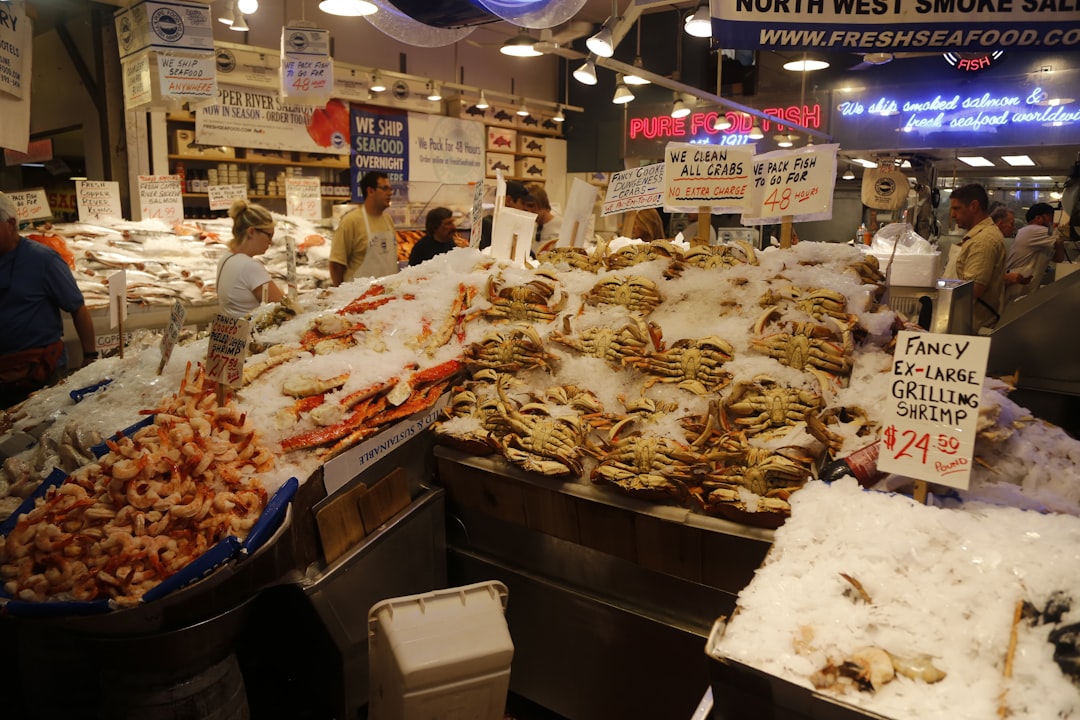
Investigative journalism acts as a crucial sentinel, guarding the public against deceptive practices that can permeate even the most seemingly transparent industries. The seafood industry, a global powerhouse of commerce and sustenance, is unfortunately not immune to these malpractices. Time and again, investigative reports have peeled back the veneer of legitimacy to unveil a complex web of seafood fraud, leaving consumers unknowingly purchasing mislabeled, adulterated, or unsustainably sourced products. This article delves into the world of uncovering seafood fraud, exploring its multifaceted nature, the methods employed by investigative journalists to expose it, and the far-reaching consequences for consumers, businesses, and the marine environment.
Seafood fraud is not a niche problem; it is a systemic issue that infiltrates supply chains from the fishing grounds to the consumer’s plate. Its presence undermines trust and can have serious repercussions. You can learn more about the issue of shrimp slavery in this informative video.
Defining Seafood Fraud
Seafood fraud encompasses a range of deceptive practices designed to mislead consumers about the origin, identity, or quality of seafood products. This can manifest in various forms, each with its own unique set of implications.
Mislabeling of Species
One of the most prevalent forms of seafood fraud involves replacing a more expensive or desirable fish species with a cheaper, inferior one. This is akin to finding a gold nugget in your cereal box, only to discover it’s merely painted brass. For instance, studies have repeatedly shown that sushi advertised as tuna is often a different species entirely, such as escolar (known for its laxative effects) or sailfish. Similarly, expensive white fish like cod or halibut can be substituted with less valuable alternatives like hake or pollock. This deception not only defrauds consumers financially but can also pose health risks, especially for individuals with allergies or sensitivities to the substituted species.
Misrepresentation of Origin
Beyond species substitution, the geographical origin of seafood is another fertile ground for fraud. Fish caught in heavily polluted waters or from unsustainable fishing practices may be deliberately mislabeled to suggest a cleaner, more environmentally responsible source. This is like a wolf in sheep’s clothing, hiding its true nature beneath a guise of innocence. Consumers are increasingly concerned about the provenance of their food, seeking out sustainably caught or locally sourced options. Fraudulent origin claims exploit this desire, allowing producers to bypass regulations and charge premium prices under false pretenses. Reports have documented instances of farmed salmon from unregulated countries being marketed as wild-caught from pristine Alaskan waters.
Adulteration and Processing Deception
Seafood can also be adulterated or its processing misrepresented. This can include adding water or other fillers to increase weight, or using excessive glazes that are not accurately disclosed. Sometimes, the intended processing is also a subject of deception. For example, “imitation crab meat,” while a widely recognized product, can sometimes be deceptively marketed to obscure its processed nature or its reliance on less desirable fish species. The challenge here is that the average consumer lacks the palate or the scientific tools to discern these subtle alterations without expert intervention.
False Claims of Sustainability
In an era of heightened environmental awareness, claims of sustainable sourcing have become a powerful marketing tool. Unfortunately, these claims can also be a vehicle for fraud. Seafood certified as sustainable is often caught using methods that are, in reality, damaging to marine ecosystems or rely on overfished stocks. This is like buying a product with a rainbow sticker, only to find it was manufactured under a cloud of environmental destruction. The Seafood Watch program and other organizations work to verify sustainability claims, but fraudulent certifications can slip through the cracks, creating a false sense of security for conscious consumers.
The Economic and Health Implications
The financial losses incurred by consumers due to seafood fraud are substantial. Beyond the immediate monetary loss, these deceptive practices erode consumer confidence, making people hesitant to purchase seafood altogether.
Financial Exploitation of Consumers
When consumers pay for a premium product and receive a cheaper substitute, they are being directly defrauded. The cumulative effect of these individual deceptions amounts to millions of dollars lost by consumers annually worldwide. This economic exploitation creates an uneven playing field for honest businesses that adhere to ethical sourcing and labeling practices.
Health Risks Associated with Mislabeling
The health implications of seafood fraud can be severe. As mentioned, allergic reactions are a significant concern. Furthermore, mislabeled fish may come from waters with higher levels of contaminants, such as heavy metals or persistent organic pollutants, posing long-term health risks. The lax regulatory environments in some origin countries may also mean that fish are produced with less stringent food safety standards, potentially exposing consumers to harmful bacteria or pathogens.
Investigative journalism plays a crucial role in uncovering seafood fraud, a pervasive issue that affects consumers and the environment alike. A compelling article that delves into this topic can be found at this link, where it explores the various methods used by fraudsters to mislabel fish products and the impact of these practices on public health and marine ecosystems. By shedding light on these deceptive practices, investigative journalism helps to promote transparency and accountability in the seafood industry.
The Investigative Journalist’s Toolkit
Investigative journalists employ a diverse array of methodologies to unmask seafood fraud, often requiring patience, persistence, and a keen eye for detail. They are like detectives in a culinary mystery, piecing together clues that others overlook.
On-the-Ground Investigations
This involves direct engagement with the supply chain, from docks to restaurants, to observe practices firsthand. It is the bedrock of investigative journalism, providing a visceral understanding of the issues at play.
Vetting Supply Chains
Journalists meticulously trace the journey of seafood from its point of origin. This can involve visiting fishing fleets, processing plants, distributors, and retail outlets to identify discrepancies in labeling and documentation. They look for inconsistencies, such as different species being processed on the same line without proper segregation, or labeling that changes as the product moves through the supply chain.
Undercover Operations
In some cases, journalists may go undercover to gain access to sensitive information or to witness fraudulent activities directly. This is a high-risk, high-reward strategy that can provide irrefutable evidence. Posing as buyers or employees allows journalists to observe practices that are deliberately hidden from public view, revealing the inner workings of deceptive operations.
Interviews with Stakeholders
Gathering testimony from a wide range of individuals is crucial. This includes interviewing fishermen and seafood workers who may have insider knowledge of fraudulent practices, as well as consumers who have been affected. They also interview regulatory officials and scientists to understand the legal frameworks and the scientific evidence surrounding seafood fraud.
Scientific Analysis and Forensic Methods
Beyond direct observation, investigative journalism increasingly relies on scientific techniques to provide concrete evidence of fraud. This is where the “whodunit” aspect takes a scientific turn.
DNA Testing and Species Identification
Molecular techniques, particularly DNA barcoding, have become an indispensable tool in combating seafood fraud. By analyzing the DNA of seafood products, journalists can definitively identify the species present, regardless of whether it has been mislabeled or disguised. This method is like a fingerprint for fish, uniquely identifying each species. Numerous studies have used DNA testing to expose widespread mislabeling in restaurants and supermarkets.
Isotope Analysis for Origin Verification
Stable isotope analysis can help determine the geographical origin of seafood by examining the ratios of different isotopes of elements like carbon and nitrogen in the fish’s tissues. These isotopic signatures vary depending on the water chemistry and food web of a particular region. This scientific lens allows journalists to verify or refute claims about where the fish was caught.
Chemical and Trace Element Analysis
Advanced chemical analysis can detect the presence of undeclared additives, contaminants, or evidence of processing techniques that have been concealed. This might include identifying artificial flavorings, excessive amounts of phosphates used for water retention, or traces of illegal dyes.
Data Analysis and Document Review
Investigative journalists also scrutinize vast amounts of data and official documents to uncover patterns and discrepancies. This is the meticulous work of sifting through mountains of paper to find the critical piece of evidence.
Examining Import/Export Records
By analyzing trade data, journalists can identify unusual trading patterns, discrepancies in reported volumes, or a significant import of species that are not native to a region. This can highlight potential points of deception.
Reviewing Laboratory Reports and Inspection Documents
Accessing and analyzing reports from food safety inspections, import inspections, and independent laboratory tests can reveal patterns of non-compliance or manipulated findings. Often, these documents can be obtained through Freedom of Information Act requests or other public records laws.
Financial Record Analysis
In some instances, scrutinizing the financial records of seafood companies can reveal transactions that are indicative of fraudulent activity, such as payments to shell companies or unusual pricing structures.
Case Studies: Unmasking Deception

Numerous high-profile investigations have shed light on the pervasive nature of seafood fraud. These real-world examples serve as stark reminders of the need for vigilance.
European Union’s Seafood Defrauding Incidents
Across Europe, investigations have consistently revealed widespread mislabeling. For instance, a major study in the UK found that a significant percentage of fish sold as cod was actually another species, and that tuna sold as “tuna steak” was often a cheaper variety. Similarly, Italy and Spain have seen their own share of publicized seafood fraud cases, highlighting the pan-European challenge. These incidents have often triggered regulatory reviews and increased consumer awareness.
The United States’ Seafood Watch Initiatives
Organizations like Monterey Bay Aquarium’s Seafood Watch have played a pivotal role in educating consumers about sustainable seafood choices. Their extensive research and advisory lists have often been informed by, and have in turn spurred, journalistic investigations into fraudulent practices, particularly concerning mislabeling and unsustainable sourcing. These initiatives act as a beacon, guiding consumers through the murky waters of seafood claims.
Global Supply Chain Vulnerabilities
Investigations have also exposed how global supply chains, with their intricate networks of intermediaries and international borders, create fertile ground for fraud. The sheer volume of seafood traded globally makes it challenging for any single entity to monitor every step. This interconnectedness means that a problem in one part of the world can quickly ripple through to consumers elsewhere.
The Role of Legislation and Consumer Empowerment
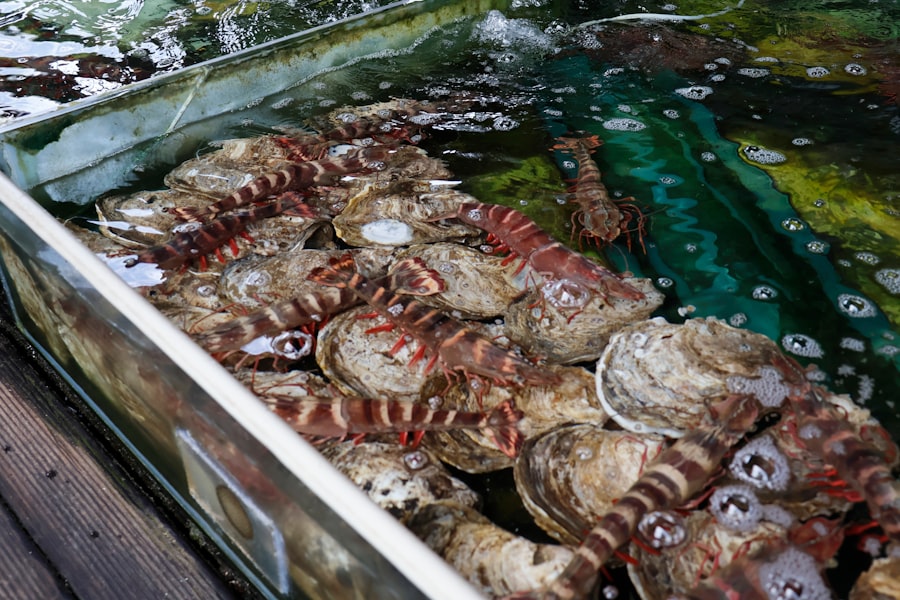
The fight against seafood fraud is a multi-pronged effort, requiring both robust legislation and an informed, empowered consumer base. Laws serve as the fence, while consumer awareness is the watchful eye.
Strengthening Regulatory Frameworks
Governments play a critical role in establishing and enforcing laws that mandate accurate seafood labeling and prohibit deceptive practices. This includes implementing rigorous inspection protocols, imposing meaningful penalties for violations, and fostering international cooperation to combat cross-border fraud. The effectiveness of these regulations hinges on proactive enforcement rather than reactive measures.
Traceability Requirements
Implementing comprehensive traceability systems, from catch to sale, is crucial. These systems allow for the tracking of seafood throughout the supply chain, making it harder for fraudulent actors to introduce mislabeled products. Blockchain technology, for example, is being explored as a means to enhance seafood traceability.
International Cooperation and Harmonization
Seafood fraud is a global issue, necessitating international collaboration between governments and regulatory bodies. Harmonizing labeling standards and enforcement strategies across countries can help create a more unified front against deceptive practices that exploit international trade.
Consumer Education and Advocacy
An informed consumer is a powerful deterrent to fraud. Educational campaigns that highlight common types of seafood fraud, teach consumers how to identify red flags, and promote the use of reputable resources can empower individuals to make smarter purchasing decisions. Consumer advocacy groups can also exert pressure on businesses and governments to enact and enforce stricter regulations.
Reading Labels Critically
Consumers are encouraged to look beyond attractive packaging and critically examine seafood labels. This includes scrutinizing species names, origin information, and any sustainability claims. When in doubt, seeking clarification from the seller or opting for well-known, reputable sources is advisable.
Supporting Ethical Businesses
By consciously choosing to purchase seafood from businesses that demonstrate transparency and a commitment to ethical sourcing, consumers can directly influence market demand. Supporting restaurants and retailers that actively verify their seafood supply chains sends a clear message that fraudulent practices will not be tolerated.
Investigative journalism plays a crucial role in uncovering seafood fraud, a pervasive issue that affects consumers and the environment alike. A recent article highlights the alarming extent of this problem and the efforts being made to combat it. For those interested in learning more about the intricacies of seafood fraud and its implications, you can read the full piece here: this informative article. By shedding light on these deceptive practices, investigative reporters help ensure that consumers can make informed choices about the seafood they purchase.
The Future of Combating Seafood Fraud
| Metric | Value | Description |
|---|---|---|
| Percentage of Seafood Samples Tested | 30% | Proportion of seafood products tested for authenticity in investigative studies |
| Incidence of Seafood Fraud | 25% | Percentage of tested samples found to be mislabeled or substituted |
| Common Fraud Types | Species Substitution, Mislabeling | Most frequent types of fraud detected in seafood products |
| Top Fraudulent Species | Snapper, Tuna, Salmon | Seafood species most commonly involved in fraud cases |
| Average Price Difference | 15% | Average price difference between authentic and fraudulent seafood products |
| Number of Investigative Reports Published | 50+ | Number of major investigative journalism reports on seafood fraud in the last 5 years |
| Regulatory Actions Taken | 120 | Number of enforcement actions or recalls following investigative journalism findings |
As technology advances and our understanding of marine ecosystems deepens, new avenues for combating seafood fraud are emerging. The battle is ongoing, and innovation is key.
Technological Innovations in Verification
Emerging technologies, such as artificial intelligence for image recognition of fish species, advanced DNA sequencing techniques, and blockchain-based traceability platforms, hold significant promise for enhancing the accuracy and efficiency of seafood verification. These tools can automate certain checks and provide a more robust audit trail.
The Evolving Role of Investigative Journalism
Investigative journalism will continue to be an essential watchdog, uncovering new forms of fraud and holding powerful industry players accountable. As supply chains become more complex and globalized, the investigative reporter’s role in shining a light on hidden malpractices will only become more critical. They will need to adapt to new technologies and find innovative ways to access information.
Building a Transparent and Sustainable Seafood Future
Ultimately, the goal is to foster a seafood industry that is both transparent and sustainable. This requires a collective effort from journalists, regulators, industry stakeholders, and consumers to ensure that the seafood we consume is what it claims to be, is safe to eat, and is sourced in a way that protects our oceans for future generations. The path forward is one of continuous vigilance and a commitment to ethical practices throughout the entire seafood value chain.
FAQs
What is seafood fraud?
Seafood fraud refers to the mislabeling or deceptive marketing of seafood products, where the species, origin, or quality of the seafood is intentionally misrepresented to consumers.
How does investigative journalism help uncover seafood fraud?
Investigative journalism uses in-depth research, undercover reporting, and scientific testing to expose fraudulent practices in the seafood industry, bringing awareness to illegal or unethical activities.
What are common types of seafood fraud revealed by investigations?
Common types include species substitution (selling cheaper fish as more expensive varieties), mislabeling geographic origin, and falsifying sustainability certifications.
Why is seafood fraud a significant issue?
Seafood fraud undermines consumer trust, poses health risks, harms sustainable fishing efforts, and negatively impacts honest fishermen and businesses.
How can consumers protect themselves from seafood fraud?
Consumers can buy seafood from reputable sources, look for verified certifications, ask questions about the product’s origin, and stay informed through reports and investigations on seafood authenticity.