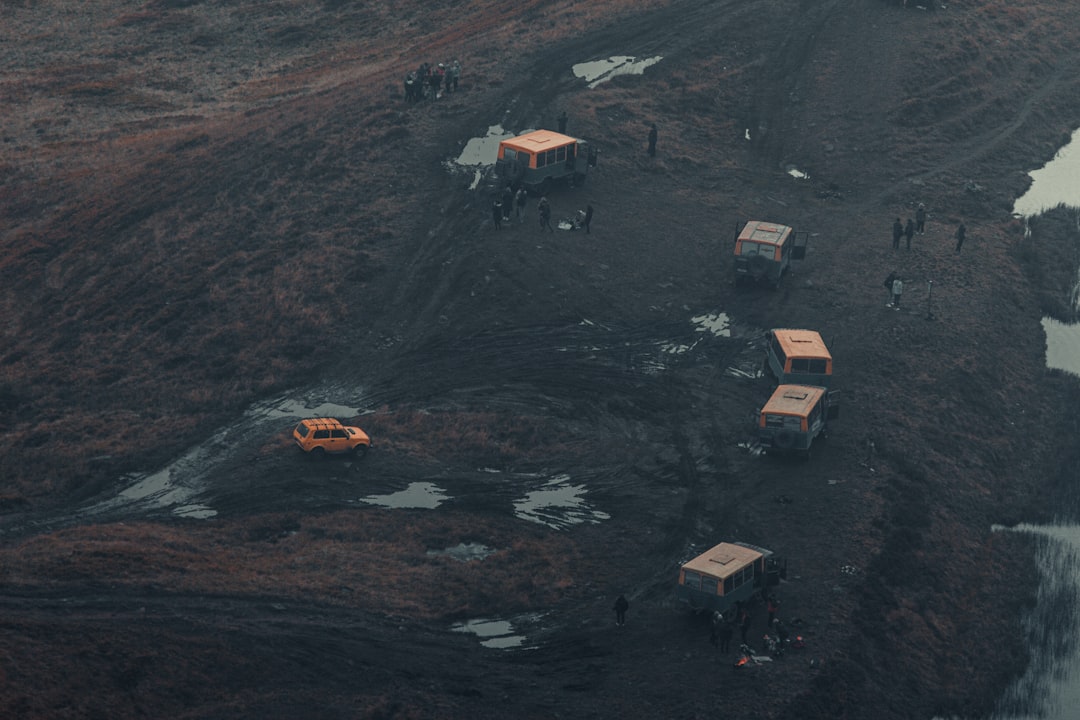
The extraction of sand, a seemingly innocuous commodity, has become a nexus of significant corruption in many developing nations. This article will delve into the multifaceted issue of sand mining corruption, examining its pervasive nature and devastating consequences.
A Foundation for Development
The insatiable global appetite for sand is inextricably linked to urban expansion and infrastructure development. From the foundations of skyscrapers to the roads that connect communities, sand is a primary building material. This demand, however, is not evenly matched by sustainable supply, creating fertile ground for illicit and exploitative practices.
The Accelerating Pace of Urbanization
Developing nations, in particular, are experiencing rapid urbanization. Millions are migrating to cities, demanding housing, transportation networks, and public utilities. Meeting these material needs places immense pressure on natural resources, with sand extraction often prioritized over environmental safeguards and regulatory oversight.
The Construction Boom and its Shadow
The accompanying construction boom, while indicative of economic progress, often operates with a significant shadow. The drive to build quickly and cheaply can lead to cutting corners, where the sourcing of materials like sand is subject to less scrutiny. This vulnerability is exploited by those seeking to profit from unregulated or illegally extracted sand.
Sand mining corruption in developing nations has become a pressing issue, as it often leads to environmental degradation and exploitation of local communities. A related article that delves into the complexities of this issue can be found at Hey Did You Know This, where it explores the various dimensions of corruption in the sand mining industry and its impact on both the economy and the environment.
The Mechanics of Sand Mining Corruption
State Capture and Regulatory Failure
At the heart of sand mining corruption lies the failure of state institutions to effectively regulate and control the industry. This can manifest as outright corruption, where officials are bribed to ignore illegal activities, or through systemic weaknesses, where regulatory frameworks are inadequate, understaffed, or poorly enforced.
The Role of Bribes and Facilitation Payments
In many developing countries, facilitation payments and outright bribes are commonplace. These payments grease the wheels of bureaucracy, allowing illegal sand miners to operate with impunity. Permits may be issued for areas where extraction is banned, or environmental impact assessments may be faked or overlooked. The economic incentives for corrupt officials can be substantial, given the high value of illicitly extracted sand.
Weak Enforcement and Lack of Accountability
Even when regulations do exist, enforcement is often weak. This can be due to a lack of resources, limited personnel, or deliberate inaction driven by corrupt influence. Without the threat of meaningful penalties, sand miners face little deterrent. A lack of accountability further entrenches these practices, as perpetrators are rarely brought to justice.
Illegal Mining Operations and “Sand Mafias”
The demand for sand fuels the proliferation of illegal mining operations. These operations often operate outside the legal framework, neglecting environmental regulations and labor laws. In some regions, these illegal mining activities have coalesced into organized criminal networks, often referred to as “sand mafias.”
Unlicensed Extraction and Environmental Degradation
Illegal mining operations are by definition unlicensed. This means they bypass any environmental impact assessments, safety protocols, or community consultation processes. The consequence is often severe environmental degradation, including riverbank erosion, habitat destruction, and damage to water quality.
The Extent of “Sand Mafias”
The term “sand mafia” signifies the organized and often violent nature of these illicit operations. These groups can wield significant power, intimidating local communities, bribing officials, and sometimes engaging in violent disputes over territory. They control the extraction, transportation, and sale of sand, often bypassing legitimate businesses and contributing nothing to the national economy.
The Role of Corrupt Officials and Political Connections
The success of illegal sand mining operations is often dependent on the complicity or active involvement of corrupt officials and politically connected individuals. These individuals can provide “protection” for illegal operations, facilitate the acquisition of necessary permits through illicit means, or actively participate in the ownership and management of sand extraction businesses.
Politicians as Beneficiaries
In some developing nations, politicians themselves are directly or indirectly beneficiaries of the sand mining trade. This can involve owning sand mining companies, receiving kickbacks from illegal operations, or using their influence to protect corrupt networks. Such deep-seated corruption makes it extremely difficult to implement genuine reforms.
Bureaucratic Complicity
Beyond high-level political figures, corruption can permeate the lower ranks of bureaucracy. Officials responsible for issuing permits, conducting inspections, or enforcing environmental laws may be susceptible to bribes or threats, effectively turning a blind eye to illegal activities.
Laundering of Illicit Profits
The enormous profits generated by illegal sand mining need to be laundered to appear legitimate. This involves complex financial maneuvers, often through shell companies and offshore accounts, to disguise the origin of the funds. The profits are then reintegrated into the formal economy, further entrenching corruption.
Shell Companies and Offshore Accounts
The use of shell companies and offshore accounts is a common tactic. These entities are often registered in jurisdictions with weak financial regulations, making it difficult to trace the true ownership and source of funds. This allows corrupt individuals and groups to hide their illicit gains.
Reintegration into Legitimate Businesses
Once laundered, the illicit profits are often reinvested into legitimate businesses, including construction companies, real estate development, or even legitimate sand mining operations. This blurs the lines between legal and illegal activities and makes it harder to root out corruption.
Consequences of Sand Mining Corruption

Environmental Catastrophe
The relentless and unregulated extraction of sand has profound and often irreversible environmental consequences. These impacts are amplified when corruption undermines any attempts at sustainable management.
Riverbank Erosion and Ecosystem Destruction
The removal of vast quantities of sand from riverbeds and coastlines destabilizes riverbanks and shorelines, leading to increased erosion. This destroys critical habitats for aquatic life and coastal ecosystems, impacting biodiversity and the livelihoods of communities that depend on these resources.
Alteration of Waterways and Coastal Dynamics
Sand extraction alters the natural flow of rivers and ocean currents. This can lead to changes in sedimentation patterns, affecting navigation, fisheries, and the natural replenishment of beaches. Coastal protection can be compromised, increasing vulnerability to storms and sea-level rise.
Pollution and Water Quality Degradation
Illegal sand mining operations often disregard waste disposal practices. This can lead to the pollution of waterways with sediment, fuel, and other contaminants, degrading water quality and posing risks to human and ecological health.
Social Disruption and Human Rights Abuses
The social fabric of communities affected by sand mining corruption is often torn apart. The pursuit of profit by corrupt actors frequently comes at the expense of local populations.
Displacement of Communities
In some cases, communities are displaced to make way for sand extraction. This can occur through coercive land acquisitions, intimidation, or the destruction of their traditional livelihoods. Lack of proper compensation and resettlement assistance exacerbates their hardship.
Violence and Intimidation
“Sand mafias” are often associated with violence and intimidation. Local communities who dare to protest or resist illegal mining can face threats, harassment, and physical harm. This creates an environment of fear and silences dissent.
Exploitation of Labor
Workers in illegal sand mining operations are often subjected to exploitative labor conditions. They may work long hours for meager wages, in dangerous environments with no safety equipment or social protections. Child labor can also be a disturbing feature of these operations.
Economic Stagnation and Resource Depletion
While sand mining can be a source of economic activity, corruption transforms it into a drain on national resources and a barrier to sustainable development.
Loss of Government Revenue
When sand mining operates outside the legal framework, governments lose out on significant tax revenues. These funds could otherwise be invested in public services, infrastructure, and poverty reduction programs.
Distortion of Legitimate Markets
Illegal sand mining creates an unfair competitive environment. Legitimate sand extractors, who adhere to regulations and pay taxes, are often undercut by cheaper, illicitly sourced sand. This can stifle the growth of formal businesses.
Depletion of a Finite Resource
Sand is a finite resource. Unregulated and accelerated extraction, driven by corrupt practices, leads to the rapid depletion of this vital natural asset. This jeopardizes future development and economic opportunities.
International Efforts and Challenges

The Global Nature of the Problem
The problem of sand mining corruption is not confined to a single nation. It is a global issue that requires international cooperation to address effectively.
Transnational Criminal Networks
As highlighted earlier, “sand mafias” can operate across borders, making detection and prosecution more complex. International collaboration is crucial for tracking illicit sand flows and dismantling these networks.
The Role of Export Markets
The demand for sand is not only domestic. Some developed nations import significant quantities of sand, which can inadvertently fuel corrupt practices in exporting countries. Addressing this requires greater transparency in international trade.
International Organizations and Initiatives
Several international organizations and initiatives are working to combat sand mining corruption. However, their efforts are often hampered by the complexities of domestic politics and resource limitations.
UN Environment Programme and Other NGOs
Organizations like the UN Environment Programme, along with various non-governmental organizations (NGOs), are raising awareness about the issue, conducting research, and advocating for policy changes. They play a vital role in shining a light on overlooked environmental and social problems.
Calls for Transparency and Good Governance
A central theme in international efforts is the promotion of transparency and good governance in the extractive industries. This includes advocating for robust regulatory frameworks, independent oversight bodies, and greater public participation in decision-making processes.
Barriers to Effective Action
Despite growing awareness and efforts, significant barriers impede the effective eradication of sand mining corruption.
Sovereignty and Non-Interference
Developing nations often assert their sovereignty, making it difficult for external actors to intervene directly in domestic corruption issues. While international pressure can be applied, direct interference is often met with resistance.
Lack of Political Will and Capacity
Ultimately, addressing sand mining corruption requires strong political will and the capacity of national governments to implement and enforce regulations. Where this is lacking, even well-intentioned international support can be ineffective.
Data Scarcity and Research Gaps
Comprehensive and reliable data on sand extraction volumes, trade flows, and corruption instances is often scarce, particularly in vulnerable regions. This lack of information hinders effective analysis, monitoring, and intervention.
Sand mining corruption in developing nations has become a pressing issue, with numerous reports highlighting the detrimental effects on local communities and ecosystems. A related article explores the intricate connections between illegal sand extraction and the corruption that often facilitates it, shedding light on the challenges faced by governments in enforcing regulations. For more insights into this critical topic, you can read the full article here.
Strategies for Combating Sand Mining Corruption
| Country | Corruption Level | Environmental Impact | Social Impact |
|---|---|---|---|
| India | High | Loss of biodiversity, erosion, and water pollution | Displacement of communities and loss of livelihoods |
| Kenya | Moderate | Damage to river ecosystems and wildlife habitats | Conflict over land rights and resource allocation |
| Indonesia | High | Deforestation and destruction of marine ecosystems | Exploitation of labor and human rights abuses |
Strengthening National Governance and Institutions
The most impactful strategies for combating sand mining corruption must be rooted in strengthening national governance structures and institutions.
Robust Legal and Regulatory Frameworks
Developing nations need to enact and effectively enforce comprehensive legal and regulatory frameworks for sand extraction. This includes clear guidelines for licensing, environmental impact assessments, and monitoring.
Independent Oversight Bodies
The establishment of independent oversight bodies, free from political interference, is crucial for ensuring accountability in the sand mining sector. These bodies should have the power to investigate corruption, impose penalties, and audit operations.
Anti-Corruption Measures and Whistleblower Protection
Implementing robust anti-corruption measures, including transparent procurement processes and asset declarations for officials involved in resource management, is essential. Protecting whistleblowers who report corrupt practices is equally vital to encourage transparency.
Promoting Transparency and Accountability
Transparency and accountability are fundamental to dismantling corrupt sand mining networks and ensuring sustainable resource management.
Public Access to Information
Making information on sand extraction licenses, environmental permits, and revenues publicly accessible empowers citizens and civil society to hold industries and governments accountable.
Community Engagement and Participation
Local communities directly affected by sand mining should have a meaningful voice in decision-making processes. Their traditional knowledge and concerns must be integrated into resource management plans.
Independent Audits and Monitoring
Regular independent audits of sand mining operations and revenue collection mechanisms can help identify irregularities and corrupt practices. Community-based monitoring can also play a valuable role.
International Cooperation and Development Assistance
While national efforts are paramount, international cooperation and targeted development assistance can play a supportive role.
Capacity Building and Technical Assistance
Developing nations can benefit from international support in building their institutional capacity, providing technical expertise in resource management, and enhancing regulatory enforcement capabilities.
Targeted Financial Assistance
Development aid can be channeled towards programs that strengthen governance, promote transparency, and support sustainable livelihoods in communities affected by sand mining. This assistance should be carefully monitored to ensure it reaches its intended purpose and does not become a conduit for further corruption.
Information Sharing and Best Practices
Fostering the sharing of information, research, and best practices among nations facing similar challenges can accelerate progress in combating sand mining corruption.
The fight against sand mining corruption in developing nations is a complex and long-term endeavor. It requires a multifaceted approach that addresses the root causes of corruption, strengthens governance, promotes transparency, and fosters international cooperation. Only through persistent and concerted efforts can the destructive practices associated with this vital resource be curtailed, paving the way for sustainable development and equitable resource management.
FAQs
What is sand mining?
Sand mining is the extraction of sand from beaches, rivers, and ocean beds for use in construction and other industries. It is a major industry in many developing nations, where the demand for sand is high for infrastructure development.
What are the environmental impacts of sand mining?
Sand mining can lead to erosion, loss of biodiversity, and disruption of ecosystems. It can also contribute to the destruction of natural habitats and the degradation of water quality.
How does corruption play a role in sand mining in developing nations?
Corruption in sand mining in developing nations can involve bribery, kickbacks, and other forms of illicit payments to government officials and law enforcement. This can lead to the exploitation of natural resources without proper regulation and oversight.
What are the social impacts of sand mining corruption?
Corruption in sand mining can lead to the displacement of local communities, loss of livelihoods, and social unrest. It can also exacerbate inequality and lead to the marginalization of vulnerable populations.
What are some measures to address sand mining corruption in developing nations?
Measures to address sand mining corruption in developing nations include strengthening regulatory frameworks, increasing transparency and accountability, and involving local communities in decision-making processes. International cooperation and support can also play a role in addressing this issue.