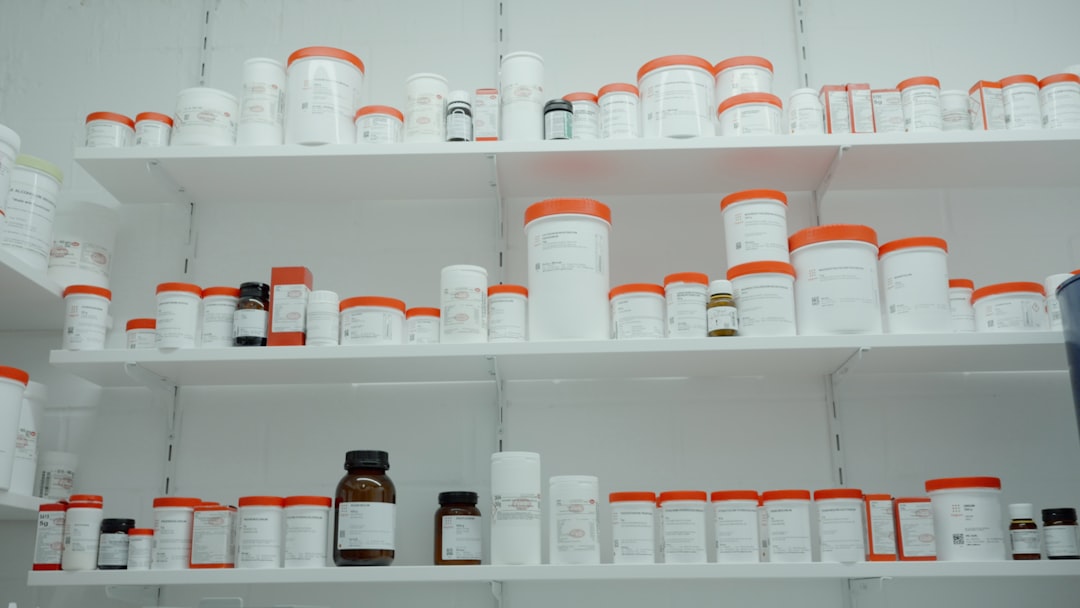
The pharmaceutical industry, a cornerstone of modern healthcare, operates on a promise: to alleviate suffering and improve human health. However, beneath this vital facade, a dark undercurrent of fraudulent practices occasionally surfaces, threatening patient well-being, eroding public trust, and siphoning billions from healthcare systems. Uncovering these deceptive schemes is not merely a legal or ethical imperative, but a fundamental societal responsibility in safeguarding consumer interests.
Pharmaceutical fraud is a multifaceted phenomenon, encompassing a broad spectrum of illegal and unethical activities. These acts often exploit vulnerabilities in regulatory frameworks, healthcare infrastructure, and even patient trust, turning the pursuit of profit into a disregard for public safety.
Misrepresentation of Drug Efficacy and Safety
One of the most insidious forms of fraud involves the deliberate misrepresentation of a drug’s effectiveness or its associated risks. This can manifest in several ways, directly impacting patient outcomes and healthcare decisions.
False Claims and Exaggerated Benefits
Pharmaceutical companies have been known to engage in aggressive marketing campaigns that overstate the efficacy of their products. This often involves cherry-picking positive data from clinical trials, downplaying negative findings, or performing biased statistical analyses to present a more favorable picture. For instance, a drug might be marketed as significantly superior to existing treatments based on minor statistical differences that lack clinical relevance, creating a false sense of hope and potentially leading patients to choose a less appropriate or more expensive option. Such practices manipulate medical professionals’ prescribing habits and, by extension, patient choices, akin to a magician’s misdirection, drawing attention away from the true picture.
Undisclosed Side Effects and Risks
Conversely, fraudsters may deliberately conceal or minimize serious side effects and safety concerns associated with a drug. This can involve omitting adverse event reports from regulatory submissions, discouraging healthcare providers from reporting negative outcomes, or even actively suppressing research that reveals detrimental effects. The consequences of such deception can be catastrophic, ranging from severe adverse drug reactions and permanent disability to fatal outcomes. Imagine a ship navigating treacherous waters, but the captain deliberately omits critical navigational hazards from the crew’s charts – the ensuing disaster is a direct result of that omission.
Off-Label Promotion
While physicians are permitted to prescribe drugs for “off-label” uses (i.e., for conditions not specifically approved by regulatory bodies), pharmaceutical companies are prohibited from actively promoting such uses. However, instances of companies incentivizing or overtly encouraging off-label prescribing—often through well-funded marketing campaigns, scientific symposia, or direct engagement with key opinion leaders—are not uncommon. This practice circumvents the rigorous regulatory approval process designed to ensure a drug’s safety and efficacy for specific indications, exposing patients to unproven therapies and potential harm.
Manufacturing and Quality Control Irregularities
The integrity of a pharmaceutical product extends beyond its stated claims; it fundamentally lies in its manufacturing process and quality control. Deficiencies here can render a drug ineffective or, worse, dangerous.
Adulterated or Substandard Ingredients
Fraud can originate at the very beginning of the supply chain, involving the use of adulterated, contaminated, or substandard active pharmaceutical ingredients (APIs). These inferior ingredients may lack the intended potency, contain harmful impurities, or fail to dissolve correctly, rendering the final product ineffective or toxic. This is akin to a baker substituting vital, wholesome ingredients with sawdust and sand; the end product may look similar, but its function and safety are completely compromised.
Falsified Manufacturing Records
Manufacturers may falsify records relating to production processes, quality control checks, and other crucial aspects of good manufacturing practice (GMP). This can involve fabricating batch records, inaccurately reporting environmental conditions, or concealing deviations from established protocols. Such actions create an illusion of compliance and quality when, in reality, the products may be compromised. The paper trail becomes a smokescreen, obscuring the true state of affairs.
Counterfeit Drugs
The proliferation of counterfeit drugs is a particularly alarming aspect of pharmaceutical fraud. These are products deliberately and fraudulently mislabeled with respect to identity and/or source. Counterfeit drugs can contain incorrect ingredients, insufficient active ingredients, harmful substances, or no active ingredient at all. They pose a direct and severe threat to patient health, as individuals unknowingly consume ineffective or dangerous substances, delaying proper treatment and potentially exacerbating their conditions. The global pharmaceutical supply chain, with its myriad intermediaries, can sometimes become a fertile ground for these imposters, mimicking legitimate products and slipping through the cracks.
Financial and Billing Fraud
Beyond the direct impact on product integrity, pharmaceutical fraud also encompasses various financial schemes that inflate costs, defraud healthcare systems, and exploit consumers.
Kickbacks and Bribery
Pharmaceutical companies have been implicated in offering kickbacks, bribes, and other illicit financial incentives to physicians, pharmacists, and other healthcare professionals to encourage the prescribing or dispensing of their products. These kickbacks can take many forms, including speaking fees for minimal work, lavish hospitality, research grants with no legitimate scientific purpose, or even direct cash payments. Such practices distort medical decision-making, prioritizing corporate profits over patient needs, and driving up healthcare costs. It’s a subtle form of puppetry, where money pulls the strings of medical judgment.
Off-Label Billing Practices
While off-label promotion is distinct from off-label billing, the two can be intertwined. Fraudulent billing practices can occur when healthcare providers knowingly bill for off-label prescriptions for which efficacy or necessity is not clinically supported, or when they misrepresent the reason for a prescription to secure reimbursement from insurance companies or government programs. This drains healthcare resources and can expose patients to treatments not backed by scientific evidence.
Price Gouging and Anti-Competitive Practices
Although not always strictly illegal as fraud, exorbitant price increases on essential medicines, especially those acquired from smaller companies, can verge on unethical exploitation. Furthermore, anti-competitive practices, such as “pay-for-delay” schemes where generic manufacturers are paid to delay market entry, directly harm consumers by keeping drug prices artificially high and limiting access to more affordable alternatives. These actions create an artificial scarcity or maintain a monopoly, effectively holding patients hostage to inflated costs.
Pharmaceutical fraud is a serious issue that can have devastating effects on public health and safety. For a deeper understanding of the various forms of fraud in the pharmaceutical industry, including case studies and preventive measures, you can read a related article at Hey Did You Know This. This resource provides valuable insights into the complexities of pharmaceutical fraud and its implications for consumers and healthcare providers alike.
The Human Cost: Why Fraud Matters
The ramifications of pharmaceutical fraud extend far beyond financial penalties and reputational damage for corporations. At its core, it undermines the very foundation of trust in medicine and directly impacts human lives.
Jeopardized Patient Safety
Perhaps the most critical consequence of pharmaceutical fraud is the direct threat it poses to patient safety. Misrepresented drug data can lead to inappropriate prescribing, ineffective treatments, or exposure to undisclosed risks. Counterfeit or substandard drugs can cause adverse reactions, treatment failures, and even death. Every instance of fraud is a crack in the lifeline of healthcare, potentially putting real people in peril.
Erosion of Public Trust
When reports of pharmaceutical fraud surface, public trust in the healthcare system, pharmaceutical companies, and even medical professionals significantly erodes. This erosion of trust can lead to vaccine hesitancy, non-adherence to prescribed treatments, and a general skepticism towards medical advice, ultimately compromising public health initiatives. Trust, once broken, is an arduous and lengthy process to rebuild, like attempting to mend shattered glass seamlessly.
Financial Burden on Healthcare Systems
Pharmaceutical fraud imposes a colossal financial burden on healthcare systems globally. Billions of dollars are lost each year due to fraudulent claims, inflated drug prices, and the costs associated with investigating and litigating these cases. This money could otherwise be invested in patient care, research and development of truly innovative therapies, or expanding access to essential services. It’s a systemic drain, diverting vital resources from where they are most needed.
Mechanisms for Uncovering and Combating Fraud
Combating pharmaceutical fraud requires a multi-pronged approach involving robust regulatory oversight, proactive enforcement, and the crucial role of whistleblowers.
Regulatory Bodies and Enforcement Agencies
Governmental regulatory bodies, such as the Food and Drug Administration (FDA) in the United States and the European Medicines Agency (EMA) in Europe, play a pivotal role in setting standards, reviewing drug applications, and monitoring post-market safety. Agencies like the Department of Justice (DOJ) and specialized fraud units are responsible for investigating and prosecuting instances of pharmaceutical fraud. Their vigilance acts as a deterrent and a mechanism for accountability.
Stringent Approval Processes
The rigorous scientific review process for new drugs is designed to ensure their safety and efficacy. Fraudulent activities often attempt to circumvent or manipulate this process, highlighting the importance of maintaining its integrity and continually strengthening it against sophisticated deceptive tactics.
Post-Market Surveillance
Even after a drug is approved, continuous post-market surveillance is crucial. This involves monitoring adverse event reports, conducting real-world studies, and actively looking for patterns of issues that might indicate underlying problems, including those stemming from fraudulent practices.
Whistleblowers: The Unsung Heroes
Whistleblowers, often current or former employees of pharmaceutical companies, are indispensable in uncovering fraud. Equipped with insider knowledge, they provide critical evidence that can expose complex fraudulent schemes that might otherwise remain hidden.
Legal Protections and Incentives
Many jurisdictions offer legal protections to whistleblowers, shielding them from retaliation, and also provide financial incentives for reporting fraud, particularly through False Claims Act provisions. These provisions encourage individuals to come forward with information that can lead to significant recoveries for governments and taxpayers. Whistleblowers act as internal alarms, sounding warnings from within the fortress of corporate operations.
Collaborative Efforts
Combating pharmaceutical fraud effectively often necessitates collaboration between various stakeholders:
International Cooperation
Given the globalized nature of the pharmaceutical supply chain and drug markets, international cooperation between regulatory bodies, law enforcement agencies, and public health organizations is essential to tackling cross-border fraud, particularly in the realm of counterfeit drugs.
Industry Self-Regulation and Ethics
While primary accountability lies with regulatory bodies, encouraging ethical conduct and robust compliance programs within pharmaceutical companies themselves is crucial. A strong ethical compass within the industry can serve as an internal safeguard against fraudulent tendencies.
Empowering the Consumer: A Call to Vigilance

As consumers, we are not passive recipients of healthcare; we are active participants. Our vigilance and informed choices are powerful tools in the fight against pharmaceutical fraud.
Informed Decision-Making
It is incumbent upon individuals to be informed consumers of healthcare. This involves critically evaluating health information, seeking second opinions, and engaging in open dialogue with healthcare providers about treatment options, potential side effects, and drug costs. Do not be afraid to question and seek clarity; your health is your most valuable asset.
Reporting Suspected Fraud
If one suspects pharmaceutical fraud, reporting it to the appropriate authorities is a crucial step. This could involve contacting regulatory bodies, law enforcement agencies, or even legal counsel specializing in whistleblower cases. Every report, no matter how small it seems, contributes to the larger effort of protecting public health.
Access to Reliable Information
Support for initiatives that provide unbiased, evidence-based information about drugs and treatments is vital. Reliable sources empower consumers to make decisions based on scientific consensus rather than misleading marketing or fraudulent claims.
The battle against pharmaceutical fraud is an ongoing one, a constant struggle against those who would prioritize profit over people. By understanding its many forms, acknowledging its devastating impact, and actively participating in its prevention and detection, society can collectively strengthen its defenses, ensuring that the promise of modern medicine remains true to its humanitarian calling. The health and safety of millions depend on this continuous vigilance.
FAQs
What is pharmaceutical fraud?
Pharmaceutical fraud refers to illegal activities involving the manufacturing, marketing, or distribution of pharmaceutical products. This can include falsifying data, misbranding drugs, off-label marketing, and billing for unprovided services.
What are common types of pharmaceutical fraud?
Common types include counterfeit drugs, false claims to insurance companies, kickbacks to healthcare providers, off-label drug promotion, and manipulation of clinical trial data.
Who is typically involved in pharmaceutical fraud?
Pharmaceutical fraud can involve drug manufacturers, healthcare providers, pharmacists, insurance companies, and sometimes patients who participate in fraudulent schemes.
What are the consequences of pharmaceutical fraud?
Consequences include legal penalties such as fines and imprisonment, loss of professional licenses, damage to company reputation, and potential harm to patient health due to unsafe or ineffective medications.
How can pharmaceutical fraud be detected and prevented?
Detection and prevention involve regulatory oversight by agencies like the FDA and DOJ, internal compliance programs within companies, whistleblower reports, audits, and the use of advanced technologies to track drug distribution and claims.