
Ultraviolet (UV) radiation from the sun causes skin damage, accelerates aging, and increases skin cancer risk. During activities involving water exposure, perspiration, or prolonged outdoor time, standard sunscreens can be removed through washing or rubbing, reducing their protective effectiveness. Water-resistant sunscreens are formulated to maintain adhesion to skin when exposed to water and sweat.
These products undergo standardized testing to verify their ability to retain their sun protection factor (SPF) rating after 40 or 80 minutes of water immersion. The FDA regulates water-resistant sunscreen claims, requiring manufacturers to demonstrate maintained protection levels through clinical testing.
This enhanced adherence provides more consistent UV protection during swimming, sports activities, and other situations where moisture exposure occurs. However, water-resistant sunscreens still require reapplication every two hours and immediately after toweling off, as no sunscreen is completely waterproof or permanent.
Key Takeaways
- Water resistant sunscreen provides essential protection during water activities by maintaining effectiveness for up to 80 minutes.
- The 80-minute water resistance claim means the sunscreen remains effective while swimming or sweating for that duration before reapplication is needed.
- Proper application and timely reapplication are crucial to ensure continuous protection from UV rays when using water resistant sunscreen.
- Water resistant sunscreen differs from waterproof sunscreen, which is not officially recognized by regulatory bodies and can be misleading.
- Choosing the right water resistant sunscreen involves considering factors like SPF level, skin type, and activity type for optimal sun protection.
Understanding the 80-Minute Water Resistance Claim
You might have noticed that many water-resistant sunscreens boast an 80-minute water resistance claim. This means that the product has been tested and proven to remain effective for up to 80 minutes while you are in the water or sweating. However, it’s crucial to understand what this claim entails.
The 80-minute mark is not a guarantee that the sunscreen will last that long for everyone; factors such as skin type, activity level, and environmental conditions can all influence how long the protection lasts. When you apply a water-resistant sunscreen, it forms a protective layer on your skin. This layer is designed to withstand some exposure to water and sweat, but it can still break down over time.
After 80 minutes, the effectiveness of the sunscreen may diminish, which is why it’s essential to reapply regularly. Understanding this claim helps you make informed decisions about your sun protection routine and ensures that you are adequately protected during your outdoor adventures.
How Water Resistant Sunscreen Works
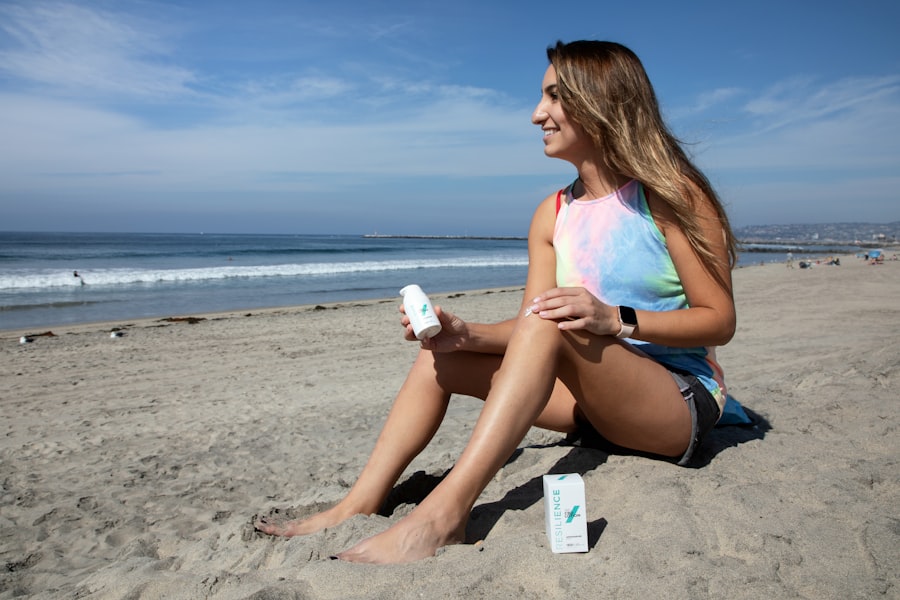
Water-resistant sunscreen works by utilizing specific ingredients that create a barrier on your skin. These ingredients often include chemical filters that absorb UV radiation and physical blockers like zinc oxide or titanium dioxide that reflect it. The formulation is designed to be more resilient against moisture compared to regular sunscreens.
When you apply it, the sunscreen binds to your skin, forming a protective layer that helps prevent UV rays from penetrating. The effectiveness of water-resistant sunscreen also depends on how well you apply it. A generous application ensures that the product can form an adequate barrier against UV rays and moisture.
Additionally, the formulation may contain emollients and other agents that enhance its adherence to the skin, making it less likely to wash away when exposed to water or sweat. Understanding how these products work can empower you to choose the right one for your needs and apply it effectively for maximum protection.
Choosing the Right Water Resistant Sunscreen
Selecting the right water-resistant sunscreen can feel overwhelming given the myriad of options available on the market. To make an informed choice, consider factors such as your skin type, any allergies you may have, and the specific activities you plan to engage in. For instance, if you have sensitive skin, look for products labeled as hypoallergenic or fragrance-free to minimize irritation.
On the other hand, if you’re planning on spending extended periods in the water, opt for a sunscreen with a higher SPF and broad-spectrum protection. Another important aspect to consider is the formulation of the sunscreen. Some people prefer lotions or creams for their moisturizing properties, while others may opt for sprays for their convenience and ease of application.
Additionally, check for water resistance ratings; while many products claim to be water-resistant, not all are created equal. Reading reviews and seeking recommendations can also help you find a product that meets your needs and provides reliable protection.
Tips for Applying Water Resistant Sunscreen
| Metric | Description | Details |
|---|---|---|
| Water Resistance Duration | Time sunscreen remains effective while swimming or sweating | 80 minutes |
| Meaning of “Water Resistant” | Sunscreen maintains SPF protection during water exposure | Effective for up to 80 minutes of water activity |
| Reapplication Recommendation | How often to reapply sunscreen during water exposure | Every 80 minutes or immediately after towel drying |
| SPF Protection | Sun Protection Factor indicating UVB protection level | Varies by product, typically SPF 30 or higher |
| Testing Standard | Method used to verify water resistance claims | FDA-approved water immersion test |
| Limitations | What water resistance does not guarantee | Does not mean waterproof; protection decreases after 80 minutes |
Applying water-resistant sunscreen correctly is just as important as choosing the right product. Start by applying it generously at least 15 minutes before sun exposure to allow it to absorb into your skin effectively. Don’t skimp on the amount; most adults need about an ounce (a shot glass full) to cover their entire body adequately.
Pay special attention to commonly missed areas such as your ears, back of your neck, and tops of your feet. When applying sunscreen, use a gentle massaging motion to ensure even coverage. This not only helps the product adhere better but also allows you to feel where you’ve applied it and where you might need more.
If you’re using a spray sunscreen, make sure to spray it evenly and rub it in afterward for complete coverage. Remember that even water-resistant formulas need time to set before exposure to water or sweat; waiting those crucial 15 minutes can make all the difference in ensuring effective protection.
Reapplying Water Resistant Sunscreen
Reapplication is key when it comes to maintaining effective sun protection with water-resistant sunscreen. Even though these products are designed to withstand moisture for up to 80 minutes, they still require reapplication after swimming or heavy sweating. It’s advisable to reapply every two hours as well, regardless of whether you’ve been in the water or not.
This ensures that your skin remains shielded from harmful UV rays throughout your outdoor activities. To make reapplication easier, consider setting a timer on your phone or using an app that reminds you when it’s time to reapply. If you’re at the beach or poolside, keep your sunscreen within reach so you can easily apply it without interrupting your fun.
Remember that even if you’re not visibly sweating or swimming, UV rays can still penetrate through clouds and reflect off surfaces like sand and water, making regular reapplication essential for comprehensive sun protection.
The Difference Between Water Resistant and Waterproof Sunscreen
While many people use the terms “water-resistant” and “waterproof” interchangeably, there is a significant difference between the two. Water-resistant sunscreens are designed to maintain their SPF protection for a certain period while exposed to water or sweat—typically up to 80 minutes—after which they need reapplication. On the other hand, waterproof sunscreens are often marketed as being able to withstand water exposure for longer periods; however, it’s important to note that no sunscreen is entirely waterproof.
The FDA has strict regulations regarding these claims, so it’s essential to read labels carefully. While waterproof sunscreens may offer longer-lasting protection in wet conditions, they still require reapplication after swimming or sweating heavily. Understanding this distinction helps you choose the right product based on your activities and ensures that you remain adequately protected from harmful UV rays.
Common Misconceptions About Water Resistant Sunscreen
There are several misconceptions surrounding water-resistant sunscreen that can lead to inadequate sun protection. One common myth is that if a sunscreen is labeled as water-resistant, it doesn’t need to be reapplied at all while swimming or sweating. In reality, even the best water-resistant formulas lose their effectiveness over time and require reapplication after 80 minutes of exposure to moisture.
Another misconception is that people with darker skin tones don’t need sunscreen at all because they are less likely to burn. While it’s true that melanin offers some natural protection against UV rays, everyone—regardless of skin tone—can suffer from sun damage and should use sunscreen regularly. Educating yourself about these misconceptions can help you make better choices regarding sun safety and protect your skin effectively.
The Benefits of Using Water Resistant Sunscreen
Using water-resistant sunscreen offers numerous benefits beyond just protecting your skin from UV rays. One of the most significant advantages is peace of mind; knowing that you have reliable protection allows you to enjoy outdoor activities without constantly worrying about sunburn or skin damage. This is especially important during summer months when outdoor events and vacations are in full swing.
Additionally, many water-resistant sunscreens contain moisturizing ingredients that can help keep your skin hydrated while providing sun protection. This dual benefit means you can enjoy the sun without sacrificing skin health. Furthermore, using a high-quality water-resistant sunscreen can help prevent premature aging signs such as wrinkles and dark spots caused by sun exposure over time.
The Best Water Resistant Sunscreens on the Market
With so many options available today, finding the best water-resistant sunscreen can be daunting. Some top-rated products include brands like Neutrogena Ultra Sheer Dry-Touch Sunscreen SPF 100+, which offers high SPF protection along with a lightweight feel that’s perfect for active individuals. Another popular choice is Coppertone Sport Sunscreen Lotion SPF 50; its formula is designed specifically for athletes and outdoor enthusiasts who need long-lasting protection during vigorous activities.
For those with sensitive skin or looking for natural options, consider brands like Blue Lizard Australian Sunscreen SPF 30+, which uses mineral-based ingredients and is free from harsh chemicals. Additionally, Banana Boat Ultra Sport Sunscreen Lotion SPF 50 provides excellent coverage while being resistant to sweat and water—ideal for beach days or intense workouts. Researching reviews and recommendations can help you find a product that suits your specific needs while ensuring effective sun protection.
Final Thoughts on Water Resistant Sunscreen
In conclusion, understanding the importance of water-resistant sunscreen is vital for anyone who enjoys spending time outdoors or engaging in activities involving water or sweat. By choosing a product with an appropriate SPF rating and understanding how it works, you can protect your skin effectively from harmful UV rays while enjoying your favorite pastimes. Remember that proper application and regular reapplication are key components of maintaining effective sun protection.
As you navigate through various options on the market, keep in mind your unique needs and preferences when selecting a water-resistant sunscreen. With so many excellent products available today, finding one that fits seamlessly into your lifestyle is easier than ever before. Ultimately, prioritizing sun safety will not only enhance your outdoor experiences but also contribute significantly to long-term skin health.
When choosing a water-resistant sunscreen, it’s important to understand what the 80-minute designation means for your skin protection.
For more insights on sunscreen and its effectiveness, you can check out this informative article on the topic at Hey Did You Know This.
FAQs
What does “water resistant 80 minutes” mean on sunscreen labels?
“Water resistant 80 minutes” means that the sunscreen maintains its stated sun protection factor (SPF) for up to 80 minutes while you are swimming or sweating. After 80 minutes in the water or heavy perspiration, you need to reapply the sunscreen to ensure continued protection.
Is water resistant the same as waterproof in sunscreens?
No, “water resistant” and “waterproof” are not the same. The FDA does not allow the term “waterproof” on sunscreen labels because no sunscreen is completely impervious to water. “Water resistant” indicates the sunscreen will remain effective for a certain time in water, such as 40 or 80 minutes.
How often should I reapply water resistant sunscreen?
You should reapply water resistant sunscreen at least every 80 minutes if you are swimming or sweating. Additionally, reapply immediately after towel drying, sweating heavily, or prolonged sun exposure, even if the 80 minutes have not passed.
Does water resistant sunscreen protect against both UVA and UVB rays?
Water resistance refers to the sunscreen’s durability in water, not the spectrum of protection. To ensure broad-spectrum protection against both UVA and UVB rays, check the label for “broad spectrum” certification in addition to water resistance.
Can I rely solely on water resistant sunscreen for sun protection?
While water resistant sunscreen helps maintain protection during water activities, it should be part of a comprehensive sun protection strategy. This includes wearing protective clothing, seeking shade, and avoiding peak sun hours.
What ingredients help make sunscreen water resistant?
Water resistant sunscreens often contain film-forming agents and certain polymers that help the product adhere to the skin and resist being washed off by water or sweat. However, the exact formulation varies by brand.
Is water resistant sunscreen safe for all skin types?
Water resistant sunscreens are generally safe for most skin types, but individuals with sensitive skin should check the ingredient list for potential irritants. It is advisable to do a patch test or consult a dermatologist if unsure.
Does water resistant sunscreen protect while sweating?
Yes, water resistant sunscreens are designed to maintain their effectiveness during sweating for the specified time (e.g., 80 minutes). However, heavy sweating or towel drying may require more frequent reapplication.