You’re staring at your appliance, a seemingly simple device that has suddenly decided to stage a rebellion. Perhaps the washing machine won’t start, the refrigerator door alarm won’t shut off, or the dishwasher isn’t recognizing its cycle selection. Often, lurking within the functional heart of these machines are small, unassuming components: hall effect sensors and reed switches. These electromagnetic switches are crucial for detecting the presence or absence of a magnetic field, which in turn signals to the appliance’s control board various states – door open, lid closed, actuator in position, and so on. When they malfunction, your appliance can enter a state of confusion, leading to the very troubleshooting headaches you’re experiencing.
This guide aims to equip you with the knowledge and practical steps to diagnose and potentially resolve issues with these critical components. While some diagnostics might require specialized tools or a deeper understanding of electronics, this article will provide a comprehensive overview of the common problems, how to identify them, and what you can do to fix them. Remember, safety is paramount. Always disconnect the appliance from its power source before commencing any internal inspection or repair.
Before you can effectively troubleshoot, you need to understand what these components are and how they operate. They serve a similar purpose – detecting magnetic fields – but they achieve it through different physical principles.
The Hall Effect Sensor: A Solid-State Solution
The hall effect sensor is a semiconductor device that, when exposed to a magnetic field, generates a voltage proportional to the magnetic field’s strength. This phenomenon, known as the Hall effect, allows the sensor to act as a non-contact switch.
How it Works:
- Semiconductor Material: At its core, a hall effect sensor utilizes a thin strip of conductive material, often made from materials like indium antimonide or gallium arsenide.
- Current Flow: When an electric current is passed through this semiconductor strip, it flows in a straight line.
- Magnetic Field Interaction: If a magnetic field is applied perpendicular to the direction of the current flow, the charge carriers (electrons or holes) within the semiconductor are deflected to one side by the Lorentz force.
- Voltage Generation: This deflection of charge carriers creates a voltage difference across the width of the semiconductor strip. This is the “Hall voltage.”
- Output Signal: The control circuit connected to the hall effect sensor analyzes this Hall voltage. If the voltage exceeds a certain threshold, it indicates the presence of a magnetic field, and the sensor outputs a signal (often a digital high or low) to the appliance’s main control board.
Types of Hall Effect Sensors:
- Digital (Switch) Hall Effect Sensors: These are the most common type in appliances. They provide a simple on/off output based on a magnetic field’s presence or absence. They often have built-in hysteresis to prevent rapid switching around the trigger point.
- Analog Hall Effect Sensors: These output a voltage that varies linearly with the magnetic field strength. While less common in simple presence/absence applications, they might be used in more sophisticated position sensing.
The Reed Switch: A Mechanical Marvel
The reed switch is a simpler, entirely mechanical device. It consists of two ferromagnetic reeds (thin strips of metal) sealed within an airtight glass envelope. These reeds are positioned so that their tips are slightly separated.
How it Works:
- Ferromagnetic Reeds: The reeds are made of a material that is easily magnetized.
- Contact Points: The tips of the reeds are often plated with a conductive material, and when they are brought together, they form an electrical contact.
- Magnetic Actuation: When a magnetic field is brought close to the reed switch, it magnetizes the reeds. The opposite polarities induced at the tips of the reeds attract each other, causing them to bend and touch, completing an electrical circuit.
- Release: When the magnetic field is removed, the residual magnetism in the reeds is often insufficient to hold them together, and they spring back to their normal open position.
Types of Reed Switches:
- Normally Open (NO): This is the most prevalent type in appliance applications. The contacts are separated when no magnetic field is present and close when a magnet approaches.
- Normally Closed (NC): The contacts are touching when no magnetic field is present and separate when a magnet approaches. Less common for basic door/lid sensing.
- Changeover (CO): These switches have a common terminal and two other terminals, one normally open and one normally closed, allowing for more complex switching logic.
If you’re looking to troubleshoot appliance hall sensors and reed switches effectively, you might find it helpful to read a related article that provides additional insights and tips. This article covers common issues, diagnostic techniques, and practical solutions to ensure your appliances function smoothly. For more information, you can check out the article here: Troubleshooting Hall Sensors and Reed Switches.
Common Symptoms of Failing Hall Sensors and Reed Switches
A malfunctioning hall effect sensor or reed switch can manifest in a variety of ways, often leading to the appliance behaving erratically or not operating at all. Identifying these symptoms is the first step toward diagnosing the problem.
Appliance Not Starting or Responding
This is a very common symptom. If a sensor responsible for detecting a closed door or lid is faulty, the appliance’s safety interlock system will prevent it from starting, believing it’s unsafe to operate.
Specific Scenarios:
- Washing Machines/Dryers: The lid or door needs to be securely closed for the cycle to begin. A faulty sensor might continuously signal that the lid is open.
- Dishwashers: Similar to washing machines, the door latch sensor must indicate a closed door for the unit to initiate a wash cycle.
- Refrigerators/Freezers: While not typically preventing startup, a faulty door sensor might lead to an inability to exit certain modes or a persistent “door ajar” warning.
Intermittent Operation or Unexpected Pauses
If the sensor connection is loose, or the switch itself is degrading, it might intermittently fail to register the magnetic field. This can cause the appliance to operate for a period and then stop unexpectedly as the sensor’s signal drops out.
Examples:
- Washing Machine: The machine might start a wash, then suddenly stop mid-cycle, display an error code, and refuse to restart until the perceived “lid open” state is resolved.
- Dishwasher: The wash cycle might pause, or the unit might not progress to the next stage of the cycle because the door sensor is flickering between open and closed states.
- Ovens: In some cases, a particular cycle might not engage or might be interrupted if a sensor related to a specific door position or safety interlock fails.
Persistent Error Codes or Indicator Lights
Modern appliances are equipped with sophisticated diagnostic systems. A faulty sensor will often trigger a specific error code or illuminate an indicator light that points to an issue with door interlocks, lid switches, or position sensors.
Troubleshooting by Code:
- Consult the User Manual: Your appliance’s user manual is your first resort for deciphering error codes. It will often provide a list of codes and their corresponding probable causes.
- Online Resources: If the manual is vague or unavailable, searching online for the specific appliance model and error code can yield valuable insights from forums and repair websites.
Continuous Alarms or Notifications
In appliances like refrigerators and freezers, a door alarm is designed to alert you if the door is left open, potentially leading to spoiled food. If the sensor providing this information is faulty, it might constantly trigger the alarm, even when the door is securely closed.
Examples:
- Refrigerator Door Alarm: The beep alarm that signifies an open door will not cease, regardless of how firmly you close it.
- Freezer Compartment Warnings: Similar persistent alarms can occur in freezers if the sensor is malfunctioning.
Diagnosing Hall Effect Sensors and Reed Switches
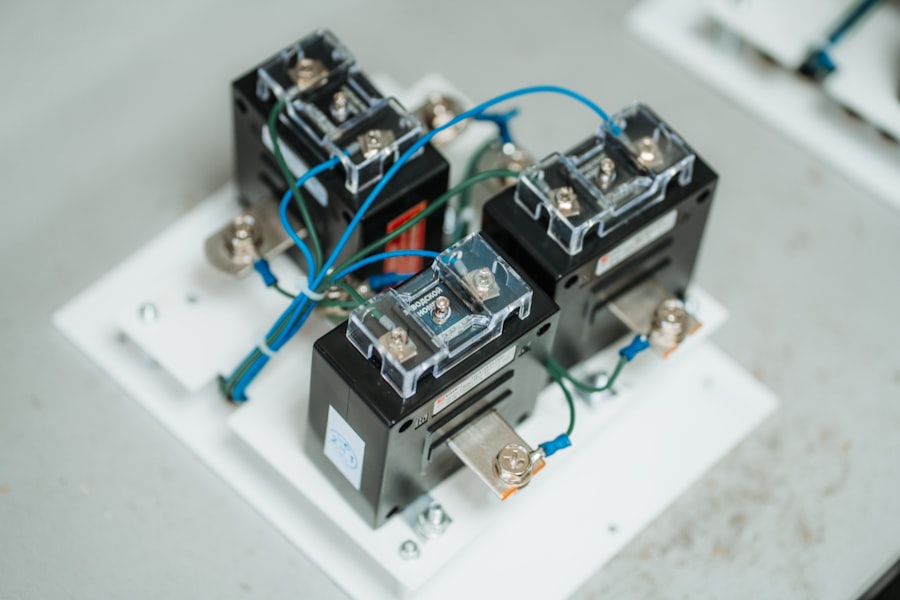
The process of diagnosing these components involves a combination of visual inspection, basic electrical testing, and understanding the circuit they are part of.
Visual Inspection: The First Line of Defense
Before you delve into electrical testing, a thorough visual inspection can often reveal obvious problems.
What to Look For:
- Damage to the Component: Inspect the sensor or switch for any signs of physical damage such as cracks, burns, or melted plastic. This is particularly important if the component is located near a heat source.
- Wiring and Connections: Examine the wires leading to and from the sensor or switch. Look for frayed insulation, broken wires, or loose connections. Ensure connectors are clean and securely seated.
- Obstructions or Misalignment: For reed switches and their associated magnets, ensure there are no foreign objects preventing proper closure or alignment. Check if the magnet is still securely attached to the moving part (door, lid). In the case of hall effect sensors, ensure the magnet (if used externally) is positioned correctly relative to the sensor.
- Corrosion on Terminals: Look for any signs of corrosion on the terminals of the sensor or switch, or the connectors. Corrosion can impede electrical conductivity.
Using a Multimeter: Essential Electrical Testing
A multimeter is an indispensable tool for troubleshooting electrical components. You’ll primarily use it to check for continuity and resistance.
Continuity Testing (for both Hall Sensors and Reed Switches):
- Reed Switch (Normally Open): With the reed switch unactuated (no magnet nearby), set your multimeter to continuity mode (often indicated by a speaker symbol). Place the probes on the two terminals of the reed switch. You should hear a beep or see a reading of very low resistance if the switch is closed (which it shouldn’t be in the NO state without a magnet). If it’s open, there should be no beep and a reading of infinite resistance (OL). When a magnet is placed near the reed switch, and it closes, you should then hear a beep or see a low resistance reading.
- Hall Effect Sensor (Digital/Switch Type): Continuity testing on a digital hall effect sensor is less straightforward because it requires a power source and a way to interpret its digital output. However, you can sometimes test the integrity of the connections. With power off, check for continuity between the sensor’s pins and the wiring harness terminals. If there’s a break in the internal sensor connection, you might see infinite resistance.
Resistance Testing (for both):
- Reed Switch: With no magnet present, a normally open reed switch should show extremely high resistance (effectively infinite). When actuated by a magnet, this resistance should drop to near zero ohms.
- Hall Effect Sensor: Hall effect sensors typically have internal circuitry, so a simple resistance reading might not be definitive. However, you can check for shorts between pins. A very low resistance reading between pins that should be isolated could indicate an internal fault. More advanced testing of hall effect sensors often involves applying a known voltage and measuring the output signal, which requires a more sophisticated setup.
Testing Hall Effect Sensors: The Power and Signal Test
Testing a digital hall effect sensor involves providing it with its required operating voltage and then observing its output signal when a magnetic field is applied. This is more advanced and might require the sensor to be partially powered in the appliance or removed and tested with a bench power supply.
What You’ll Need:
- Multimeter: Set to measure DC voltage.
- Known Magnetic Source: A strong magnet.
- Understanding of the Sensor’s Pinout: You’ll need to know which pin is for power, which is for ground, and which is for the signal output. This information is usually found in the appliance’s service manual or by searching for the sensor’s part number.
The Test Procedure:
- Identify Pins: With the appliance powered off, carefully identify the power, ground, and signal pins of the hall effect sensor.
- Apply Power (Cautiously): If you’ve removed the sensor, you’ll need to provide the correct DC voltage to the power and ground pins using a bench power supply. If the sensor is still in the appliance, you might be able to measure the voltage present at the power pin relative to ground with the appliance powered on (be extremely cautious of live voltages).
- Measure Output: With power applied, set your multimeter to measure DC voltage and place the probe on the signal output pin.
- Introduce Magnet: Bring the known magnetic source close to the sensor.
- Observe Changes:
- Digital (Switch) Sensor: The voltage on the signal pin should change abruptly. For example, it might switch between 0V and a voltage close to the supply voltage (e.g., 5V or 12V) when the magnet is brought near and then revert when the magnet is removed. You should see a clear, distinct change.
- Analog Sensor (Less Common): The output voltage will vary smoothly with the strength and proximity of the magnetic field.
Simulating the Magnet for Reed Switches
For reed switches that are part of a door or lid interlock, you can often simulate the magnetic field to test the switch and the circuit it’s in.
Procedure:
- Locate the Sensor and Magnet: Identify the reed switch (usually on the appliance chassis) and the magnet (usually on the door or lid).
- Power Off: Disconnect the appliance from power.
- Remove Power Connector (Optional but Recommended): If you can safely disconnect the wiring harness that goes to the reed switch assembly, do so. This allows you to test the switch’s continuity without interference from the appliance’s circuitry.
- Test Reed Switch Directly: Use your multimeter in continuity mode. Measure the resistance across the reed switch terminals. With no magnet, a normally open switch should indicate open (OL). Bring a magnet close to the switch. It should now indicate continuity.
- Test with Magnet in Place: If you can’t easily disconnect the wiring, you can test the circuit continuity with the appliance powered on (with extreme caution). You will need to measure the resistance across the circuit where the reed switch is connected. When the door is closed and the magnet is in place, you should see low resistance. When the door is open, you should see high resistance.
- Simulate Magnet: If the reed switch appears faulty, you can try using a different, known-good magnet to actuate it. If the original magnet is weak or demagnetized, this could be the issue.
Troubleshooting Specific Appliance Scenarios
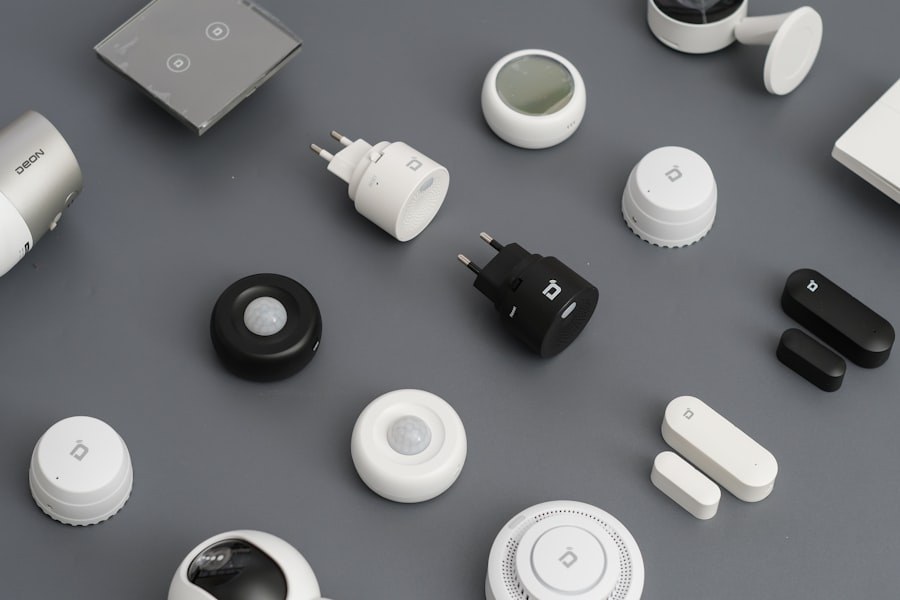
The application of hall effect sensors and reed switches varies slightly depending on the appliance. Understanding these specific contexts can help narrow down the troubleshooting process.
Washing Machines and Dishwashers: Lid/Door Interlocks
These appliances rely heavily on lid or door interlocks to ensure safety. A faulty sensor here will prevent the appliance from starting or completing cycles.
Key Areas to Inspect:
- Lid Switch Assembly (Washing Machines): This is often a physical component that is depressed by the lid when closed, or it might employ a reed switch and magnet system. Inspect the mechanism for physical damage or wear.
- Door Latch Mechanism (Dishwashers): The latch mechanism usually incorporates the switch (reed or hall effect) and the corresponding magnet. Ensure the latch is engaging correctly and that the magnet is securely mounted to the door.
- Wiring Harness: The wires from the lid/door switch assembly travel to the main control board. Look for any pinching, abrasion, or damaged connectors along this path.
Refrigerators and Freezers: Door Ajar Alarms and Power Management
In refrigeration appliances, these sensors primarily manage door status for temperature control and alarms.
Common Failure Points:
- Door Frame Sensor: Often located on the door frame or the cabinet, a reed switch and magnet system is common here. The magnet is usually embedded in the door itself.
- Control Board Signals: The signal from the door sensor is crucial for the refrigerator’s control board to determine if the door is open or closed. A faulty sensor can lead the board to believe the door is constantly open, triggering alarms and potentially affecting cooling cycles.
- Internal Components: In some advanced refrigerators, internal sensors might monitor the position of various components driven by solenoids or motors, which could utilize hall effect sensors.
Other Appliances: Diverse Applications
Beyond laundry and refrigeration, these sensors find their way into various applications within other appliances.
Examples:
- Microwave Ovens: Door interlock switches are critical for safety. A malfunctioning sensor can prevent the microwave from heating.
- Ovens (Electric and Gas): Some oven models might use sensors to confirm the position of broiler drawers, convection fan dampers, or certain safety switches.
- Garbage Disposals: While less common, some advanced disposals might have sensors to confirm the hopper is in place or that a lid is secure.
- Blenders and Food Processors: Certain models might use a sensor to ensure the container or lid is properly attached and locked before operation.
When dealing with appliance issues, understanding how to troubleshoot hall sensors and reed switches can be crucial for effective repairs. For a deeper dive into this topic, you might find this related article helpful, as it offers practical tips and insights into diagnosing common problems. Exploring the information in this article can enhance your troubleshooting skills and help you resolve issues more efficiently.
Replacing Faulty Hall Effect Sensors and Reed Switches
| Issue | Possible Cause | Troubleshooting Steps |
|---|---|---|
| Appliance not responding to door open/close | Malfunctioning hall sensor or reed switch | 1. Check for physical damage to the sensor or switch 2. Test the sensor or switch with a multimeter 3. Replace the faulty component if necessary |
| Appliance door not locking properly | Defective hall sensor or reed switch | 1. Inspect the sensor or switch for any signs of damage 2. Test the sensor or switch for continuity 3. Replace the faulty component if needed |
| Appliance displaying error code related to door mechanism | Faulty hall sensor or reed switch | 1. Consult the appliance manual for error code interpretation 2. Inspect the sensor or switch for any issues 3. Test the sensor or switch for proper functionality 4. Replace the faulty component if required |
If your diagnostics point to a specific sensor or switch being faulty, replacement is often the most practical solution.
Sourcing Replacement Parts
Obtaining the correct replacement part is crucial for a successful repair.
Where to Find Parts:
- Appliance Manufacturer: The most reliable source is often the appliance manufacturer’s official parts department. They will have the exact compatible part.
- Appliance Parts Retailers (Online and Brick-and-Mortar): Numerous online and physical stores specialize in appliance parts. You’ll need the appliance’s model number and ideally the part number from the original component.
- Aftermarket Brands: Some aftermarket parts manufacturers produce compatible components. Ensure the quality and compatibility are well-regarded before purchasing.
- Identify by Part Number: If you can find a part number stamped on the old component, this is the most direct way to find a match.
The Replacement Process: Step-by-Step
While specific steps will vary by appliance and component, the general procedure remains consistent.
Safety First:
- Disconnect Power: This is the absolute most critical step. Unplug the appliance from the wall outlet entirely. For built-in appliances, you may need to turn off the circuit breaker.
- Allow Discharge: For appliances with high-voltage capacitors (like washing machine motors), it’s advisable to wait a few minutes after disconnecting power to allow any residual charge to dissipate.
Removal of the Old Component:
- Access the Component: This often involves removing outer panels, control panels, or specific mounting brackets. Refer to your appliance’s service manual for detailed disassembly instructions.
- Document Connections: Before disconnecting any wires, take clear photographs or make detailed notes of how the wires are connected to the old component. This will be invaluable during reassembly.
- Disconnect Wiring: Carefully disconnect the wires from the old sensor or switch. This might involve unplugging connectors, unscrewing terminals, or unclipping wire harnesses.
- Remove Mounting Hardware: Unscrew or unclip the component from its mounting location.
Installation of the New Component:
- Mount the New Component: Secure the new sensor or switch in the same position and orientation as the old one using the original mounting hardware.
- Reconnect Wiring: Refer to your photographs or notes to reconnect the wires accurately. Ensure all connectors are firmly seated and terminals are tightened if applicable.
- Reassemble Panels: Replace any panels or covers that were removed.
Testing and Verification:
- Restore Power: Plug the appliance back into the outlet or turn on the circuit breaker.
- Test Functionality: Operate the appliance through its normal functions, specifically testing the area where the faulty component was located. For example, if you replaced a door switch, open and close the door and try to start a cycle.
- Monitor for Errors: Pay attention to any error codes or unusual behavior.
When to Call a Professional
While many of these repairs are within the scope of a DIY enthusiast, there are situations where professional assistance is advisable.
When to Seek Expert Help:
- Lack of Confidence or Technical Skill: If you’re uncomfortable working with electrical components or don’t have the necessary tools, it’s best to leave it to a professional.
- Complex Appliance Designs: Some modern appliances have highly integrated electronic systems, and attempting repairs without specific knowledge could lead to further damage.
- High-Voltage Components: If your troubleshooting leads you to components that handle high voltages, and you’re not experienced with them, it’s safer to call a professional.
- Persistent Issues: If you’ve replaced a component and the problem persists, it could indicate a deeper issue within the appliance’s control board or wiring harness, which might require specialized diagnostic equipment.
- Warranty Concerns: If your appliance is still under warranty, attempting repairs yourself could void the warranty. Always check your warranty terms before proceeding with DIY repairs.
By understanding the function of hall effect sensors and reed switches, recognizing the symptoms of their failure, and following a systematic troubleshooting approach, you can often restore your appliance to full working order. Remember to prioritize safety and consult your appliance’s documentation for specific guidance.
FAQs
What are appliance hall sensors and reed switches?
Appliance hall sensors and reed switches are components used in appliances to detect the position or movement of certain parts, such as the door or lid. Hall sensors use a magnetic field to detect movement, while reed switches are magnetic switches that open or close in the presence of a magnetic field.
How do I know if the hall sensor or reed switch in my appliance is faulty?
Signs of a faulty hall sensor or reed switch in an appliance may include the appliance not starting or stopping unexpectedly, error codes appearing on the display, or the appliance not responding to commands to open or close.
What are some common troubleshooting steps for appliance hall sensors and reed switches?
Common troubleshooting steps for appliance hall sensors and reed switches include checking for any visible damage to the components, testing the components with a multimeter for continuity or proper operation, and ensuring that the components are properly aligned and positioned within the appliance.
Can I replace a faulty hall sensor or reed switch in my appliance myself?
In some cases, it may be possible to replace a faulty hall sensor or reed switch in an appliance yourself, especially if you have experience with appliance repair and the necessary tools. However, it is recommended to consult the appliance’s manual or seek professional assistance if you are unsure.
Where can I find replacement hall sensors and reed switches for my appliance?
Replacement hall sensors and reed switches for appliances can typically be found through the appliance manufacturer’s authorized parts distributor, online retailers specializing in appliance parts, or local appliance repair shops. It is important to ensure that the replacement components are compatible with the specific make and model of the appliance.