Transitioning to PFAS-Free Firefighting Foam: A Crucial Step
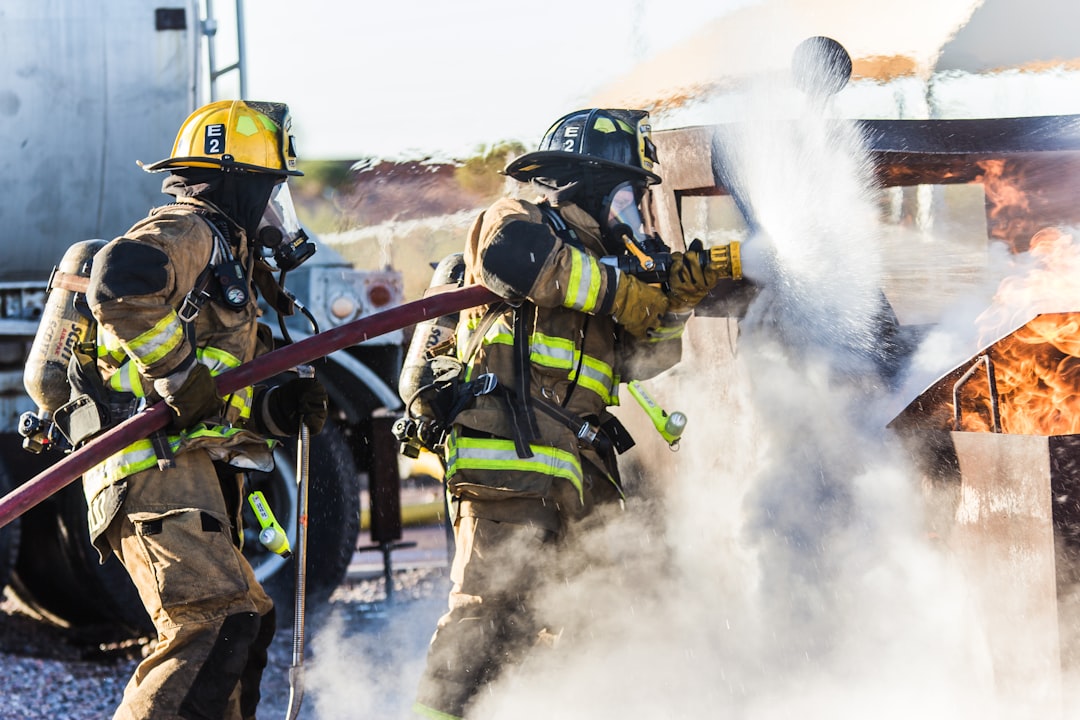
You are a firefighter. The crimson and blue lights have sliced through a choking cloud of smoke. Your heart hammers, a drumbeat against the cacophony of crackling flames and the urgent shouts of your crew. You know the drill, the ingrained muscle memory that guides your every move. And a critical tool in that arsenal, a liquid guardian against the inferno, is your foam. For decades, Aqueous Film-Forming Foam (AFFF) has been a reliable ally, its potent chemistry expertly smothering flammable liquid fires. But a shadow has begun to loom over this familiar hero, a chemical taint that demands a radical shift in your approach. You are on the cusp of a necessary evolution, a transition to PFAS-free firefighting foam. This is not a minor tweak; it’s a fundamental reimagining of how you fight fires, essential for your safety, the community’s well-being, and the planet’s future.
You’ve probably heard the acronym whispered, perhaps in hushed tones at the station or debated in industry forums: PFAS. Per- and polyfluoroalkyl substances. You might associate them with non-stick pans or stain-resistant carpets, surfaces that seem innocuous. Yet, these are the same ubiquitous chemicals that have been a cornerstone of AFFF for generations.
The Chemistry of Containment: How AFFF Works
To appreciate the transition, you must first understand the power of what you’ve been using. AFFF’s effectiveness lies in a delicate chemical balance. When mixed with water, a thin aqueous film spreads rapidly across the surface of a flammable liquid fire, like a protective blanket. This film, driven by the unique properties of fluorosurfactants, which are types of PFAS, dramatically reduces the surface tension of the liquid fuel. This reduction creates a vapor barrier, effectively starving the fire of oxygen and preventing the flammable vapors from escaping and igniting. It’s a chemical sleight of hand that has saved countless lives and prevented untold damage. The fluorinated compounds are the engine of this rapid spread and remarkable vapor suppression. Think of it as a perfect wave crashing onto a burning oil slick, instantly calming the flames.
The Unseen Contagion: The Persistence of PFAS and Their Health Impacts
The very properties that make PFAS so effective in firefighting – their extreme stability and resistance to heat, water, and oil – are also their undoing. These “forever chemicals” do not break down in the environment. Once released, they persist, accumulating in soil, water, and the atmosphere. And critically, they accumulate within the human body.
Bioaccumulation and Long-Term Exposure
You, as a firefighter, have been on the front lines of this exposure. The repeated use of AFFF, particularly during training exercises and major incidents, means you have likely encountered these chemicals in their aerosolized form, through skin contact, and potentially through contaminated water sources. This chronic exposure can lead to a cascade of health concerns. Studies have linked PFAS exposure to a range of adverse health outcomes, including certain cancers (such as kidney and testicular cancer), thyroid disease, liver damage, immune system suppression (leading to reduced vaccine effectiveness), and developmental issues in children. Your dedication to protecting others has, inadvertently, placed you in a position of heightened risk. The foam, designed for immediate salvation, carries a long-term environmental and health debt.
Environmental Contamination: A Spreading Stain
The impact extends far beyond the individual. When AFFF is discharged, it doesn’t just extinguish the fire; it leaves a chemical footprint. Runoff from training grounds, fire scenes, and even washing down equipment can contaminate soil and groundwater. This contamination can then spread, reaching drinking water sources, impacting ecosystems, and creating a persistent environmental problem that will outlive many of the fires you respond to. The ripple effect of a single deployment can be vast, a silent pollutant spreading its tendrils through the natural world.
The transition to PFAS-free firefighting foam is gaining significant attention due to the environmental and health concerns associated with per- and polyfluoroalkyl substances. A related article that delves deeper into the implications of this transition can be found at Hey Did You Know This, where it discusses the challenges and advancements in developing safer alternatives for firefighting practices. This shift not only aims to protect ecosystems but also addresses public health risks linked to PFAS exposure.
The Imperative for Change: Driving Forces Behind the Transition
The recognition of PFAS’s detrimental effects is not an abstract academic exercise; it is a tangible force driving a global shift. The urgency to move away from PFAS-containing foams is multifaceted, stemming from scientific understanding, regulatory action, and a growing ethical responsibility.
Regulatory Mandates: Pushing Towards a Cleaner Future
Governments and regulatory bodies worldwide are recognizing the unacceptable risks posed by PFAS. This has led to an increasing number of restrictions and outright bans on their use. You’re likely seeing these changes trickling down through your department’s policies and procurement processes.
National and International Legislation
Across continents, laws are being enacted to phase out or prohibit the use of PFAS-containing AFFF. These regulations, often informed by scientific research and public health advocacy, are creating a clear imperative for change. You are not alone in this; this is a global wave of reform. For instance, in the United States, legislation has been introduced at both federal and state levels to limit PFAS use, and some states have already implemented their own bans. In Europe, similar initiatives are underway through REACH regulations. The writing is on the wall, and it’s not written in PFAS.
Local Ordinances and Departmental Policies
Beyond broad legislative action, you’ll also encounter more localized mandates. Many fire departments and municipal governments are proactively adopting policies to restrict or ban PFAS, often ahead of broader legal requirements. These policies are a direct reflection of increasing awareness and a commitment to protecting their firefighters and communities. For your department, this might mean new procurement guidelines, mandatory training on new foam types, or updated protocols for foam deployment and disposal.
Industry Responsibility and Innovation: The Birth of Alternatives
The chemical industry, though historically a producer of PFAS, is also actively engaged in developing and marketing PFAS-free alternatives. Driven by market demand, regulatory pressure, and a genuine commitment to sustainability, innovation is accelerating.
The Rise of Fluorine-Free Foams (FFFs)
The most significant development in this transition is the emergence and refinement of fluorine-free foams, often referred to as FFFs. These foams aim to replicate the firefighting performance of AFFF without the use of persistent, bioaccumulative chemicals. They achieve this through different surfactant technologies, focusing on hydrocarbon-based surfactants and other functional additives. It’s a testament to human ingenuity, finding a new path to achieve the same crucial outcome.
The Evolution of FFF Technology
Early generations of FFFs sometimes struggled to match the performance of AFFF, particularly on certain fuel types or in demanding scenarios. However, continuous research and development have led to significant improvements. Modern FFFs are now highly effective on a wide range of flammable liquid fires, including Class B fires which are the primary concern for AFFF. They offer excellent burnback resistance, spill control, and cooling properties. You will find that the technology has matured, moving from a promising concept to a robust and reliable tool.
Growing Public Awareness and Demand for Safer Practices
The public is becoming increasingly aware of the risks associated with PFAS, thanks to media coverage and advocacy groups. This awareness translates into a demand for safer practices from emergency services. Communities are asking about the chemicals used at fire scenes and during training.
Protecting Local Waterways and Health
Citizens are concerned about the contamination of their local water sources and the potential health impacts on their families. They understand that what happens at a fire station or a training ground can directly affect their environment. This public sentiment plays a crucial role in pushing fire departments and municipalities towards adopting PFAS-free solutions. Your department’s embrace of PFAS-free foam is a visible demonstration of your commitment to their health and the environment, reinforcing trust and building stronger community ties.
A Global Shift Towards Sustainability
The broader movement towards environmental sustainability also influences the adoption of PFAS-free foams. The “forever chemicals” represent an unsustainable approach to fire suppression. Choosing PFAS-free alternatives aligns with a global commitment to reducing chemical pollution and protecting the planet for future generations. You are not just a first responder; you are also a steward of the environment.
Navigating the Transition: Practical Steps for Your Department
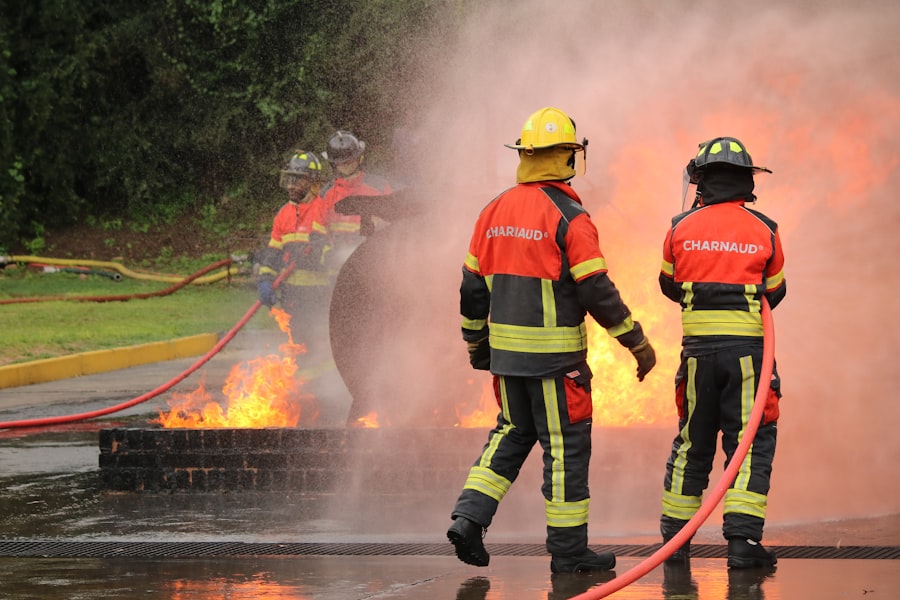
The transition to PFAS-free firefighting foam is not a passive event; it requires active engagement and strategic planning. It’s about a considered shift, not an abrupt abandonment of effective tools. For your department, this means a deliberate, phased approach.
Procurement and Selection: Choosing the Right Tools for the Job
The first practical step is evaluating and selecting the appropriate PFAS-free foams for your specific needs. This is where careful research and testing become paramount.
Identifying Capable PFAS-Free Alternatives
You need to understand which FFFs are available and how they perform. This involves looking at product specifications, certifications, and independent testing data. Not all FFFs are created equal, and some may be better suited for certain types of fires or deployment methods than others. Consult with manufacturers’ representatives, but also seek out unbiased reports and recommendations from other fire services that have made the transition.
Performance Testing and Validation
Before committing to a large-scale purchase, it’s crucial to conduct your own performance testing. This should involve simulating real-world scenarios to assess how the foams perform under pressure. Can they handle the same types of fires as your previous AFFF? What is their foam expansion ratio? How is their burnback resistance? Is their application window similar? This hands-on validation ensures that the chosen FFFs will reliably perform when you need them most. Think of it as a dry run before the actual emergency.
Cost-Benefit Analysis and Long-Term Value
While initial costs might be a consideration, a comprehensive cost-benefit analysis is essential. Public health and environmental remediation costs associated with PFAS contamination are significant and can far outweigh the purchase price of alternative foams. Investing in PFAS-free options now can prevent substantial future expenses and liabilities. Consider the long-term value of protecting your personnel and the community, a value that cannot always be quantified in dollars.
Training and Education: Mastering New Techniques
Simply replacing the old foam with the new is not enough. Your skills and understanding must adapt. Effective training is the bedrock of successful adoption.
Understanding FFF Properties and Limitations
Each PFAS-free foam will have its own unique characteristics. You need to be trained on how these foams behave, their optimal dilution ratios, application techniques, and any specific limitations they might have. For example, some FFFs might require different application pressures or nozzle settings. Understanding these nuances ensures you can deploy them efficiently and effectively.
Hands-On Training and Scenario-Based Drills
The most effective training is hands-on. Firefighters need to practice with the new foams in realistic scenarios. Conduct drills that mimic the types of flammable liquid fires you are most likely to encounter. This allows you to gain confidence and refine your techniques with the PFAS-free alternatives. Repetition builds mastery and ensures that when an actual incident occurs, your muscle memory is guiding you with the new tools, not the old.
Integrating FFF Use into Existing Protocols
Your department’s standard operating procedures (SOPs) and emergency response plans may need to be updated to reflect the use of PFAS-free foams. This includes protocols for storage, deployment, cleanup, and disposal. Ensure that all personnel are familiar with these updated procedures. The success of the transition hinges on its seamless integration into your daily operations.
Equipment and Infrastructure: Adapting Your Resources
The introduction of new foams may also necessitate adjustments to your existing equipment and infrastructure.
Compatibility with Existing Nozzles and Proportioners
It’s important to ensure that the chosen PFAS-free foams are compatible with your current firefighting equipment, including foam proportioners and nozzles. Some foams may require specific equipment settings or types for optimal performance. While many modern FFFs are designed for broad compatibility, verification is key.
Storage and Disposal Considerations
Proper storage of your new foams is crucial to maintain their efficacy. Familiarize yourself with the recommended storage conditions for your chosen PFAS-free products. Furthermore, you will need to understand the correct procedures for disposing of unused foam and any contaminated materials. This ensures you are not inadvertently creating new environmental issues. Adherence to responsible disposal practices is as critical as effective deployment.
The Future of Firefighting: Embracing a Sustainable and Safer Paradigm
The transition to PFAS-free firefighting foam is more than just a regulatory compliance issue; it represents a fundamental shift towards a more sustainable and safer future for firefighting. You are at the vanguard of this evolution, shaping the landscape of emergency response for generations to come.
Enhancing Firefighter Health and Safety
The most immediate and profound impact of this transition is on your own well-being. By moving away from PFAS, you are actively reducing your exposure to chemicals linked to serious health problems. This is an investment in your long-term health and the health of your fellow firefighters. It means returning home to your families with less risk of carrying the invisible burden of chemical exposure.
Protecting Your Personal Health
This is about safeguarding your most valuable asset: yourself. The reduced exposure to known carcinogens and endocrine disruptors is a direct benefit that no amount of training or equipment can replace. Prioritizing your health empowers you to continue serving your community effectively and safely for your entire career.
Reducing On-Scene Contamination
The use of PFAS-free foams also contributes to a cleaner on-scene environment. This can lead to reduced contamination of your turnout gear, your personal vehicles, and the firehouse itself. A cleaner operational environment directly translates to a healthier living and working space.
Environmental Stewardship: Becoming Guardians of the Planet
Your role as a firefighter extends beyond immediate fire suppression. You are also stewards of the environment. Embracing PFAS-free solutions demonstrates a commitment to protecting the natural resources that you and your communities rely on.
Protecting Water Resources
By eliminating PFAS from your foam applications, you are directly contributing to the protection of vital water resources, including rivers, lakes, and groundwater. This prevents further contamination and helps preserve these essential supplies for drinking, agriculture, and ecosystems. You are acting as a shield for the very elements that sustain life.
Contributing to a Cleaner Ecosystem
The persistence of PFAS in the environment has far-reaching ecological consequences. The transition to fluorine-free alternatives helps break this cycle of pollution, contributing to healthier soils, cleaner waterways, and more robust ecosystems. This is about leaving a legacy of environmental responsibility.
Leading by Example: Inspiring Wider Adoption
By proactively embracing PFAS-free firefighting foam, your department can become a leader and an inspiration to others. Your successful transition can pave the way for other fire services, demonstrating the feasibility and benefits of this critical change.
Sharing Best Practices and Lessons Learned
Your experiences – the challenges you overcome, the solutions you implement, and the successes you achieve – can serve as a valuable resource for other departments embarking on this same journey. Sharing your best practices and lessons learned can accelerate the adoption of PFAS-free foams nationwide and globally. You are not just adopting a new tool; you are contributing to a collective advancement.
Fostering a Culture of Innovation and Responsibility
Embracing this transition fosters a culture of innovation and responsibility within your department. It shows a willingness to adapt, to embrace new technologies, and to prioritize the long-term health of your personnel and the environment. This proactive approach positions your department as a forward-thinking and responsible organization, setting a benchmark for others to follow.
The transition to PFAS-free firefighting foam is gaining momentum as more organizations recognize the environmental and health risks associated with per- and polyfluoroalkyl substances. A recent article discusses various alternatives to traditional foams and highlights successful case studies from fire departments that have already made the switch. For more insights on this important topic, you can read the full article here. This shift not only aims to protect ecosystems but also ensures the safety of firefighters and communities alike.
Overcoming Challenges: Addressing Roadblocks on the Path Forward
| Metric | Value | Unit | Notes |
|---|---|---|---|
| PFAS Concentration in Foam | 0 | ppb | PFAS-free foams contain no detectable PFAS compounds |
| Fire Suppression Effectiveness | 95 | % | Comparable to traditional PFAS foams in controlled tests |
| Environmental Persistence | Low | Qualitative | PFAS-free foams degrade faster in the environment |
| Transition Timeline | 2020-2025 | Years | Industry-wide phase-out period for PFAS foams |
| Cost Increase | 10-20 | % | Estimated increase in procurement costs for PFAS-free foams |
| Regulatory Compliance Rate | 85 | % | Percentage of firefighting agencies compliant with PFAS-free mandates |
| Training Hours Required | 8 | Hours | Average additional training for personnel on PFAS-free foam use |
The path to adopting new technologies and practices is rarely without its obstacles. While the benefits of PFAS-free firefighting foam are clear, you will likely encounter challenges that need to be addressed strategically.
Initial Cost and Budgetary Concerns
One of the most immediate concerns for any fire department is the cost associated with new equipment and supplies.
Justifying the Investment
The initial purchase price of PFAS-free foams and potentially new proportioning equipment might be higher than traditional AFFF. This requires a robust justification of the investment, focusing on the long-term cost savings related to reduced health impacts, environmental remediation, and potential liabilities. Highlighting the reduced risk of future lawsuits and cleanup efforts associated with PFAS contamination can strengthen the case for immediate investment.
Exploring Grant Opportunities and Collaborative Purchasing
Many federal, state, and local grant programs are available to assist fire departments in acquiring new equipment and making necessary upgrades. Actively seeking out these funding opportunities can alleviate budgetary pressures. Additionally, exploring collaborative purchasing agreements with neighboring departments or regional organizations can lead to bulk discounts and more favorable pricing.
Performance Perceptions and Historical Reliance
For decades, firefighters have relied on the proven performance of AFFF. Shifting this ingrained reliance can present a psychological hurdle.
Addressing Misconceptions and Building Confidence
There may be lingering perceptions that PFAS-free alternatives are less effective. These misconceptions must be actively addressed through comprehensive training, transparent communication, and the sharing of successful case studies. Witnessing the effective performance of FFFs firsthand in training exercises can significantly build confidence among your crew.
Understanding the Nuances of Different FFFs
Just as different makes and models of fire engines have varying capabilities, different PFAS-free foams will have their own strengths and weaknesses. It’s crucial to understand these nuances and select the appropriate foam for the specific hazard. A blanket statement that all FFFs are identical is inaccurate. Educating yourself on the specific properties of the foams you are deploying is key.
Managing Equipment and Logistics
The introduction of new foams and potentially new equipment requires careful management of logistics and infrastructure.
Ensuring Proper Storage and Shelf Life
Like any chemical product, PFAS-free foams have a shelf life and specific storage requirements. Ensuring that your department has adequate, appropriately conditioned storage space and a system for monitoring expiration dates is essential to avoid deploying degraded or ineffective foam. This includes understanding temperature sensitivity and avoiding freezing or excessive heat.
Adapting Training Facilities and Procedures
Training grounds and facilities may need to be adapted to accommodate the use and disposal of PFAS-free foams. This might involve updating water runoff containment systems or establishing new waste management protocols. Furthermore, ensuring that all personnel are consistently trained on the new procedures, from initial deployment to post-incident cleanup, is critical to minimize any logistical disruptions. Continuity in training is paramount.
Conclusion: A Commitment to Safety, Health, and Legacy
The transition to PFAS-free firefighting foam is not just a trend or a regulatory mandate; it is a fundamental reorientation of how you approach fire suppression. It is a commitment to your own health, the health of your community, and the preservation of the environment.
You stand at the intersection of tradition and innovation. For years, AFFF has been a trusted companion in the face of infernos. Now, a new generation of guardians, the PFAS-free foams, are stepping forward. This transition is a testament to your profession’s capacity for adaptation and its unwavering dedication to protecting lives and property.
The path forward requires diligence, education, and a willingness to embrace change. It involves understanding the science, mastering new techniques, and making informed choices about the tools you deploy. It is a journey that will undoubtedly present challenges, but each obstacle overcome will strengthen your department’s resilience and its commitment to excellence.
By making this crucial step, you are not merely updating your equipment; you are investing in a healthier and safer future for yourself, your fellow firefighters, and the generations to come. You are acknowledging that true heroism lies not only in confronting the flames but also in safeguarding the world that those flames threaten. This is your evolution, your responsibility, and your legacy.
FAQs
What are PFAS and why are they used in firefighting foam?
PFAS (per- and polyfluoroalkyl substances) are a group of man-made chemicals used in firefighting foams for their ability to resist heat, oil, and water. They help create a foam blanket that quickly suppresses fires, especially those involving flammable liquids.
Why is there a transition to PFAS-free firefighting foam?
The transition is driven by environmental and health concerns. PFAS chemicals are persistent in the environment, can accumulate in living organisms, and have been linked to adverse health effects. Many regions are phasing out PFAS-containing foams to reduce contamination and exposure risks.
Are PFAS-free firefighting foams as effective as traditional foams?
Advancements in technology have led to the development of PFAS-free foams that meet firefighting performance standards. While some formulations may differ in application, many PFAS-free foams provide effective fire suppression comparable to traditional foams.
What challenges are associated with transitioning to PFAS-free firefighting foam?
Challenges include ensuring new foams meet safety and performance requirements, updating training and equipment, managing existing PFAS foam stockpiles, and addressing regulatory compliance. Additionally, cost and availability of PFAS-free alternatives can be factors.
How can organizations implement a successful transition to PFAS-free firefighting foam?
Organizations should conduct thorough assessments of their current foam use, consult with manufacturers and regulatory bodies, provide training on new foam products, properly dispose of PFAS-containing foams, and establish monitoring programs to ensure effective and safe fire suppression.