Plastic waste has emerged as one of the most pressing environmental challenges of the 21st century. With millions of tons of plastic produced each year, a significant portion ends up in landfills, oceans, and natural habitats, leading to devastating consequences for wildlife and ecosystems. Marine life, in particular, suffers greatly from plastic pollution, as animals ingest or become entangled in plastic debris.
This not only threatens biodiversity but also disrupts food chains and ecosystems, creating a ripple effect that can impact human health and livelihoods. Moreover, the degradation of plastic waste releases harmful chemicals into the environment, further exacerbating pollution. These chemicals can leach into soil and waterways, posing risks to both terrestrial and aquatic life.
The persistence of plastic in the environment is alarming; some plastics can take hundreds of years to decompose. As a result, the accumulation of plastic waste has become a critical issue that demands immediate attention and innovative solutions to mitigate its impact on the planet.
Key Takeaways
- Plastic waste significantly harms the environment, necessitating urgent sustainable solutions.
- Converting plastic waste into fiber carpet offers an innovative recycling method benefiting the textile industry.
- Sustainable fiber carpets provide environmental advantages and meet growing market demand.
- Technology and collaboration are crucial for advancing sustainable practices in textile production.
- Consumer support plays a key role in driving the adoption of sustainable fiber carpets.
The Need for Sustainable Solutions in the Textile Industry
The textile industry is one of the largest contributors to global plastic waste, with synthetic fibers like polyester dominating the market. These materials are derived from petroleum-based products, which not only deplete natural resources but also contribute to greenhouse gas emissions during production. As awareness of environmental issues grows, there is an increasing demand for sustainable solutions within the textile sector.
Consumers are becoming more conscious of their purchasing decisions, seeking out products that align with their values regarding sustainability and environmental responsibility. In response to this demand, many companies are exploring alternative materials and production methods that minimize environmental impact. Sustainable practices in the textile industry can include using organic fibers, recycling existing materials, and adopting eco-friendly manufacturing processes.
By prioritizing sustainability, the industry can reduce its carbon footprint and contribute to a circular economy where resources are reused and repurposed rather than discarded.
The Process of Converting Plastic Waste into Fiber Carpet
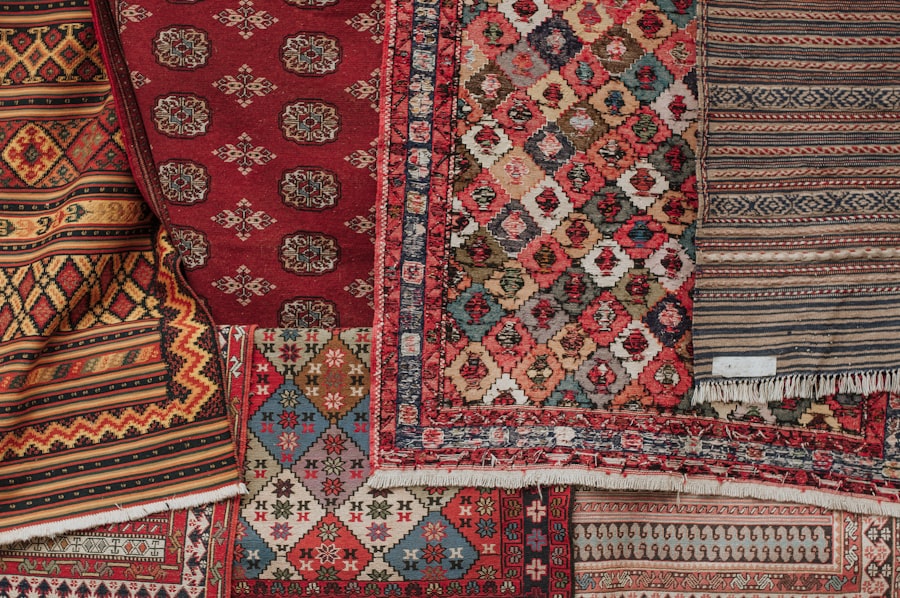
Converting plastic waste into fiber carpet involves a multi-step process that transforms discarded materials into valuable products. The journey begins with the collection of plastic waste, which often includes bottles, containers, and other single-use plastics. These materials are then sorted and cleaned to remove contaminants before being shredded into small pieces.
This shredded plastic is then melted down and extruded into fibers, which can be woven or tufted into carpets. The innovation does not stop at fiber production; manufacturers are also developing techniques to enhance the quality and durability of these carpets. For instance, additives may be introduced during the melting process to improve color retention and resistance to wear and tear.
Once the fibers are created, they can be dyed using environmentally friendly methods before being crafted into finished carpets. This entire process not only diverts plastic waste from landfills but also creates a sustainable product that meets consumer needs.
The Advantages of Using Sustainable Fiber Carpet
Sustainable fiber carpets offer numerous advantages over traditional carpeting options. Firstly, they significantly reduce environmental impact by repurposing plastic waste that would otherwise contribute to pollution. By utilizing recycled materials, these carpets help conserve natural resources and reduce the demand for virgin fibers, which often require extensive energy and water for production.
In addition to their environmental benefits, sustainable fiber carpets can also provide superior performance characteristics. Many of these carpets are designed to be durable and stain-resistant, making them suitable for high-traffic areas in homes and commercial spaces. Furthermore, they often come in a variety of styles and colors, allowing consumers to choose aesthetically pleasing options without compromising on sustainability.
As awareness grows about the benefits of sustainable fiber carpets, more consumers are likely to embrace these eco-friendly alternatives.
The Role of Technology in Transforming Plastic Waste
| Metric | Value | Unit | Notes |
|---|---|---|---|
| Recycled Plastic Content | 30-50 | % by weight | Typical range in downcycled carpet fibers |
| Fiber Tensile Strength | 15-25 | MPa | Lower than virgin fibers due to downcycling |
| Fiber Density | 0.9-1.4 | g/cm³ | Depends on plastic type (e.g., PET, PP) |
| Carpet Lifespan | 3-7 | Years | Reduced compared to virgin fiber carpets |
| Energy Consumption in Recycling | 50-70 | MJ/kg | Energy used to process plastic into carpet fibers |
| CO2 Emissions Reduction | 20-40 | % | Compared to producing virgin plastic fibers |
| Typical Plastic Types Used | PET, PP, HDPE | N/A | Common plastics for downcycled carpet fibers |
| Recyclability of Downcycled Carpet | Low | N/A | Further recycling is limited due to fiber degradation |
Technology plays a pivotal role in transforming plastic waste into sustainable products like fiber carpets. Advances in recycling technology have made it possible to efficiently process large volumes of plastic waste while maintaining high-quality standards for the final product. Innovations such as chemical recycling allow for the breakdown of plastics into their original monomers, enabling the creation of new fibers that are virtually indistinguishable from virgin materials.
Moreover, digital technologies are enhancing supply chain transparency and efficiency within the textile industry. Companies can now track the source of their materials and ensure that they meet sustainability criteria. This level of transparency not only builds consumer trust but also encourages manufacturers to adopt more responsible practices throughout their operations.
As technology continues to evolve, it will undoubtedly play an essential role in driving the transition toward a more sustainable textile industry.
The Importance of Collaboration in Creating Sustainable Solutions
Collaboration among various stakeholders is crucial for developing effective sustainable solutions in the textile industry. Manufacturers, designers, consumers, and policymakers must work together to create a comprehensive approach to sustainability that addresses environmental concerns while meeting market demands. By fostering partnerships across sectors, stakeholders can share knowledge, resources, and best practices that lead to innovative solutions.
For instance, collaborations between textile manufacturers and recycling companies can enhance the efficiency of material recovery processes. Designers can also play a vital role by creating products that are not only aesthetically appealing but also designed for longevity and recyclability. Additionally, policymakers can support these efforts by implementing regulations that encourage sustainable practices and incentivize companies to invest in eco-friendly technologies.
The Challenges of Implementing Sustainable Practices in the Textile Industry
Despite the growing interest in sustainability within the textile industry, several challenges hinder widespread adoption of sustainable practices. One significant barrier is the cost associated with transitioning to eco-friendly materials and processes. Many companies may be reluctant to invest in new technologies or change their supply chains due to perceived financial risks or uncertainties about market demand.
Another challenge lies in consumer awareness and education. While there is a growing segment of environmentally conscious consumers, many individuals remain unaware of the impact their purchasing decisions have on the environment. Without sufficient knowledge about sustainable options like fiber carpets made from recycled plastics, consumers may continue to choose traditional products that contribute to environmental degradation.
The Market Demand for Sustainable Fiber Carpet
The market demand for sustainable fiber carpets is on the rise as consumers increasingly prioritize eco-friendly products in their purchasing decisions. This shift is driven by a growing awareness of environmental issues and a desire to support brands that align with their values. As more consumers seek out sustainable options for their homes and businesses, manufacturers are responding by expanding their offerings of fiber carpets made from recycled materials.
Market research indicates that consumers are willing to pay a premium for sustainable products, recognizing the long-term benefits associated with eco-friendly choices. This trend presents an opportunity for manufacturers to differentiate themselves in a competitive market by highlighting their commitment to sustainability and environmental responsibility. As demand continues to grow, it is likely that more companies will invest in developing innovative sustainable fiber carpets that meet consumer expectations.
The Economic Benefits of Using Plastic Waste for Carpet Production
Utilizing plastic waste for carpet production presents several economic benefits beyond environmental sustainability. By repurposing discarded materials, manufacturers can reduce their reliance on virgin resources, leading to cost savings associated with raw material procurement. Additionally, recycling plastic waste can create new job opportunities within local communities as collection, sorting, and processing operations expand.
Furthermore, as consumer demand for sustainable products increases, companies that invest in eco-friendly practices may gain a competitive edge in the marketplace. By positioning themselves as leaders in sustainability, these companies can attract environmentally conscious consumers who are willing to support brands that prioritize responsible practices. Ultimately, embracing sustainable fiber carpet production not only benefits the environment but also contributes positively to economic growth.
The Future of Sustainable Fiber Carpet in the Textile Industry
The future of sustainable fiber carpet in the textile industry looks promising as innovations continue to emerge and consumer preferences shift toward eco-friendly options. As technology advances, manufacturers will likely develop even more efficient methods for converting plastic waste into high-quality fibers while minimizing environmental impact throughout the production process. Moreover, as awareness about sustainability grows among consumers and businesses alike, it is expected that regulatory frameworks will evolve to support sustainable practices within the textile industry.
This could lead to increased investment in research and development focused on creating new materials and processes that further enhance sustainability efforts. The future holds great potential for sustainable fiber carpets as they become an integral part of a more responsible textile industry.
How Consumers Can Support the Transition to Sustainable Fiber Carpet
Consumers play a vital role in supporting the transition to sustainable fiber carpets by making informed purchasing decisions and advocating for eco-friendly practices within the textile industry. By choosing products made from recycled materials or supporting brands committed to sustainability, consumers can drive demand for environmentally responsible options. Additionally, educating oneself about the impact of plastic waste and the benefits of sustainable alternatives can empower consumers to make choices that align with their values.
Sharing this knowledge with friends and family can further amplify awareness about sustainability issues within the textile sector. Ultimately, by actively participating in this transition toward sustainable fiber carpets, consumers can contribute to a healthier planet while enjoying high-quality products that reflect their commitment to environmental stewardship.
Plastic downcycling is an innovative approach to recycling that transforms discarded plastics into new products, such as fiber carpets. This process not only helps reduce waste but also promotes sustainability in the textile industry. For more insights on the impact of recycling and the benefits of downcycling, you can read a related article [here](https://www.heydidyouknowthis.com/sample-page/).
WATCH THIS! 🚨 THE RECYCLING LIE: How Big Oil Fooled the World for 50 Years 🚨
FAQs
What is plastic downcycling?
Plastic downcycling is the process of converting plastic waste into new materials of lower quality and reduced functionality compared to the original plastic. This often involves breaking down plastics into fibers or other forms that can be reused in less demanding applications.
How is plastic downcycling used in fiber carpets?
In fiber carpets, plastic downcycling involves recycling plastic waste, such as PET bottles or other plastic materials, into fibers that are then woven or tufted into carpet products. These recycled fibers help reduce the demand for virgin materials and divert plastic waste from landfills.
What types of plastics are commonly downcycled into carpet fibers?
Polyethylene terephthalate (PET), commonly found in beverage bottles, is the most frequently downcycled plastic used for carpet fibers. Other plastics like polypropylene (PP) may also be recycled into carpet fibers, depending on the recycling process and carpet manufacturing requirements.
What are the environmental benefits of downcycling plastic into carpets?
Downcycling plastic into carpets helps reduce plastic waste in landfills and oceans, lowers the demand for virgin plastic production, and decreases the carbon footprint associated with producing new synthetic fibers. It also promotes circular economy practices by giving plastic waste a second life.
Are carpets made from downcycled plastic fibers recyclable?
Carpets made from downcycled plastic fibers can be recyclable, but the recyclability depends on the carpet’s construction, adhesives, and backing materials. Some carpets are designed for easier recycling, while others may be more challenging to process at the end of their life.
Does downcycling plastic into carpet fibers affect the quality of the carpet?
Downcycled plastic fibers may have slightly different properties compared to virgin fibers, such as variations in strength or durability. However, advances in recycling technology have improved the quality of recycled fibers, allowing manufacturers to produce carpets that meet industry standards.
Is downcycling plastic into carpets a sustainable solution?
While downcycling helps reduce plastic waste and resource consumption, it is considered a partial solution. Downcycled products often have a shorter lifespan or lower quality than virgin materials. For full sustainability, downcycling should be combined with reducing plastic use, improving recycling technologies, and developing closed-loop recycling systems.
How can consumers identify carpets made from downcycled plastic fibers?
Consumers can look for product labels or certifications indicating the use of recycled content, such as recycled PET fibers. Many manufacturers provide information about the recycled content percentage and environmental benefits on product packaging or websites.