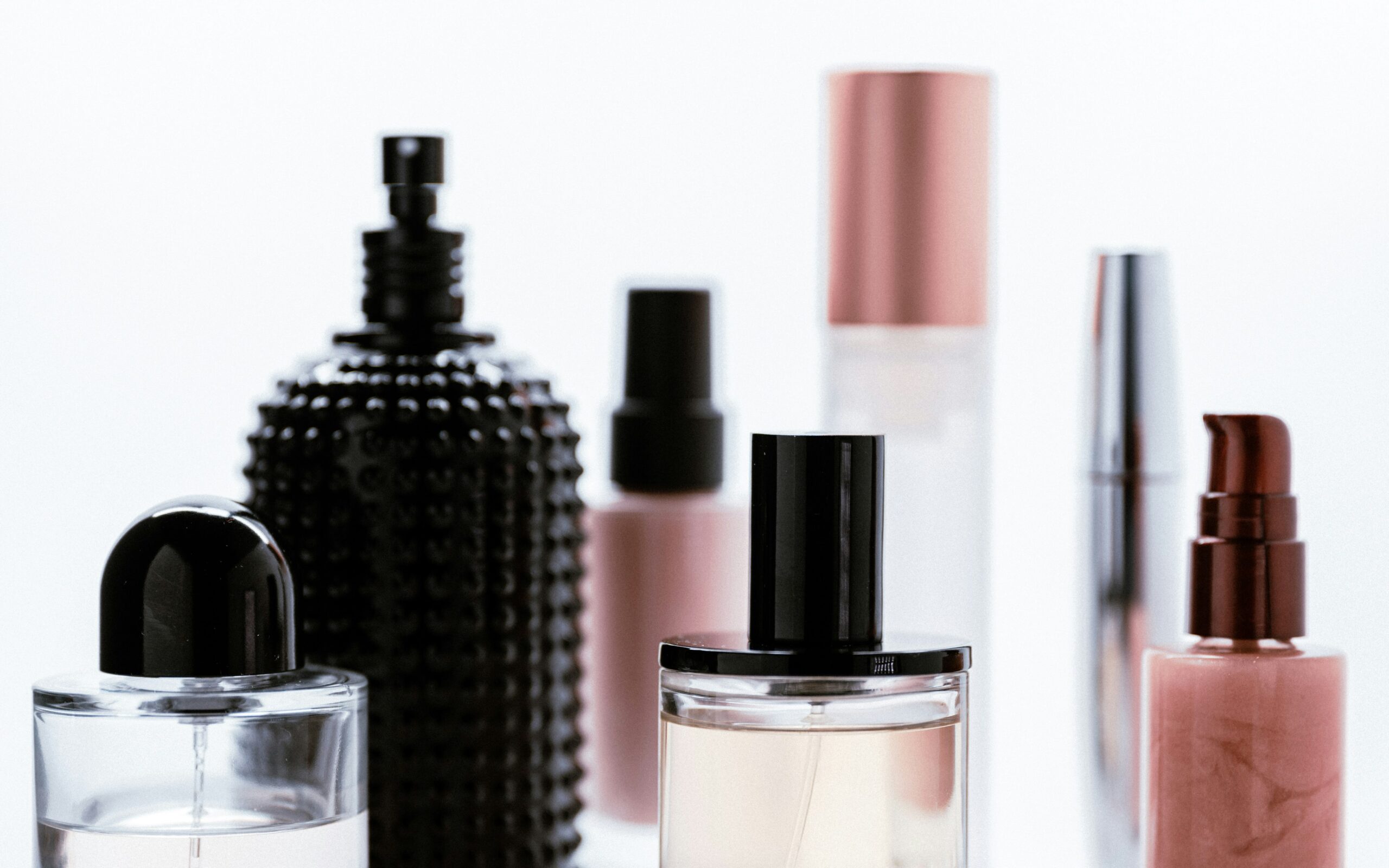
You dab on your favorite highlighter, a final flourish that catches the light. You might feel a boost of confidence, a subtle armor against the world. But beneath the shimmering surface of your makeup, a silent drama could be unfolding. The products you use daily, the very things that enhance your beauty, can also harbor a hidden threat: toxic chemicals that interfere with your body’s delicate hormonal symphony. This article will explore the pervasive issue of toxic cosmetics and their potentially profound impact on your endocrine system, the intricate network of glands that orchestrates your body’s vital functions.
You likely own a collection of beauty products – lotions, shampoos, mascaras, lipsticks. Each promises to transform, enhance, or protect. But between the pleasant fragrances and silky textures, a menagerie of chemical compounds can reside. Many of these are not inert ingredients; they are active agents, designed to alter the chemical makeup of your skin, hair, or nails. While some are benign and serve their intended purpose without consequence, others are known endocrine disruptors, slipping past your body’s defenses and sowing seeds of hormonal imbalance. Understanding these chemicals is the first step to reclaiming control over your product choices and, by extension, your health. They are like tiny trespassers, finding their way into your system and then playing havoc with the carefully guarded gates of your endocrine system.
Phthalates: The Plasticizers with a Punch
You may not see “phthalates” listed explicitly on ingredient labels, as they are often grouped under the umbrella term “fragrance.” These ubiquitous chemicals are primarily used to make plastics more flexible and durable. In cosmetics, they serve as solvents and fixatives, helping perfumes linger and makeup adhere.
The Endocrine Sabotage
Phthalates are a well-studied group of endocrine disruptors. They are known to mimic estrogen, the primary female sex hormone. This means they can bind to estrogen receptors in your body, triggering hormonal responses that are not naturally occurring.
Estrogen Mimicry: A Trojan Horse
When phthalates enter your system, they can act like a wolf in sheep’s clothing. They appear to be estrogen, tricking your cells into believing they are receiving the real hormone. This can lead to an excess of estrogenic activity, even if your natural estrogen levels are within the normal range.
Reproductive Woes
The impact of phthalate exposure on reproductive health is a significant concern. Studies have linked phthalate exposure in women to issues such as irregular menstrual cycles, decreased fertility, and an increased risk of endometriosis. For men, exposure has been associated with reduced sperm count and quality, as well as developmental abnormalities in male reproductive organs.
Beyond Reproduction: A Systemic Ripple Effect
The influence of phthalates extends beyond the reproductive system. Their estrogen-mimicking properties can also affect thyroid hormone function and contribute to the development of hormone-sensitive cancers, such as breast and prostate cancer. This is because many hormone-sensitive tissues in your body are influenced by estrogen, and phthalates can disrupt the balance in these tissues as well.
Parabens: The Preservatives with a Problem
Parabens are a family of preservatives commonly found in a wide range of cosmetic and personal care products, from moisturizers and sunscreens to makeup and shampoos. Their primary function is to prevent the growth of bacteria, mold, and yeast, thereby extending the shelf life of your products.
The Mimicry and Mayhem
Like phthalates, parabens also possess estrogenic properties. They can bind to estrogen receptors and exert their own estrogenic influence, similar to the natural hormone.
Chemical Imposters in Your Tissues
Parabens are notable for their ability to accumulate in the body. Research has detected parabens in breast tissue, urine, and blood samples. This persistent presence means their disruptive effects can be ongoing, acting as a constant whisper in your hormonal ear.
The Breast Cancer Connection
The estrogenic activity of parabens has raised particular concern regarding their role in breast cancer. Some studies suggest a correlation between paraben accumulation in breast tissue and an increased risk of developing breast cancer, especially in women. While the direct causal link is complex and still under investigation, the scientific community acknowledges the potential for concern.
Disrupting More Than Just Estrogen
While estrogenic activity is the most discussed hormonal impact of parabens, research also suggests they can interfere with other endocrine pathways, including those related to thyroid function. This broad interference underscores the systemic nature of their impact.
Heavy Metals: The Unwanted Guests
You might not think of metals like lead, mercury, and arsenic as ingredients in your makeup, but they can be present as contaminants in colorants and other raw materials used in cosmetic production. They often slip in unnoticed, like uninvited guests at your endocrine party.
The Silent Accumulation
Many heavy metals are not readily eliminated from the body. Instead, they can accumulate in tissues over time, leading to chronic exposure and potentially delayed or long-term health consequences.
Neurotoxic Tendencies
Certain heavy metals, like lead and mercury, are well-known neurotoxins. They can cross the blood-brain barrier and interfere with nerve function, impacting cognitive development, behavior, and overall neurological health. This is particularly concerning for pregnant women and young children.
Hormone Hijacking
Beyond their direct neurotoxicity, heavy metals can also disrupt hormone production and function. They can interfere with the enzymes involved in hormone synthesis and directly damage endocrine glands.
A Cocktail of Concerns
The presence of multiple heavy metals in cosmetics can create a synergistic effect, meaning their combined toxicity can be greater than the sum of their individual impacts. You might be exposed to a cocktail of these toxic elements, each contributing to the overall burden on your endocrine system.
The impact of toxic cosmetics on hormones is a growing concern, as many personal care products contain harmful chemicals that can disrupt endocrine function. For a deeper understanding of this issue, you can read a related article that explores the various ways these substances affect hormonal balance and overall health. To learn more, visit this article.
Skin Deep and Beyond: Absorption and Accumulation
You apply your foundation, your moisturizer, your lipstick – these products are designed to adhere to your skin. This direct application, however, is precisely what makes them so effective at delivering their chemical payload not just to the surface, but deep within your body. Your skin, your largest organ, is not an impenetrable barrier. It’s more like a permeable membrane, a sophisticated filtering system that, under certain conditions, can absorb a surprising array of substances.
The Permeable Veil: Your Skin’s Absorption Gateway
Your skin possesses a remarkable ability to absorb substances, a process that can be influenced by various factors. The stratum corneum, the outermost layer of your skin, acts as a primary barrier. However, ingredients like surfactants, solvents, and penetration enhancers in cosmetic formulations can weaken this barrier, allowing other chemicals to pass through more easily.
Factors Influencing Absorption
The condition of your skin plays a significant role. Damaged or irritated skin is more permeable than healthy skin. The area of application also matters; thinner skin, such as on your face or neck, absorbs substances more readily than thicker skin, like on your palms. The presence of other substances on your skin can also enhance or inhibit absorption.
Systemic Entry: From Skin to Bloodstream
Once a chemical penetrates the skin’s defenses, it enters the bloodstream. From there, it can travel throughout your body, reaching various organs and tissues, including your endocrine glands. This systemic exposure is where the real hormonal interference begins.
The Circulatory Highway
Think of your bloodstream as a complex network of highways. Once a chemical enters it, it has direct access to all parts of your body. This means a substance applied to your face can eventually reach your thyroid gland in your neck or your ovaries deep within your pelvis.
The Body’s Storage Units: Fat Tissues and Beyond
Many of the chemicals found in cosmetics are lipophilic, meaning they are attracted to fat. When these substances enter your bloodstream, they can be stored in your body’s fat tissues. This fat tissue acts like a reservoir, slowly releasing the chemicals back into your bloodstream over time, leading to prolonged exposure.
The Long Game of Exposure
This accumulation in fat tissues means that even if you stop using certain products, the chemicals you’ve absorbed can remain in your body for years. This creates a cumulative effect, and the hormonal disruption may not be immediately apparent, but rather a slow burn that manifests over time.
Hormonal Hijinks: The Cascade of Endocrine Disruption
The endocrine system is a master conductor, orchestrating critical bodily functions through the precise release of hormones. When endocrine-disrupting chemicals (EDCs) enter this delicate system, they can throw off the conductor’s rhythm, leading to a cascade of disruptions that affect everything from your mood and metabolism to your reproductive health and susceptibility to disease.
Mimicking, Blocking, and Creating Chaos
EDCs exert their influence through several key mechanisms. They can mimic natural hormones, block hormone receptors that are supposed to receive natural signals, or alter the synthesis, metabolism, and transport of hormones within the body.
The Echo Chamber Effect
Imagine shouting into a cave and hearing multiple echoes. EDCs can enter your body and create false echoes of natural hormones, or they can jam the signals that natural hormones are trying to send. This confusion can lead to an overproduction or underproduction of certain hormones, or their release at the wrong times.
Reproductive Rights Under Threat
The most well-documented impact of EDCs is on the reproductive system. Hormones like estrogen, testosterone, and progesterone play crucial roles in fertility, puberty, and sexual development. EDCs can interfere with these delicate processes.
Puberty’s Pranks
Exposure to EDCs during critical developmental windows, such as in utero or during puberty, can lead to premature or delayed puberty, irregular menstrual cycles, and difficulties in achieving pregnancy later in life. The timing of these hormonal shifts is crucial, and EDCs can disrupt this precise timing.
Fertility’s Fragility
In adults, EDCs can contribute to infertility in both men and women by affecting sperm production and quality, ovulation, and the ability of the uterus to support a pregnancy. They can be like tiny saboteurs, chipping away at your reproductive potential.
Beyond Reproduction: A Systemic Wrench
The impact of endocrine disruption is not confined to the reproductive organs. EDCs can influence a wide range of bodily systems.
Thyroid’s Turmoil
The thyroid gland produces hormones that regulate metabolism, energy levels, and growth. Many EDCs can interfere with thyroid hormone production and function, leading to conditions like hypothyroidism or hyperthyroidism. This can manifest as fatigue, weight gain, or inexplicable weight loss.
Metabolic Mayhem
Recent research suggests that EDCs may play a role in the development of metabolic disorders, including obesity and type 2 diabetes. They can interfere with the hormones that regulate appetite, fat storage, and glucose metabolism.
Cancer’s Complicity
The link between EDCs and certain hormone-sensitive cancers, such as breast, prostate, and ovarian cancer, is a growing area of concern. By mimicking or interfering with natural hormones, EDCs can promote the growth of cancer cells.
Understanding Ingredient Labels: Your Power of Choice
The ingredient list on your cosmetic products can appear as a cryptic language of scientific nomenclature. However, for those concerned about endocrine disruption, deciphering these labels is akin to obtaining a treasure map, guiding you towards safer choices. Armed with knowledge, you can navigate the beauty aisle with greater confidence, making informed decisions that prioritize your well-being.
Navigating the Nomenclature: Common Culprits and Their Aliases
Familiarizing yourself with the common endocrine disruptors and their alternatives is your first line of defense. You may need a magnifying glass for some labels, but the effort is worthwhile.
The Phthalate Puzzle: Look for “Fragrance”
Because phthalates are often hidden under the umbrella term “fragrance,” this single word can be a red flag. Opt for fragrance-free products or those labeled as scented with natural essential oils.
The Paraben Patrol: Identifying by Suffix
Parabens typically end in “-paraben,” such as methylparaben, propylparaben, and butylparaben. Look for these on ingredient lists, and seek out “paraben-free” formulations.
Heavy Metal Hunt: A Contaminant Concern
While not always listed as direct ingredients, heavy metals can be present as contaminants. Look for reputable brands that provide transparency about their sourcing and testing for heavy metals. Certifications from independent bodies can offer assurance.
Seeking Safer Alternatives: The Rise of “Clean Beauty”
The growing awareness of toxic ingredients has fueled a movement towards “clean beauty.” This term broadly refers to products formulated without certain potentially harmful chemicals.
The Promise of “Free-From” Claims
Many “clean beauty” brands emphasize “free-from” claims, such as “paraben-free,” “phthalate-free,” and “sulfate-free.” While these claims can be helpful, it’s still essential to review the full ingredient list.
Understanding Certifications and Third-Party Validation
Look for third-party certifications from organizations that vet ingredient safety. These certifications can provide an extra layer of assurance that a product has met certain safety standards.
The Power of Research and Advocacy
Don’t be afraid to research brands and ingredients further. Many organizations and websites provide comprehensive databases of ingredient safety and product reviews.
Your Voice Matters: Consumer Demand Drives Change
When you choose to purchase products from brands that prioritize ingredient safety and transparency, you are sending a powerful message. Consumer demand is a significant driver of change in the beauty industry, encouraging companies to reformulate their products and offer healthier options.
The impact of toxic cosmetics on hormones is a growing concern as more studies reveal the potential risks associated with everyday beauty products. Many consumers are unaware that certain chemicals found in cosmetics can disrupt hormonal balance, leading to various health issues. For a deeper understanding of this topic, you can explore a related article that discusses the implications of these harmful substances on our endocrine system. By staying informed, individuals can make better choices for their health and well-being. To learn more, visit this informative article.
Embracing a Holistic Approach: Beyond the Beauty Aisle
| Cosmetic Ingredient | Hormonal Impact | Common Products | Reported Effects | Reference Studies |
|---|---|---|---|---|
| Phthalates | Endocrine disruption; mimics estrogen | Perfumes, nail polish, hair sprays | Altered reproductive development, reduced testosterone | Silva et al., 2004; Swan et al., 2005 |
| Parabens | Weak estrogenic activity | Moisturizers, shampoos, deodorants | Potential breast cancer risk, hormone imbalance | Darbre et al., 2004; Routledge et al., 1998 |
| Triclosan | Thyroid hormone disruption | Antibacterial soaps, toothpaste | Altered thyroid hormone levels, developmental issues | Paul et al., 2010; Zorrilla et al., 2009 |
| BPA (Bisphenol A) | Estrogen mimic; disrupts multiple hormones | Some makeup containers, packaging | Reproductive abnormalities, metabolic disorders | Rubin, 2011; Vandenberg et al., 2009 |
| Lead | Interferes with hormone synthesis and regulation | Traditional lipsticks, eyeliners | Neurotoxicity, reproductive toxicity | Silbergeld, 1991; ATSDR, 2007 |
While scrutinizing your cosmetics is a crucial step, remember that your overall health and exposure to endocrine disruptors extend far beyond the contents of your makeup bag. A truly protective strategy involves a holistic approach, encompassing your diet, lifestyle, and awareness of other potential environmental triggers.
Diet as Defense: Nourishing Your Hormones
What you eat plays a profound role in your body’s ability to detoxify and maintain hormonal balance. Food is not just fuel; it’s also your internal pharmacy.
The Antioxidant Arsenal: Fighting Free Radicals
A diet rich in fruits, vegetables, and whole grains provides antioxidants that help your body combat oxidative stress, which can be exacerbated by chemical exposure. These antioxidants act as tiny defenders, neutralizing harmful free radicals.
The Importance of Fiber
Fiber helps to move waste and toxins through your digestive system, reducing the likelihood of reabsorption. It’s like a broom sweeping through your internal plumbing.
Limiting Processed Foods
Highly processed foods often contain hidden chemicals, artificial additives, and unhealthy fats that can burden your endocrine system. Prioritizing whole, unprocessed foods is a cornerstone of hormonal health.
Lifestyle Choices: Minimizing Your Chemical Load
Your daily habits and environment can significantly influence your exposure to endocrine disruptors. Make conscious choices to reduce your chemical footprint.
Water Wisdom: Filtering and Avoiding Plastics
Choose filtered water over tap water whenever possible, and opt for glass or stainless steel water bottles instead of plastic. Many plastics can leach endocrine-disrupting chemicals into your water, especially when heated.
Air Quality Matters: Ventilation and Indoor Plants
Ensure good ventilation in your home, and consider incorporating indoor plants that can help to purify the air. Fragrances from candles and air fresheners can also contain harmful chemicals.
Awareness and Action: Becoming an Informed Consumer
Knowledge is your greatest ally in the fight against endocrine disruptors. Continuously educate yourself and advocate for healthier products and environments.
Staying Informed About Research
The science surrounding endocrine disruption is constantly evolving. Stay updated on new research and findings from reputable sources.
Supporting Brands Committed to Safety
Vote with your wallet. Support brands that are transparent about their ingredients and demonstrate a commitment to formulating safe and effective products. Your purchasing power can shape the future of the beauty industry.
By taking a comprehensive view of your health and actively seeking out safer alternatives, you can significantly reduce your exposure to toxic cosmetics and their hormonal impacts, empowering yourself to make choices that nurture your well-being from the inside out.
FAQs
What are toxic cosmetics?
Toxic cosmetics are beauty and personal care products that contain harmful chemicals such as parabens, phthalates, formaldehyde, and heavy metals. These substances can pose health risks when absorbed through the skin or inhaled.
How do toxic cosmetics affect hormones?
Many toxic chemicals in cosmetics act as endocrine disruptors, meaning they can interfere with the body’s hormone system. They may mimic or block natural hormones, leading to imbalances that affect growth, reproduction, metabolism, and other bodily functions.
Which hormones are most commonly impacted by toxic cosmetics?
Toxic chemicals in cosmetics often affect estrogen, testosterone, and thyroid hormones. For example, parabens can mimic estrogen, potentially disrupting reproductive health, while phthalates have been linked to altered testosterone levels.
What are the potential health consequences of hormone disruption from cosmetics?
Hormone disruption caused by toxic cosmetics can lead to reproductive issues, developmental problems, increased risk of certain cancers, metabolic disorders, and other health concerns. The severity depends on exposure levels and individual susceptibility.
How can consumers reduce their exposure to hormone-disrupting chemicals in cosmetics?
Consumers can reduce exposure by choosing products labeled as free from parabens, phthalates, and other harmful chemicals, opting for natural or organic cosmetics, reading ingredient lists carefully, and supporting brands with transparent safety practices.