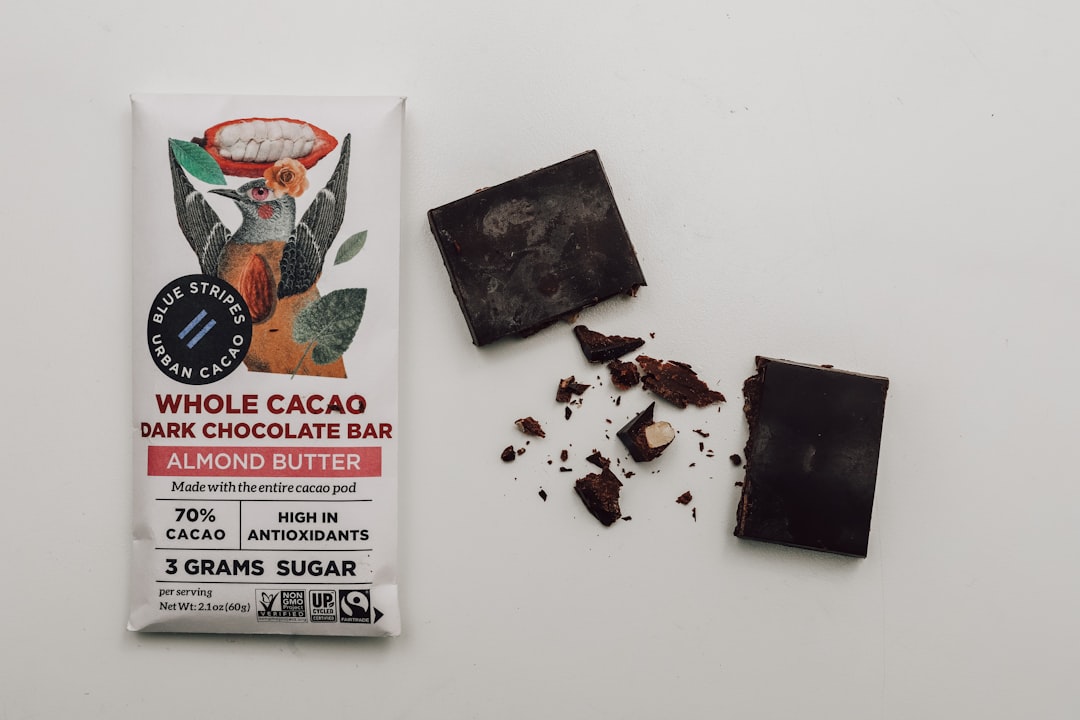
Organic dark chocolate, a confectionery product prized for its complex flavor profile and perceived health benefits, has garnered significant attention in recent years. This article explores several prominent brands and their offerings within the burgeoning organic dark chocolate market. The focus remains on factual presentation, adhering to a style commonly found in encyclopedic resources, examining characteristics such as cacao percentage, ingredient sourcing, and flavor nuances without resorting to exaggerated praise.
The term “organic” signifies a commitment to specific agricultural and processing standards. For chocolate, this typically translates to cacao beans cultivated without synthetic pesticides, herbicides, or fertilizers. Furthermore, organic certification often prohibits the use of genetically modified organisms (GMOs) and requires adherence to specific animal welfare standards if associated with other ingredients like dairy (though dark chocolate often omits dairy).
The Role of Certifying Bodies
Numerous organizations worldwide oversee organic certification. In the United States, the USDA Organic seal is widely recognized, indicating compliance with the National Organic Program (NOP) standards. Similar bodies exist internationally, such as the European Union’s organic logo, the Soil Association in the UK, and Ecocert in various countries. Each certifying body has a rigorous inspection process to ensure that producers meet their stringent criteria, from farm to factory.
Beyond Organic: Fair Trade and Ethical Sourcing
While organic certification addresses agricultural practices, other labels like “Fair Trade” focus on social and economic equity for cacao farmers. Fair Trade certification ensures that farmers receive a guaranteed minimum price for their beans and often an additional premium for community development projects. Many organic chocolate producers also align with Fair Trade principles, creating a more holistic approach to ethical sourcing. The symbiosis of organic farming and fair trade practices creates a more sustainable ecosystem for cacao production.
If you’re looking to explore the benefits and varieties of organic dark chocolate options, you might find this related article insightful. It delves into the health advantages of consuming organic dark chocolate, including its antioxidant properties and potential mood-enhancing effects. For more information, check out the article here: Organic Dark Chocolate Options.
Factors Influencing Dark Chocolate Quality
The journey from cacao bean to chocolate bar is a complex alchemy, with numerous variables influencing the final product’s quality. For dark chocolate, where the robust flavor of the cacao takes center stage, these factors are particularly crucial.
Cacao Percentage: A Spectrum of Intensity
The cacao percentage on a dark chocolate bar indicates the proportion of ingredients derived from the cacao bean. This includes cacao mass (cocoa solids and cocoa butter) and often cocoa powder. A higher percentage generally signifies a more intense, less sweet flavor and a more robust presence of the cacao’s inherent bitterness and fruit notes. For example, a 70% dark chocolate will present a different sensory experience than an 85% or 90% bar, the latter being a more unadulterated expression of the bean itself.
Bean Origin and Terroir
Just as with wine, the provenance of cacao beans, or “terroir,” significantly impacts their flavor profile. Cacao grown in different regions—such as Madagascar, Ecuador, or the Dominican Republic—possesses distinct characteristics. For instance, Madagascan beans are often noted for their bright, citrusy, and red fruit notes, while Ecuadorian beans might present with more floral or nutty undertones. The soil composition, climate, and local fermentation practices all contribute to this unique identity, creating a diverse palette for the chocolate maker.
Processing Techniques: From Roasting to Conching
The processing of cacao beans after harvest also plays a pivotal role. Roasting, for example, develops flavor precursors and reduces bitterness. The intensity and duration of the roast can dramatically alter the chocolate’s final taste. Conching, a prolonged mixing process, refines the texture and further develops flavors by volatilizing undesirable acidic compounds. The duration and equipment used for conching vary between manufacturers, resulting in different levels of smoothness and flavor integration.
Top Organic Dark Chocolate Picks: A Detailed Examination

This section delves into specific organic dark chocolate brands and their notable offerings, providing a factual overview of their characteristics and unique selling propositions.
Alter Eco Organic Dark Chocolate
Alter Eco, an American company, has established itself as a prominent player in the ethical and organic chocolate market. Their commitment extends beyond organic certification to include Fair Trade practices and a focus on sustainability, including compostable or recyclable packaging.
Alter Eco Dark Blackout (85% Cacao)
The “Blackout” bar, at 85% cacao, represents a robust, intense dark chocolate experience. The flavor profile is characterized by deep roasted notes, a subtle earthiness, and a clean finish. The texture is typically smooth, a result of their conching process. The cacao for this bar is often sourced from Ecuador, contributing to its distinct flavor. It appeals to those who appreciate the unadulterated bitterness and complexity of high-cacao chocolate.
Alter Eco Super Dark Deep Dark Sea Salt (70% Cacao)
This 70% cacao bar incorporates fleur de sel (sea salt), which acts as a flavor enhancer, amplifying the inherent chocolate notes and providing a contrasting texture. The salt crystals offer intermittent bursts of salinity, preventing the chocolate from becoming monolithic in taste. The cacao used is a blend, often including beans from the Dominican Republic and Ecuador, contributing to a balanced flavor with hints of fruit and nutt, underscored by the salty counterpoint.
Equal Exchange Organic Dark Chocolate
Equal Exchange, a worker-owned cooperative, has a long-standing commitment to Fair Trade and organic sourcing. They directly partner with small farmer co-operatives, ensuring that a significant portion of chocolate’s value remains with the producers.
Equal Exchange Organic Panama Extra Dark (80% Cacao)
The Panama Extra Dark bar, at 80% cacao, is often noted for a flavor profile that leans towards fruity and wine-like notes, characteristic of beans sourced from the Panamanian region. There is a noticeable acidity that brightens the chocolate, preventing it from being overly heavy. The texture is often described as slightly rustic, maintaining some of the bean’s inherent character. This bar is a testament to the distinctiveness of single-origin cacao.
Equal Exchange Organic Mint Crisp (67% Cacao)
This 67% cacao offering incorporates peppermint crisp, providing a refreshing and textural contrast to the dark chocolate. The mint flavor is typically well-balanced, not overpowering the cacao but rather complementing it. The combination of bittersweet chocolate and cooling mint is a classic pairing, and Equal Exchange’s organic approach ensures that both components are ethically sourced and free from synthetic additives.
Green & Black’s Organic Dark Chocolate
Green & Black’s, a British brand with a strong emphasis on organic and ethical sourcing, has been a pioneer in the premium organic chocolate market since its inception.
Green & Black’s Organic Dark Chocolate (70% Cacao)
The signature 70% cacao bar from Green & Black’s is often considered a benchmark for approachable dark chocolate. It presents a balanced flavor profile, with notes of red fruit, a subtle earthiness, and a pleasant bitterness that is not overwhelming. The texture is usually very smooth and melts evenly, making it a versatile option for both eating and culinary applications. The blend of cacao beans, often from the Dominican Republic, contributes to its consistent and well-rounded flavor.
Green & Black’s Organic Burnt Toffee (60% Cacao)
While 60% cacao is on the lower end of what is typically considered “dark,” this bar features crispy burnt toffee pieces that add both sweetness and a crunchy texture. The toffee’s caramelized notes intertwine with the bittersweet chocolate, creating a rich and indulgent experience. This bar caters to consumers who prefer a less intense cacao experience but still appreciate the depth of dark chocolate, enhanced by complementary inclusions.
Satori Organic Dark Chocolate
Satori, a brand focused on purity and artisanal quality, often emphasizes minimal ingredients and the unique characteristics of single-origin cacao.
Satori Organic Single Origin Ecuador (70% Cacao)
Satori’s 70% Single Origin Ecuador bar showcases the distinct flavor profile of Ecuadorian cacao beans. These beans are frequently associated with floral notes, often jasmine or rose, and sometimes hints of nuts or caramel. The chocolate generally has a bright, clean finish and a melt that is smooth yet firm. This bar is a good entry point for those wishing to explore the nuances of single-origin dark chocolate.
Satori Organic Single Origin Dominican Republic (80% Cacao)
The 80% Single Origin Dominican Republic bar from Satori offers a more intense experience, highlighting the robust character of these beans. Dominican Republic cacao is often characterized by a strong chocolate flavor, with hints of red berries and occasionally a touch of spice. The higher cacao percentage enhances the bitterness and complexity, appealing to connoisseurs who seek a powerful and unadulterated cacao encounter.
Theo Chocolate Organic Dark Chocolate
Theo Chocolate, based in Seattle, is notable as the first organic and Fair Trade certified bean-to-bar chocolate maker in North America. They maintain strict control over the entire production process, from sourcing to the finished bar.
Theo Organic Dark Chocolate (70% Cacao)
Theo’s flagship 70% dark chocolate bar is characterized by a classic, well-rounded chocolate flavor. It often presents with notes of fudge and brown sugar, alongside a moderate bitterness. The texture is typically very smooth, indicating a thorough conching process. It is a palatable option for a broad range of dark chocolate enthusiasts, offering a harmonious balance.
Theo Organic Salted Almond Dark Chocolate (70% Cacao)
This 70% cacao bar incorporates roasted almonds and sea salt, providing textural contrast and an enhanced flavor profile. The crunch of the almonds, combined with their nutty flavor, complements the bittersweet chocolate. The sea salt, similar to other salted dark chocolates, brightens the overall taste and provides a subtle counterpoint to the chocolate’s inherent sweetness.
Health Considerations and Consumption
While dark chocolate is often lauded for its potential health benefits, it is important to contextualize these claims and advocate for mindful consumption.
Antioxidant Properties
Dark chocolate is a notable source of antioxidants, particularly flavonoids like proanthocyanidins. These compounds are believed to combat oxidative stress in the body. The concentration of these antioxidants is directly proportional to the cacao percentage; thus, higher-cacao dark chocolates generally offer more potent antioxidant activity.
Mineral Content
Beyond antioxidants, dark chocolate also provides several essential minerals. These include iron, magnesium, copper, and manganese. Magnesium, for example, plays a role in muscle and nerve function, while iron is crucial for oxygen transport. The presence of these micronutrients further contributes to the nutritional profile of dark chocolate.
Moderate Consumption is Key
Despite its potential health benefits, dark chocolate remains a calorie-dense food, primarily due to its fat (cocoa butter) and sugar content (even in high-cacao varieties). Therefore, it should be consumed in moderation as part of a balanced diet. A typical serving is often considered to be one or two squares (approximately 1 ounce or 30 grams) per day. Overconsumption can lead to an excessive intake of calories and sugar, negating some of the perceived benefits. Think of it as a potent elixir, best savored in small doses rather than consumed in great gulps.
If you’re exploring the world of organic dark chocolate options, you might find it interesting to read about the health benefits associated with this delightful treat. Organic dark chocolate is not only a delicious indulgence but also packed with antioxidants and essential minerals. For a deeper dive into the various types and brands available, check out this insightful article on organic chocolate that highlights some of the best choices on the market today.
Conclusion
| Brand | Cocoa Percentage | Organic Certification | Fair Trade Certified | Sugar Content (per 100g) | Price Range | Notes |
|---|---|---|---|---|---|---|
| Green & Black’s | 70% | USDA Organic | Yes | 30g | Medium | Rich flavor, widely available |
| Lindt Excellence | 85% | EU Organic | No | 20g | Medium-High | Smooth texture, intense cocoa taste |
| Alter Eco | 70% | USDA Organic | Yes | 28g | Medium | Ethically sourced, sustainable packaging |
| Endangered Species | 72% | USDA Organic | Yes | 32g | Medium | Supports wildlife conservation |
| Equal Exchange | 70% | USDA Organic | Yes | 29g | Low-Medium | Fair trade cooperative sourced |
The organic dark chocolate market offers a rich tapestry of flavors, textures, and ethical considerations. From the intense fruitiness of a Madagascan bean to the balanced roast notes of an Ecuadorian blend, the choices are as diverse as the origins of the cacao itself. Understanding the nuances of cacao percentage, bean origin, and processing techniques allows the consumer to navigate this landscape with greater discernment. Importantly, the commitment to organic and often Fair Trade practices ensures that these delectable treats are not only good for the palate but also contribute to a more sustainable and equitable global food system. As you embark on your own journey through the realm of organic dark chocolate, remember that each bar tells a story, a narrative woven from the soil, the sun, and the hands that cultivate this extraordinary bean.
FAQs
What is organic dark chocolate?
Organic dark chocolate is chocolate made from cocoa beans that are grown without the use of synthetic pesticides, herbicides, or genetically modified organisms (GMOs). It typically contains a higher percentage of cocoa solids and is processed using organic-certified methods.
How does organic dark chocolate differ from regular dark chocolate?
Organic dark chocolate is produced from cocoa beans grown under organic farming standards, which avoid synthetic chemicals and promote environmental sustainability. Regular dark chocolate may use conventionally grown cocoa beans that could be treated with pesticides or other chemicals.
Are there health benefits to choosing organic dark chocolate?
Organic dark chocolate contains antioxidants, flavonoids, and minerals that can support heart health and improve mood. Choosing organic options may reduce exposure to pesticide residues and support environmentally friendly farming practices.
What should I look for when buying organic dark chocolate?
Look for certifications such as USDA Organic or other recognized organic labels. Check the cocoa content, aiming for at least 70% cocoa solids for richer flavor and higher antioxidant levels. Also, consider fair trade certifications to support ethical sourcing.
Can organic dark chocolate be suitable for people with dietary restrictions?
Many organic dark chocolates are dairy-free, gluten-free, and vegan, but it is important to check the ingredient list and allergen information. Some brands may add nuts, soy lecithin, or other ingredients, so verifying the label is essential for those with allergies or dietary restrictions.