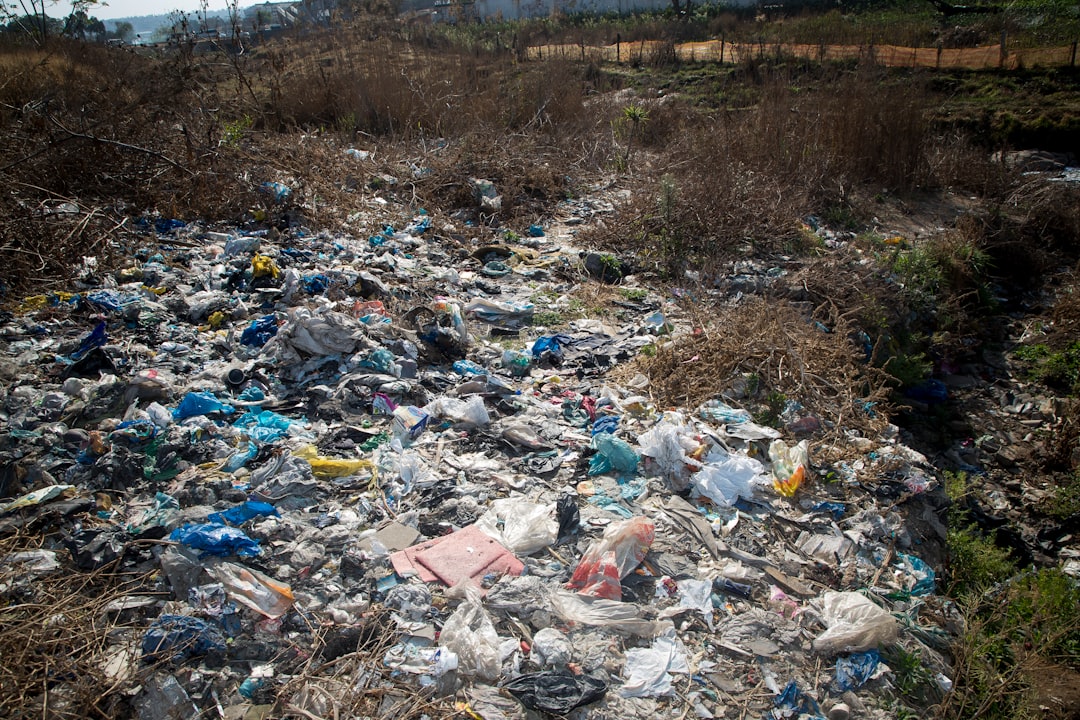
You’re standing at the edge, the air thick with a acrid, chemical stench that bites at your throat. Before you, a scene of devastation unfolds – a landscape scarred by an event of immense, and to be frank, horrifying proportions. This is the aftermath of a tire fire, and the cleanup is not just an operation; it’s an environmental battle against a disaster that leaves a lingering, toxic legacy. The cost, both in dollars and in the health of your planet, is astronomical.
You might imagine tires as inert, everyday objects. That perception shatters when they ignite in a massive, uncontrolled burn. These aren’t your average house fires. The sheer volume of rubber, the petrochemical content within, and the often-cramped storage conditions create a perfect storm for prolonged, intense conflagrations.
The Genesis of a Disaster
- Accumulation and Neglect: Tire fires rarely spring from nowhere. They are often the culmination of years, sometimes decades, of unchecked accumulation of used tires. Landfills, informal dumping sites, and even purpose-built storage facilities can become tinderboxes when subjected to inadequate fire prevention measures and poor management. You see the stark visual evidence: mountains of rubber, stacked precariously, awaiting a spark.
- The Ignition Source: The catalyst can be anything from arson – a deliberate, destructive act – to a carelessly discarded cigarette, faulty electrical equipment, or even spontaneous combustion under extreme heat conditions. The sheer density of the material and the lack of oxygen flow can trap heat, leading to internal temperatures that initiate the blaze.
The Unique Perils of Burning Rubber
- Intense Heat and Longevity: Unlike wood or ordinary combustible materials, tires burn at incredibly high temperatures. This intense heat can melt nearby materials, spread the fire through underground channels, and make firefighting efforts incredibly difficult and dangerous. Their sheer volume means these fires can burn for days, weeks, or even months, relentlessly spewing toxic smoke into the atmosphere.
- Chemical Cocktail Release: The burning process releases a complex and dangerous cocktail of chemicals. You’re not just dealing with smoke; you’re dealing with carcinogens, volatile organic compounds (VOCs), heavy metals, and particulate matter. These substances, released in massive quantities, travel far beyond the immediate fire zone.
The cleanup costs associated with tire fire environmental disasters can be staggering, often reaching millions of dollars due to the extensive damage caused to air, soil, and water resources. A related article that delves into the financial implications and challenges of such cleanups can be found at Hey Did You Know This. This resource provides valuable insights into the complexities of managing hazardous waste and the long-term effects of tire fires on local ecosystems.
The Environmental Scars: What Happens to Your Planet?
The immediate visual of a tire fire is devastating, but the long-term environmental impact is insidious and far-reaching. The damage isn’t confined to the burn site; it seeps into the very fabric of the ecosystem.
Air Pollution on a Grand Scale
- Atmospheric Contamination: The smoke plume from a tire fire is a toxic cloud. It carries soot, ash, and a cocktail of hazardous air pollutants (HAPs) high into the atmosphere. You can observe the dark, oily residue that settles on surfaces miles away, a constant reminder of the airborne contamination. This isn’t just an aesthetic problem; these pollutants are directly harmful.
- Health Impacts of Inhaled Toxins: The health consequences for communities living downwind are severe. Exposure to the byproducts of tire fires has been linked to respiratory illnesses, cardiovascular problems, skin irritations, and, most concerningly, an increased risk of various cancers. Children and the elderly are particularly vulnerable. You understand that this isn’t an abstract threat; it’s a direct assault on public health.
Soil and Water Contamination: A Lingering Poison
- Leaching Contaminants: As the fire subsides and rainwater begins to fall, the chemical residue on the ground starts to leach into the soil. This creates a localized but potent source of contamination. Heavy metals, polycyclic aromatic hydrocarbons (PAHs), and other toxic compounds can persist in the soil for years, rendering it infertile and dangerous. It becomes a silent, persistent threat, undermining any attempts at ecological restoration.
- Threat to Waterways: Runoff from contaminated sites can carry these toxins into nearby streams, rivers, and groundwater sources. This contaminates drinking water supplies, harms aquatic life, and can enter the food chain, posing risks to human health even if people are not directly exposed to the burn site. You see how a single event can compromise vital natural resources for generations.
The Devastation of Biodiversity
- Loss of Flora and Fauna: The immediate heat and toxic fumes can wipe out local vegetation and wildlife. For extended periods after the fire, the contaminated soil and air can prevent new plant life from establishing itself, creating barren zones. Aquatic ecosystems can be severely damaged by polluted runoff, leading to fish kills and the decimation of insect populations, the base of many food webs. You observe the stark absence of life in areas that were once teeming with it.
The Immense Financial Burden: Cleanup Costs
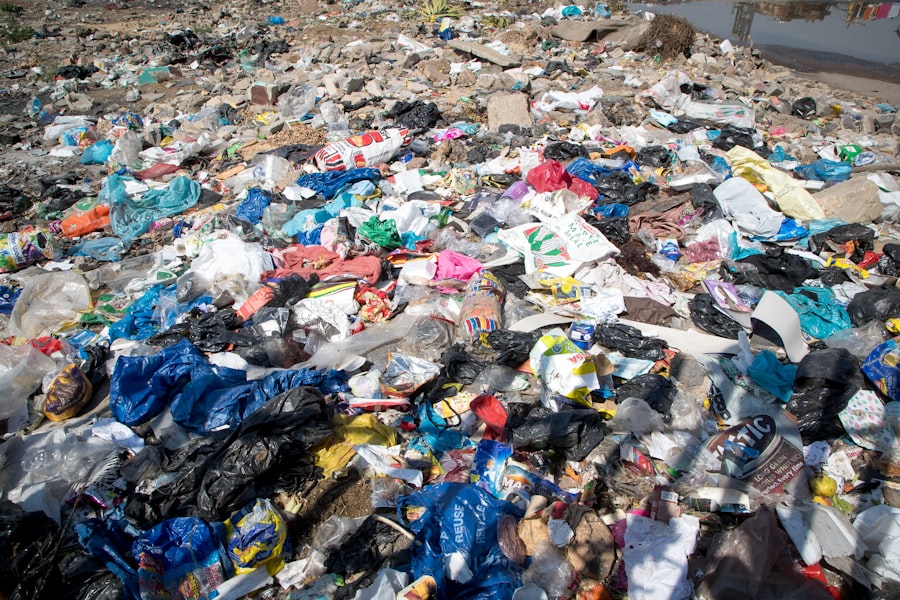
The economic fallout of a tire fire is staggering. The cleanup is not a simple matter of dousing flames; it involves complex processes, specialized equipment, and relentless remediation efforts, all of which come with a significant price tag.
Immediate Firefighting Expenses
- Resource Intensive Operations: Fighting a tire fire requires a massive deployment of resources. This includes multiple fire departments, specialized crews trained in HAZMAT incidents, and an enormous quantity of water and foam. The sheer scale and duration of these fires mean that overtime pay, equipment wear and tear, and the cost of the firefighting agents themselves quickly escalate into millions of dollars. You see the fleets of trucks, the endless streams of water, and the exhausted faces of the emergency responders, all testament to the immense effort.
- Unpredictable Cost Escalation: The hidden costs of firefighting are also substantial. This includes the logistical challenges of transporting personnel and equipment to remote sites, the potential for secondary incidents such as flash floods or structural collapses, and the ongoing monitoring required to ensure the fire doesn’t reignite. You understand that the initial budget often proves woefully inadequate.
Long-Term Remediation and Monitoring
- Hazardous Waste Removal: Once the fire is extinguished, the site becomes a hazardous waste zone. The scorched earth, melted rubber, and accumulated ash must be carefully excavated, tested, and transported to specialized disposal or recycling facilities. This is a labor-intensive and technically demanding process. You witness the meticulous work of HAZMAT teams, bagging and tagging contaminated materials, a stark visual of the scale of the problem.
- Soil and Groundwater Treatment: Even after the bulk of the waste is removed, the contamination often remains. Soil remediation techniques, such as excavation and replanting with specialized vegetation, or chemical treatment, are often necessary. Groundwater monitoring and, in severe cases, pump-and-treat systems may be required for years to prevent further leaching and contamination. These ongoing efforts represent a perpetual drain on financial resources.
The Cost of Public Health and Economic Impact
- Healthcare Expenses: The direct and indirect healthcare costs associated with exposure to the toxins released by tire fires are immense. This includes medical treatment for illness, long-term care for chronic conditions, and lost productivity due to sickness. You understand that the government and private insurers bear a significant portion of this burden, often without adequate compensation from those responsible.
- Loss of Land Value and Economic Stagnation: Contaminated sites can become unusable for development or agriculture for decades, leading to a significant loss of land value. Furthermore, the stigma associated with a past tire fire can deter new businesses and investment in the affected area, leading to economic stagnation and job losses. You see communities struggling to recover, their economic potential blighted by past negligence.
The Complexities of Liability and Responsibility
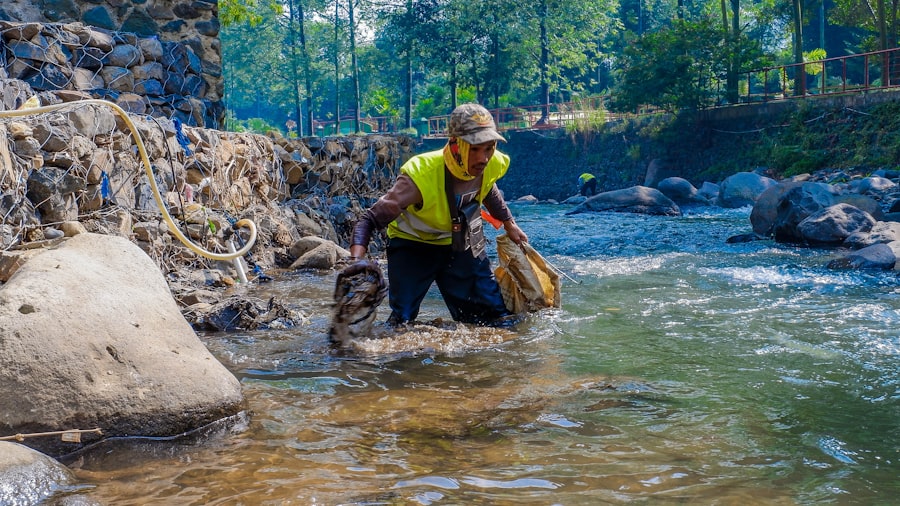
Determining who bears the brunt of the financial and environmental cost of a tire fire is often a contentious and protracted legal battle. The absence of clear accountability exacerbates the problem.
Identifying Responsible Parties
- Landowners and Tire Accumulators: In many cases, the landowners where the tires were stored or the individuals or companies responsible for accumulating them are held liable. However, identifying these parties, especially when sites have changed hands multiple times or companies have gone out of business, can be incredibly difficult. You see the frustrating legal proceedings, the search for paper trails, and the often-empty promises of accountability.
- Arsonists and Negligent Parties: If a fire is deliberately set or caused by gross negligence, authorities will pursue criminal charges. However, proving intent or negligence, especially in cases of spontaneous combustion or where the ignition source is unclear, can be challenging.
The Role of Government and Public Funding
- Taxpayer-Funded Cleanups: When responsible parties cannot be identified or are unable to fund the cleanup, the burden often falls on local, state, or federal governments. This means that you, as a taxpayer, are indirectly footing the bill for disasters caused by the negligence or malice of others. You witness the allocation of public funds, the constant lobbying for more resources, and the feeling of injustice when taxpayer money is used to clean up private negligence.
- Regulatory Oversight and Enforcement: The lack of robust regulatory oversight and consistent enforcement of tire storage and disposal regulations is a significant contributing factor to the problem. In many jurisdictions, regulations are either weak or poorly enforced, allowing the problem to fester until it erupts into a full-blown disaster. You understand that proactive measures are far more cost-effective than reactive cleanup.
The cleanup costs associated with tire fire environmental disasters can be staggering, often requiring extensive resources and long-term planning to mitigate the damage. For a deeper understanding of the financial implications and the challenges faced during such cleanups, you can read a related article that explores various case studies and their outcomes. This information can provide valuable insights into the complexities of managing tire fire incidents and the importance of preventive measures. To learn more, visit this article.
Mitigation and Prevention: Avoiding Future Disasters
| Year | Location | Cleanup Costs |
|---|---|---|
| 2005 | Westley, California | 1.5 million |
| 2012 | Manila, Philippines | 1.2 million |
| 2018 | Wales, UK | 2.3 million |
The most effective way to address the environmental disaster costs of tire fires is to prevent them from happening in the first place. This requires a multi-faceted approach involving regulation, industry responsibility, and public awareness.
Stronger Regulatory Frameworks
- Mandatory Recycling and Disposal Programs: Implementing and enforcing mandatory tire recycling and disposal programs is crucial. This ensures that used tires are collected and processed responsibly, preventing their accumulation in uncontrolled environments. Governments must set standards and provide incentives for proper end-of-life tire management. You see the success of programs that actively track and manage tire waste.
- Strict Storage and Zoning Regulations: Clear and enforced regulations regarding the storage of used tires are essential. This includes limits on the volume of tires that can be stored in any single location, requirements for firebreaks, sprinkler systems, and regular inspections. Zoning laws should prevent the accumulation of tires in environmentally sensitive areas or near residential communities.
Industry Responsibility and Innovation
- Producer Responsibility Initiatives: Holding tire manufacturers and distributors accountable for the end-of-life management of their products through Extended Producer Responsibility (EPR) programs can incentivize sustainable design and responsible disposal. You see how companies that take ownership of their product’s lifecycle are part of the solution.
- Developing Alternative Recycling and Reuse Technologies: Investing in and promoting innovative technologies for tire recycling and reuse, such as pyrolysis, devulcanization, and Tire-Derived Aggregate (TDA) for various applications, can create economic incentives for managing end-of-life tires and reduce the environmental burden. You see the potential for turning a waste product into a valuable resource.
Public Awareness and Education
- Educating Consumers and Businesses: Raising public awareness about the dangers of illegal dumping and the importance of proper tire disposal is vital. Educating businesses, particularly those that generate large volumes of used tires like auto repair shops and tire retailers, about their responsibilities and available disposal options is also critical. You understand that an informed public is an empowered public.
- Promoting Vigilance and Reporting: Encouraging communities to be vigilant and report illegal tire dumping or unsafe storage practices can help authorities intervene before a disaster occurs. You see the power of citizen observation and the importance of having clear channels for reporting concerns.
The costs of tire fires are not confined to the immediate financial outlay. They are etched into the environment, poisoning the air, soil, and water, and impacting the health of communities for generations. The immense financial burden falls not only on those directly responsible but often on you, the taxpayer. Only through robust regulation, industry accountability, and a collective commitment to prevention can you hope to mitigate these environmental and economic catastrophes and protect your planet from the burning legacy of neglected tires.
FAQs
What is a tire fire environmental disaster?
A tire fire environmental disaster refers to a large-scale fire involving the burning of a significant number of tires, which can result in serious environmental and health hazards due to the release of toxic chemicals and pollutants into the air, soil, and water.
What are the environmental impacts of a tire fire?
The environmental impacts of a tire fire include air pollution from the release of toxic chemicals such as benzene, polycyclic aromatic hydrocarbons (PAHs), and sulfur dioxide. Additionally, the fire can contaminate soil and water with hazardous substances, posing risks to ecosystems and human health.
How are tire fire environmental disasters cleaned up?
The cleanup of tire fire environmental disasters typically involves extinguishing the fire, removing the burned tires, and addressing the contamination of soil and water. This process may require the use of specialized equipment and techniques to mitigate the environmental impacts and restore affected areas.
What are the costs associated with cleaning up a tire fire environmental disaster?
The costs of cleaning up a tire fire environmental disaster can vary depending on the scale of the incident, the extent of environmental damage, and the required remediation efforts. Cleanup costs may include expenses for firefighting operations, waste disposal, soil and water remediation, and long-term monitoring.
Who is responsible for covering the cleanup costs of a tire fire environmental disaster?
The responsibility for covering the cleanup costs of a tire fire environmental disaster may fall on various parties, including government agencies, property owners, waste management companies, and insurance providers. Legal and regulatory frameworks may dictate the allocation of cleanup expenses among these stakeholders.