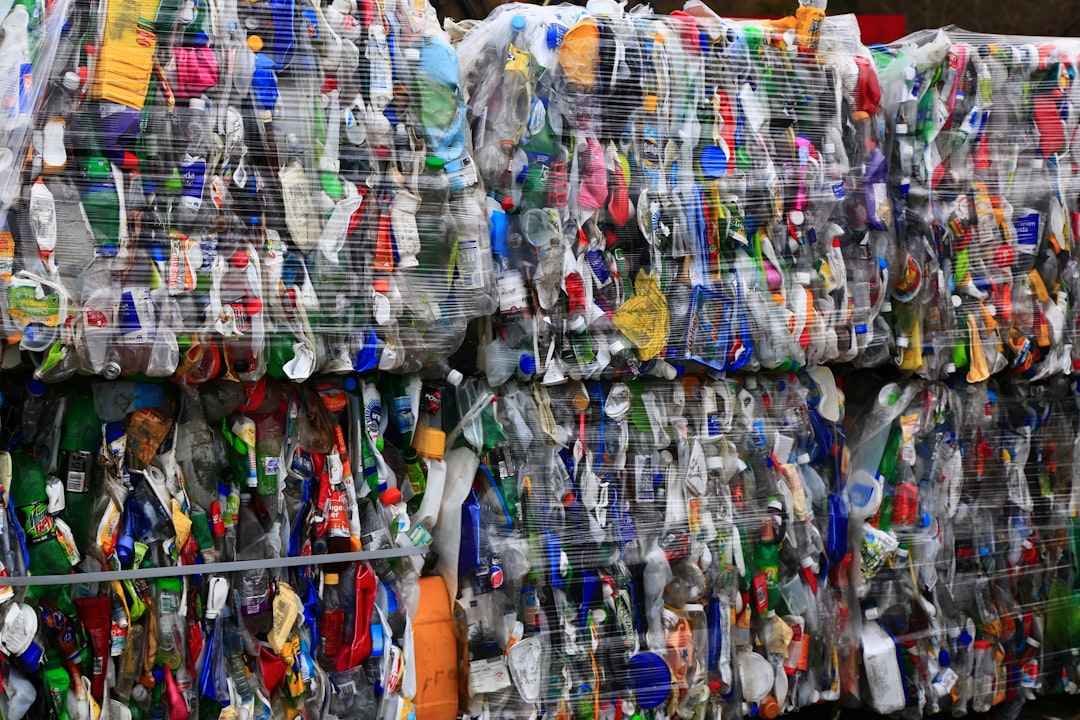
Mixed plastic bales have emerged as a significant challenge in the recycling industry, primarily due to their complex composition and the difficulties associated with processing them. These bales typically consist of various types of plastics, often collected from multiple sources, which can include residential, commercial, and industrial waste. The heterogeneity of these materials complicates the recycling process, as different plastics have distinct properties and recycling requirements.
As a result, the presence of mixed plastic bales in the waste stream poses a considerable obstacle to achieving effective recycling outcomes. The issue is further exacerbated by the increasing volume of plastic waste generated globally. With the rise of consumerism and the proliferation of single-use plastics, the amount of mixed plastic waste continues to grow.
This surge in plastic production and consumption has outpaced the development of efficient recycling technologies, leading to a backlog of mixed plastic bales that are often sent to landfills or incinerated. Consequently, the problem of mixed plastic bales not only highlights the inefficiencies within the recycling system but also underscores the urgent need for innovative solutions to address this growing environmental concern.
Key Takeaways
- Mixed plastic bales face significant contamination and sorting challenges that reduce their recycling quality.
- Downcycling is common, leading to lower-value products and limited reuse potential.
- Environmental impacts include increased waste and pollution due to inefficient recycling processes.
- Economic value is low, compounded by weak market demand and regulatory complexities.
- Innovations and alternative approaches are essential for improving recycling outcomes and the future viability of mixed plastic bales.
Contamination Issues in Mixed Plastic Bales
Contamination is one of the most pressing issues associated with mixed plastic bales. These bales often contain non-recyclable materials, such as food residues, labels, and other contaminants that can compromise the quality of the recycled product.
The presence of contaminants can also result in lower-quality recycled materials, which may not meet industry standards for reuse in manufacturing new products. Moreover, contamination can occur at various stages of the recycling process. From the initial collection of plastics to their sorting and processing, each step presents opportunities for contamination to enter the mix.
For instance, if consumers do not properly clean their recyclables before disposal, food residues can remain on plastic containers, leading to contamination in the mixed bales. This issue highlights the need for better public education on recycling practices and the importance of ensuring that materials are clean and free from contaminants before they are placed in recycling bins.
Sorting Challenges for Mixed Plastic Bales
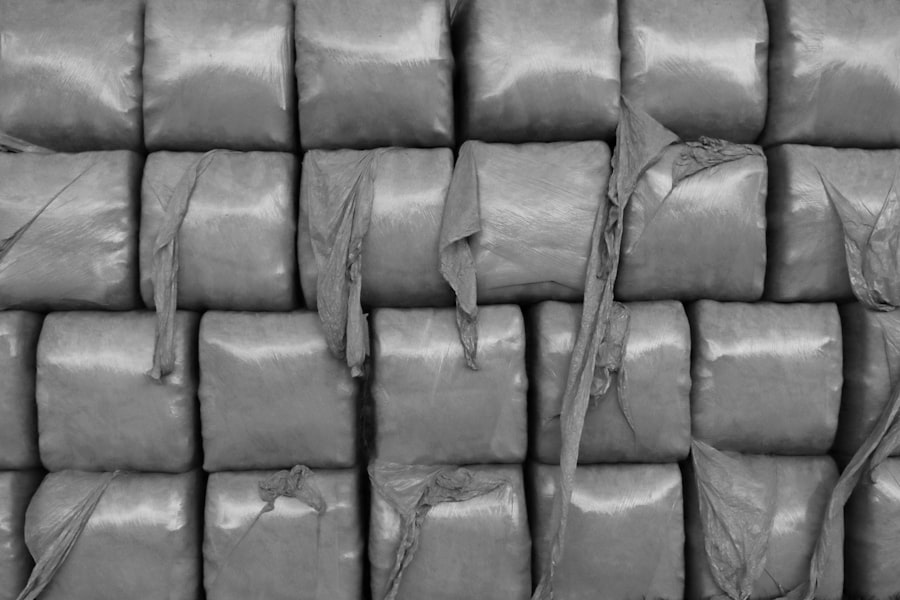
The sorting of mixed plastic bales presents significant challenges for recycling facilities. Unlike single-stream recycling systems that allow for easier separation of materials, mixed plastic bales require advanced sorting technologies to identify and separate different types of plastics effectively. Traditional sorting methods, such as manual sorting or basic mechanical systems, often fall short in accurately distinguishing between various plastic types.
This inefficiency can lead to a higher percentage of contamination and lower recovery rates for recyclable materials. In recent years, advancements in technology have introduced more sophisticated sorting systems that utilize optical sensors and artificial intelligence to enhance the accuracy of material separation. However, these technologies can be costly to implement and maintain, posing a barrier for many recycling facilities, particularly smaller operations with limited budgets.
As a result, many facilities continue to struggle with sorting mixed plastic bales effectively, leading to increased operational costs and reduced overall efficiency in the recycling process.
Downcycling of Mixed Plastic Bales
Downcycling is a common fate for many mixed plastic bales, where plastics are recycled into lower-quality products rather than being transformed into new items of equal value. This process often results in a loss of material quality and functionality, limiting the potential applications for recycled plastics. For instance, mixed plastics may be downcycled into products such as park benches or composite lumber, which do not require the same level of performance as their original forms.
While downcycling can extend the life cycle of plastics to some extent, it ultimately contributes to a linear economy rather than a circular one. The prevalence of downcycling raises concerns about the long-term sustainability of plastic recycling efforts. As more mixed plastic bales are downcycled into lower-value products, the demand for virgin plastics remains high, perpetuating a cycle of production and waste that is detrimental to the environment.
Furthermore, downcycled products often have limited marketability and may eventually end up in landfills once they reach the end of their life cycle. This reality underscores the need for more effective recycling solutions that prioritize closed-loop systems and higher-quality recycling outcomes.
Environmental Impact of Mixed Plastic Bales
| Metric | Description | Value | Unit |
|---|---|---|---|
| Contamination Level | Percentage of non-recyclable materials in mixed plastic bales | 35 | % |
| Market Value | Current resale value of mixed plastic bales considered worthless | 0 | per ton |
| Processing Cost | Average cost to process mixed plastic bales | 150 | per ton |
| Recycling Rate | Percentage of mixed plastic bales successfully recycled | 10 | % |
| Landfill Disposal Rate | Percentage of mixed plastic bales sent to landfill | 90 | % |
| Average Bale Weight | Typical weight of a mixed plastic bale | 1000 | kg |
The environmental impact of mixed plastic bales is profound and multifaceted. When these bales are not effectively recycled, they contribute significantly to pollution and landfill waste. Plastics can take hundreds of years to decompose, leading to long-term environmental consequences such as soil and water contamination.
Additionally, when plastics are incinerated as a means of disposal, they release harmful pollutants into the atmosphere, contributing to air quality issues and climate change. Moreover, the production of virgin plastics continues to drive environmental degradation through resource extraction and energy consumption. The reliance on fossil fuels for plastic production exacerbates greenhouse gas emissions and contributes to climate change.
By failing to recycle mixed plastic bales effectively, society not only misses an opportunity to reduce waste but also perpetuates a cycle that harms ecosystems and public health. Addressing these environmental impacts requires a concerted effort from individuals, industries, and governments alike to promote sustainable practices and invest in innovative recycling technologies.
Economic Value of Mixed Plastic Bales

The economic value of mixed plastic bales is often overshadowed by their challenges and limitations. While there is potential for profit in recycling plastics, the complexities associated with mixed bales can lead to decreased financial returns for recycling facilities. The costs associated with sorting, cleaning, and processing contaminated materials can quickly add up, making it difficult for facilities to operate sustainably.
Additionally, fluctuating market prices for recycled plastics can further complicate economic viability. Despite these challenges, there remains an opportunity for economic growth within the mixed plastic recycling sector.
By investing in research and development aimed at improving sorting efficiency and product quality, stakeholders can unlock new markets for recycled materials and create economic incentives for better management of mixed plastic waste.
Lack of Market Demand for Mixed Plastic Bales
One of the most significant barriers facing mixed plastic bales is the lack of market demand for recycled materials derived from these bales. Many manufacturers prefer using virgin plastics due to their consistent quality and performance characteristics compared to recycled alternatives. This preference creates a challenging environment for recycling facilities that rely on selling processed materials to sustain their operations.
As a result, many mixed plastic bales end up being stockpiled or sent to landfills rather than being transformed into new products. The lack of market demand is compounded by consumer perceptions regarding recycled materials. Many consumers remain skeptical about the quality and safety of products made from recycled plastics, which can further hinder market growth.
To address this issue, it is essential for stakeholders across the supply chain—manufacturers, retailers, and consumers—to collaborate in promoting the benefits of using recycled materials. By raising awareness about the environmental advantages and potential applications of recycled plastics, it may be possible to stimulate demand and create a more robust market for these materials.
Alternatives to Mixed Plastic Bales
As challenges associated with mixed plastic bales continue to mount, exploring alternatives becomes increasingly important. One promising approach is source separation, where consumers are encouraged to separate different types of plastics at the point of disposal. This method allows for cleaner streams of recyclable materials that can be processed more efficiently and effectively.
By implementing educational campaigns and providing accessible recycling options, communities can foster better recycling habits that ultimately reduce contamination rates. Another alternative involves investing in advanced recycling technologies that can handle mixed plastics more effectively. Chemical recycling processes have gained attention as a potential solution for breaking down complex plastic mixtures into their original monomers or other valuable chemicals.
This approach could enable higher-quality recycling outcomes while reducing reliance on virgin materials. However, these technologies are still in development stages and require significant investment before they can be widely adopted.
Government Regulations on Mixed Plastic Bales
Government regulations play a crucial role in shaping how mixed plastic bales are managed within the recycling industry. Many countries have implemented policies aimed at reducing plastic waste and promoting recycling efforts. These regulations often include mandates for manufacturers to use recycled content in their products or requirements for municipalities to improve their recycling programs.
Such policies can create incentives for better management practices regarding mixed plastic waste. However, regulatory frameworks vary significantly across regions, leading to inconsistencies in how mixed plastic bales are handled globally. In some areas, stringent regulations may drive innovation and investment in recycling technologies, while in others, lax regulations may result in inadequate management practices that exacerbate environmental issues.
To create a more cohesive approach to managing mixed plastic waste, it is essential for governments to collaborate internationally and establish best practices that promote sustainable recycling efforts.
Innovations in Mixed Plastic Bale Recycling
Innovation is key to addressing the challenges posed by mixed plastic bales in the recycling industry. Recent advancements in technology have led to new methods for sorting and processing these materials more efficiently. For example, machine learning algorithms are being employed to enhance sorting accuracy by identifying different types of plastics based on their chemical composition rather than relying solely on visual characteristics.
This technological leap has the potential to significantly improve recovery rates and reduce contamination levels. Additionally, researchers are exploring novel chemical recycling methods that can break down mixed plastics into their fundamental building blocks. These processes could enable higher-quality recyclables that can be used in manufacturing new products without compromising performance standards.
As these innovations continue to develop, they hold promise for transforming how mixed plastic bales are managed within the recycling ecosystem.
The Future of Mixed Plastic Bales
The future of mixed plastic bales hinges on a combination of technological advancements, regulatory support, and shifts in consumer behavior. As awareness about environmental issues related to plastic waste grows, there is an increasing demand for sustainable solutions that prioritize effective recycling practices. Stakeholders across industries must collaborate to create systems that facilitate better management of mixed plastics while promoting circular economy principles.
In conclusion, addressing the challenges associated with mixed plastic bales requires a multifaceted approach that encompasses innovation in technology, public education on recycling practices, supportive government policies, and increased market demand for recycled materials. By working together towards these goals, society can pave the way for a more sustainable future where mixed plastic waste is effectively managed and transformed into valuable resources rather than contributing to environmental degradation.
The issue of mixed plastic bales becoming increasingly worthless has been a topic of concern in the recycling industry. For a deeper understanding of the challenges faced by recyclers and the implications for waste management, you can read more in this related article: