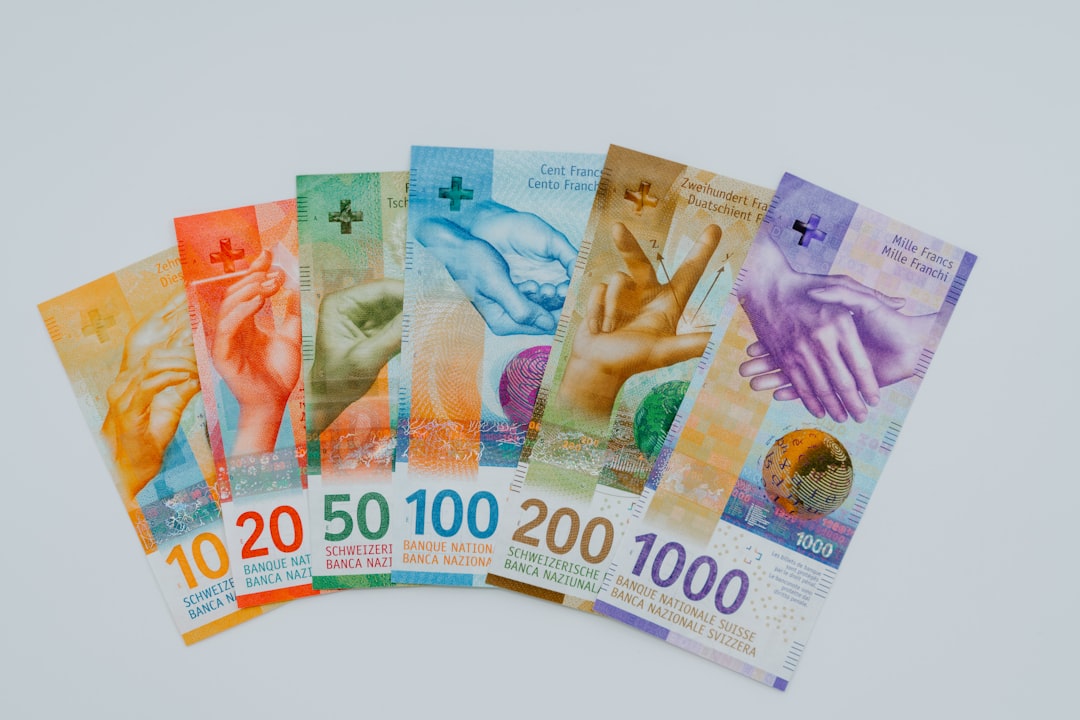
Fiat currency, a system familiar to billions, has shaped economies and societies for generations. Its successes and failures, its winners and losers, are etched into the fabric of global financial history. Understanding this dynamic is crucial for navigating the complexities of the modern economic landscape.
The Limitations of Commodity Money
For millennia, the world relied on commodity money – gold, silver, salt, or other tangible goods. While offering inherent value, this system presented significant challenges. Supply was finite and often geographically concentrated, leading to price volatility based on discovery and trade routes. Debasing coinage, a common practice, eroded trust and led to economic instability. The constant need to secure, store, and transport physical wealth was also a considerable burden, acting as an anchor on economic expansion. Imagine trying to fund a modern industrial revolution where every transaction involved hefting sacks of metal; the friction would be immense.
The Birth of Representative Money
The transition to representative money, where a token (like paper or coin) represented a claim on a specific commodity (usually gold or silver), was an evolutionary step. Banks began issuing banknotes backed by reserves. This offered greater convenience and scalability. However, the value of these notes was intrinsically tied to the physical reserves, still subject to the limitations of commodity supply and the potential for bank runs if confidence wavered. The system was like a boat tethered to a physical anchor; while it could move with the tides, its ultimate reach was restricted.
The Fiat Leap: Trust as the Foundation
The true paradigm shift occurred with the adoption of fiat currency. Instead of being backed by a physical commodity, its value is derived solely from the decree of a government and the trust of its users. The intrinsic value of the paper or digital record is negligible; its power lies in its acceptance as legal tender. This allowed governments unparalleled flexibility in managing their economies, offering a potent tool for both progress and peril. Fiat currency is less an anchor and more a sail, capable of propelling a ship forward, but also vulnerable to the winds of policy and public sentiment.
In the ongoing debate about the winners and losers of fiat currency, it’s essential to consider various perspectives on its impact on the economy and individual financial stability. A related article that delves deeper into this topic can be found at this link, where it explores how fiat currency affects different socioeconomic groups and the implications for future monetary policies.
The Winners of Fiat Currency: Architects of Prosperity and Stability
Governments: The Maestros of Monetary Policy
Governments are arguably the most significant beneficiaries of fiat currency. The ability to print money grants them a powerful, albeit dangerous, lever to manage economic cycles. During recessions, central banks can inject liquidity into the economy by printing money and lowering interest rates, stimulating borrowing and spending. Conversely, during periods of inflation, they can withdraw money from circulation, thereby cooling down an overheating economy. This monetary policy allows for a more responsive and agile approach to economic management than the rigid constraints of commodity-backed systems. Think of a conductor leading an orchestra; fiat currency provides them with the full spectrum of notes to shape the melody of the economy.
Businesses: Unleashing Investment and Innovation
For businesses, fiat currency has been a catalyst for unprecedented growth and innovation. The ability to access capital through loans, facilitated by stable and controllable monetary supply, allows for significant investments in research and development, infrastructure, and expansion. Predictable inflation, when managed effectively, can incentivize spending and investment rather than hoarding. The ease of conducting transactions globally, facilitated by standardized fiat currencies, has boosted international trade and the rise of multinational corporations. Businesses can now plan for the future with a degree of certainty that was previously unimaginable, akin to building a skyscraper with readily available and predictable building materials.
Consumers: Enhanced Purchasing Power and Access to Credit
Consumers have also reaped substantial benefits. Fiat currency systems, when functioning well, have led to increased availability of goods and services at more stable prices. The development of sophisticated credit systems, backed by the widespread acceptance of fiat money, has enabled individuals to finance major purchases like homes and education, significantly raising living standards. The convenience of digital transactions and seamless payment systems, all underpinned by fiat currency, has become an integral part of modern life. For the individual, it represents the freedom to pursue aspirations, from owning a home to acquiring education, built upon a foundation of accessible financial tools.
Central Banks: Guardians of Economic Stability
Central banks, empowered by fiat currency, have the mandate to maintain price stability and foster full employment. They can use tools like interest rate adjustments and open market operations to influence the money supply and credit conditions. While their effectiveness can be debated, the existence of these institutions and their capacity to intervene in the economy offers a layer of protection against severe economic downturns. They are the navigators, charting a course through potentially turbulent economic seas, armed with the instruments to adjust sails and steer the vessel.
The Losers of Fiat Currency: The Vulnerable and the Victims
Savers: The Silent Erosion of Wealth
The most consistent losers in the fiat currency equation are often savers. Inflation, a natural byproduct of fiat systems that is often managed rather than eliminated, erodes the purchasing power of saved money over time. If the inflation rate outpaces the interest earned on savings, the real value of wealth diminishes. For those who meticulously save over decades, this can translate into a significant loss of their accumulated nest egg. Imagine a slow leak in a bucket; while the water level might not plummet dramatically overnight, over time, the contents are steadily depleted.
Fixed-Income Earners: Living on a Shrinking Pie
Individuals living on fixed incomes, such as pensioners or those relying solely on social security benefits, are particularly vulnerable. Their income streams, often set by predetermined amounts, struggle to keep pace with rising prices. As the cost of living increases, their purchasing power shrinks, forcing them to make difficult choices and potentially leading to a decline in their quality of life. They are essentially trying to feed a growing family with a static amount of provisions; the portions inevitably become smaller.
Developing Nations: The Double-Edged Sword of Foreign Debt
Developing nations often face a complex relationship with fiat currency. While they benefit from international trade facilitated by widely accepted fiat currencies, they are also susceptible to the vagaries of global monetary policy and currency fluctuations. Excessive reliance on foreign-denominated debt can become a crushing burden, especially when their own currency depreciates. Their economic stability can be significantly impacted by the monetary decisions of larger, more powerful economies, creating a dependency that can stifle development. They are often like smaller tributaries, their flow heavily influenced by the larger rivers upstream.
The Displaced and the Unbanked: Left Behind by the System
The benefits of fiat currency are not uniformly distributed. Those without access to banking services, the unbanked population, are largely excluded from the modern financial system. They often rely on informal economies and are more susceptible to exploitation. Furthermore, economic shocks and currency crises can disproportionately affect vulnerable populations, leading to job losses and social unrest. The digital revolution, while offering convenience, can also exacerbate existing inequalities if access and education are not universally provided. They are like passengers on a high-speed train, while others are left waiting at the station.
The Phantom of Inflation: The Persistent Shadow

The Mechanism of Inflation: More Money, Less Value
Inflation is the persistent increase in the general price level of goods and services in an economy over a period of time. In a fiat system, inflation can be exacerbated by governments printing too much money without a corresponding increase in the supply of goods and services. This leads to a situation where “too much money is chasing too few goods,” driving up prices. It’s a fundamental economic principle: if the supply of something increases significantly while demand remains constant or grows more slowly, its value decreases.
The Social and Economic Costs: A Slow Poison
The consequences of unchecked inflation are far-reaching. It erodes savings, diminishes purchasing power, and creates economic uncertainty. Businesses struggle to plan, leading to reduced investment. Social unrest can escalate as people feel the pinch of rising costs. Hyperinflation, an extreme form of inflation, can cripple economies, leading to widespread poverty and social collapse. It’s like a slow-acting poison that, when left untreated, can ultimately prove fatal to an economy.
The Balancing Act: Managing the Beast
Central banks constantly strive to manage inflation through monetary policy. This involves adjusting interest rates to influence borrowing and spending, and controlling the money supply. However, this is a delicate balancing act. Tightening monetary policy too aggressively can stifle economic growth, while being too lenient can fuel inflation. The challenge is to strike the right chord that encourages responsible economic activity without overheating the system.
The dynamics of fiat currency can significantly impact various sectors of the economy, creating distinct winners and losers. For instance, while borrowers may benefit from inflation eroding the real value of their debts, savers often find their purchasing power diminished. A deeper exploration of this topic can be found in a related article that discusses the implications of fiat currency on different economic players. You can read more about it here. Understanding these effects is crucial for navigating the complexities of modern finance.
The Specter of Deflation: The Other Extreme
| Category | Winners | Losers | Impact |
|---|---|---|---|
| Borrowers | Those with fixed-rate debts | Those with variable-rate debts | Inflation reduces real debt burden for fixed-rate borrowers |
| Savers | Those with inflation-protected assets | Those holding cash or fixed income | Inflation erodes purchasing power of cash savings |
| Consumers | Debtors and asset holders | Low-income individuals on fixed incomes | Rising prices reduce real income for fixed earners |
| Governments | Debtor governments | Creditor governments | Inflation reduces real value of government debt |
| Businesses | Those with pricing power | Those with fixed contracts | Ability to pass on costs affects profitability |
The Dangers of Deflation: A Vicious Cycle
While inflation is a common concern, deflation – a persistent decrease in the general price level – also presents significant economic dangers. In a deflationary environment, consumers tend to postpone purchases, expecting prices to fall further. This leads to decreased demand, which in turn prompts businesses to cut production and lay off workers. The result is a downward spiral of falling demand, falling prices, and rising unemployment, a scenario far more damaging than moderate inflation. Imagine a frozen lake; while seemingly solid, any crack can lead to a catastrophic collapse.
The Challenge of Stimulating a Deflationary Economy
Combating deflation is notoriously difficult. Traditional monetary policy tools often become less effective as interest rates approach zero, leaving central banks with limited options. The psychological impact of falling prices can create a pervasive sense of pessimism that is hard to overcome. Stimulating an economy stuck in a deflationary trap requires unconventional and often aggressive measures.
Historical Precedents: The Great Depression
Historical examples, such as the Great Depression, serve as stark reminders of the devastating consequences of prolonged deflation. The inability of governments and central banks to effectively counter deflationary pressures during that era led to immense economic suffering and social upheaval. It highlights the precariousness of economic systems and the critical role of effective policy in maintaining stability.
The Future of Fiat: Evolution or Revolution?
The Rise of Digital Currencies: A New Frontier
The advent of central bank digital currencies (CBDCs) and the continued evolution of private digital currencies like Bitcoin represent significant potential disruptors to the fiat system. CBDCs could offer governments greater control over monetary policy and more direct channels for stimulus. However, they also raise concerns about privacy and government surveillance. Cryptocurrencies, on the other hand, offer an alternative to state-controlled money, with promises of decentralization and censorship resistance, but also inherent volatility and regulatory uncertainty. The landscape is shifting, and the traditional notions of money are being challenged.
The Quest for Stability: Alternatives and Hybrid Models
As concerns about inflation and the inherent power of governments over fiat currency persist, the search for more stable and resilient monetary systems continues. Various proposals have emerged, exploring the potential of commodity-backed digital assets, basket currencies, or hybrid models that combine elements of different systems. The current fiat system, while deeply entrenched, is not immune to fundamental change.
The Enduring Importance of Trust
Ultimately, the success or failure of any monetary system, including fiat currency, hinges on trust. Governments must maintain fiscal discipline, and central banks must manage monetary policy responsibly to preserve the value of their currencies. The public’s belief in the stability and fairness of the system is paramount. Without it, even the most sophisticated fiat system can crumble. The future of fiat currency, therefore, lies in its ability to adapt, to inspire confidence, and to prove itself as a durable engine for prosperity in an ever-changing world.
FAQs
What is fiat currency?
Fiat currency is government-issued money that is not backed by a physical commodity like gold or silver. Its value is derived from the trust and confidence that people have in the issuing government.
Who are considered the winners of fiat currency systems?
Winners typically include governments, which can control monetary policy and manage economic cycles, and borrowers, who benefit from inflation reducing the real value of debt over time.
Who are the losers in a fiat currency system?
Losers often include savers and individuals on fixed incomes, as inflation can erode the purchasing power of their money. Additionally, those in countries with unstable fiat currencies may face significant economic challenges.
How does inflation affect winners and losers in a fiat currency system?
Inflation can benefit borrowers by decreasing the real value of debt, but it harms savers and those with fixed incomes by reducing the value of their money. Governments may also benefit by using inflation to reduce the real burden of public debt.
Can fiat currency systems lead to economic instability?
Yes, if not managed properly, fiat currency systems can lead to hyperinflation, loss of confidence, and economic instability. However, with effective monetary policy, they can also provide flexibility to respond to economic changes.