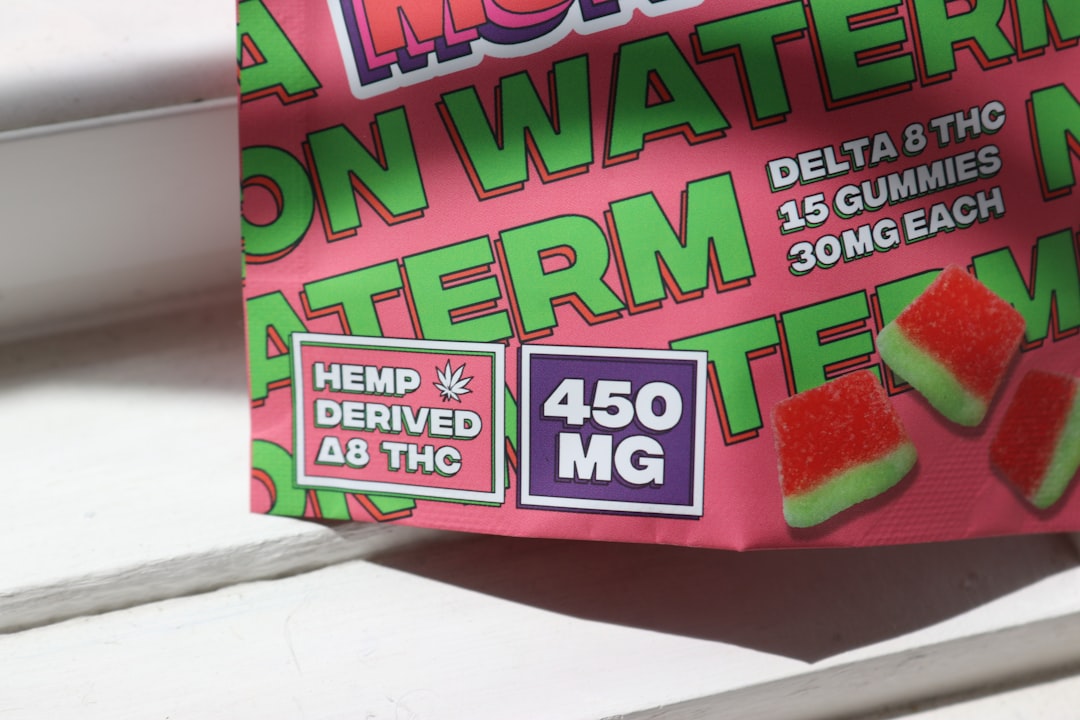
The landscape of consumer goods in the United States, dominated by multinational corporations, has long been under scrutiny regarding the ingredients utilized in their products. A recurring concern centers on the integration of substances deemed toxic, harmful, or controversial by various health organizations, regulatory bodies, and independent scientists. This article explores the persistent use of such ingredients by multinational brands operating within the USA, examining the contributing factors, the implications for public health, and the ongoing efforts to address these issues.
The United States utilizes a complex and often debated regulatory system for chemicals in consumer products. Unlike some other developed nations, the burden of proof often lies with regulators to demonstrate harm rather than with manufacturers to prove safety before a product enters the market.
The Federal Food, Drug, and Cosmetic Act (FD&C Act)
The primary legislation governing many consumer products, including cosmetics, foods, and drugs, is the FD&C Act. While intended to ensure product safety, critics argue its provisions for chemical regulation are outdated.
- “Grandfathered” Chemicals: Many chemicals in widespread use today were on the market before the passage of modern chemical regulations. These “grandfathered” substances often skirt rigorous safety assessments unless significant evidence of harm emerges. This creates a regulatory blind spot, much like a historical document that predates critical scientific principles.
- Limited Authority for the FDA: The Food and Drug Administration (FDA) has less authority over cosmetics than over pharmaceuticals. The agency cannot require pre-market approval for cosmetic ingredients (except for color additives) and generally relies on manufacturers to ensure the safety of their products. This places a significant onus on corporate responsibility, which can vary widely.
The Toxic Substances Control Act (TSCA)
For industrial chemicals not covered by the FD&C Act, the Toxic Substances Control Act (TSCA) is the primary statute. Amended in 2016 by the Frank R. Lautenberg Chemical Safety for the 21st Century Act, TSCA now aims to provide the Environmental Protection Agency (EPA) with greater authority to regulate chemicals.
- Persistent Challenges: Despite the amendments, TSCA still faces challenges. The sheer volume of chemicals in commerce makes comprehensive assessment a monumental task, akin to draining an ocean with a thimble. Prioritization of chemicals for review and the resources allocated to the EPA remain critical points of contention.
- Industry Influence: The influence of industry lobbyists during legislative processes and subsequent regulatory implementation is a constant factor. This influence can manifest in delays in regulation, weaker standards, or exemptions for particular chemicals or industries.
Many multinational brands have faced scrutiny for their use of toxic ingredients in products sold in the USA, raising concerns about consumer safety and environmental impact. A related article that delves deeper into this issue can be found at Hey Did You Know This, where the implications of these practices are explored, highlighting the discrepancies between regulations in different countries and the potential health risks associated with these harmful substances.
Common Categories of Concern
Several broad categories of ingredients frequently raise concerns due to their potential health impacts and their prevalence in products from multinational brands.
Endocrine Disrupting Chemicals (EDCs)
EDCs are substances that can interfere with the body’s endocrine (hormone) system, producing adverse developmental, reproductive, neurological, and immune effects. Their widespread presence is particularly troubling as even low-level exposure can have significant effects.
- Phthalates: Often used to make plastics more flexible and as solvents in personal care products (e.g., fragrances, nail polish), phthalates have been linked to reproductive issues, developmental problems, and endocrine disruption. Despite these concerns, they remain common in many products, sometimes hidden under generic terms like “fragrance.”
- Parabens: These preservatives are widely used in cosmetics, pharmaceuticals, and food products. While effective at preventing microbial growth, parabens can mimic estrogen and have been detected in human tissues, raising concerns about their potential role in hormone-related cancers and reproductive health.
- BPA (Bisphenol A): Primarily associated with polycarbonate plastics and epoxy resins, BPA has been linked to developmental, reproductive, and neurological problems. While public pressure has led to its reduction in some products (e.g., baby bottles), it persists in others, including the lining of food cans produced by multinational food companies.
Carcinogens and Reproductive Toxins
Some ingredients found in consumer products have been classified as known or probable human carcinogens or reproductive toxins by various authoritative bodies.
- Formaldehyde and Formaldehyde-Releasers: Found in some personal care products (e.g., hair straighteners, nail polish, shampoos) as preservatives, formaldehyde is a known human carcinogen. Formaldehyde-releasers slowly break down to release formaldehyde over time, presenting a continuous exposure risk.
- Lead in Cosmetics: Although lead is a potent neurotoxin with no safe level of exposure, it has been found as an unintentional contaminant in some lipsticks and other cosmetics. While not deliberately added, its presence highlights the need for stricter impurity limits and manufacturing oversight. Even trace amounts carry implications for cumulative exposure, especially for vulnerable populations.
- Triclosan: An antimicrobial agent previously common in antibacterial soaps, toothpaste, and other personal care products. Concerns about its contribution to antibiotic resistance and its endocrine-disrupting properties led to an FDA ruling prohibiting its use in over-the-counter antiseptic washes. However, it can still be found in some other product categories.
Persistent Organic Pollutants (POPs) and Bioaccumulative Substances
POPs are organic compounds that are resistant to environmental degradation and can accumulate in living organisms, posing risks to human health and the environment.
- PFAS (Per- and Polyfluoroalkyl Substances): A group of thousands of “forever chemicals” used in non-stick cookware, water-repellent clothing, stain-resistant fabrics, and some cosmetics. PFAS are highly persistent in the environment and in the human body, with links to cancer, immune system dysfunction, and developmental issues. Multinational brands, particularly in the textile and food packaging industries, have been slow to phase out these ubiquitous chemicals.
- Heavy Metals: Beyond lead, other heavy metals like mercury (still found in some skin-lightening creams, often illegally), cadmium, and arsenic can contaminate ingredients or be intentionally added in small quantities. These metals can accumulate in the body, leading to a range of chronic health problems.
The “Greenwashing” Phenomenon and Consumer Trust
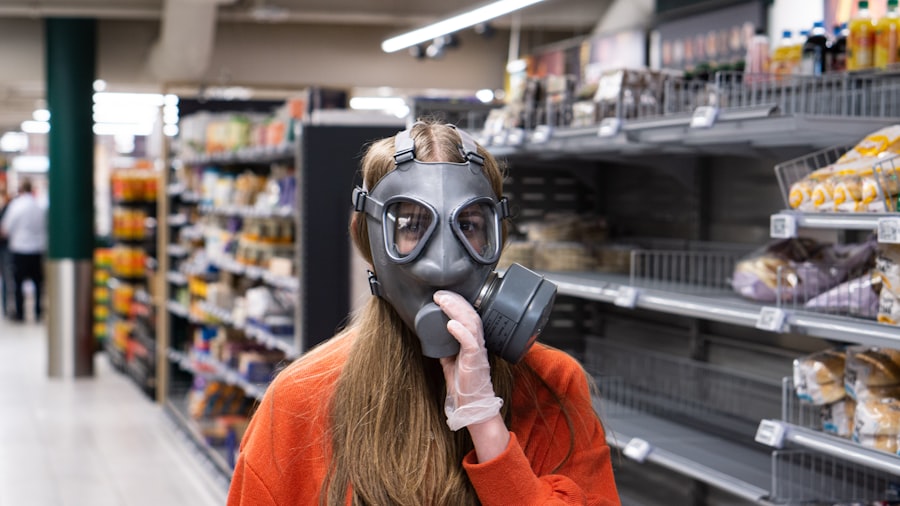
In response to growing consumer awareness and demand for safer products, many multinational brands have engaged in “greenwashing”—the practice of making unsubstantiated or misleading claims about the environmental or health benefits of a product.
Ambiguous Labeling and Lack of Transparency
- “Natural” and “Organic” Claims: Without strict regulatory definitions for many product categories, terms like “natural” or “organic” can be used broadly, often misleading consumers into believing a product is free from synthetic or harmful ingredients. This creates a lexical smokescreen, obscuring the true composition of a product.
- Proprietary Blends and “Fragrance”: The term “fragrance” on an ingredient label can encompass hundreds of chemicals, including phthalates and allergens, without requiring individual disclosure. This proprietary protection allows brands to shield potentially harmful ingredients from public scrutiny.
- Voluntary Self-Regulation: While many brands tout their internal safety standards or participation in voluntary industry programs, these often fall short of robust, independent regulatory oversight.
The Disconnect Between Perception and Reality
Consumers, often driven by the perception of convenience and brand loyalty, may assume that products from well-known multinational companies are inherently safe due to strict government oversight. However, as discussed, the regulatory apparatus in the USA has significant gaps, making this assumption a fragile foundation. This creates a moral hazard where corporations might delay transitioning to safer alternatives, knowing that existing regulations are insufficient to compel immediate change.
Implications for Public Health
The persistent use of toxic ingredients, even in small amounts, can contribute to a complex mosaic of public health challenges.
Everyday Exposure and Cumulative Burden
Individuals are exposed to a multitude of chemicals from various sources—food, water, air, and consumer products—on a daily basis. This concept, known as the “exposome,” highlights how even low levels of exposure to different chemicals can, over time, accumulate and interact to produce adverse health effects. This is not about a single chemical being lethal, but rather a slow drip of multiple exposures that can erode health over decades.
Vulnerable Populations
Certain populations are disproportionately affected by exposure to toxic ingredients.
- Children: Developing bodies are particularly susceptible to chemical exposures. Their smaller size, faster metabolism, and unique behavioral patterns (e.g., hand-to-mouth activity) can lead to higher doses and more profound impacts from chemicals.
- Pregnant Women: Exposure to certain chemicals during pregnancy can have severe consequences for fetal development, impacting neurological function, reproductive health, and long-term disease risk.
- Occupational Exposure: Workers involved in the manufacturing or application of products containing these chemicals often face higher and more direct exposures.
- Environmental Justice Communities: Historically marginalized communities are often located near industrial facilities that produce or utilize these chemicals, leading to higher baseline exposure levels.
Many consumers are becoming increasingly aware of the hidden dangers in everyday products, leading to a growing demand for transparency from multinational brands. A related article explores the reasons behind the use of toxic ingredients in the USA, shedding light on the regulatory environment and corporate practices that allow such substances to persist in consumer goods. For a deeper understanding of this issue, you can read more in this insightful piece found here. As awareness continues to rise, it is crucial for consumers to stay informed about what they are putting on their bodies.
Moving Forward: Pressures for Change
| Reason | Description | Impact on Consumers | Example Ingredients |
|---|---|---|---|
| Regulatory Differences | US regulations allow certain chemicals banned elsewhere | Exposure to potentially harmful substances | Formaldehyde, parabens |
| Cost Reduction | Toxic ingredients are often cheaper to source and manufacture | Lower product prices but increased health risks | Sodium lauryl sulfate, phthalates |
| Preservation and Shelf Life | Toxic preservatives extend product shelf life | Longer-lasting products but potential allergenic effects | Triclosan, BHA/BHT |
| Consumer Demand for Performance | Ingredients enhance product effectiveness or appearance | Improved product performance with possible toxicity | Hydroquinone, oxybenzone |
| Lack of Consumer Awareness | Consumers may not know about ingredient risks | Uninformed purchasing decisions | Phthalates, synthetic fragrances |
Despite the challenges, there is increasing momentum for change driven by various stakeholders.
Consumer Activism and Demand
A heightened public awareness, fueled by independent research, investigative journalism, and advocacy groups, has led to a powerful consumer demand for safer products. This “power of the purse” is a significant driver, forcing brands to respond to market pressures.
Advocacy Groups and Scientific Research
Organizations like the Environmental Working Group (EWG), Breast Cancer Prevention Partners, and countless academic researchers continue to highlight problematic ingredients and advocate for stronger regulations. Their work provides the critical evidence base for policy reform and consumer education.
Policy Initiatives and Legislative Efforts
While national reform can be slow, some states have taken proactive steps to regulate chemicals, creating a patchwork of laws that sometimes push the national conversation forward. Examples include restrictions on PFAS in food packaging and cosmetics, and expanded “right-to-know” legislation.
Corporate Responsibility and Innovation
Some multinational brands are beginning to acknowledge the need for change, investing in green chemistry and ingredient research to find safer alternatives. However, this shift is often uneven and slow, sometimes driven more by public relations concerns than fundamental ethical re-evaluation. The challenge lies in scaling these efforts across entire product portfolios and global supply chains.
The narrative surrounding toxic ingredients in products from multinational brands in the USA is a complex tapestry woven with threads of regulatory shortcomings, corporate practices, scientific advancements, and consumer demands. Addressing this issue requires a multi-pronged approach: strengthening chemical regulations, promoting greater corporate transparency and accountability, investing in safer alternatives, and empowering consumers with accurate information. It is only through such concerted efforts that the promise of truly safe consumer products can become a widespread reality.
WATCH NOW ▶️ Why 99% Of American Food Is Illegal Overseas
FAQs
1. Why do some multinational brands use toxic ingredients in products sold in the USA?
Some multinational brands use toxic ingredients in the USA due to less stringent regulatory standards compared to other countries. The U.S. Food and Drug Administration (FDA) and Environmental Protection Agency (EPA) may allow certain chemicals that are banned or restricted elsewhere, enabling companies to use these ingredients legally.
2. Are toxic ingredients in products harmful to consumers?
Certain toxic ingredients can pose health risks, including allergic reactions, hormonal disruption, or long-term effects like cancer. However, the level of risk depends on the type of ingredient, concentration, and frequency of exposure. Regulatory agencies assess safety but may have differing thresholds.
3. How do regulations in the USA differ from other countries regarding toxic ingredients?
The USA often has more lenient regulations on chemicals in consumer products compared to regions like the European Union, which enforces stricter bans and limits under laws such as REACH. This regulatory gap can lead to the use of ingredients in the U.S. that are prohibited elsewhere.
4. Can consumers identify products containing toxic ingredients?
Consumers can sometimes identify toxic ingredients by reading product labels and ingredient lists. However, some harmful chemicals may be listed under complex or unfamiliar names. Resources like the Environmental Working Group (EWG) provide databases to help consumers check product safety.
5. What actions are being taken to reduce the use of toxic ingredients by multinational brands in the USA?
Advocacy groups, consumer pressure, and some state-level regulations are pushing for safer ingredient use. Additionally, some multinational brands are reformulating products to remove harmful chemicals in response to public demand and potential future regulatory changes.