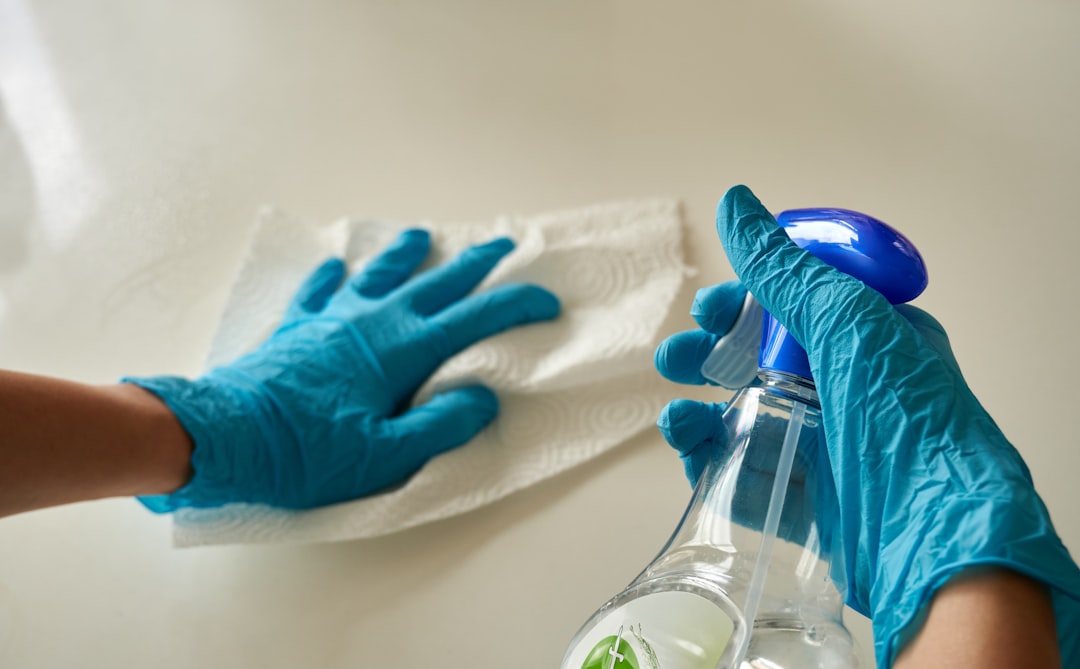
Toxic cleaning products, a silent specter in the halls of many American schools, represent a paradox of hygiene. While intended to foster clean, healthy learning environments, these chemical agents often pose unintended risks to students, faculty, and the broader ecosystem. This article delves into the persistent question of why such products remain prevalent in US schools, exploring the multifaceted factors that contribute to their continued use.
The term “toxic” in this context refers to cleaning products containing ingredients known or suspected to cause adverse health effects, ranging from immediate irritation to long-term chronic conditions. These substances can be found in various forms, including surface cleaners, disinfectants, floor waxes, and air fresheners.
Common Culprits and Their Health Implications
A vast array of chemicals fall under the “toxic” umbrella. Each possesses unique properties and potential dangers.
- Phthalates: Often found in fragranced products, phthalates are endocrine disruptors linked to developmental and reproductive issues. Imagine a hormonal symphony disrupted by a jarring, uninvited note – that’s the essence of phthalates’ impact.
- Volatile Organic Compounds (VOCs): These airborne chemicals, released by many cleaning products, contribute to poor indoor air quality. VOCs can trigger respiratory problems like asthma, headaches, and nausea. Picture the air in a classroom as a breathable tapestry; VOCs are threads of pollution woven into its fabric.
- Quaternary Ammonium Compounds (Quats): Commonly used in disinfectants, quats are associated with asthma, skin irritation, and reproductive toxicity. Their efficacy against germs comes at a potential cost to human health.
- Chlorine-based Compounds (e.g., Bleach): While effective disinfectants, chlorine and its derivatives emit irritating fumes that can exacerbate respiratory conditions. The clean scent of bleach often masks a potent irritant.
- Glycol Ethers: These solvents are linked to reproductive issues and kidney damage. They act as invisible solvents, dissolving not only dirt but potentially the very well-being of those exposed.
Pathways of Exposure in Schools
The ways in which students and staff encounter these hazardous chemicals are numerous and often subtle.
- Inhalation: Airborne particles and fumes released during cleaning are readily inhaled.
- Dermal Absorption: Direct contact with surfaces cleaned with toxic products or with the products themselves can lead to skin absorption.
- Ingestion: While less common, accidental ingestion can occur, particularly with younger children who may touch contaminated surfaces and then put their hands in their mouths.
- Indirect Exposure: Residues on surfaces can continue to off-gas, contributing to chronic low-level exposure.
These various routes mean that simply avoiding direct contact during cleaning is insufficient to guarantee safety. The lingering presence of these chemicals forms a subtle, persistent threat.
Many U.S. schools continue to use toxic cleaning products despite growing awareness of their potential health risks. An insightful article on this topic can be found at Hey Did You Know This, which explores the reasons behind the persistence of these harmful substances in educational environments. The article highlights the lack of regulations, budget constraints, and the influence of chemical manufacturers, shedding light on the urgent need for safer alternatives to protect the health of students and staff alike.
Economic and Logistical Hurdles: The Cost of Cleanliness
The continued reliance on toxic cleaning products is not always a deliberate choice rooted in malice, but rather a complex interplay of economic pressures, ingrained habits, and logistical challenges.
Budgetary Constraints and Perceived Value
School districts, perpetually navigating tight budgets, often find themselves drawn to the seemingly lower upfront cost of conventional cleaning products. Green alternatives, despite their long-term benefits for health and environment, sometimes carry a higher purchase price.
- Bulk Purchasing Discounts: Manufacturers of conventional cleaning products often offer significant discounts for bulk purchases, making them economically attractive to large institutions like school districts.
- Legacy Contracts: Many schools are bound by long-standing contracts with suppliers of conventional products, making it difficult to switch to newer, greener alternatives without incurring penalties or renegotiating.
- Underestimation of Hidden Costs: The “true cost” of toxic cleaning products, including healthcare expenses for staff and students affected by chemical exposure, as well as reduced productivity due to illness, is often not factored into initial purchasing decisions. This is akin to a hidden tax, silently eroding the health and efficiency of the school community.
Simplicity of Use and Familiarity
For custodians and cleaning staff, years of experience with conventional products have ingrained specific cleaning protocols. The simplicity of their use and the established belief in their efficacy can be powerful deterrents to change.
- Training Requirements for New Products: Switching to green cleaning often necessitates new training for staff on proper dilution ratios, application techniques, and disposal methods, representing an additional investment of time and resources.
- Perceived Effectiveness: There’s a widespread belief that only harsh chemicals can truly sanitize and clean effectively. The strong scent associated with many conventional cleaners often translates to a perception of superior cleanliness, even if this correlation is not scientifically accurate. The olfactory memory of “clean” often outweighs factual evidence.
- Resistance to Change: Human nature often resists disruption to established routines. For cleaning staff, who are often overworked and underappreciated, adopting new methods can feel like an additional burden.
Regulatory Lapses and Lack of Transparency
The regulatory landscape surrounding cleaning products in the US is a patchwork of federal, state, and local ordinances, often characterized by significant gaps and a lack of stringent oversight.
Inadequate Federal Oversight
Unlike pharmaceuticals or pesticides, cleaning products are not subject to comprehensive pre-market review by a single federal agency. This fragmented regulatory approach creates loopholes that allow potentially harmful chemicals to enter the market with limited scrutiny.
- Lack of Ingredient Disclosure Mandates: Federal law does not universally mandate full disclosure of all ingredients on cleaning product labels. Manufacturers can often use broad terms like “fragrance” to mask a cocktail of potentially hazardous chemicals. This opacity makes informed decision-making incredibly difficult for schools.
- Voluntary Standards vs. Mandatory Regulations: Many “green” cleaning certifications are voluntary, relying on industry self-reporting rather than independent, mandatory testing. While valuable, these voluntary programs do not address the foundational issue of unregulated conventional products.
- Limited EPA Authority: The Environmental Protection Agency (EPA) has some purview over cleaning products, particularly disinfectants, but its authority is not as comprehensive as with other chemical classes.
State and Local Initiatives: A Glimmer of Hope
While federal regulation lags, some states and municipalities have stepped in to fill the void, implementing policies that encourage or mandate greener cleaning practices in schools.
- Green Cleaning Legislation: States like New York, Illinois, and California have enacted legislation requiring or encouraging schools to use certified green cleaning products. These acts serve as vital blueprints for other states.
- Procurement Policies: Local school districts can implement their own procurement policies to prioritize the purchase of environmentally preferable cleaning products. This bottom-up approach can drive significant change within a district.
- Public Awareness Campaigns: Local health departments and environmental groups often launch campaigns to educate school communities about the benefits of green cleaning and the risks of toxic alternatives. These campaigns empower parents and educators to advocate for change.
However, these localized efforts are not universal, leaving many schools in states without such mandates reliant on outdated practices. The map of green cleaning in US schools resembles a mosaic, with some bright, vibrant sections and others still shrouded in shadow.
The Cultural Inertia: Tradition, Perception, and Misinformation
Beyond economics and regulation, a deeper current of cultural norms and ingrained perceptions contributes to the persistence of toxic cleaning products.
The “Clean” Aesthetic and the Scent of Sanity
For many, a clean environment is synonymous with a strong, often chemical, scent. The absence of such odors can lead to a perception that a space is not truly clean, even if it has been thoroughly sanitized with less fragrant, non-toxic alternatives.
- Marketing and Advertising: Decades of aggressive marketing by cleaning product manufacturers have shaped public perception, linking powerful scents with effective cleaning. Think of a powerful pine scent, often associated with a “deep clean,” regardless of the actual chemical efficacy.
- Psychological Comfort: The familiar smell of conventional cleaners can provide a psychological sense of cleanliness and hygiene, even if those smells are indicative of VOCs and other irritants. This is a powerful, almost subconscious, association.
- Misinformation about Efficacy: There’s a persistent myth that “green” or “natural” cleaning products are inherently less effective than their conventional counterparts, despite a growing body of evidence to the contrary. This misconception acts as a significant barrier to adoption.
Lack of Awareness and Education
Many stakeholders within the school community – from administrators and teachers to parents and students – are simply unaware of the potential dangers posed by conventional cleaning products or the availability of safer alternatives.
- Limited Health Literacy: The complex chemical names and scientific terminology associated with toxic ingredients can be intimidating and difficult for the general public to understand.
- Absence of Formal Education: Curricula for school facility managers or cleaning staff may not always include comprehensive training on chemical hazards or the principles of green cleaning.
- Passive Acceptance: Without explicit information to the contrary, people tend to passively accept the status quo, assuming that products used in public institutions like schools must be safe. This passive acceptance creates a fertile ground for the continued use of hazardous materials.
Many schools in the United States continue to use toxic cleaning products, raising concerns about the health and safety of students and staff. A related article explores the reasons behind this troubling trend and highlights the potential risks associated with these chemicals. For more insights on this issue, you can read the full article here. Understanding the implications of these cleaning practices is crucial for advocating for safer alternatives in educational environments.
The Path Forward: Cultivating a Healthier Learning Environment
| Metric | Data/Value | Explanation |
|---|---|---|
| Percentage of Schools Using Toxic Cleaning Products | 70% | Majority of US schools still rely on conventional cleaning products containing harmful chemicals. |
| Common Toxic Chemicals Found | Ammonia, Chlorine, Phthalates, Quaternary Ammonium Compounds | These chemicals are prevalent in many cleaning products used in schools. |
| Reasons for Use | Cost-effectiveness, Availability, Perceived Effectiveness | Schools often choose cheaper and readily available products despite toxicity concerns. |
| Health Impact on Students and Staff | Increased asthma and respiratory issues by 15-20% | Exposure to toxic cleaning chemicals is linked to respiratory problems in school populations. |
| Regulatory Oversight | Limited | There is minimal federal regulation specifically targeting cleaning product safety in schools. |
| Availability of Safer Alternatives | Less than 30% of schools use green cleaning products | Adoption of non-toxic or green cleaning products is still relatively low. |
Addressing the pervasive use of toxic cleaning products in US schools requires a concerted effort from multiple fronts, mirroring the complexity of the problem itself. It demands a shift in mindset, policy, and practice.
Advocating for Stronger Policies
Greater advocacy for comprehensive, mandatory regulations at both federal and state levels is crucial. This would create a level playing field and eliminate the piecemeal approach currently in place.
- Mandatory Ingredient Disclosure: Requiring full and transparent ingredient disclosure on all cleaning products would empower consumers and schools to make informed choices.
- Public Procurement Standards: Implementing mandatory green cleaning standards for all public institutions, including schools, would drive market demand for safer products.
- Federal Funding Incentives: Providing federal grants and incentives for schools to transition to green cleaning programs could help offset initial costs and accelerate adoption.
Investing in Education and Training
Education is a powerful tool for change. Informing all stakeholders about the risks of toxic products and the benefits of green cleaning is paramount.
- Custodian Training Programs: Implementing comprehensive training programs for cleaning staff that cover hazard recognition, safe handling of chemicals, and proper application of green cleaning techniques. This is an investment in human capital as much as in cleanliness.
- Awareness Campaigns for School Communities: Developing educational materials and workshops for parents, teachers, and administrators to raise awareness about indoor air quality and chemical exposure in schools.
- Integrating Environmental Health into Curricula: Incorporating lessons on environmental health and sustainable practices into school curricula can create a generation of environmentally conscious citizens.
Prioritizing Health Over Habit and Cost
Ultimately, a fundamental shift in values is required. The health and well-being of students and staff must take precedence over ingrained habits and perceived cost savings.
- Life-Cycle Cost Analysis: Encouraging schools to adopt a life-cycle cost analysis approach, factoring in long-term health benefits and reduced absenteeism, when evaluating cleaning product purchases.
- Piloting Green Cleaning Programs: Encouraging school districts to pilot green cleaning programs in a few schools to demonstrate their effectiveness and build confidence within the community.
- Fostering a Culture of Wellness: Creating a school culture that prioritizes holistic wellness, viewing clean air and non-toxic environments as foundational to learning and development. This cultural shift, like turning a massive ship, requires sustained, deliberate effort.
The question of “why” toxic cleaning products persist in US schools is not reducible to a single answer. It is a confluence of economic pressures, regulatory deficiencies, cultural norms, and a pervasive lack of awareness. However, by understanding these complex contributing factors, we can illuminate the path forward towards healthier, safer learning environments for all. The children and staff in US schools deserve better than an invisible foe lingering in the air they breathe and on the surfaces they touch. They deserve a landscape of true cleanliness, unmarred by hidden chemical threats. The time for a comprehensive shift towards green cleaning is not just now; it is overdue.
WATCH NOW ▶️ WARNING: Why Your Shampoo Is Illegal In Europe
FAQs
Why do US schools use cleaning products that are considered toxic?
Many US schools use cleaning products that contain toxic chemicals because these products are often effective at killing germs and maintaining hygiene. Additionally, some schools may have limited budgets and opt for cheaper cleaning solutions that may contain harmful substances.
Are there regulations governing the use of cleaning products in US schools?
Yes, there are regulations at both federal and state levels that govern the use of cleaning products in schools. However, these regulations may not always restrict the use of all toxic chemicals, and enforcement can vary. The Environmental Protection Agency (EPA) and Occupational Safety and Health Administration (OSHA) provide guidelines for safer chemical use.
What health risks are associated with toxic cleaning products in schools?
Exposure to toxic cleaning products can cause respiratory issues, skin irritation, headaches, and other health problems for students and staff. Long-term exposure may increase the risk of more serious conditions, especially for individuals with asthma or chemical sensitivities.
Are there safer alternatives to toxic cleaning products for schools?
Yes, there are safer and environmentally friendly cleaning products available that use non-toxic ingredients. Many schools are beginning to adopt green cleaning programs that prioritize these alternatives to reduce health risks and environmental impact.
What steps can schools take to reduce the use of toxic cleaning products?
Schools can implement policies to purchase and use safer cleaning products, provide training for custodial staff on proper cleaning techniques, and increase awareness about the health impacts of toxic chemicals. Additionally, involving parents and community members in advocating for safer cleaning practices can help drive change.