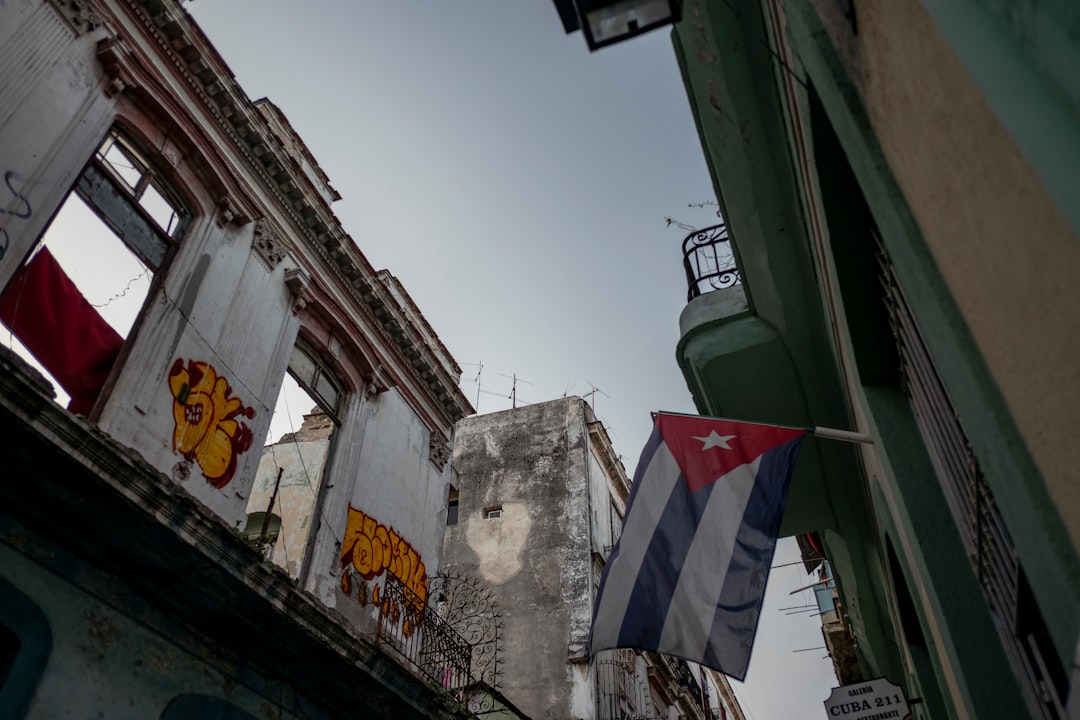
The Cuban Missile Crisis, a thirteen-day confrontation in October 1962, brought the world to the brink of nuclear war. While the broad strokes of this perilous period are widely known – the discovery of Soviet missiles in Cuba, the American naval blockade, and the eventual withdrawal of the weapons – numerous crucial details and perspectives remain obscure, often overshadowed by the high-stakes drama. This article delves into these less-publicized aspects, offering a more nuanced understanding of the delicate balance that prevented global catastrophe.
The failed Bay of Pigs invasion in April 1961 cast a long and destabilizing shadow over US-Cuba relations, significantly contributing to the environment that enabled the missile crisis. Its repercussions were far more profound than a simple military defeat; it was a deeply humiliating blow to American prestige and, more critically, fueled Cuban fears of further invasion, creating a fertile ground for Soviet overtures. The history of the Kennedy dynasty is both fascinating and tragic.
Kennedy’s Burden of Failure
President John F. Kennedy, still relatively new to office, bore the brunt of the Bay of Pigs’ failure. The botched invasion, an inheritance from the Eisenhower administration but executed under his watch, damaged his credibility both domestically and internationally. This experience instilled in him a deep caution regarding military intervention and, paradoxically, a heightened awareness of the potential for miscalculation, a lesson he applied rigorously during the missile crisis.
Castro’s Quest for Security
For Fidel Castro, the Bay of Pigs solidified his conviction that the United States was irrevocably committed to overthrowing his communist regime. He viewed the invasion as a clear indication of American imperial ambitions and a direct threat to Cuban sovereignty. This pervasive fear of another invasion became a central motivating factor for accepting Soviet nuclear missiles, perceived as the ultimate deterrent against a powerful and hostile neighbor. The missiles were, in Castro’s eyes, an indispensable shield, not merely a weapon of aggression.
The untold stories of the Cuban Missile Crisis reveal the intense political maneuvering and personal anecdotes that shaped this pivotal moment in history. For a deeper understanding of the various perspectives and lesser-known events surrounding the crisis, you can explore a related article that delves into the experiences of key figures involved. This article provides valuable insights into the tension and decision-making processes that defined the era. To read more, visit this link.
The Soviet Chess Game: Beyond Simple Deterrence
While the installation of nuclear missiles in Cuba is often presented as a straightforward deterrent against an American invasion, the Soviet Union’s motivations were far more intricate and multi-layered. Khrushchev’s gamble was a complex strategic maneuver designed to achieve several objectives simultaneously.
Bridging the Missile Gap
A primary concern for the Soviet Union was the undeniable “missile gap” that favored the United States. While the Soviets projected an image of nuclear parity, their intercontinental ballistic missile (ICBM) capabilities were significantly inferior to those of the US. Placing medium-range ballistic missiles (MRBMs) and intermediate-range ballistic missiles (IRBMs) in Cuba dramatically altered the strategic balance by shortening flight times and increasing the vulnerability of American cities. This was a direct, albeit risky, attempt to rectify an unfavorable strategic imbalance and force the US to acknowledge Soviet power on equal terms.
Khrushchev’s Domestic Pressures
Nikita Khrushchev, despite his outwardly confident demeanor, faced considerable domestic pressure within the Soviet Union. Hardliners and elements within the military viewed his de-Stalinization policies and rapprochement with the West with suspicion. A bold move like placing missiles in Cuba could shore up his position, demonstrating strength and resolve to his internal critics and projecting an image of robust leadership on the international stage. The deployment was not solely an external strategic play but also an internal political calculation.
A Bargaining Chip for Other Global Hotspots
The missiles in Cuba were also intended as a powerful bargaining chip. Khrushchev sought concessions from the United States on a range of other critical issues, most notably the status of West Berlin and the presence of American Jupiter missiles in Turkey. By creating a direct threat in America’s backyard, Khrushchev aimed to force negotiations on these intractable problems, believing that the heightened tension would make the US more amenable to compromise. The missiles were, in essence, a high-stakes poker chip in a global game.
The Backchannel Architects of Peace

While the public narrative focused on direct confrontations and official pronouncements, a crucial element in resolving the crisis lay in the establishment and utilization of discreet backchannel communications. These informal lines of communication, often operating outside the glare of official diplomacy, provided vital avenues for de-escalation and understanding.
Robert Kennedy’s Unofficial Role
Robert F. Kennedy, the President’s brother and Attorney General, played an exceptionally significant, albeit unofficial, role in these backchannels. His direct and often candid conversations with Soviet Ambassador Anatoly Dobrynin were pivotal. These discussions, free from the rigidities of formal diplomatic exchanges, allowed for a more honest exchange of perspectives, grievances, and potential solutions. Robert Kennedy’s willingness to engage in off-the-record negotiations provided a crucial safety valve, preventing the escalating rhetoric from completely closing off communication.
Fomin’s Unexpected Overture
Another key backchannel emerged through Alexander Fomin, a KGB resident in Washington, D.C., who approached ABC News correspondent John Scali. Fomin’s communication suggested a Soviet willingness to withdraw the missiles if the United States pledged not to invade Cuba. This initial overture, while unofficial and potentially a trial balloon, signaled a crucial shift in Soviet thinking and provided an early indication of a potential path forward, offering a glimmer of hope amidst the mounting despair.
The Role of Defectors and Spies
Beyond the known figures, it is widely believed that intelligence assets and even defectors played an unquantifiable but probably significant role in feeding information and even subtle hints through various unofficial channels. The intelligence world, a murky realm even in peacetime, became a complex web during the crisis. The ambiguity of these sources sometimes complicated understanding but, in other instances, provided vital pieces of the puzzle that informed decision-making on both sides.
The Internal Debates and Dissent

The consensus often presented in historical accounts conceals significant internal debates and disagreements within both the American and Soviet leaderships. The crisis was not a monolithic response but a complex interplay of conflicting opinions and strategic recommendations.
The Hawks and Doves in the ExComm
Within the American Executive Committee of the National Security Council (ExComm), a vigorous debate raged between “hawks” who advocated for immediate military action and “doves” who pushed for more cautious, diplomatic solutions. Figures like Secretary of Defense Robert McNamara and Ambassador to the UN Adlai Stevenson championed diplomacy and a blockade, while others, notably General Curtis LeMay of the Air Force, urged an air strike and invasion. Kennedy skillfully navigated these opposing viewpoints, weighing the catastrophic risks of each option as if he were a tightrope walker, inching across an abyss.
Khrushchev’s Struggle with Military Hardliners
Similarly, Khrushchev faced resistance from his own military and political advisors, many of whom were more hawkish than he. Some Soviet generals argued for a more aggressive posture, even advocating against the withdrawal of the missiles. Khrushchev’s decision to remove the missiles, though ultimately peaceful, required significant political maneuvering and a display of strong leadership to overcome internal opposition. His decision was not a simple capitulation but a calculated risk to avert a wider war, undertaken against the backdrop of internal dissent.
Castro’s Fiery Demands
Fidel Castro, often a forgotten voice in the immediate aftermath, was a forceful and even volatile player. He fiercely resisted the withdrawal of the missiles, going so far as to urge Khrushchev to launch a pre-emptive strike against the United States if an invasion seemed imminent. His fiery demands and calls for a more aggressive stance added another layer of complexity to the Soviet decision-making process, showcasing the volatile nature of the alliance between Moscow and Havana. His voice was a tempest, threatening to capsize the fragile craft of diplomacy.
The untold stories of the Cuban Missile Crisis reveal the intense emotions and high-stakes decisions that shaped a pivotal moment in history. For those interested in exploring more about the intricate details and lesser-known narratives surrounding this event, a related article can be found at Hey Did You Know This, which delves into the personal accounts and strategic maneuvers that defined the crisis. These insights not only enrich our understanding of the past but also highlight the human element behind the political drama.
The Post-Crisis Aftermath: Lessons Learned and Unlearned
| Aspect | Untold Story | Impact/Metric | Source/Notes |
|---|---|---|---|
| Secret Soviet Submarine Incident | A Soviet submarine armed with nuclear torpedoes nearly launched them due to miscommunication and pressure from US naval forces. | Potential nuclear war avoided by a single officer’s decision to not launch. | Vasili Arkhipov’s restraint credited with preventing escalation. |
| Backchannel Communications | Secret negotiations between Kennedy and Khrushchev through backchannels helped de-escalate the crisis. | Enabled a peaceful resolution without public confrontation. | Letters and private messages exchanged during the crisis. |
| Cuban Government’s Role | Fidel Castro was not fully informed about the missile removal deal and felt betrayed by the Soviet Union. | Strained Soviet-Cuban relations post-crisis. | Castro’s later speeches and memoirs reveal his perspective. |
| US Military’s Push for Invasion | Some US military leaders advocated for an invasion of Cuba, which could have escalated the conflict. | President Kennedy resisted military pressure, opting for a naval blockade. | Declassified military communications and Kennedy’s executive decisions. |
| Impact on Nuclear Policy | The crisis led to the establishment of the Moscow-Washington hotline to prevent future misunderstandings. | Direct communication reduced risk of accidental war in subsequent decades. | Hotline established in 1963 following the crisis. |
The resolution of the Cuban Missile Crisis did not simply mark an end to the immediate danger; it ushered in a period of intense reflection and brought about significant changes in superpower relations and global security architecture.
The Hotline’s Genesis
One of the most immediate and tangible outcomes was the establishment of the Moscow-Washington hotline. This direct, secure communication link was designed to prevent future misunderstandings and facilitate immediate dialogue between the two superpowers, much like installing a fire alarm after a near-incineration. The idea was to prevent delay and misinterpretation from ever again bringing the world so close to the precipice.
The Partial Nuclear Test Ban Treaty
The sobering reality of nuclear near-catastrophe also propelled the two nations toward arms control efforts. The Partial Nuclear Test Ban Treaty, signed in 1963, prohibited nuclear weapons tests in the atmosphere, outer space, and under water. This landmark agreement, while not fully comprehensive, was a crucial first step in limiting the spread and development of nuclear weapons, a small but significant turning point in the nuclear arms race.
The Hidden Price of Compromise
A less publicized aspect of the crisis’s resolution involved a secret agreement by the United States to remove its Jupiter missiles from Turkey. While publicly denied for decades, this quid pro quo was a critical component of the deal that allowed the Soviets to withdraw their missiles without appearing to completely back down. This clandestine concession highlights the intricate and often unacknowledged compromises that underpin high-stakes international diplomacy. It was a secret stitch in the fabric of peace, invisible to the public eye.
Enduring Legacy of Brinkmanship
Despite the positive outcomes, the Cuban Missile Crisis also left an enduring legacy of brinkmanship. The experience demonstrated the terrifying potential of miscalculation and the fragility of peace in a nuclear age. It underscored the concept of Mutually Assured Destruction (MAD), forcing both superpowers to recognize the devastating consequences of nuclear conflict. The crisis served as a stark reminder of humanity’s capacity for both self-destruction and, ultimately, self-preservation, a chilling echo that still reverberates in contemporary geopolitical tensions, reminding us that the tightrope walker still treads precariously.
WATCH THIS! 👑 THE KENNEDY DYNASTY: Uncovering Camelot’s Secrets
FAQs
What was the Cuban Missile Crisis?
The Cuban Missile Crisis was a 13-day confrontation in October 1962 between the United States and the Soviet Union over the presence of Soviet ballistic missiles in Cuba. It is considered one of the closest moments the Cold War came to escalating into a full-scale nuclear war.
When did the Cuban Missile Crisis take place?
The crisis occurred from October 16 to October 28, 1962.
What triggered the Cuban Missile Crisis?
The crisis was triggered when American reconnaissance flights over Cuba discovered Soviet nuclear missile installations being constructed on the island, just 90 miles from the U.S. coast.
Who were the key leaders involved in the Cuban Missile Crisis?
The key leaders were U.S. President John F. Kennedy, Soviet Premier Nikita Khrushchev, and Cuban leader Fidel Castro.
What were some untold or lesser-known aspects of the Cuban Missile Crisis?
Some lesser-known aspects include secret back-channel communications between the U.S. and the USSR, the role of U.S. military advisors in Cuba, and the internal debates within both governments about how to respond. Additionally, the crisis involved complex intelligence operations and near-misses that have only been fully revealed in later declassified documents.
How was the Cuban Missile Crisis resolved?
The crisis was resolved when the Soviet Union agreed to dismantle and remove its missiles from Cuba in exchange for a U.S. public declaration and agreement not to invade Cuba. Additionally, the U.S. secretly agreed to remove its Jupiter missiles from Turkey.
What was the global impact of the Cuban Missile Crisis?
The crisis led to a temporary thaw in Cold War tensions, the establishment of a direct communication hotline between Washington and Moscow, and increased efforts toward nuclear arms control agreements.
Did the Cuban Missile Crisis lead to any changes in U.S. or Soviet policies?
Yes, both superpowers became more cautious about direct confrontations and nuclear brinkmanship. The crisis spurred the signing of the Nuclear Test Ban Treaty in 1963 and influenced future diplomatic and military strategies during the Cold War.
Are there any books or documentaries that explore the untold stories of the Cuban Missile Crisis?
Yes, numerous books and documentaries delve into the lesser-known details of the crisis, including declassified documents and personal accounts from participants. Notable works include “One Minute to Midnight” by Michael Dobbs and the documentary “The Fog of War” featuring Robert McNamara.