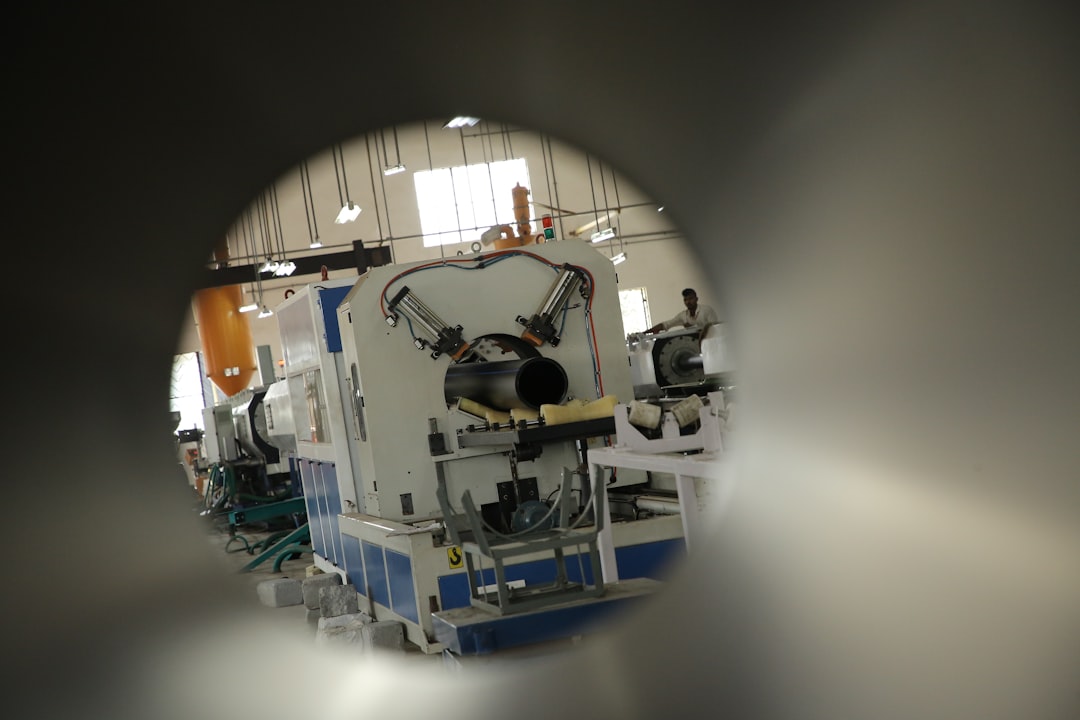
The production of plastic has seen an unprecedented surge since the mid-20th century, transforming industries and daily life in ways that were once unimaginable. Initially hailed as a revolutionary material, plastic offered versatility, durability, and cost-effectiveness, leading to its widespread adoption across various sectors. From packaging to automotive parts, the applications of plastic seemed limitless, and its convenience quickly overshadowed any initial concerns regarding its environmental implications.
By the early 21st century, global plastic production had skyrocketed, with millions of tons being manufactured annually to meet the insatiable demand for consumer goods. As economies expanded and consumer culture flourished, the reliance on plastic became deeply entrenched. The convenience of single-use plastics, in particular, contributed significantly to this rise.
Items such as plastic bags, straws, and containers became staples in everyday life, often used for mere moments before being discarded. This throwaway culture not only fueled production but also laid the groundwork for a growing crisis that would soon emerge as the environmental consequences of plastic waste became increasingly apparent. The sheer volume of plastic produced and consumed has led to a situation where the material is now ubiquitous in the environment, raising alarms about its long-term sustainability.
Key Takeaways
- Plastic production has surged globally, heavily relying on fossil fuels as raw materials.
- The environmental and health impacts of plastic are significant, including pollution and toxic exposure.
- Petrochemical companies and economic interests strongly influence the continued growth of plastic manufacturing.
- Sustainable alternatives and systemic changes are crucial to addressing the plastic crisis effectively.
- Both individual behavior and collective policy actions are essential to reduce plastic consumption and waste.
The Role of Fossil Fuels in Plastic Manufacturing
Fossil fuels play a pivotal role in the production of plastics, serving as both a source of energy and a raw material. The majority of plastics are derived from petrochemicals, which are chemical products obtained from refining crude oil and natural gas. This connection between fossil fuels and plastic manufacturing is critical to understanding the environmental challenges posed by both industries.
The extraction and processing of fossil fuels not only contribute to greenhouse gas emissions but also create a dependency on non-renewable resources that are finite and increasingly difficult to obtain. The process of converting fossil fuels into plastic involves several complex steps, including cracking hydrocarbons to produce ethylene and propylene, which are the building blocks of many common plastics. This intricate relationship means that fluctuations in fossil fuel prices can directly impact the cost and availability of plastic products.
As global demand for plastics continues to rise, so too does the pressure on fossil fuel resources, leading to a cycle that perpetuates environmental degradation and climate change. The reliance on fossil fuels for plastic production underscores the urgent need for a transition to more sustainable materials and energy sources.
The Environmental Impact of Plastic Production
The environmental impact of plastic production is profound and multifaceted. From the extraction of fossil fuels to the manufacturing processes involved, each stage contributes to pollution and ecological disruption. The production facilities themselves often emit significant amounts of greenhouse gases, exacerbating climate change.
Additionally, the chemicals used in plastic manufacturing can contaminate air and water sources, posing risks to both human health and wildlife. The extraction processes associated with fossil fuels can lead to habitat destruction and biodiversity loss, further compounding the environmental toll. Once produced, plastics have a long lifespan that complicates waste management efforts.
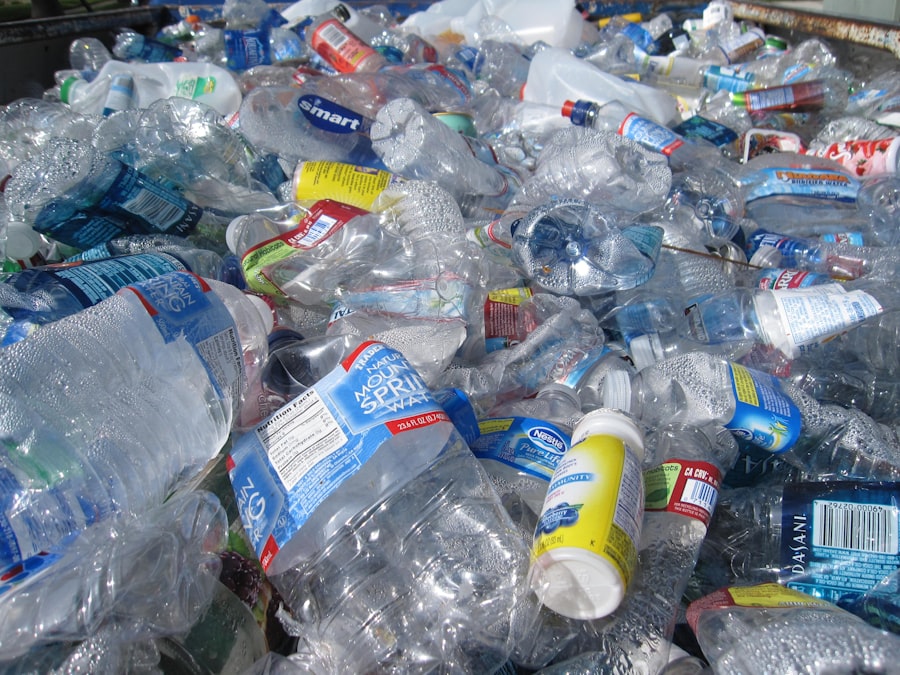
Many plastics do not biodegrade; instead, they break down into smaller microplastics that persist in ecosystems for hundreds of years. These microplastics have infiltrated oceans, rivers, and even the food chain, posing risks to marine life and human health alike. The sheer volume of plastic waste generated each year—estimated at millions of tons—highlights the urgent need for comprehensive strategies to mitigate its environmental impact.
As awareness grows regarding these issues, calls for more sustainable practices in plastic production have become increasingly prominent.
The Connection Between Fossil Fuels and Plastic Waste
The connection between fossil fuels and plastic waste is a critical aspect of the broader environmental crisis facing the planet today. As plastics are predominantly derived from fossil fuels, their production is inherently linked to the extraction and consumption of these non-renewable resources. This relationship creates a cycle where increased plastic production leads to greater fossil fuel consumption, resulting in more waste generation.
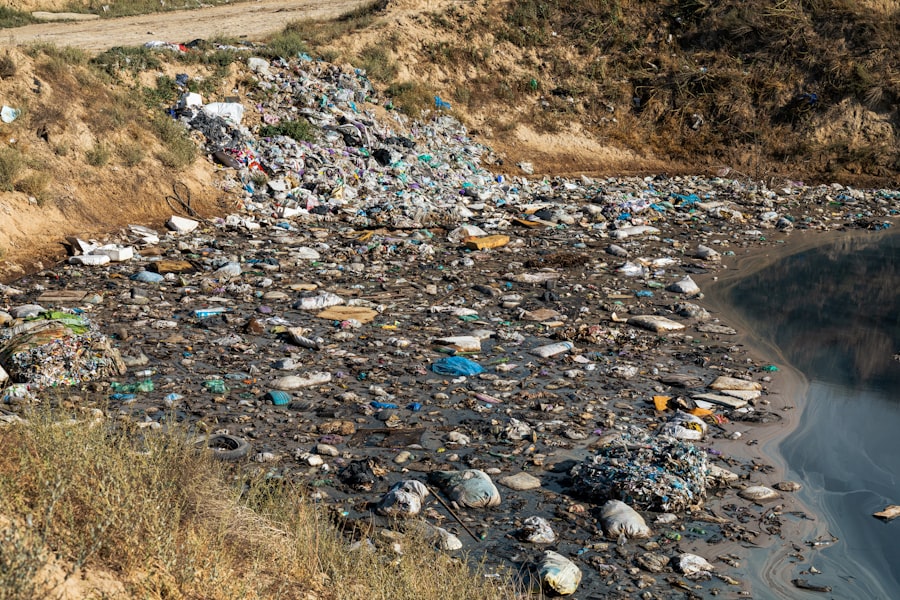
The linear economy model—where products are made, used, and disposed of—has dominated for decades, contributing to an ever-growing mountain of plastic waste. Moreover, the disposal methods for plastic waste often exacerbate environmental issues associated with fossil fuel extraction. Landfills are overflowing with discarded plastics that can take centuries to decompose, while incineration releases harmful pollutants into the atmosphere.
Recycling efforts have been hampered by contamination and economic challenges, leading to a situation where only a small fraction of plastics are effectively recycled. This connection highlights the urgent need for systemic change in how society approaches both fossil fuel consumption and plastic waste management.
The Global Demand for Plastic Products
| Metric | Value | Unit | Notes |
|---|---|---|---|
| Global Plastic Production (2023) | 400 | Million Metric Tons | Estimated annual production worldwide |
| Percentage of Plastic Derived from Fossil Fuels | 99 | % | Most plastics are petrochemical-based |
| Fossil Fuel Consumption for Plastic Production | 8 | Percent of global oil consumption | Used as feedstock and energy source |
| CO2 Emissions from Plastic Production | 1.8 | Gigatons per year | Equivalent to emissions of some countries |
| Projected Plastic Production by 2050 | 1,200 | Million Metric Tons | Based on current growth trends |
| Percentage of Plastic Waste Recycled | 9 | % | Global average recycling rate |
The global demand for plastic products continues to rise at an alarming rate, driven by population growth, urbanization, and changing consumer preferences. Plastics have become integral to various industries, including packaging, construction, automotive, and electronics. The convenience and low cost associated with plastic products make them appealing to consumers and manufacturers alike.
As economies develop and lifestyles evolve, the appetite for plastic goods shows no signs of abating. This increasing demand poses significant challenges for sustainability efforts. As more countries industrialize and adopt Western consumption patterns, the pressure on plastic production intensifies.
Emerging markets are particularly susceptible to this trend as they seek to meet the needs of growing populations while balancing economic development with environmental stewardship. The global nature of plastic production means that local actions can have far-reaching consequences; thus, addressing this demand requires coordinated efforts across borders to promote sustainable alternatives and reduce reliance on single-use plastics.
The Influence of Petrochemical Companies on Plastic Production
Petrochemical companies wield considerable influence over plastic production due to their control over fossil fuel resources and their role in the supply chain. These corporations often prioritize profit over environmental concerns, lobbying against regulations that would limit plastic production or promote sustainable alternatives. Their vested interests in maintaining a steady demand for fossil fuels create a powerful barrier to meaningful change in how plastics are produced and consumed.
Moreover, petrochemical companies invest heavily in marketing campaigns that promote the benefits of plastics while downplaying their environmental impact. This strategy not only shapes public perception but also influences policy decisions at various levels of government. As these companies continue to expand their operations globally, their influence poses significant challenges for advocates seeking to reduce plastic production and promote sustainable practices.
Addressing this issue requires a concerted effort from governments, NGOs, and consumers alike to hold these corporations accountable for their role in the plastic crisis.
The Health Risks Associated with Plastic Consumption
The health risks associated with plastic consumption are becoming increasingly evident as research uncovers the potential dangers posed by certain chemicals found in plastics. Many common plastics contain additives such as phthalates and bisphenol A (BPA), which have been linked to various health issues ranging from hormonal disruptions to increased cancer risk. As these chemicals leach into food and beverages from plastic containers or packaging, consumers unknowingly expose themselves to potential harm.
Furthermore, microplastics have emerged as a significant concern due to their prevalence in food sources and drinking water. Studies have detected microplastics in seafood, salt, and even tap water, raising alarms about their long-term effects on human health. While research is still ongoing regarding the full extent of these risks, it is clear that the pervasive nature of plastics poses serious questions about safety and well-being.
Addressing these health concerns necessitates a reevaluation of plastic use in consumer products and a push towards safer alternatives.
The Need for Sustainable Alternatives to Plastic
The urgent need for sustainable alternatives to plastic has never been more apparent as society grapples with the consequences of rampant plastic production and consumption. Innovative materials such as bioplastics—derived from renewable sources like corn starch or sugarcane—offer promising solutions that could reduce reliance on fossil fuels while minimizing environmental impact. Additionally, advancements in materials science are paving the way for biodegradable options that can break down more quickly than traditional plastics.
However, transitioning away from conventional plastics requires more than just developing new materials; it necessitates a fundamental shift in consumer behavior and industry practices. Education plays a crucial role in raising awareness about the benefits of sustainable alternatives while encouraging individuals and businesses to adopt more eco-friendly practices. Governments also have a vital part to play by implementing policies that incentivize sustainable production methods and discourage single-use plastics through regulations or taxes.
The Economic and Political Factors Driving Plastic Production
Economic incentives play a significant role in driving plastic production on a global scale. The low cost of raw materials derived from fossil fuels makes plastics an attractive option for manufacturers seeking to minimize expenses while maximizing profits. Additionally, the lack of stringent regulations surrounding plastic production allows companies to prioritize short-term gains over long-term sustainability goals.
This economic landscape creates challenges for advocates pushing for change as they navigate complex political systems influenced by powerful industry stakeholders. Political factors also contribute to the persistence of plastic production despite growing awareness of its environmental impact. Lobbying efforts by petrochemical companies often result in policies that favor continued fossil fuel extraction and plastic manufacturing over sustainable alternatives.
Furthermore, international trade agreements can complicate efforts to regulate plastic production globally as countries compete for economic growth while balancing environmental concerns. Addressing these economic and political factors requires collaborative efforts among governments, businesses, and civil society to create an environment conducive to sustainable practices.
The Potential Solutions to the Plastic Crisis
Addressing the plastic crisis necessitates a multifaceted approach that encompasses innovation, regulation, education, and community engagement. One potential solution lies in enhancing recycling technologies to improve efficiency and reduce contamination rates. By investing in advanced recycling methods such as chemical recycling or upcycling processes, society can begin to close the loop on plastic waste while minimizing reliance on virgin materials.
Additionally, promoting circular economy principles can help shift focus from linear consumption patterns towards sustainable practices that prioritize reuse and recycling over disposal. Encouraging businesses to adopt sustainable packaging solutions or implement take-back programs can significantly reduce waste generation while fostering consumer awareness about responsible consumption habits. Ultimately, collaboration among stakeholders—including governments, businesses, NGOs, and consumers—is essential for developing comprehensive strategies that address both the production and disposal aspects of plastics.
The Importance of Individual and Collective Action in Reducing Plastic Consumption
Individual actions play a crucial role in addressing the plastic crisis; however, collective efforts are equally vital for driving systemic change. Simple lifestyle choices—such as using reusable bags or opting for products with minimal packaging—can collectively lead to significant reductions in plastic consumption when adopted by large numbers of people. Grassroots movements advocating for reduced plastic use have gained momentum worldwide as communities come together to raise awareness about environmental issues related to plastics.
Collective action extends beyond individual choices; it encompasses advocacy efforts aimed at influencing policy changes at local, national, and global levels. By mobilizing communities around shared goals—such as banning single-use plastics or promoting sustainable alternatives—citizens can exert pressure on governments and corporations alike to prioritize sustainability over profit margins. Ultimately, fostering a culture of responsibility towards plastic consumption requires both individual commitment and collective action aimed at creating lasting change for future generations.
The impact of fossil fuels on plastic production is a pressing issue that has garnered significant attention in recent years. A related article that delves into the intricacies of this topic can be found at this link. It explores how the reliance on fossil fuels not only fuels the plastic industry but also contributes to environmental degradation, highlighting the urgent need for sustainable alternatives.
WATCH THIS! 🚨 THE RECYCLING LIE: How Big Oil Fooled the World for 50 Years 🚨
FAQs
What is meant by the term “plastic production juggernaut”?
The term “plastic production juggernaut” refers to the massive and rapidly growing scale of global plastic manufacturing. It highlights how plastic production has become a dominant and powerful industry worldwide, driven by increasing demand for plastic products.
How are fossil fuels related to plastic production?
Fossil fuels, such as oil and natural gas, are the primary raw materials used in the production of plastics. They provide the hydrocarbons needed to create various types of plastic polymers through chemical processes.
Why is plastic production heavily dependent on fossil fuels?
Plastic production relies on fossil fuels because these fuels supply both the feedstock (raw materials) and the energy required for manufacturing plastics. The chemical structure of fossil fuels makes them ideal for producing the building blocks of plastics.
What environmental concerns are associated with plastic production from fossil fuels?
Plastic production from fossil fuels contributes to greenhouse gas emissions, resource depletion, and pollution. The extraction and processing of fossil fuels release carbon dioxide and other pollutants, while plastic waste poses significant challenges for ecosystems and wildlife.
Are there alternatives to fossil fuel-based plastics?
Yes, alternatives include bioplastics made from renewable biomass sources like corn or sugarcane. However, these alternatives currently represent a small fraction of total plastic production and have their own environmental considerations.
How does the growth of plastic production impact climate change?
The expansion of plastic production increases demand for fossil fuels, leading to higher carbon emissions throughout the supply chain—from extraction to manufacturing to disposal—thereby exacerbating climate change.
What measures are being taken to reduce the fossil fuel dependency of plastic production?
Efforts include developing bio-based plastics, improving recycling technologies, implementing circular economy models, and enacting policies to reduce single-use plastics and promote sustainable materials.
Is recycling effective in reducing the environmental impact of plastic production?
Recycling can reduce the need for virgin fossil fuel feedstocks and lower emissions, but current recycling rates are low globally. Challenges include contamination, economic viability, and the degradation of plastic quality after multiple recycling cycles.
What role do governments and industries play in addressing the issues related to plastic production and fossil fuels?
Governments can implement regulations, incentives, and standards to encourage sustainable practices, while industries can invest in research, adopt cleaner technologies, and shift towards circular business models to reduce environmental impacts.