You bought that shiny new refrigerator, didn’t you? The one with the sleek stainless-steel finish and the promise of effortless convenience. You pictured perfectly chilled beverages and crisp vegetables staying fresh for weeks. You envisioned it silently humming in your kitchen, a silent sentinel of modern living. But lately, that dream feels more like a flickering bulb in a dark room, casting more shadows than light. You’re not alone in this growing unease. The reliability of modern appliances, once a cornerstone of domestic comfort, has become a troubling trend, a subtle erosion of trust in the very machines designed to simplify your life.
Once upon a time, appliances were built with a certain utilitarian fortitude. Think of the cast-iron enamel refrigerators of yesteryear, mechanical marvels that seemed to defy the passage of time. They were simpler, yes, but their durability was legendary. Today, the landscape has dramatically shifted, driven by a confluence of factors that have reshaped how your appliances are conceived, manufactured, and ultimately, how they behave in your home.
The Rise of the “Smart” Appliance: Convenience or Complication?
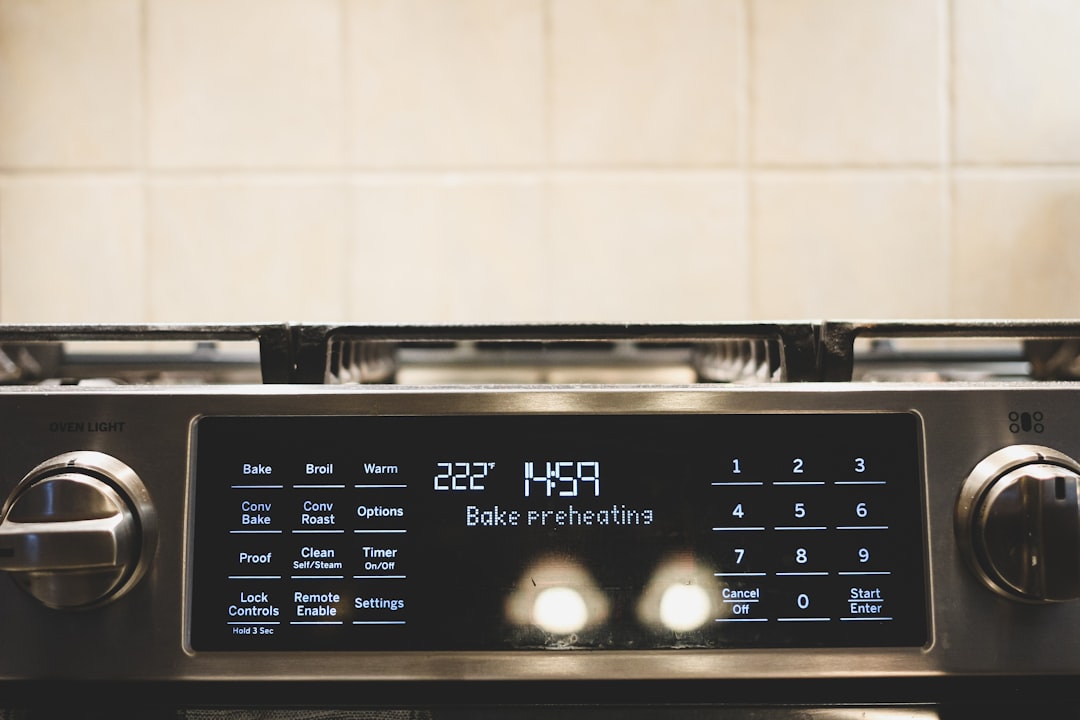
The siren song of “smart” technology has infiltrated every corner of your kitchen and laundry room. Your oven now connects to your phone, your washing machine boasts a digital display with more options than you could ever realistically use, and your dishwasher might even order detergent when it senses you’re running low. This integration, proponents argue, is the pinnacle of convenience. You can preheat your oven from work, troubleshoot a washing machine error remotely, or receive notifications when a load is finished. However, this added layer of digital sophistication acts as a complex new network of potential failure points. A faulty sensor, a software glitch, or a compromised Wi-Fi connection can render your “smart” appliance less a source of convenience and more a digital paperweight, a testament to the increasing complexity you’ve invited into your home.
Planned Obsolescence: A Hidden Architect of Failure
You might have heard the whispers of “planned obsolescence,” the idea that products are designed to have a limited lifespan. While concrete proof for specific appliance models can be elusive, the evidence on the ground is compelling. Notice how often an appliance’s demise seems to coincide with the expiry of its warranty? Or how a seemingly minor component, like a plastic gear or a specific circuit board, seems prohibitively expensive to replace, pushing you towards a full unit replacement? This isn’t necessarily malicious intent, but rather an economic reality. Manufacturers operate on cycles of innovation and sales. If appliances lasted forever, the market would stagnate. The constant introduction of new models with incremental improvements, coupled with designs that prioritize cost-effectiveness in manufacturing over long-term resilience, creates an environment where your appliances are often on a predetermined march towards obsolescence.
The March of Automation and Complex Components
Modern appliances are packed with more moving parts and intricate electronic control boards than ever before. Each of these components, from the humble thermostat to the sophisticated inverter board, represents a potential point of failure. The sheer number of interconnected systems in a modern refrigerator, for example, far exceeds that of its analog predecessors. This complexity, while enabling advanced features and energy efficiency, also introduces a labyrinth of potential issues. Think of it like a finely tuned orchestra; a single misplaced note from a rogue instrument can disrupt the entire symphony.
In recent years, many consumers have expressed frustration over the reliability of modern appliances, leading to a growing interest in understanding the underlying causes of this trend. A related article that delves into this issue is available at Hey Did You Know This, where various factors contributing to the decline in appliance durability are explored. The article discusses how advancements in technology, cost-cutting measures, and the shift towards planned obsolescence have all played significant roles in making appliances less reliable than their predecessors.
The Digital Ghost in Your Machine
That blinking error code, the phantom hum when the appliance should be silent, the sudden cessation of function – these are the digital ghosts that haunt your modern appliances. Once a mechanical beast, your appliance has become a creature of code and electricity, making its problems far less tangible and often more frustrating to diagnose.
Software Glitches and Firmware Fails
Your smart refrigerator or oven doesn’t just operate on gears and motors; it runs on software. And just like the software on your computer or smartphone, it’s susceptible to bugs, glitches, and the need for updates. A poorly written line of code can cause your washing machine to refuse to drain, or your oven to display an error message that the manufacturer’s manual doesn’t even acknowledge. Firmware updates, meant to improve performance or patch security vulnerabilities, can sometimes introduce unintended consequences, rendering your appliance temporarily or permanently inoperable. You’re essentially reliant on a digital infrastructure that you have little control over.
The Interconnectedness Trap: When One Fails, All Can Suffer
The allure of connected living means your appliances are increasingly talking to each other, and to the cloud. This interconnectedness, while offering convenience, can also be a vulnerability. A fault in one appliance’s communication module could theoretically cascade, affecting the operation of other connected devices. Imagine a scenario where a rogue signal from your smart toaster disrupts the settings on your oven, or a cloud server outage prevents your dishwasher from even starting. You’ve woven a delicate web of digital dependence, and when a thread breaks, the whole structure can falter.
Obsolescence by Design: The “Non-Replaceable” Part
One of the most insidious aspects of modern appliance design is the intentional un-replaceability of certain components. For years, manufacturers have been embedding critical parts, like control boards or specialized sensors, in a way that makes them exceedingly difficult, if not impossible, for the average consumer or even a third-party technician to repair. This isn’t just about making repairs more expensive; it’s about making them practically non-existent. When a seemingly minor, yet irreplaceable, part fails, you’re often left with no choice but to replace the entire appliance, a costly and environmentally disquieting outcome.
The Erosion of Repairability and the Rise of the Disposable
The days of easily fixing a leaky washing machine with a simple wrench and a replacement gasket feel like a distant memory. The trend towards un-repairability has transformed your appliances from long-term investments into disposable commodities.
The “Sealed Unit” Phenomenon
You’ve likely encountered the term “sealed unit” when inquiring about repairs. This refers to components, like a compressor in a refrigerator or a motor in a washing machine, that are welded shut and not designed for individual servicing. If this sealed unit fails, the entire component must be replaced, often at a significant cost, or the entire appliance must be discarded. This design choice directly undermines the principle of repair, effectively turning critical parts into black boxes that are beyond your reach.
The Software Lockout: Denying Independent Technicians
Modern appliances are increasingly protected by proprietary software and diagnostic tools that are only accessible to authorized service technicians. This creates a barrier for independent repair shops and even for skilled DIYers. If your appliance displays an error code that requires specialized software to reset or diagnose, you’re often forced back to the manufacturer’s approved service network, which can be expensive and time-consuming. This effectively creates a monopoly on repair services, leaving you with fewer options and less control over the upkeep of your own belongings.
The Material Shift: From Robust to Recycled (and Fragile)
The materials used in appliance manufacturing have also evolved. While there are undoubtedly benefits to using lighter, more easily recycled materials, there is also a noticeable trend towards plastics and composite materials that may not possess the same inherent longevity as the metals and solid components of older appliances. These materials can become brittle with age, crack under stress, or degrade from exposure to heat and moisture. This subtle shift in material science contributes to the overall fragility and reduced lifespan of your modern appliances.
The Escalating Costs: Beyond the Purchase Price
The initial price tag on a new appliance is only the beginning of your financial commitment. The unreliability of modern machines translates into escalating costs throughout their lifecycle, a hidden tax on convenience.
The Perpetual Cycle of Repair and Replacement
When your appliance inevitably breaks down – and with the trends we’ve discussed, the “when” is often a more pressing question than the “if” – you face a choice. You can invest in a repair, a cost that can sometimes approach the price of a new appliance, especially if a major component has failed. Or, you can succumb to the pressure of replacement, a significant outlay that starts the cycle anew. This creates a treadmill of expenditure, where you’re constantly paying for either fixing or replacing the same fundamental need.
The Indirect Costs of Malfunction
Beyond the direct costs of repair or replacement, consider the indirect expenses that arise from appliance malfunctions. A refrigerator failure means spoiled food, a loss that can be substantial and frustrating. A broken washing machine forces you to spend time and money at a laundromat. Overwhelmed by a malfunctioning oven, you might resort to expensive takeout meals. These are the silent drains on your budget, the secondary consequences of relying on machines that are not built to last.
The “Bundling” Trap and the Obsolescence of Integrated Systems
Many modern appliances are sold as part of integrated kitchen suites, where several units are designed to work in concert and share a common aesthetic. If one component in this bundle fails, it can create a domino effect, potentially impacting the entire suite. Furthermore, the way these systems are designed can make it difficult to replace just one element. For instance, a faulty control panel on one appliance might require the replacement of the entire unit to maintain the aesthetic and functional harmony of the suite. This “bundling” trap, while offering initial aesthetic appeal, can leave you financially vulnerable when a single element falters.
Many consumers have noticed a decline in the reliability of modern appliances, leading to frustration and unexpected repair costs. This trend can be attributed to various factors, including the use of cheaper materials and a focus on advanced technology over durability. For a deeper understanding of this issue, you can explore a related article that discusses the reasons behind the growing unreliability of household devices. Check it out here: why modern appliances are so unreliable.
Reclaiming Control: Navigating the Unreliable Landscape
| Factor | Description | Impact on Reliability | Example Metrics |
|---|---|---|---|
| Planned Obsolescence | Designing products with a limited lifespan to encourage repeat purchases | Shorter product lifespan, increased failure rates after warranty | Average lifespan: 5-7 years vs. 15-20 years (older models) |
| Cost-Cutting Materials | Use of cheaper components to reduce manufacturing costs | Higher failure rates, more frequent repairs | Component failure rate: 15% within 2 years (modern) vs. 5% (older) |
| Complex Electronics | Increased use of microprocessors and sensors in appliances | More points of failure, harder to repair | Electronic component failure accounts for 40% of repairs |
| Manufacturing Variability | Mass production with less quality control | Inconsistent product quality, higher defect rates | Defect rate: 3-5% per batch |
| Repairability | Designs that make repairs difficult or expensive | Increased appliance replacement instead of repair | Repair cost often exceeds 50% of replacement cost |
While the trend towards unreliability may seem daunting, you are not entirely powerless. By adopting a more informed and discerning approach, you can mitigate the impact of these challenges and make more resilient choices.
The Power of Due Diligence: Research and Reviews
Before you hand over your hard-earned money, invest in research. Read reviews from reputable consumer organizations and independent testing agencies. Look for patterns in complaints, paying close attention to the longevity and repairability of the models you’re considering, not just their features. The collective voice of other consumers can be a powerful indicator of potential future problems. Don’t be swayed solely by flashy marketing or celebrity endorsements. Focus on the substance of how the appliance performs over time.
Prioritizing Repairability: Seeking Out the Fixable
As you shop, actively seek out brands and models that are known for their repairability. Look for appliances that are not excessively reliant on proprietary software, where components are accessible, and where spare parts are readily available. While these options may be fewer in number, they represent a more sustainable and cost-effective investment in the long run. A machine that can be easily serviced is a machine that can serve you for longer, a quiet rebellion against the disposable culture.
The Manufacturer’s Warranty: A Double-Edged Sword
Understand your manufacturer’s warranty thoroughly. While it offers a degree of protection against immediate defects, remember that it’s a finite safety net. Don’t assume that a long warranty automatically equates to robust build quality. Instead, view it as a period of initial testing. After the warranty expires, the true test of an appliance’s longevity begins. Consider extending warranties or purchasing them from reputable third-party providers if they offer genuine value and comprehensive coverage, but always weigh the cost against the potential benefits.
Embracing a Mindset of Maintenance
Shift your perspective from one of passive consumption to one of active maintenance. Regular cleaning, proper usage, and understanding your appliance’s operational quirks can help prevent minor issues from escalating into major problems. Familiarize yourself with the user manual, and don’t hesitate to perform basic checks and maintenance tasks that are within your capabilities. This proactive approach can extend the life of your appliances and save you significant expense and frustration down the line. You are the steward of your domestic ecosystem, and a little care goes a long way.
FAQs
Why do modern appliances seem less reliable than older models?
Modern appliances often incorporate advanced technology and complex electronics, which can increase the likelihood of malfunctions. Additionally, manufacturers may prioritize cost reduction and faster production, sometimes at the expense of durability and repairability.
Are modern appliances designed to have a shorter lifespan?
Some experts suggest that planned obsolescence plays a role, where appliances are designed to last only a certain number of years to encourage repeat purchases. However, this is not universally true, and many factors such as materials, design, and usage impact lifespan.
How does the use of cheaper materials affect appliance reliability?
Using lower-cost materials can reduce manufacturing expenses but may compromise the appliance’s durability and performance. Cheaper components are more prone to wear and failure, contributing to the perception of unreliability.
Can frequent software updates in smart appliances cause reliability issues?
Yes, smart appliances that rely on software can experience bugs, glitches, or compatibility problems after updates. These issues can affect functionality and may require technical support or repairs.
What can consumers do to improve the reliability of their modern appliances?
Consumers can improve reliability by choosing appliances from reputable brands, reading reviews, performing regular maintenance, and following manufacturer guidelines. Additionally, opting for models with simpler designs and fewer electronic components may reduce the risk of failure.