
The Truth About the Founding Fathers’ Wealth
The narrative surrounding the Founding Fathers of the United States often paints a picture of unblemished patriots, driven solely by a desire for liberty and self-governance. While their contributions to the nation’s formation are undeniable, a closer examination of their personal finances reveals a more complex and nuanced reality. Understanding the wealth of these men is not about tarnishing their legacy, but about providing a more accurate historical context, a lens through which to view their motivations, their actions, and the economic landscape they navigated. It is akin to understanding the engine of a powerful automobile; knowing its components and how they function allows for a deeper appreciation of its journey, rather than simply admiring its outward appearance. This exploration aims to unpack the various facets of their financial standing, dispelling some myths and illuminating the significant economic factors that shaped their lives and the nascent nation.
The financial standing of the Founding Fathers was deeply interwoven with the economic fabric of the colonial era. Their wealth was not an abstract concept but a tangible accumulation of resources, land, and influence within a society still largely agrarian.
Land Ownership: The Cornerstone of Colonial Wealth
For most of the prominent figures of the Revolution, land was the primary source of their economic power. Vast tracts of fertile soil were not merely a place to live but a direct generator of income through agriculture.
The Scale of Holdings
Figures like George Washington, Thomas Jefferson, and James Madison were not mere landowners; they were planters of considerable stature. Their estates, such as Washington’s Mount Vernon, Jefferson’s Monticello, and Madison’s Montpelier, were sprawling complexes, employing hundreds of individuals. This land ownership was not accidental; it was a deliberate accumulation, often through inheritance, strategic acquisition, and legal maneuvering. These were not small family farms but substantial enterprises, akin to modern-day corporations in their scale and management complexity.
The Role of Labor
Crucially, the profitability of these vast estates was intrinsically linked to the institution of slavery. The forced labor of enslaved people was the engine that powered the agricultural economies of the Southern Founders. This is a stark and uncomfortable truth that cannot be sidestepped. The wealth accumulated by men like Washington and Jefferson was directly subsidized by the unpaid labor of human beings. To ignore this is to present an incomplete and misleading picture, like admiring the intricate gears of a clock while being oblivious to the unseen forces that set them in motion.
Beyond Agriculture: Diversified Investments
While land was paramount, many Founding Fathers also engaged in other ventures that contributed to their financial standing. These diversified investments offered additional streams of income and showcased their entrepreneurial spirit.
Mercantile Pursuits
Merchants played a vital role in the colonial economy, and some Founders dabbled in or actively participated in trade. Figures like Robert Morris, often dubbed the “Financier of the Revolution,” amassed his fortune through extensive shipping and mercantile operations. His wealth was not built on dirt and sweat, but on the flow of goods across the Atlantic, a testament to his acumen in a burgeoning global marketplace.
Financial Instruments and Speculation
As the colonies developed, so did more sophisticated financial mechanisms. Some Founders, particularly those involved in the Continental Congress and later the new government, engaged in land speculation and invested in burgeoning financial ventures. This included purchasing government debt, a practice that would become more formalized in the early republic. This was a move from tangible assets to more abstract forms of wealth, a seed planted in the fertile ground of a young nation’s potential.
The truth about the founding fathers’ wealth is a topic that often sparks debate and curiosity among historians and the public alike. For those interested in exploring this subject further, a related article can be found at Hey Did You Know This, which delves into the financial backgrounds of these influential figures and how their wealth influenced their political decisions and the formation of the United States.
The Economic Context of Revolution
The economic motivations and financial consequences of the American Revolution were deeply intertwined with the Founding Fathers’ personal fortunes. The pursuit of political independence was not entirely divorced from the preservation and enhancement of their economic interests.
Grievances and Economic Freedoms
Many of the grievances that fueled the Revolution had a direct economic component. Acts like the Stamp Act and the Townshend Acts were perceived as infringements on colonial economic autonomy and were viewed as unfair taxation without colonial representation.
Taxation Without Representation: A Burden on Commerce
The imposition of taxes by the British Parliament without the consent of colonial legislatures was not just a philosophical affront; it was a tangible drain on the wealth and commerce of the colonies. Merchants, planters, and artisans all felt the pinch. For the wealthy Founders, it was a matter of both principle and profit. Imagine a business owner being told to pay a significant portion of their earnings to an entity that had no understanding of their daily operations or market challenges. This was the colonial economic grievance in microcosm.
Mercantilist Policies and Restraints on Trade
British mercantilist policies, which favored the mother country’s economic interests, restricted colonial trade and manufacturing. These policies were seen as stifling economic growth and opportunity for the colonists. The Founders were not merely advocating for abstract political ideals; they were fighting for the freedom to trade and develop their own economic systems without undue external control.
The Financial Strain of War
The Revolutionary War itself placed an immense financial burden on the fledgling nation and, consequently, on its prominent leaders.
Personal Contributions and Investments
Many Founding Fathers personally invested their own wealth to finance the war effort. Figures like Robert Morris, with his extensive financial network, played a crucial role in securing loans and managing the nation’s finances during the conflict. This was not altruism in a vacuum; it was an investment in a future where their own property and economic future would be secure.
Debt and Inflation
The war effort led to massive government debt and significant inflation, which had a profound impact on the economic standing of individuals. The depreciating value of currency meant that savings and wealth could be eroded. This was a period of economic turbulence, where fortunes could be made or lost with the ebb and flow of the war and the government’s financial management.
The Complexity of Slave Ownership

The economic reality for many Southern Founding Fathers is inextricably linked to the institution of slavery. This aspect of their wealth is often a source of discomfort, but it is essential to grasp the full picture.
The Economic Engine of the South
For planters like Jefferson and Madison, enslaved people were not merely laborers; they were considered property and a significant capital investment. Their labor generated the crops that formed the basis of their fortunes.
The Value of Human Beings as Property
The Fugitive Slave Act of 1793, which was supported by many Founders, underscored the legal and economic framework that treated enslaved individuals as chattel. Their bodies represented a quantifiable economic value, a commodity in the eyes of the law and their enslavers. This is a deeply disturbing truth, but one that is central to understanding the economic underpinnings of the South and the wealth of its prominent citizens. It is a dark shadow cast upon the bright ideals of liberty.
Beyond the Fields
The economic impact of slavery extended beyond direct agricultural labor. Enslaved people also worked as skilled artisans, domestic servants, and in other capacities, all contributing to the running of large plantation households and generating wealth for their owners.
The Paradox of Liberty and Bondage
Many Founding Fathers, particularly those in the South, espoused ideals of liberty while simultaneously upholding and benefiting from the institution of slavery. This inherent contradiction is a central theme in understanding their economic and moral landscape.
Jefferson’s Internal Conflict
Thomas Jefferson, a man who penned the words “all men are created equal,” owned hundreds of enslaved people throughout his life. While he expressed personal reservations about slavery and even drafted legislation aimed at its eventual abolition, his financial dependence on enslaved labor prevented him from fully divesting himself of the practice. His financial obligations and the very structure of his economic existence were built upon this foundation.
Financial Entanglements and Debt
The economic realities of maintaining large estates and the prevailing financial practices of the time often led to significant debt for planters. This debt, in turn, could further entrench their reliance on enslaved labor to generate income and service their obligations. The cycle of debt and bondage was a powerful force.
Post-Revolutionary Fortunes and Government Policies
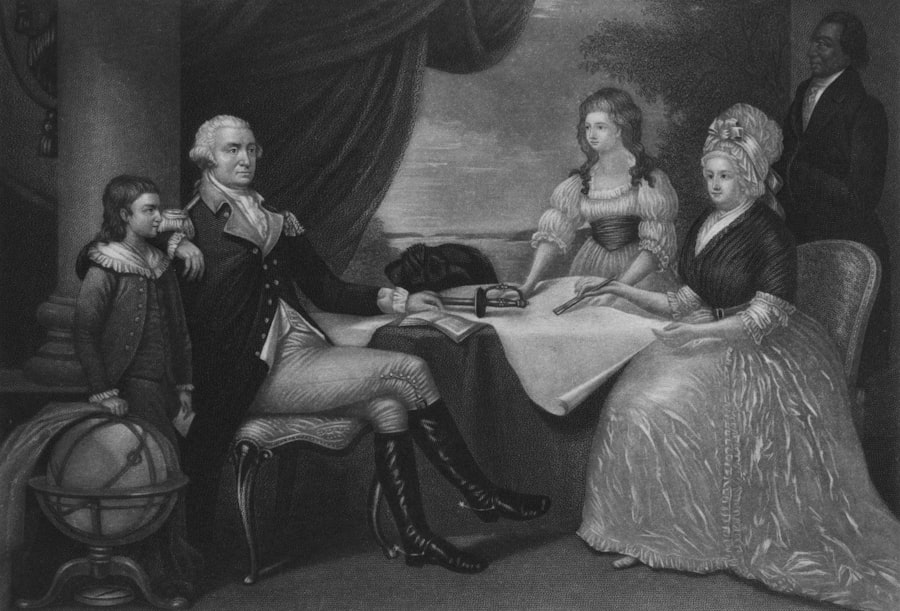
Following the establishment of the United States, the economic landscape continued to evolve, and the Founding Fathers, now leaders of a new nation, navigated its early financial policies, often to their personal advantage.
The Birth of a Financial System
The creation of a national bank, the establishment of a national debt, and the development of a stable currency were all critical steps in shaping the new nation’s economy.
Alexander Hamilton’s Financial Vision
Alexander Hamilton, as the first Secretary of the Treasury, was instrumental in establishing the nation’s financial infrastructure. His policies, such as the assumption of state debts by the federal government and the eventual establishment of the Bank of the United States, were designed to strengthen the nation’s credit and foster economic growth.
The Beneficiaries of Federal Policies
These policies, while arguably beneficial for the nation’s long-term stability, also created opportunities for individuals who were well-positioned to capitalize on them. Those who had purchased government bonds or had access to capital were able to benefit significantly from the stabilization and growth of the national economy. This was not the work of abstract economic forces alone; it was the result of deliberate policy choices by men who understood the system.
Land Speculation and Western Expansion
As the young nation expanded westward, opportunities for land speculation emerged, drawing in many of the Founding Fathers.
Acquiring and Developing Frontier Lands
The vast territories acquired through treaties and purchases offered immense potential for wealth generation through land acquisition and development. Many Founders recognized this and invested in or acquired large tracts of land in these burgeoning regions.
The Influence of Political Power
Their political influence and access to information often provided them with an advantage in these speculative endeavors. They were privy to government plans for infrastructure development and land distribution, allowing them to make strategic investments. This was a land rush, and their insider knowledge was a golden ticket.
The wealth of the Founding Fathers has often been a topic of debate among historians, with many questioning how their financial status influenced the creation of the United States. For those interested in exploring this subject further, a related article provides insightful analysis and context regarding the economic backgrounds of these pivotal figures. You can read more about it in this detailed examination that sheds light on the complexities of their financial legacies and how it shaped their political decisions.
Legacy: Wealth, Ideals, and Enduring Questions
| Founding Father | Estimated Wealth at Death | Primary Sources of Wealth | Notable Financial Facts |
|---|---|---|---|
| George Washington | 500,000 – 600,000 (in 18th-century currency) | Land ownership, plantations, slaves, military pension | Owned one of the largest estates in Virginia; wealth largely tied to land and enslaved labor |
| Thomas Jefferson | 200,000 – 250,000 | Plantations, land, slaves, inheritance | Struggled with debt despite large landholdings; Monticello estate was costly to maintain |
| Benjamin Franklin | 20,000 – 30,000 | Printing business, investments, real estate | Self-made wealth through printing and publishing; modest compared to plantation owners |
| John Adams | 10,000 – 15,000 | Law practice, public service | Modest wealth; focused on law and politics rather than land or plantations |
| Alexander Hamilton | 50,000 – 75,000 | Law, finance, government positions | Accumulated wealth through government roles and investments; died young |
Examining the wealth of the Founding Fathers compels a more nuanced understanding of their motivations and complicates simplistic narratives. It is through this honest appraisal that their true significance can be appreciated, not as flawless paragms, but as complex individuals operating within the economic realities of their time.
The Interplay of Personal Interest and Public Good
It is undeniable that personal financial interests often converged with the pursuit of national interests for the Founding Fathers. Their desire for a stable and prosperous nation was intertwined with their own economic well-being.
Pragmatism and Self-Interest
The Founders were practical men who understood that a strong national economy would ultimately benefit them and their descendants. This is not to suggest their actions were purely selfish, but rather that personal and public interests were often in alignment, creating a fertile ground for both.
The Foundation of a Capitalist System
Their actions and policies laid the groundwork for the capitalist system that would characterize the American economy. They fostered an environment conducive to investment, trade, and the accumulation of wealth, a system that has had profound and lasting global implications.
Unanswered Questions and Ongoing Debates
The study of the Founding Fathers’ wealth continues to spark debate and inquiry, prompting deeper reflection on the nation’s founding principles.
The Enduring Shadow of Slavery
The legacy of slavery continues to cast a long shadow over the nation’s history and economy, a direct consequence of the wealth accumulated on the backs of enslaved labor. This is a debt that the nation continues to grapple with, a stain on the fabric of its economic and social history.
Reconciling Ideals with Reality
Understanding the financial realities of the Founding Fathers allows for a more comprehensive assessment of their contributions. It encourages a critical engagement with the past, prompting us to ask how the ideals of liberty and equality, so eloquently articulated, coexisted with the economic structures of the time. This is not about diminishing their achievements, but about understanding the full spectrum of their human experience, the light and the shadow, the promise and the profound limitations. It is only by confronting these complexities that we can truly understand the foundation upon which the United States was built.
FAQs
1. Were all the Founding Fathers wealthy?
No, not all the Founding Fathers were wealthy. While some, like George Washington and Thomas Jefferson, owned significant land and property, others came from more modest backgrounds and did not possess substantial wealth.
2. How did the Founding Fathers acquire their wealth?
Many Founding Fathers acquired wealth through land ownership, plantations, business ventures, and inheritance. For example, George Washington inherited land and expanded his estate, while others earned money through law, trade, or public service.
3. Did the Founding Fathers own slaves?
Yes, several Founding Fathers owned slaves, including George Washington, Thomas Jefferson, and James Madison. However, their views on slavery varied, and some took steps toward abolition later in life.
4. Was wealth a requirement to be a Founding Father?
Wealth was not a formal requirement, but having financial resources often helped individuals gain education, influence, and political power, which contributed to their roles in founding the United States.
5. How did the Founding Fathers’ wealth impact their political views?
Their wealth and social status influenced their perspectives on property rights, governance, and economic policies. Many advocated for protections of private property and a government structure that balanced power among different social classes.