The question of which fat reigns supreme in your kitchen – butter or margarine – has been a culinary battleground for decades, a nutritional skirmish fought on toast and in baking pans. You’ve likely heard conflicting advice, whispers of saturated fats being villains and unsaturated fats being heroes. But the reality, as you’ll discover, is far more nuanced than a simple good versus evil narrative. This article aims to cut through the marketing buzz and nutritional jargon to provide you with a clear, factual understanding of margarine and butter, empowering you to make informed choices for your health.
When you stand before the dairy and spreads aisle, a landscape of choices unfolds. One section gleams with the golden hue of butter, a product of churning cream, seemingly as old as time. Adjacent, a vibrant collection of margarines, tubs and sticks promising a lighter, often plant-based alternative. For years, margarine was hailed as the heart-healthy champion, a supposed savior from the supposed evils of butter. But like a plot twist in a well-worn novel, the script has been re-written. Your journey to understanding these fats starts with dissecting their origins and composition.
Butter’s story is one of simplicity and tradition, a testament to the power of transforming milk into a rich, flavorful spread. For you, the consumer, understanding its creation sheds light on its inherent properties.
The Creamy Core: From Milk to Butter
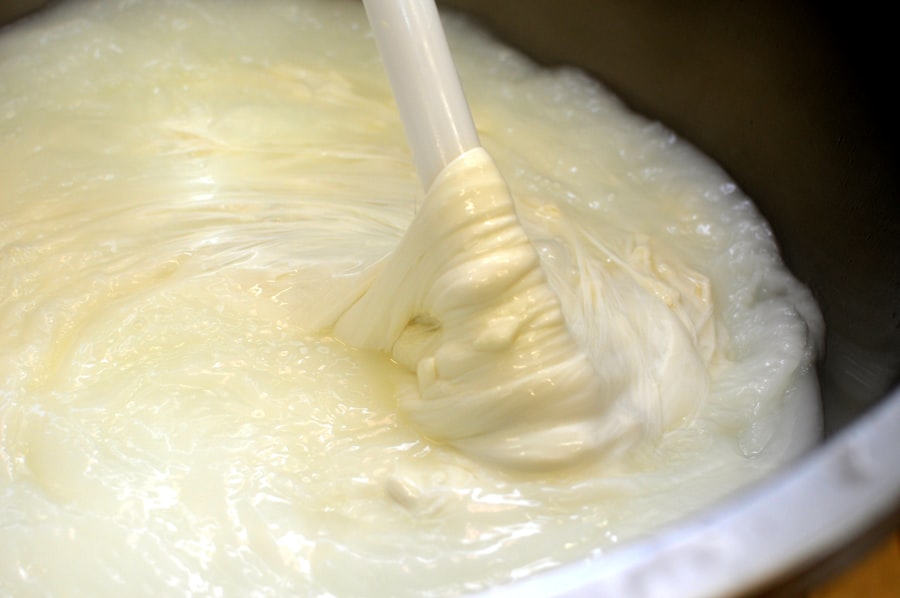
The production of butter is a remarkably straightforward process, essentially a physical transformation rather than a complex chemical one. It begins with cream, the fatty layer skimmed from milk. This cream is then agitated, either through churning or mechanical beating. This vigorous action causes the fat globules within the cream to collide and coalesce, breaking their natural membranes and clumping together. As they merge, they separate from the liquid component, buttermilk. Imagine vigorous shaking inside a sealed container: eventually, the contents will separate. This is the fundamental principle behind butter making. The resulting mass is then often rinsed to remove residual buttermilk, which can hasten spoilage, and then salted or left unsalted.
- Fat Globules Merging: The key to butter’s formation is the aggregation of fat globules.
- Buttermilk Separation: The liquid byproduct, buttermilk, is also a nutrient-rich substance.
- Minimal Processing: Compared to many processed foods, butter undergoes relatively little alteration from its source.
The Saturated Embrace: Butter’s Fat Profile
Butter’s defining characteristic, and the source of much of the dietary debate surrounding it, is its fat composition. It is a rich source of saturated fat, a type of fat characterized by fatty acid chains that are saturated with hydrogen atoms. This means there are no double bonds between the carbon atoms in the fatty acid chain.
- Saturated Fatty Acids (SFAs): Primarily palmitic and stearic acids.
- Cholesterol Content: Butter also contains dietary cholesterol.
- Natural Presence: These components are naturally occurring within animal fats.
Other Nutrients in Butter
While primarily known for its fat content, butter does offer a small spectrum of other nutrients, often overlooked in the saturated fat discussion. These are present in modest amounts and are not the primary reason for butter’s inclusion in a diet.
- Fat-Soluble Vitamins: Butter is a source of vitamins A, D, E, and K. Vitamin A is particularly noteworthy, contributing to vision and immune function.
- Trace Minerals: Small amounts of calcium and phosphorus can be found in butter.
The debate between margarine and butter has been a topic of discussion for many years, with health experts weighing in on the nutritional benefits and drawbacks of each. For those interested in exploring this topic further, a related article can be found at Hey Did You Know This, which delves into the history, production processes, and health implications of both spreads. This resource provides valuable insights that can help consumers make informed choices about their dietary preferences.
The Rise of Margarine: A Manufactured Alternative
Margarine emerged in the 19th century as a response to a butter shortage and a desire for a more affordable spread. Its evolution, however, has been a dynamic one, driven by scientific advancement and changing dietary recommendations.
The Industrial Alchemy: Hydrogenation
Margarine’s creation is a testament to industrial chemistry, a process designed to transform liquid oils into solid or semi-solid fats. The cornerstone of this transformation is hydrogenation. This is a chemical process where hydrogen atoms are added to unsaturated fatty acids in liquid vegetable oils, converting them into saturated or monounsaturated fats. This process not only solidifies the oils but also increases their shelf life and stability, making them more suitable for commercial production and a wider range of applications.
- Unsaturated to Saturated Conversion: The core of hydrogenation is altering the saturation level of fatty acids.
- Improving Texture and Stability: This chemical alteration provides the desired spreadability and longevity.
- Potential for Trans Fats: A significant byproduct of partial hydrogenation, especially in older processes, is the formation of trans fats, a particularly problematic type of fat.
The Spectrum of Margarine: Variations in Ingredients
The term “margarine” is a broad umbrella, encompassing a diverse range of products. The base ingredients, and thus the nutritional profiles, can vary significantly. You might encounter margarines made from a single oil, a blend of oils, or even include dairy ingredients.
- Vegetable Oil Blends: Common oils include soybean, canola, sunflower, and palm oil.
- Emulsifiers and Stabilizers: Ingredients like lecithin are added to create a stable emulsion of oil and water.
- Water and Salt: These are essential components that contribute to the texture and flavor.
- Nutrient Fortification: Many margarines are fortified with vitamins A and D.
The Trans Fat Chapter: A Cause for Concern
For a significant period, margarines, particularly those that were semi-solid or solid sticks, were a major source of industrially produced trans fats. These fats are formed during the partial hydrogenation of vegetable oils when heat is applied and hydrogen is added. Unlike naturally occurring fats, industrially produced trans fats have been strongly linked to adverse health outcomes, even more so than saturated fats. They raise LDL (“bad”) cholesterol and lower HDL (“good”) cholesterol, increasing the risk of heart disease.
- Partial Hydrogenation: The specific process that generates trans fats.
- Adverse Health Impacts: Trans fats are detrimental to cardiovascular health.
- Regulatory Changes: Due to these concerns, many countries have mandated reductions in or bans on artificial trans fats in food products.
Decoding the Fat Content: A Nutritional Showdown
At the heart of the margarine versus butter debate lies their fat profiles. Understanding the nuances of saturated, unsaturated, and trans fats is crucial for making informed dietary decisions.
Saturated Fats: The Controversial Core
Butter is high in saturated fat. For a long time, the prevailing dietary advice was to limit all saturated fat intake, as it was believed to directly elevate blood cholesterol and increase the risk of heart disease. However, more recent and extensive research has complicated this picture. While excessive intake of saturated fat is still not recommended, the focus has shifted towards the type of saturated fat and the overall dietary pattern. Some saturated fatty acids may not have the same adverse effects as others.
Saturated Fat and Cholesterol: A Complex Relationship
The link between dietary saturated fat and blood cholesterol is not as straightforward as once believed. While some saturated fats can raise LDL cholesterol, others may have neutral or even beneficial effects. The International Agency for Research on Cancer (IARC) and the World Health Organization (WHO) have stated that the evidence linking saturated fat to cardiovascular disease is not conclusive.
- LDL Cholesterol: The “bad” cholesterol that can build up in arteries.
- HDL Cholesterol: The “good” cholesterol that helps remove LDL from the arteries.
- Overall Diet Matters: The impact of saturated fat is also influenced by other components of your diet.
Unsaturated Fats: The Nuanced Heroes
Margarine, typically made from vegetable oils, is generally higher in unsaturated fats, which include monounsaturated and polyunsaturated fats. These are often referred to as “healthy fats.”
Monounsaturated Fats: The Olive Oil Ally
Monounsaturated fats are found in oils like olive oil, canola oil, and in nuts and avocados. They are believed to help lower LDL cholesterol and raise HDL cholesterol.
- Oleic Acid: A common monounsaturated fatty acid.
- Cardiovascular Benefits: Associated with improved heart health markers.
Polyunsaturated Fats: Omega-3 and Omega-6
Polyunsaturated fats include omega-3 and omega-6 fatty acids. These are essential fatty acids, meaning your body cannot produce them and they must be obtained from your diet.
- Omega-3 Fatty Acids: Found in fatty fish, flaxseeds, and walnuts. They are known for their anti-inflammatory properties and role in brain health.
- Omega-6 Fatty Acids: Found in vegetable oils like soybean and corn oil. While essential, a high intake relative to omega-3s can be pro-inflammatory for some individuals.
Trans Fats: The Undisputed Villains
Industrial trans fats, historically found in many margarines, are almost universally condemned by health organizations. They are considered more harmful than saturated fats because they not only raise LDL cholesterol but also lower HDL cholesterol, a double whammy for your heart. The good news is that with the phasing out of partially hydrogenated oils, the amount of trans fats in most margarines has drastically decreased.
- Inflammatory Effects: Trans fats promote systemic inflammation.
- Artery Damage: They contribute to the hardening and narrowing of arteries.
- Current Regulations: Driving down trans fat content in processed foods.
Health Implications: What the Science Says
The choice between butter and margarine has been framed as a direct battle for your cardiovascular health. However, the scientific landscape is more intricate, requiring you to look beyond simplistic pronouncements.
Cardiovascular Disease: The Central Concern
The primary health concern driving the margarine versus butter discussion is cardiovascular disease (CVD). For years, saturated fat in butter was implicated as a major culprit. Margarine, with its unsaturated fat profile, was promoted as the heart-healthy alternative. However, as our understanding of fat metabolism and the complexities of dietary impact has evolved, this narrative has been refined.
- Dietary Cholesterol: The impact of dietary cholesterol on blood cholesterol is less significant for most people than previously thought.
- Inflammation: The role of inflammation in CVD is now recognized as a key factor.
- Overall Dietary Patterns: The synergy of various food components in a diet is more impactful than focusing on single nutrients.
The Fat Intake Balance: More Than Just a Single Choice
Your overall health is not determined by a single spoonful of butter or margarine. It’s the sum of your dietary habits, lifestyle, and genetic predispositions. When considering fats, it’s about finding a balance within your entire eating pattern.
- Moderation is Key: Regardless of the source, excessive intake of any fat can have consequences.
- Variety of Fats: A balanced diet includes a mix of unsaturated fats, with mindful consideration of saturated fat sources.
- Processed vs. Unprocessed: The degree of processing in your food choices plays a significant role in overall health.
The Evolving Dietary Guidelines: A Moving Target
Dietary guidelines have been in a state of evolution, reflecting the ongoing scientific research. What was once a blanket recommendation to minimize all saturated fat has softened, with more emphasis on the context of the entire diet and the types of fats consumed.
- Shifting Focus: From simply reducing fat to improving the quality of fat intake.
- Personalized Nutrition: Growing recognition that individual responses to dietary components can vary.
The ongoing debate about margarine versus butter has sparked numerous discussions regarding health and culinary preferences. Many people are curious about the nutritional differences and the impact of these spreads on heart health. For those interested in exploring this topic further, a related article can provide valuable insights into the benefits and drawbacks of each option. You can read more about it in this informative piece here, which delves into the science behind these popular choices.
Making Your Choice: Practical Guidance for Your Kitchen
| Metric | Butter | Margarine | Notes |
|---|---|---|---|
| Primary Ingredient | Churned cream (dairy) | Vegetable oils (often partially hydrogenated) | Butter is animal-based; margarine is plant-based |
| Calories (per tablespoon) | 102 kcal | 80-100 kcal | Varies by brand and formulation |
| Total Fat (per tablespoon) | 11 g | 8-11 g | Similar fat content overall |
| Saturated Fat | 7 g | 1-2 g (varies) | Butter higher in saturated fat |
| Trans Fat | 0 g naturally | 0-2 g (depends on hydrogenation) | Modern margarines often trans fat-free |
| Cholesterol | 31 mg | 0 mg | Margarine is cholesterol-free |
| Vitamins | Contains vitamins A, D naturally | Often fortified with vitamins A and D | Both can provide fat-soluble vitamins |
| Heart Health Impact | Higher saturated fat may raise LDL cholesterol | Unsaturated fats may improve cholesterol profile | Depends on margarine type and trans fat content |
| Flavor | Rich, creamy, natural dairy taste | Varies; often buttery flavor added | Butter preferred for taste by many |
| Usage | Best for baking, cooking, spreading | Good for spreading, some baking; varies | Some margarines not suitable for high heat |
Ultimately, the decision of whether to reach for butter or margarine lies with you, armed with accurate information. It’s not about declaring a definitive winner, but about understanding the strengths and weaknesses of each and how they fit into your personal dietary goals.
Understanding Your Margarine Label: A Crucial Step
If you opt for margarine, becoming a diligent label reader is paramount. This is your compass in navigating the diverse margarine market.
Identifying Trans Fat Content: The Critical Check
The most important element to check is the trans fat content. Thanks to regulations and industry changes, many margarines now boast “0g trans fat” on their labels. However, it’s worth understanding how this is achieved.
- “Partially Hydrogenated Oils” as an Indicator: If you see “partially hydrogenated oils” listed in the ingredients, even if the trans fat content is listed as 0g, it means the product may contain small amounts of trans fat. This is because the regulations allow for very small amounts to be present while still being labeled as 0g.
- “Interesterified Oils”: Some margarines use interesterification, a process that rearranges fatty acids in oils, to achieve spreadability without hydrogenation. The long-term health effects of this process are still being studied, but it’s generally considered a safer alternative to artificial trans fats.
Examining the Oil Base: The Foundation of Your Spread
The primary oils used in margarine will significantly influence its nutritional profile.
- Canola Oil: Generally considered a healthy choice, rich in monounsaturated and polyunsaturated fats.
- Soybean Oil: A common source of omega-6 polyunsaturated fats.
- Palm Oil: High in saturated fat, and often linked to environmental concerns surrounding its production.
Butter vs. Margarine in Cooking and Baking: Practical Considerations
Beyond direct consumption, how these fats perform in your kitchen can also influence your choice. Both have their unique properties that can impact the texture, flavor, and outcome of your culinary creations.
Baking Sensibilities: Texture and Taste
Butter, with its saturated fat content and natural flavor, often contributes a richer texture and desirable taste to baked goods. It can create flakier pastries and more tender cakes. Margarines, particularly those designed for baking, can also yield good results, but the outcome may vary depending on their composition.
- “Baking Margarine”: These are often formulated with higher fat content and specific emulsifiers to mimic the performance of butter.
- Water Content: The water content in margarines can affect gluten development in baked goods.
Sautéing and Frying: Smoke Points and Stability
The smoke point of a fat – the temperature at which it begins to smoke and break down – is an important consideration for cooking.
- Butter’s Smoke Point: Butter has a relatively low smoke point due to its dairy solids. Clarified butter (ghee), where these solids are removed, has a higher smoke point.
- Margarine’s Smoke Point: The smoke point of margarine varies greatly depending on the oils used. Some vegetable oils have higher smoke points than butter.
The Verdict: An Informed Decision for Your Plate
The journey to understanding margarine versus butter is not about finding a singular “healthier” option for everyone, in every situation. It’s about becoming an educated consumer, understanding that the science is evolving, and that nuance is more important than dogma.
The Nuance of Saturated Fat: Not All Fats Are Created Equal
As you have seen, the blanket condemnation of saturated fat is giving way to a more sophisticated understanding. While excessive intake is still not advisable, the focus is shifting towards the overall dietary pattern and the specific types of saturated fats consumed. Butter, in moderation, as part of a balanced diet, is not the dietary pariah it was once portrayed to be.
The Advantage of Modern Margarines: Reduced Trans Fats
The most significant improvement in the margarine landscape has been the substantial reduction, and often elimination, of industrially produced trans fats. This has made many modern margarines a far healthier choice than their predecessors.
Your Personalized Nutrition Compass: Beyond Generalizations
Ultimately, your body is your most reliable indicator. Pay attention to how you feel, your energy levels, and consult with healthcare professionals to tailor dietary advice to your unique needs. The most “healthy” choice for you might be different from the most “healthy” choice for someone else.
- Listen to Your Body: Observe how different foods affect your digestion and overall well-being.
- Consult Professionals: Registered dietitians and doctors can provide personalized dietary guidance.
- Focus on Overall Diet: Remember that a single food item is just a small piece of the larger nutritional puzzle.
By understanding the origins, composition, and health implications of both butter and margarine, you are now equipped to make informed decisions. Whether you choose the creamy comfort of butter or the fortified convenience of margarine, you can do so with the knowledge that empowers you to nourish your body wisely. The truth, as you’ve discovered, is rarely black and white, but rather a spectrum of ingredients, processes, and individual responses.
FAQs
What is the main difference between margarine and butter?
Margarine is a processed product made primarily from vegetable oils, while butter is a natural dairy product made from churned cream. Butter contains saturated fats and cholesterol, whereas margarine typically contains unsaturated fats and may include trans fats depending on the manufacturing process.
Which is healthier: margarine or butter?
The healthiness depends on the type and amount consumed. Butter contains saturated fats that can raise LDL cholesterol, but it is free from trans fats. Margarine made from partially hydrogenated oils may contain trans fats, which are linked to heart disease. Soft or liquid margarines with no trans fats and high in unsaturated fats are generally considered healthier than butter.
Does margarine contain trans fats?
Some margarines, especially older or stick varieties, contain trans fats due to partial hydrogenation of vegetable oils. However, many modern margarines are reformulated to eliminate trans fats and use non-hydrogenated oils, making them a better option for heart health.
Is butter better for cooking and baking than margarine?
Butter is often preferred for cooking and baking because of its flavor and texture. It provides richness and can affect the final product’s taste and consistency. Margarine can be used as a substitute but may alter flavor and texture depending on its water and fat content.
Can margarine and butter be part of a balanced diet?
Yes, both can be included in moderation within a balanced diet. Choosing soft margarines without trans fats and limiting butter intake can help manage saturated fat consumption. It is important to consider overall dietary patterns and focus on whole, minimally processed foods for optimal health.